Quick Answer
Bitter coffee usually comes from over-extraction: too fine a grind, water that's too hot, or a brew time that's too long. Start by coarsening your grind slightly and checking your water temperature (aim for 195–205°F). If that doesn't help, adjust your coffee-to-water ratio and brew time.
There's nothing more disappointing than brewing a fresh cup only to be met with a harsh, bitter taste. The good news: bitter coffee is rarely a problem with the beans themselves. In most cases, it's a brewing issue you can fix with a few simple tweaks.
In this guide, we'll walk through the most common causes of bitter coffee and give you actionable fixes. Whether you're using a pour-over dripper or an automatic machine, you'll learn how to dial in your brew for a smoother, more balanced cup.
Over-Extraction: The #1 Cause of Bitter Coffee
Over-extraction happens when you pull too many soluble compounds from the coffee grounds, including the bitter ones. This can occur if your grind is too fine, your water is too hot, or your brew time runs long. The result is a cup that tastes harsh, dry, or ashy.
To diagnose over-extraction, look at your brew time. For pour-over, if it takes longer than 3–4 minutes, your grind is likely too fine. For French press, a 4-minute steep is standard; anything longer can over-extract. Coarsen your grind and see if the bitterness fades.
- Try a slightly coarser grind and keep other variables constant.
- Check your water temperature—boiling water (212°F) is too hot for most brewing methods.
Water Temperature and Quality
Water that's too hot can scald the coffee, extracting bitter compounds prematurely. The ideal range is 195–205°F (90–96°C). If you don't have a gooseneck kettle with temperature control, let boiling water sit for 30–60 seconds before pouring.
Water quality matters too. Hard water with high mineral content can accentuate bitterness, while filtered water often produces a cleaner cup. If your tap water is very hard, try using filtered or bottled water.
- Use a thermometer to check your water temperature if you're unsure.
- Consider a basic water filter to reduce mineral content.
Grind Size and Brewing Method
Grind size directly affects extraction rate. A fine grind exposes more surface area, leading to faster extraction and potential bitterness. Different brewing methods require different grind sizes: coarse for French press, medium for drip, and fine for espresso. If your coffee tastes bitter, try moving one step coarser on your grinder.
Consistency is also key. Inconsistent grinds (with both fine and coarse particles) can cause uneven extraction, leading to a bitter and sour mix. A quality burr grinder ensures uniform particle size, which is a worthwhile investment for better coffee.
- Match your grind size to your brewing method.
- Invest in a burr grinder for consistent results.
Coffee-to-Water Ratio and Brew Time
Using too much coffee relative to water can also cause bitterness. A standard ratio is 1:16 (coffee to water) for pour-over and drip. If you use a stronger ratio like 1:12, you'll get a more concentrated brew that can taste bitter. Adjust your ratio to find the strength you enjoy.
Brew time is another lever. For pour-over, aim for 2:30–3:30 minutes. If you're using a Kalita Wave, its flat bottom design promotes even extraction, but you still need to control your pour rate. For immersion methods like French press, 4 minutes is a good starting point.
- Use a kitchen scale to measure coffee and water accurately.
- Experiment with brew time in 15-second increments to find your sweet spot.
When It's Not the Brew: Bean Freshness and Roast Level
While brewing is the usual culprit, the beans themselves can contribute to bitterness. Stale coffee that's been sitting for weeks can taste flat and bitter. Always check the roast date and buy fresh beans. Also, dark roasts are inherently more bitter than light or medium roasts. If you prefer a sweeter cup, try a lighter roast.
Natural processed coffees, like some of our favorites from Mexico and Colombia, often have fruity and sweet notes that can offset bitterness. If you're sensitive to bitter flavors, these might be a good choice.
- Check the roast date on your coffee—use within 2–4 weeks of roasting.
- Try a medium or light roast if you find dark roasts too bitter.
Diagnosis: Bitter Coffee Troubleshooting
- Symptom: Your coffee tastes harsh, dry, or ashy. This is a classic sign of over-extraction.
- Likely Cause: Grind too fine, water too hot, or brew time too long. Check your grind size and water temperature first.
- Corrective Action: Coarsen your grind one step, let boiling water cool for 30 seconds, and shorten brew time by 15–30 seconds. Brew a test cup and taste the difference.
- When to Stop or Choose Another Option: If the coffee is still bitter after these adjustments, consider the beans: try a lighter roast or a different origin. If you're using a brewer that's prone to uneven extraction, consider upgrading to a flat-bottom dripper. At this point, the issue may be the bean or the equipment, not your technique.
Tools and Beans to Help You Brew Better
- Kalita Wave Coffee Dripper: The Kalita Wave 155 Dripper features a flat bottom that creates a larger surface area for the bed of ground coffee, promoting even extraction. A flat-bottom brewer like this reduces the risk of channeling and over-extraction, making it easier to brew a balanced, non-bitter cup.
- Colombia — Wilber Gómez: This Pacamara lot is semi-washed (honey) with 48 hours of controlled fermentation, offering floral aromatics and bright citrus acidity. A coffee with bright acidity and floral notes can taste less bitter and more complex, especially if you're sensitive to bitter flavors.
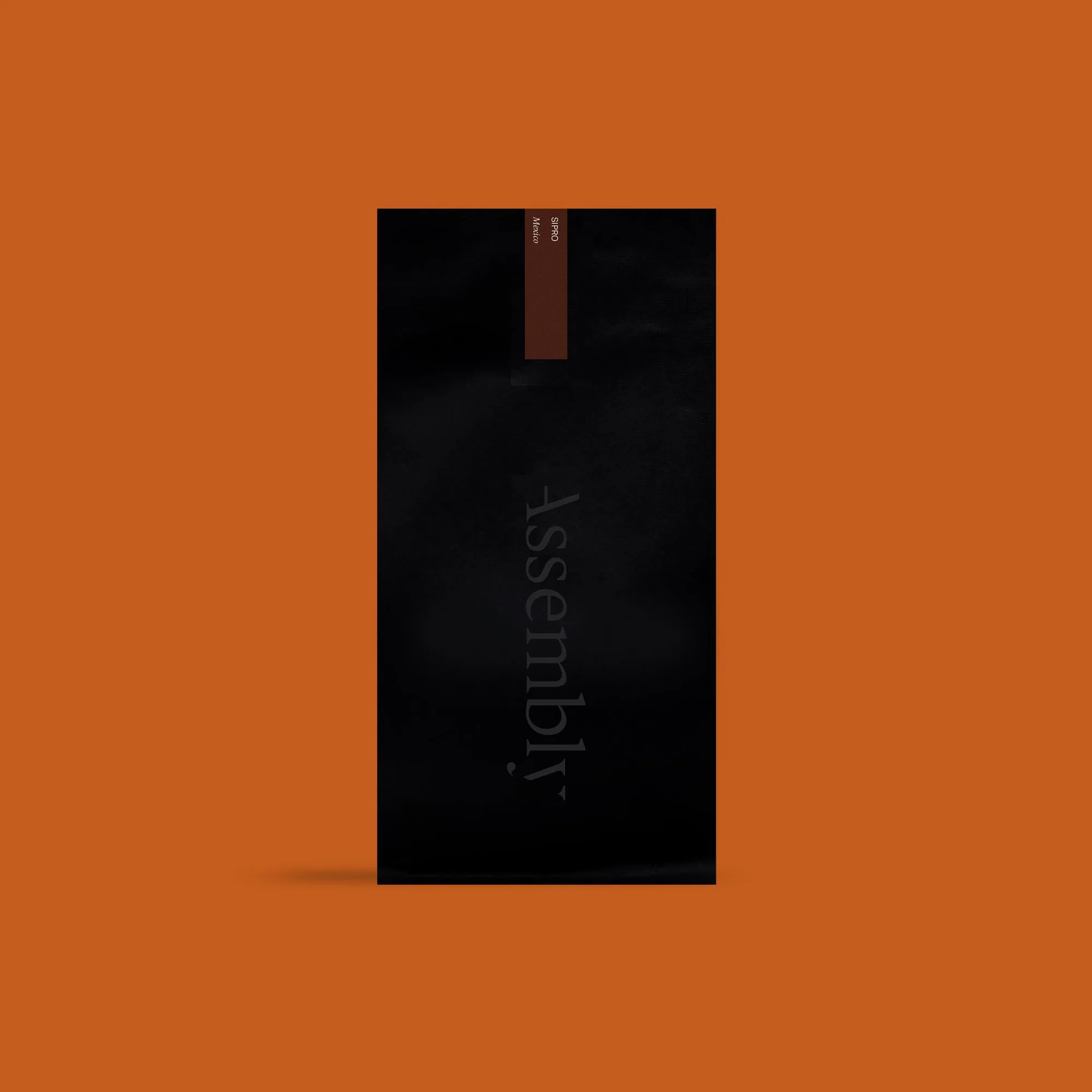
- Mexico — SIPRO: This naturally processed coffee is dried whole in the cherry, building depth and intensity with notes of dried fruit and a syrupy texture. Natural process coffees often have a sweeter, fruit-forward profile that can help balance bitterness in your cup.
Bitter coffee is a common problem, but it's usually easy to fix. By adjusting your grind size, water temperature, and brew time, you can transform a harsh cup into a smooth, enjoyable one. And if you're still struggling, consider trying a different bean or brewer that's designed for even extraction. Happy brewing!