Quick answer
A rough-feeling Comfort Colors tee after washing is almost always caused by detergent residue, minerals from hard water, or overwashing — not by a defective shirt. Run one extra rinse cycle with no detergent, then tumble dry low or air dry. If the shirt still feels scratchy after two gentle washes, the fabric has likely been damaged by heat or harsh chemicals and won't fully recover.
What's actually happening to the fabric
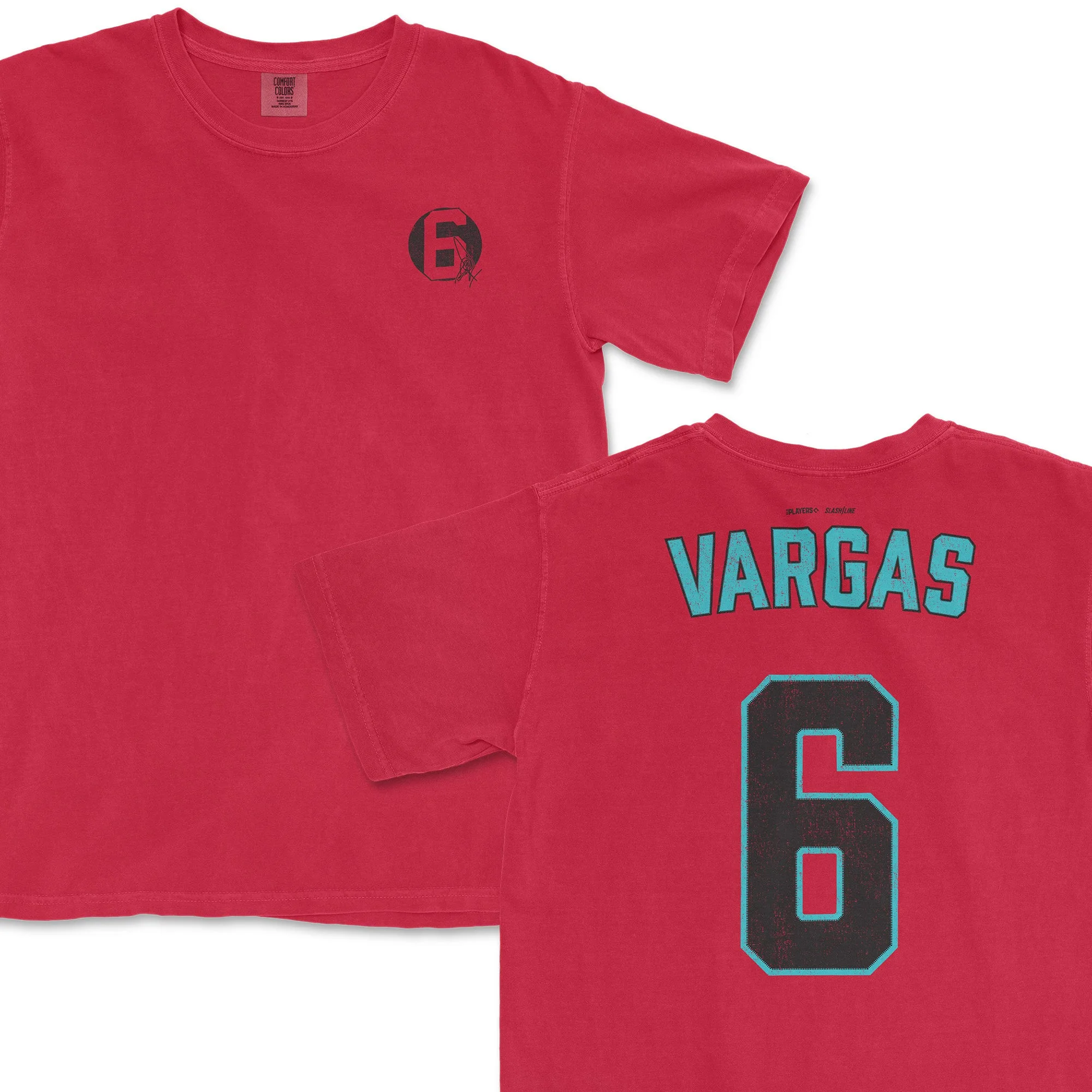
Comfort Colors tees are garment-dyed, which means the fabric is washed and dyed after the shirt is sewn rather than before. That process gives the tee its broken-in softness and slightly faded color. It also means the fabric has already been through a wet process, so it responds differently to home washing than a standard tee that was dyed as flat yardage.
When the shirt feels rough, you're usually feeling something sitting on the fibers, not the fibers themselves. Detergent that didn't rinse out, minerals left behind by hard water, or a waxy fabric softener film all create a scratchy surface. In some cases, high heat in the dryer has actually fused or damaged the cotton fibers, which is a different problem with a different fix.
How to soften a Comfort Colors tee that feels stiff
Start with the least aggressive fix. Rewash the shirt on a cold, gentle cycle with no detergent at all, then add an extra rinse. This removes leftover soap and mineral buildup without adding anything new. If your water is hard, add half a cup of white vinegar to the rinse cycle — it helps dissolve mineral deposits and rinses clean.
Skip fabric softener and dryer sheets. They coat the cotton with a waxy layer that makes the shirt feel slick at first and rougher over time, and they can dull the garment-dyed color. If you want added softness, use wool dryer balls on low heat instead.
For drying, tumble dry low or hang dry. High heat is the most common cause of a tee that goes from soft to stiff in one cycle. If the shirt comes out of the dryer feeling rough, a short low-heat tumble with dryer balls can sometimes loosen the fibers again, but if heat has already damaged the cotton, no amount of re-washing will bring back the original hand-feel.
When the roughness is a sign of something else
If the shirt feels rough only in certain spots — under the arms, along the collar, or on the back — the issue may be deodorant or body oil buildup rather than the fabric itself. Those areas need a pre-treat with a small amount of dish soap or a dedicated stain remover before washing. A uniform roughness across the whole shirt points to a washing or drying issue, not a localized stain.
If the shirt has visible pilling or a sandpaper-like texture that doesn't improve after two gentle washes, the cotton fibers have likely been abraded or heat-damaged. That's a permanent change. At that point, the shirt can still be worn as a work or yard shirt, but it won't return to the soft feel it had when new.
Preventing the problem on your next Comfort Colors tee
Wash cold, use less detergent than you think you need, and skip the fabric softener. A tablespoon of gentle detergent is enough for a single tee. If you're washing a full load, make sure the shirts aren't packed so tightly that rinse water can't circulate — overcrowding is a common reason detergent stays in the fabric.
Turn the shirt inside out before washing to reduce surface abrasion, and avoid washing it with heavy items like jeans or towels that can rough up the cotton. For garment-dyed tees, the goal is gentle agitation and thorough rinsing, not heavy cleaning.
If you're buying a new Comfort Colors tee and want to keep that soft, broken-in feel as long as possible, treat the first few washes as the most important ones. The dye and fabric are most stable when you keep heat out of the process from the start.
Diagnose your rough tee
- Symptom: uniform roughness across the whole shirt: The fabric feels scratchy everywhere, not just in one spot. This points to detergent residue or hard-water minerals sitting on the fibers. Rewash with no detergent and an extra rinse. If it softens, the cause was buildup.
- Symptom: stiffness that appeared after one hot dryer cycle: The shirt was soft before drying and rough after. High heat can collapse and stiffen cotton fibers. Switch to low heat or air drying. If the shirt stays stiff after one gentle re-wash, the heat damage is likely permanent.
- Symptom: rough only under the arms or on the collar: Localized roughness usually means deodorant, body oil, or product buildup rather than a fabric problem. Pre-treat those areas before washing. If the rest of the shirt feels fine, the fabric itself is healthy.
- Symptom: pilling or a sandpaper texture that won't rinse out: Visible pilling or a persistently abrasive surface after two gentle washes means the fibers have been abraded or heat-damaged. Stop trying to fix it. The shirt is still wearable for rough use, but it won't return to its original softness.
Comfort Colors tees built for this kind of care
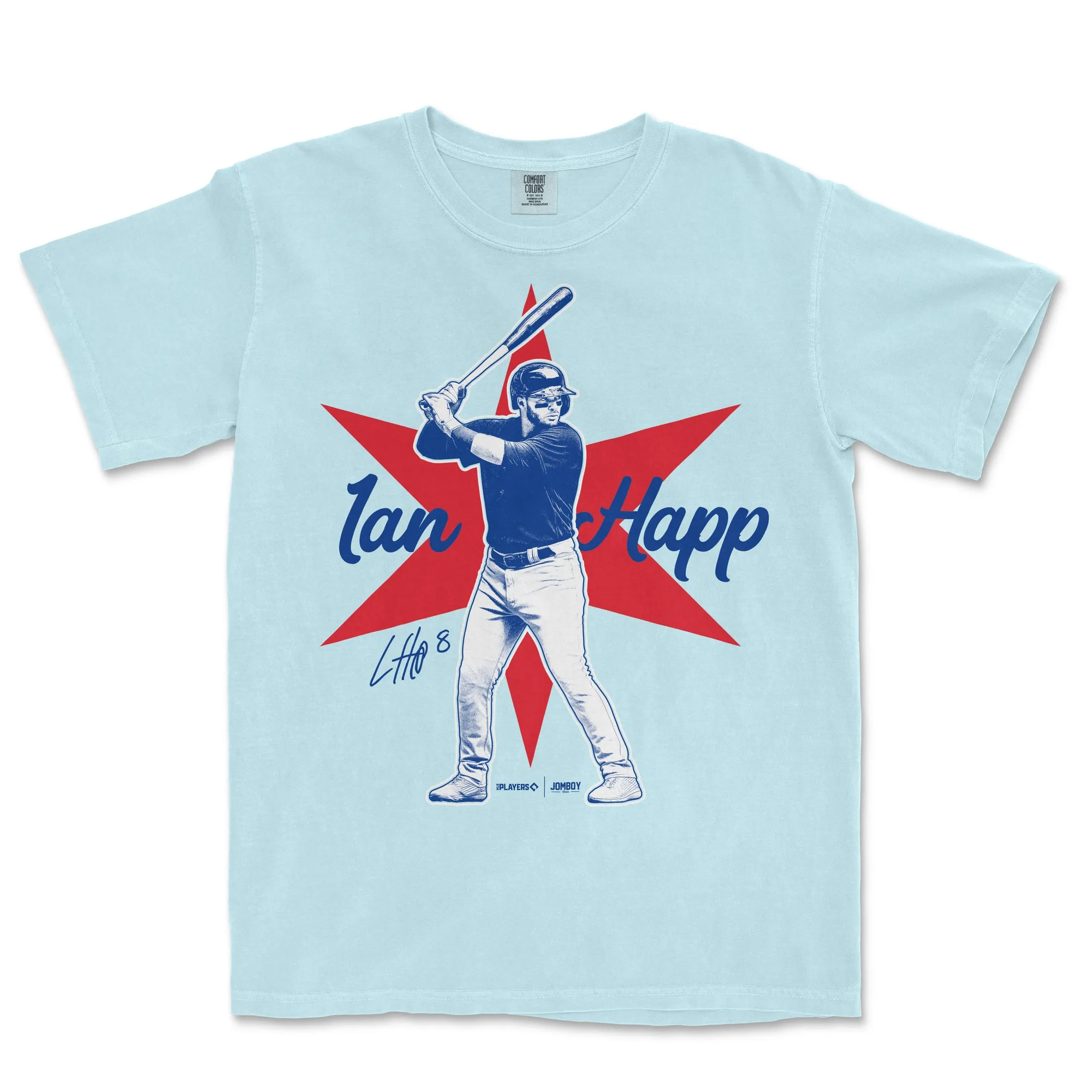
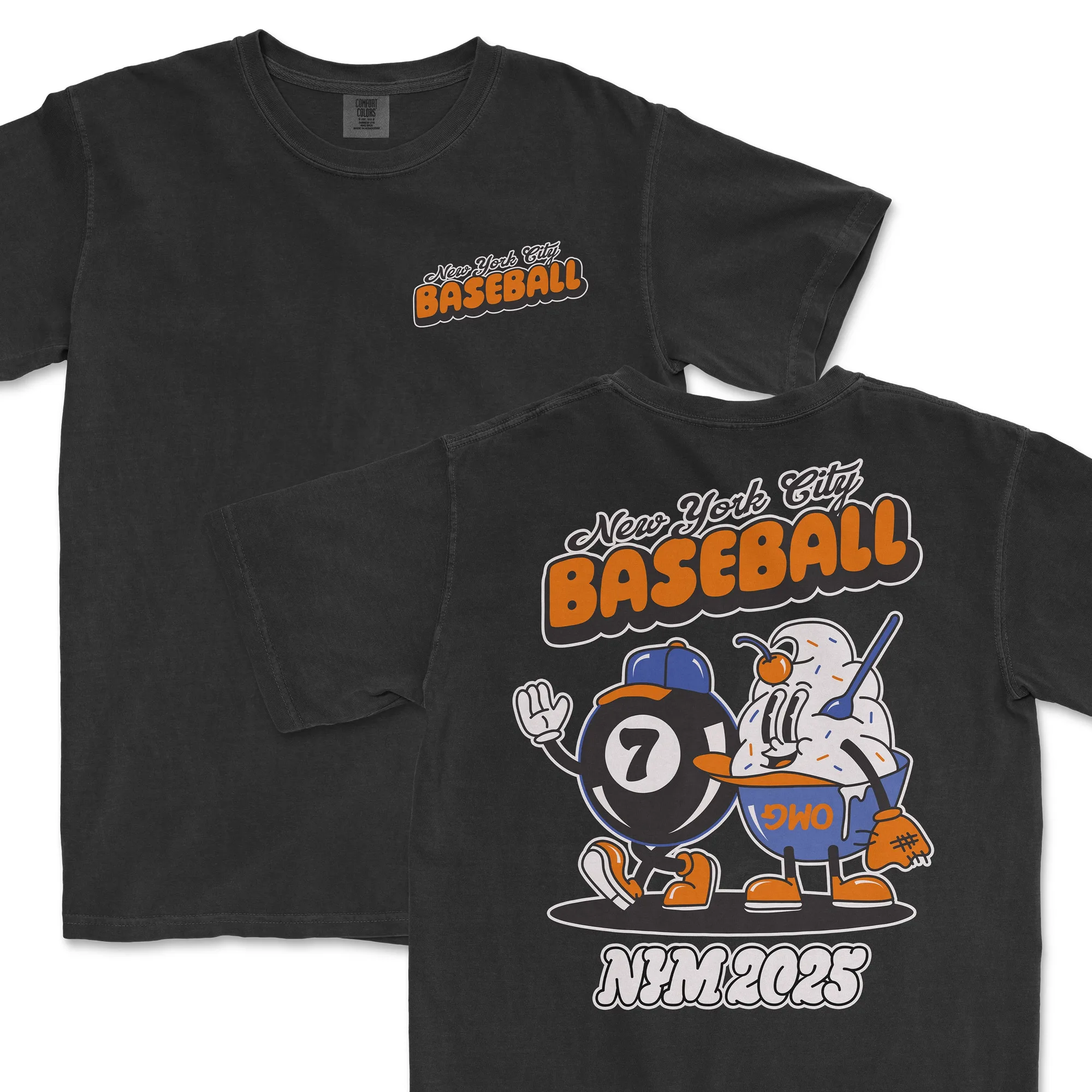
- James Wood - Superstar Cartoon: Printed in the USA with fade-resistant inks on a premium Comfort Colors shirt. Fade-resistant inks hold up better to the gentle, cold-water washing routine that keeps the fabric soft, so you're not trading color for comfort.
- Talkin' Yanks Cartoons: Designed by the Jomboy Media team and printed in the USA with fade-resistant inks on a premium Comfort Colors shirt. The garment-dyed base is the same fabric discussed above, so the same rinse-first, skip-softener approach applies to keep it feeling broken-in.
- Shohei's Home: Designed by the Jomboy Media team and printed in the United States using fade-resistant inks on a premium Comfort Colors tee. If you're replacing a heat-damaged tee, this one starts from the same soft garment-dyed base — and the care steps above will help it stay that way.