Quick answer
A dog chews through leashes and toys because of boredom, stress, or a strong natural urge to chew. The fix is to separate chewing from training gear, provide legal outlets like durable chews, and choose tougher materials. If your dog still destroys gear after two weeks of consistent management, switch to metal hardware and supervised-only use.
Why Your Dog Targets Leashes and Toys
Dogs explore with their mouths, and a leash or toy is often the closest thing when they feel excited, anxious, or under-stimulated. A leash that swings during walks can look like a tug toy, especially if your dog has practiced grabbing it. Toys that squeak or tear easily reward the behavior by falling apart, which makes the next chew more likely.
How to Stop Dog Chewing Leash and Training Gear
Separate play from work. Keep a designated tug toy in your pocket and offer it the moment your dog mouths the leash. If your dog is chewing because of pent-up energy, add a 10-minute sniff walk or a short training session before you expect calm leash behavior. For dogs who chew when left alone, a durable chew can redirect the behavior while you are away.
- Reward the drop: when your dog releases the leash, mark and treat immediately.
- Use a metal chain section near the clip if your dog targets the handle area.
- Rotate toys every few days so boredom does not build toward destruction.
Matching Chews to Your Dog's Chewing Style
Not all chews are equal. A dog that destroys toys quickly often needs a long-lasting, single-ingredient chew rather than a plush or thin rubber toy. Bully sticks are a classic choice because they are edible, digestible, and hold up to moderate chewing. For training sessions, small soft bites work better because they are quick to eat and keep the session moving.
When to Switch to Tougher Materials
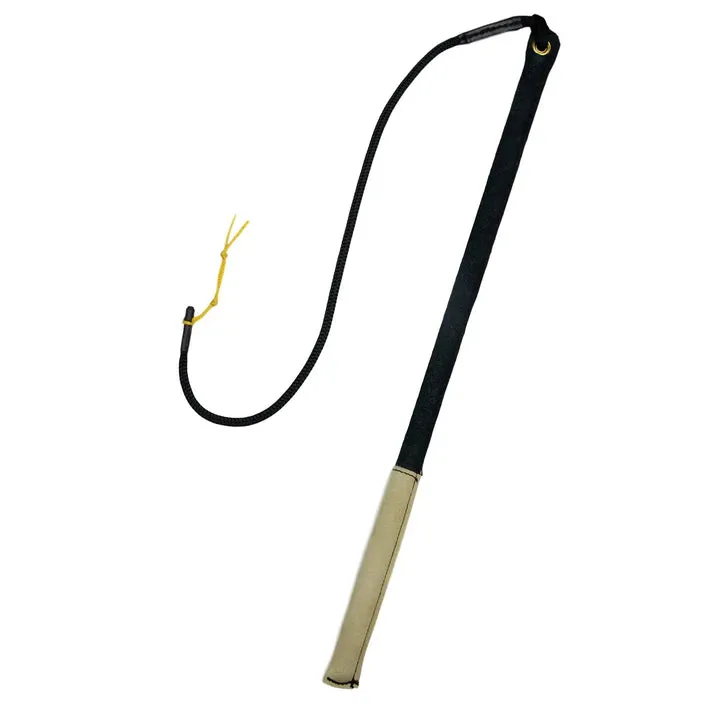
If your dog has chewed through two or more leashes, stop buying the same material. Biothane leash chewing is common because some dogs find the texture appealing, but biothane is not chew-proof. Switch to a chain or metal-reinforced leash for walks, and save the biothane for supervised training only. The same rule applies to toys: if a toy is destroyed in minutes, it is not the right toy for that dog.
Diagnosis: Why Your Dog Chews and What to Do
- Symptom: Chews leash only during walks: Your dog grabs and gnaws the leash when excited or frustrated, often at the start or end of a walk. Carry a tug toy and redirect the first mouth. If it continues, add a metal chain section near the clip.
- Symptom: Destroys toys within minutes: Your dog rips apart plush or thin rubber toys quickly, often swallowing pieces. Switch to long-lasting edible chews or tough rubber toys. If your dog still destroys them, consult your vet about appropriate chew options.
- Symptom: Chews when left alone: Chewing happens mainly when your dog is alone, often along with pacing or whining. This points to stress or boredom. Provide a durable chew before you leave and consider a vet behavior consult if it continues.
Products That Help With Chewing Problems
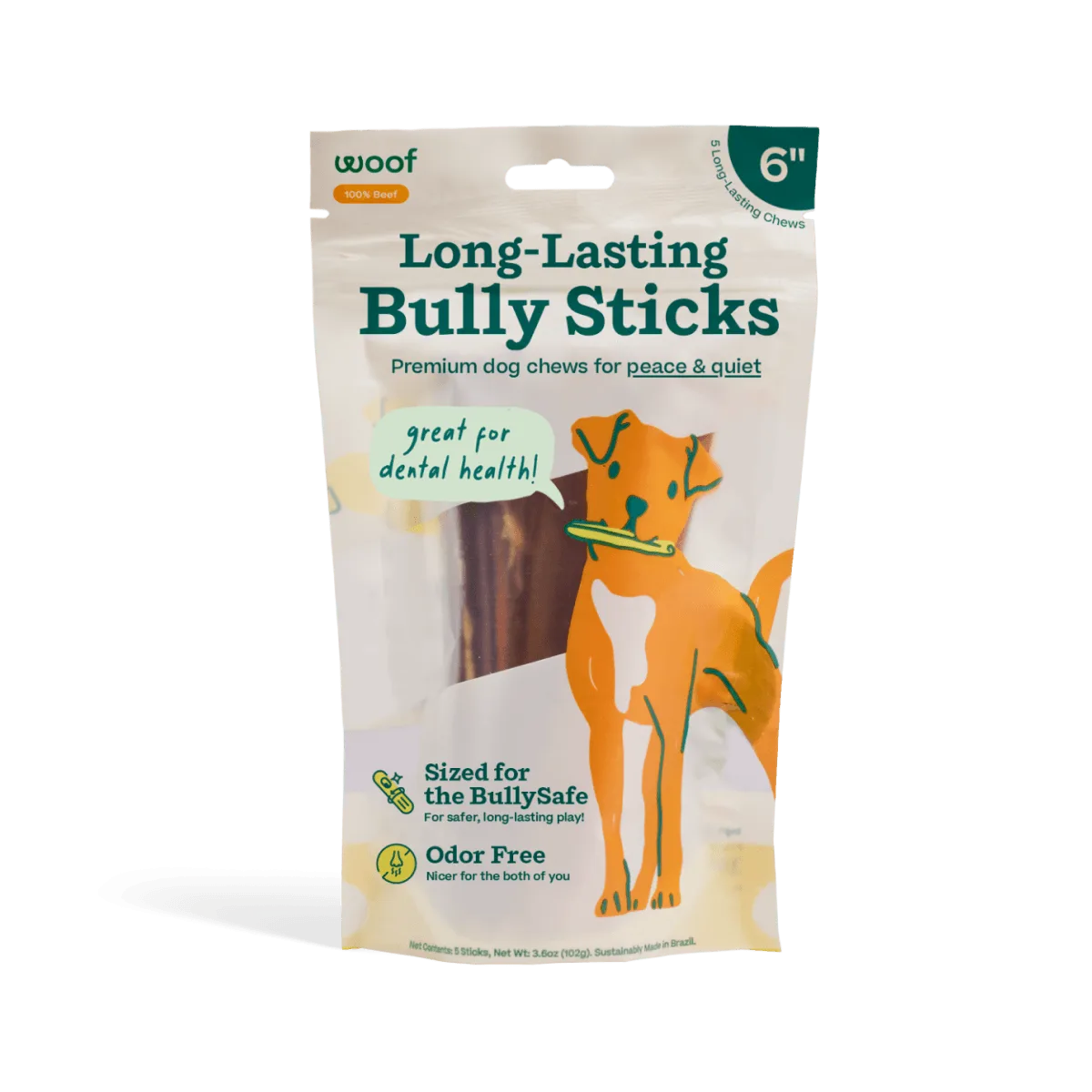
- BullySafe Chews - BullySticks: Beef / 6-inch 5 pack by Woof: BullySafe Chews - BullySticks: Beef / 6-inch 5 pack by Woof are single-ingredient, odor-free bully sticks that support natural chewing instincts. A long-lasting edible chew gives your dog a legal outlet so it is less likely to target leashes and toys.
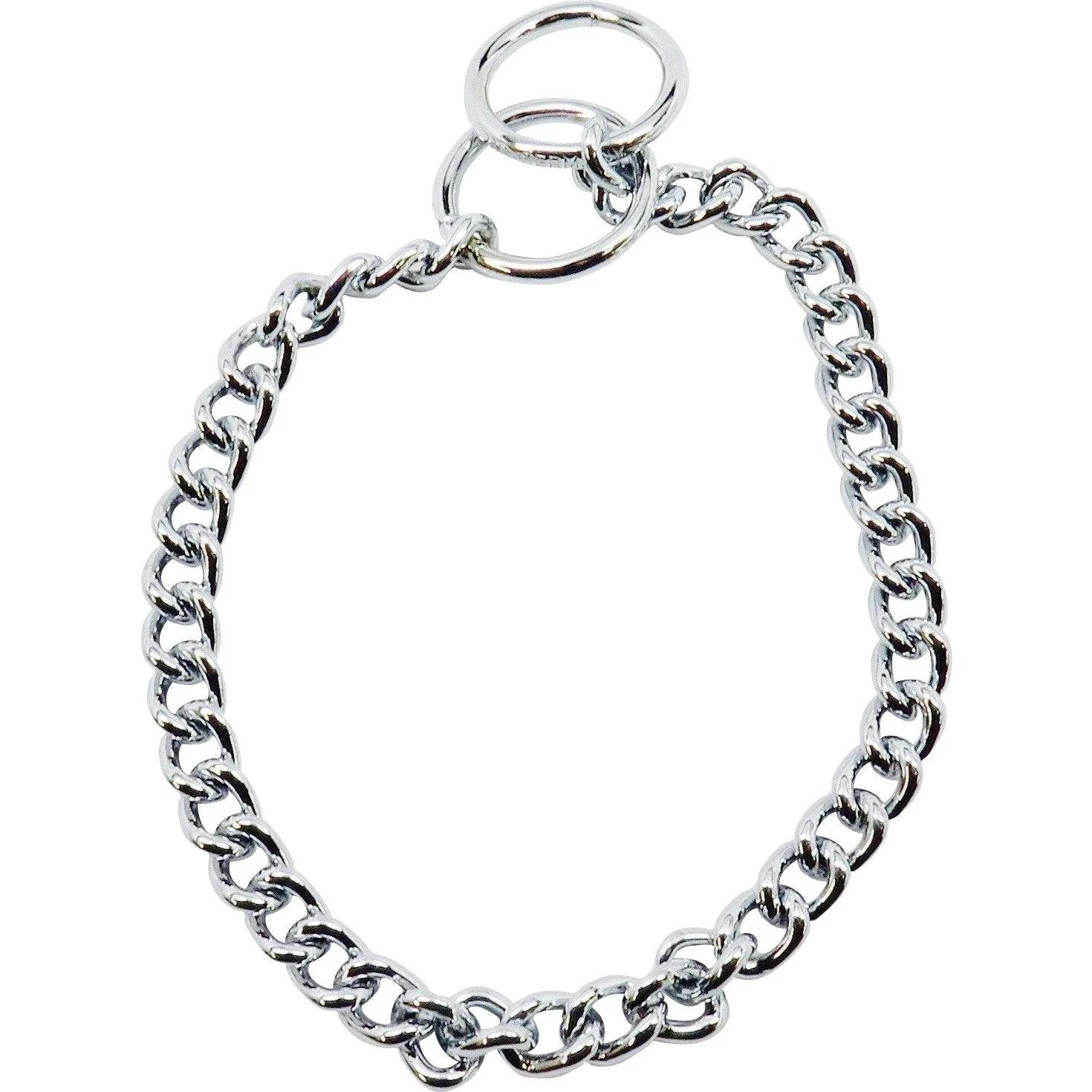
- Choke Chain By Herm Sprenger: Choke Chain By Herm Sprenger is a steel, chrome-plated training collar available in multiple lengths and link thicknesses. If your dog chews through fabric or biothane leashes, a metal chain section adds durability and control during training.
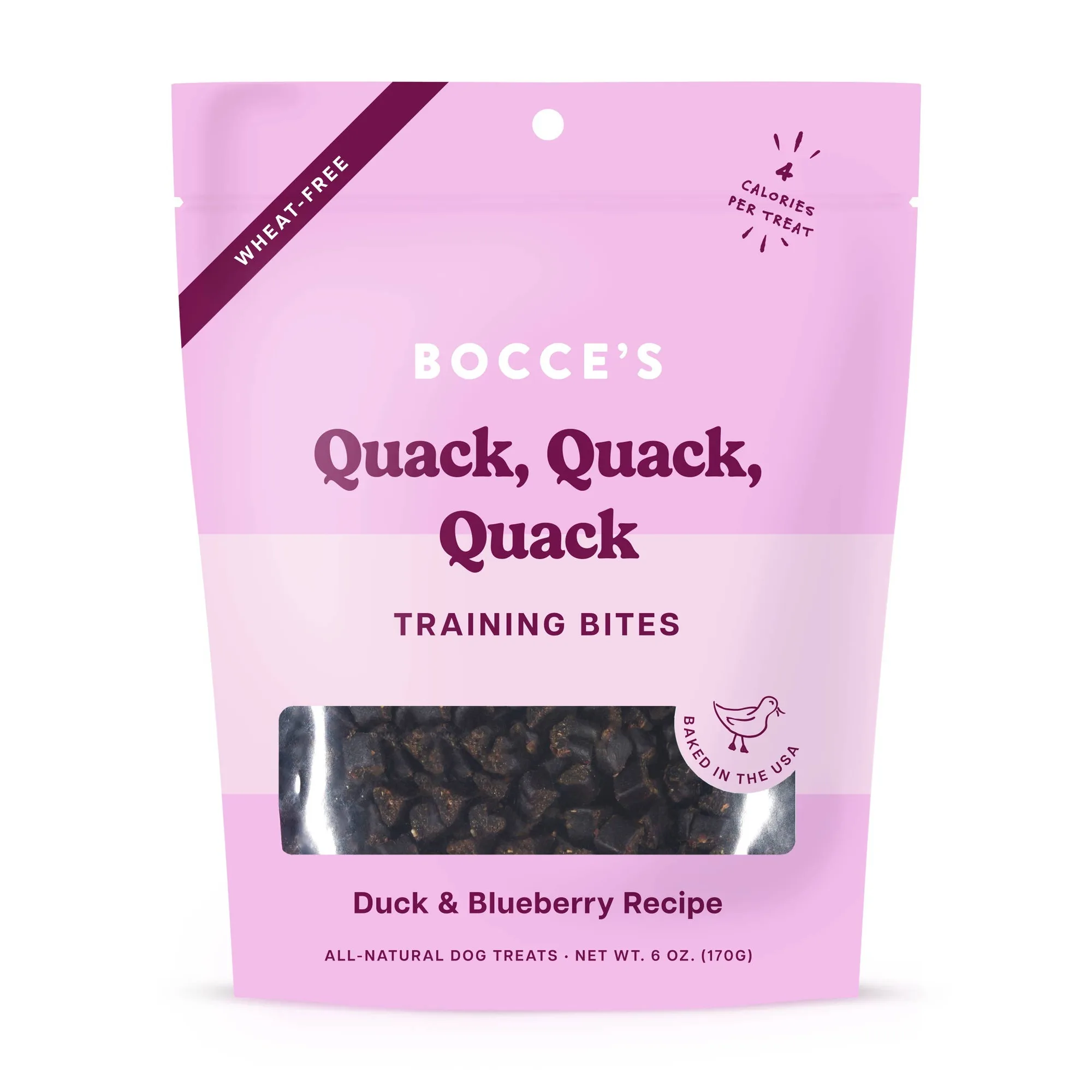
- Bocce's Bakery Quack Quack Quack Training Bites Treats 6oz: Bocce's Bakery Quack Quack Quack Training Bites Treats 6oz are wheat-free, bite-sized training treats made with real ingredients. Small, quick treats let you reward your dog for dropping the leash without slowing down your walk or training session.