Quick Answer
Most dogs eat grass occasionally, and it's usually harmless. It may be due to dietary needs, boredom, or natural instinct. However, if your dog eats grass excessively or shows signs of illness, consult your veterinarian.
If you've caught your dog munching on grass during walks, you're not alone. Many pet owners wonder why dogs do this and whether it's safe. The good news is that grass eating is a common behavior in dogs, and in most cases, it's not a cause for alarm.
Understanding the underlying reasons can help you determine if your dog needs a change in diet, more exercise, or a visit to the vet. This article explores the common causes and offers practical tips for managing this behavior safely.
Common Causes of Grass Eating
Dogs may eat grass for several reasons. One theory is that it helps induce vomiting when they have an upset stomach. However, studies show that only a small percentage of dogs actually vomit after eating grass, so this may not be the primary reason.
Another possibility is a nutritional deficiency, such as a lack of fiber. Grass provides roughage that can aid digestion. Some dogs simply enjoy the taste and texture, especially young puppies exploring their environment. Boredom and anxiety can also lead to grass eating as a way to pass the time.
- Observe when your dog eats grass: after meals, during walks, or when left alone?
- Check if your dog shows signs of nausea like lip licking or drooling before eating grass.
- Ensure your dog's diet is balanced and includes adequate fiber.
Is Eating Grass Bad for Dogs?
In most cases, eating grass is not harmful. However, risks exist if the grass has been treated with pesticides, herbicides, or fertilizers. These chemicals can be toxic to dogs. Additionally, grass may harbor parasites like roundworms or hookworms from other animals' feces.
If your dog eats grass frequently and then vomits, loses weight, or shows signs of digestive distress, it's important to consult your veterinarian. They can rule out underlying health issues such as gastrointestinal problems or dietary sensitivities.
- Prevent access to chemically treated lawns.
- Keep your dog on a leash in unfamiliar areas to avoid contaminated grass.
- Monitor for symptoms like vomiting, diarrhea, or lethargy after grass eating.
How to Manage and Prevent Grass Eating
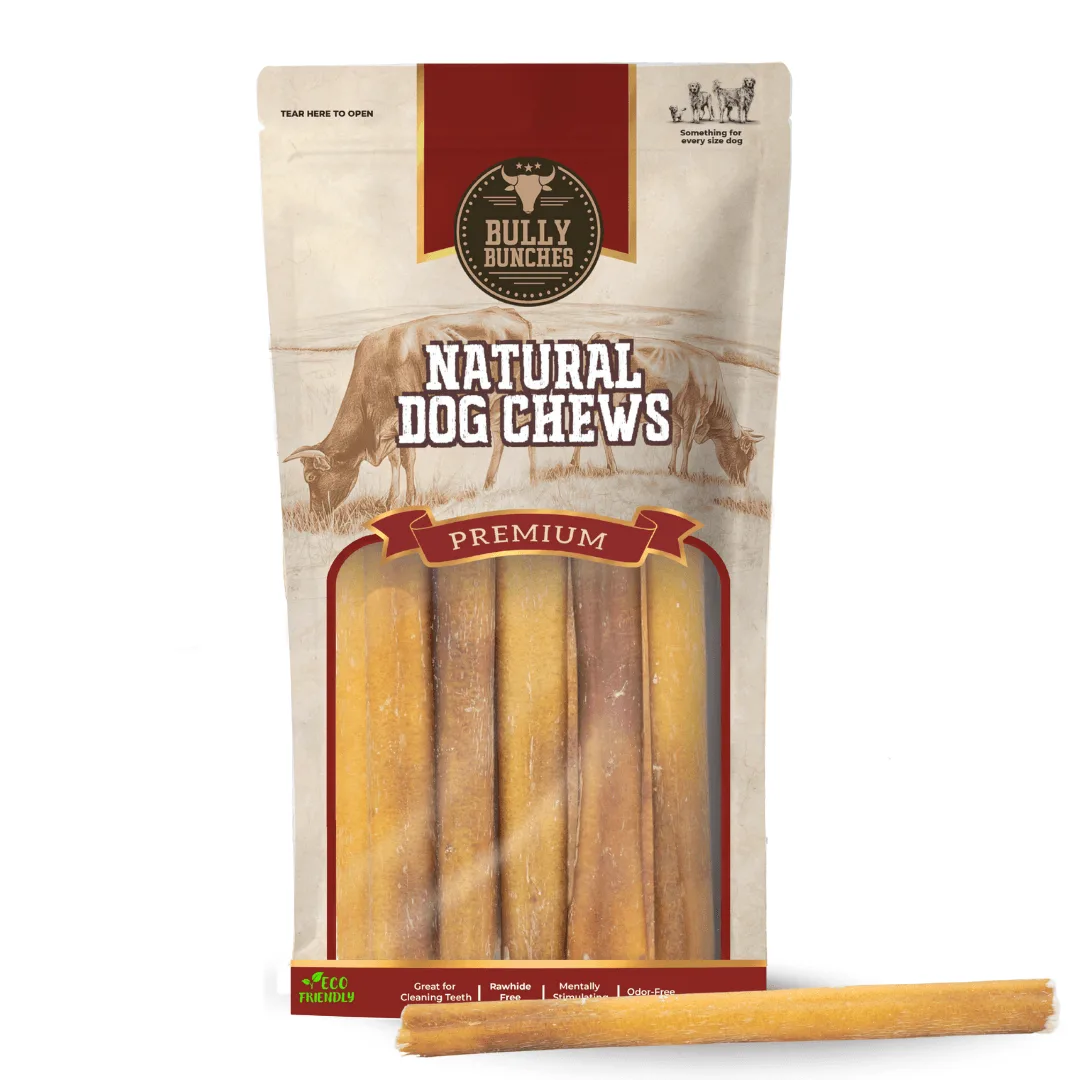
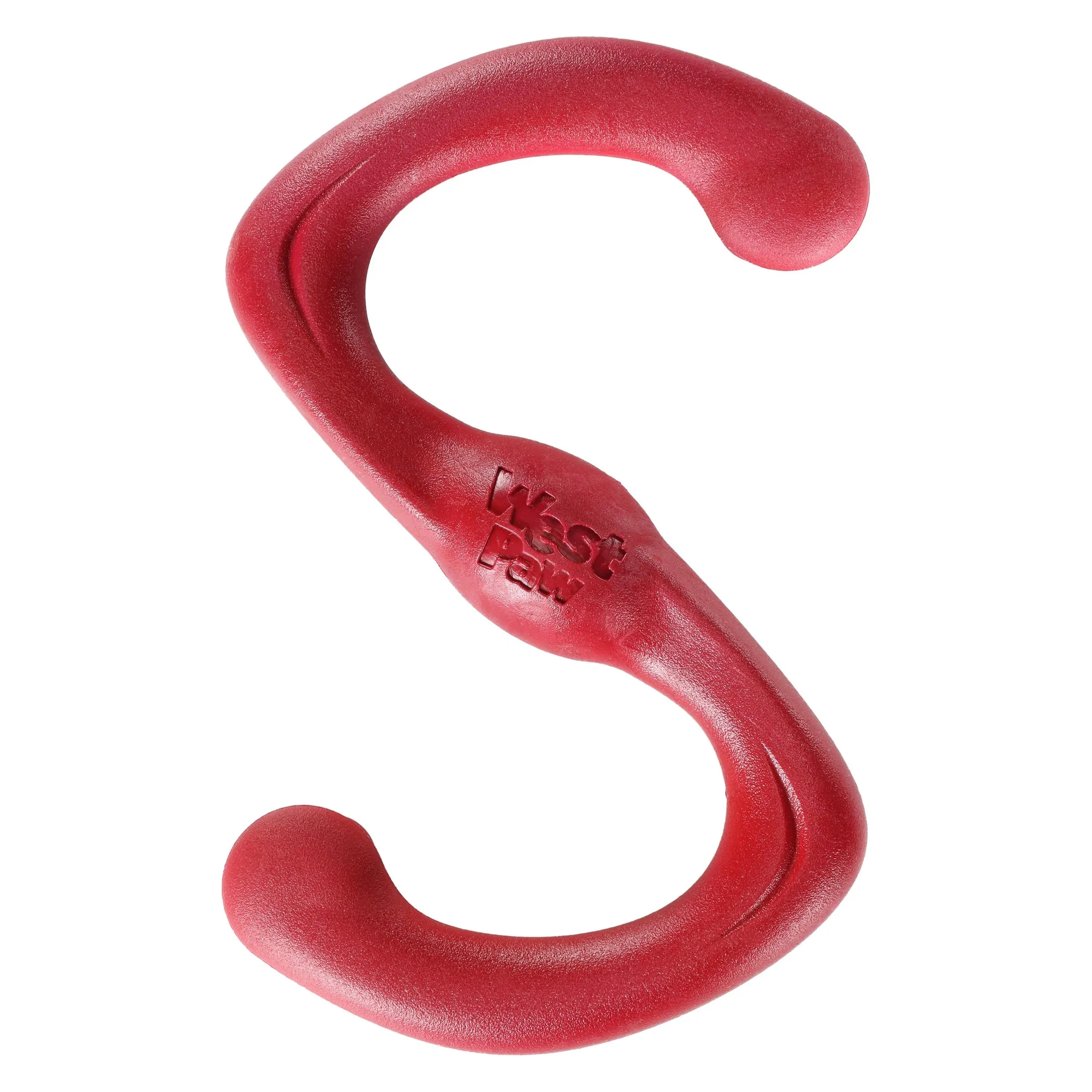
If your dog's grass eating is occasional and harmless, you may not need to intervene. However, if it becomes excessive, consider increasing physical activity and mental stimulation. Interactive toys and puzzle feeders can reduce boredom.
Review your dog's diet to ensure it meets nutritional needs. Adding safe, high-fiber vegetables like green beans or pumpkin (plain, not pie filling) to meals can help. Always introduce new foods gradually and consult your vet first.
Training can also help. Teach commands like 'leave it' to redirect attention. Reward your dog for ignoring grass and engaging in alternative activities like playing fetch.
- Use a basket muzzle during walks if grass eating is persistent and hard to control (with proper training).
- Create a designated digging or foraging area in your yard.
- Schedule regular vet check-ups to monitor digestive health.
Diagnosis Guide: When to Act
- Symptom: Dog occasionally eats grass without vomiting or distress. Likely normal behavior; monitor but no action needed.
- Likely Cause: Behavioral (boredom, instinct) or mild dietary fiber need. Increase exercise and mental stimulation; review fiber intake.
- Corrective Action: Provide safe chew toys, interactive feeders, and a balanced diet. Consider adding vet-approved fiber sources. If behavior persists or worsens, consult your vet.
- Stop Point: If your dog vomits frequently, shows signs of pain, or eats grass obsessively, stop home management and seek veterinary advice. Professional evaluation is necessary to rule out medical issues.
Products That Support Digestive Health
- Chicken Meaty Bites - Hypoallergenic Dog Treats: Real New Zealand Chicken as the #1 ingredient, responsibly raised and grown. If your dog eats grass due to food sensitivities, hypoallergenic treats like these can be a safer reward during training.
- Ostrich Chips with Butternut (2.5oz): The Flavorful, Hypoallergenic Treat for Dogs with Sensitive Stomachs: Made from 100% ethically sourced ostrich and infused with butternut squash, hypoallergenic and suitable for dogs with allergies. For dogs with digestive issues, these treats offer a novel protein source that may be easier on the stomach.
Most dogs eat grass without issues, but understanding the cause helps you respond appropriately. By observing your dog's habits, ensuring a safe environment, and providing proper nutrition and stimulation, you can manage this behavior effectively. Always consult your vet if you have concerns about your dog's health.