Quick answer
Dogs often dislike clothes because the fabric feels strange, the fit is uncomfortable, or they simply haven't been introduced gradually. Start by ruling out physical discomfort, then use positive reinforcement and short sessions to help your dog associate clothing with good things.
It's a familiar scene: you buy an adorable sweater, and your dog freezes, tries to wiggle out, or just stands there looking miserable. If your dog hates wearing clothes, you're not alone. Many pet parents face this challenge, but the good news is that most dogs can learn to tolerate—even enjoy—wearing outfits.
The key is to understand why your dog is reacting this way. Is it a sensory issue, a poor fit, or just a lack of experience? In this guide, we'll walk through the most common reasons for dog clothing anxiety and provide practical, step-by-step solutions to help your pup feel comfortable and confident in their new wardrobe.
Common Reasons Why Dogs Hate Clothes
Dogs experience the world differently than we do. Their fur is sensitive, and adding a layer of fabric can feel restrictive or itchy. For some dogs, the sensation of clothing triggers a 'flight' response—they want to get it off as quickly as possible. This is especially true for breeds with thick coats or those not used to wearing anything.
Another major factor is fit. If a piece of clothing is too tight around the chest or neck, it can cause discomfort or even restrict movement. Conversely, if it's too loose, it may slide around and annoy your dog. Dogs also pick up on our own anxiety; if you're stressed about getting the outfit on, your dog will sense it and become anxious too.
- Sensory sensitivity: Some dogs are more tactile-sensitive than others.
- Poor fit: Tight or loose clothing can cause physical discomfort.
- Lack of gradual introduction: Sudden exposure can overwhelm your dog.
How to Tell If It's a Fit Problem
Before you assume your dog just hates clothes, check the fit. Put the garment on and observe your dog's movement. Does the fabric bunch up under the legs? Is there a gap at the neck? Can you easily slip two fingers between the fabric and your dog's body? If not, it's too tight. If the garment slips around, it might be too big.
Measure your dog's neck, girth (chest), and length from the base of the neck to the base of the tail. Compare these to the size chart provided by the manufacturer. For example, Rororiri's dog clothing line offers detailed measurements for each size, ensuring a better fit. When in doubt, size up for comfort, especially if your dog is between sizes.
- Check for red marks or chafing after removing the garment.
- Watch for restricted movement—your dog should be able to walk and sit normally.
Step-by-Step Training to Get Your Dog Used to Clothes
Start by introducing the clothing item as a neutral object. Let your dog sniff it and reward calm behavior. Then, without putting it on, drape it over your dog's back for a few seconds while giving treats. Gradually increase the time and eventually fasten it, all while offering high-value rewards.
Keep the first few sessions short—just a few minutes at a time. Pair the clothing with activities your dog loves, like going for a walk or playing fetch. This creates a positive association. Never force your dog to wear clothes for extended periods; instead, build up tolerance slowly. Consistency is key: practice daily, but always end on a positive note.
- Use treats or a favorite toy as a reward during training.
- Start with a lightweight item like a tee before moving to heavier sweaters.
Choosing the Right Clothing to Minimize Resistance
The type of fabric and style can make a huge difference. Soft, breathable cotton is often more comfortable for dogs than stiff or scratchy materials. Look for clothing with minimal seams and tags that could irritate your dog's skin. Also, consider ease of putting on and taking off—items with simple closures are less stressful for both of you.
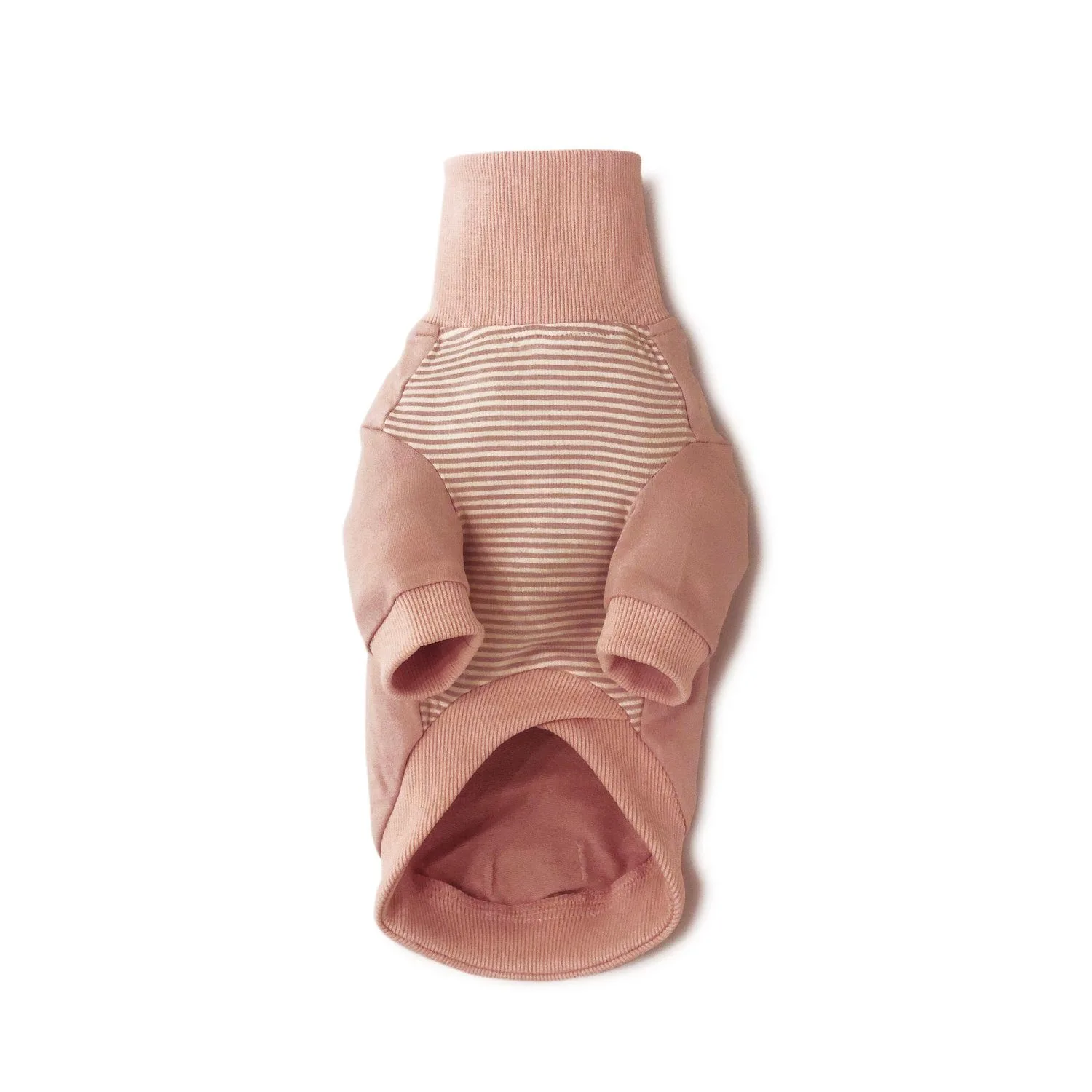
For dogs that are new to clothing, a simple cotton tee can be a great starting point. The Tee honey Light Yellow Cotton Dog Tee from Rororiri is made from soft cotton, which is gentle on the skin and allows for breathability. It comes in multiple sizes, so you can find the right fit. Similarly, the Tee Mabel offers a practical design with a wide range of sizes, making it easy to find a comfortable option for your pup.
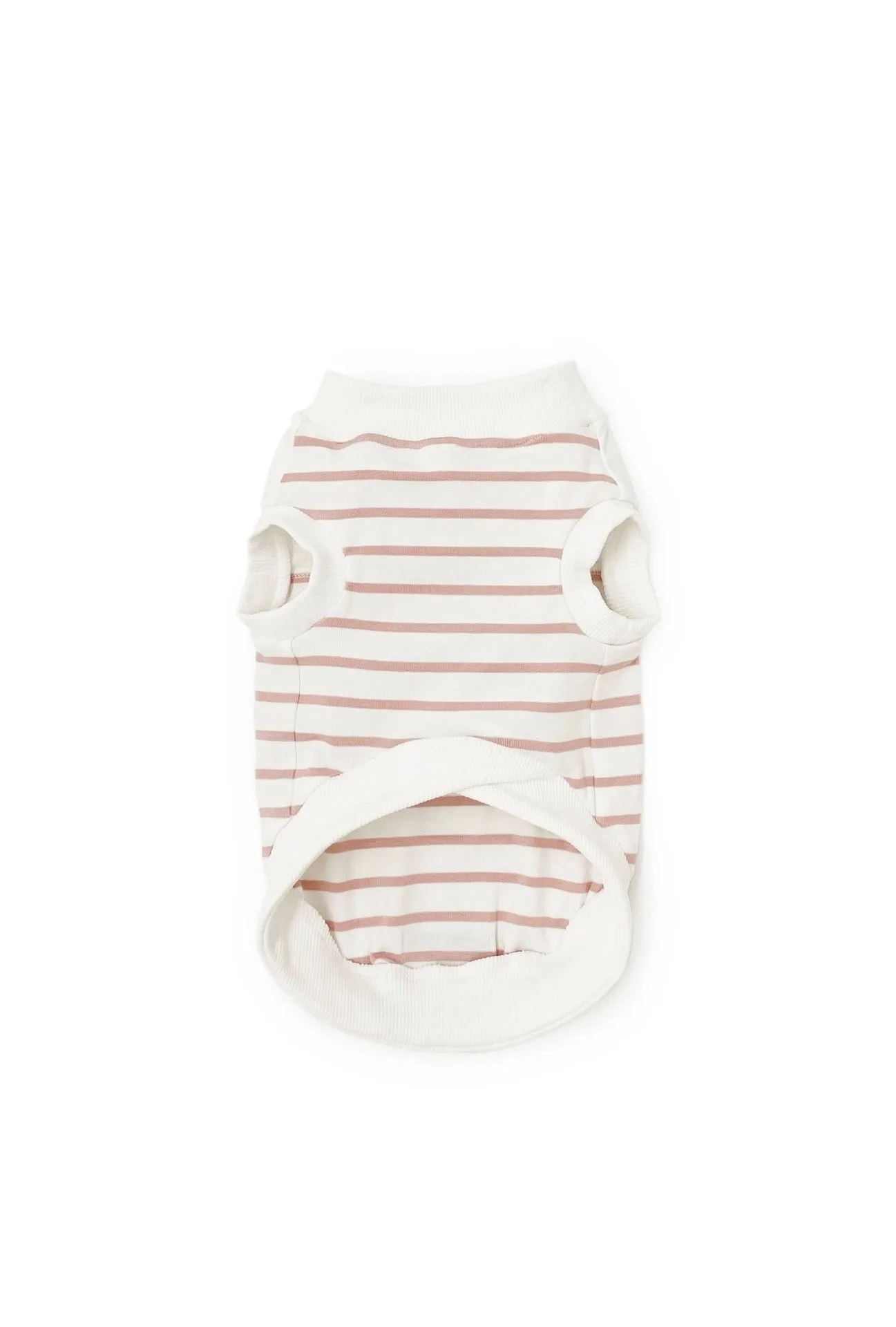
Tee Mabel
- Opt for natural fabrics like cotton over synthetic materials.
- Choose items with stretch for a better fit and easier movement.
Diagnosis: Why Your Dog Hates Clothes
- Symptom: Your dog freezes, tries to remove the clothing, or shows signs of stress like panting or drooling. Observe when the behavior occurs to identify triggers.
- Likely cause: Sensory sensitivity, poor fit, or lack of gradual introduction are the most common culprits. Check the fit first; then consider your dog's past experiences.
- Corrective action: Gradually desensitize your dog using positive reinforcement, and choose breathable, well-fitted clothing. Start with short sessions and reward calm behavior.
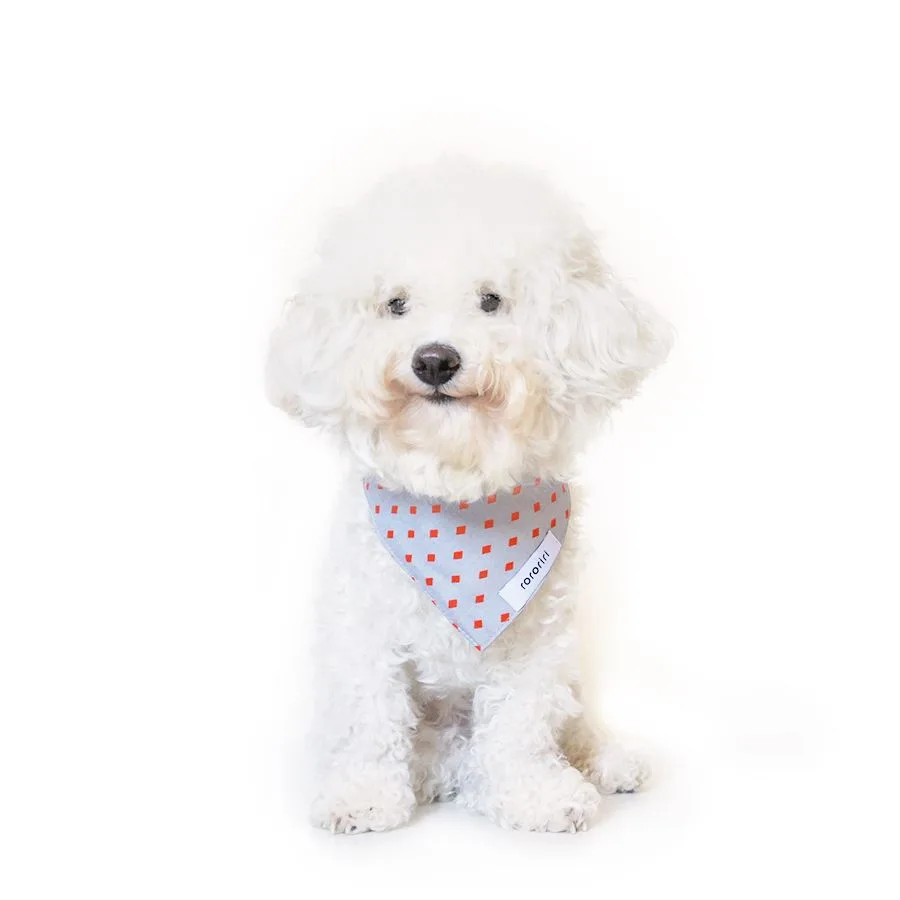
- When to stop or choose another option: If your dog shows extreme distress (growling, snapping, or attempts to bite) or if you've tried for weeks without improvement, consider whether clothing is necessary. Respect your dog's limits; sometimes alternatives like bandanas are a better choice.
Product Facts: What to Look For
- Tee honey Light Yellow Cotton Dog Tee: Made from cotton for a soft, breathable feel. Available in multiple sizes from XXS to L. Cotton is gentle on sensitive skin and breathable, which reduces the risk of irritation that can make your dog resist clothing.
- Tee Mabel: Available in eight sizes from XXS to L, with specific neck, girth, and length measurements for each size. A precise fit is crucial for comfort; when clothing doesn't pinch or slide, your dog is more likely to accept it.
Understanding why your dog hates wearing clothes is the first step to solving the problem. By checking the fit, choosing the right fabric, and training gradually, you can help your dog feel more at ease. Remember, patience and positive reinforcement are your best tools. With time, your pup might even start to enjoy their stylish new outfits.