Quick Answer
Dogs pull on the leash primarily because walking forward is naturally rewarding—they want to sniff, explore, and move faster than you do. The fix is a mix of equipment that doesn't trigger their opposition reflex and consistent training that makes staying close more rewarding than pulling ahead.
Why Pulling Is a Natural Behavior
Dogs don't pull to be stubborn. They pull because moving forward is inherently reinforcing. Every step toward a scent, another dog, or a new corner releases a small reward in their brain. When the leash tightens, many dogs actually feel more pressure to lean into it—this is called the opposition reflex, and it's the same reflex that helps them brace against wind or navigate uneven ground.
The key insight is that pulling isn't defiance. It's a mismatch between what your dog's body wants to do and what the leash allows. Understanding this reframes the problem from a training battle to a design and communication challenge.
Equipment That Works With Your Dog, Not Against It
Standard collars can trigger the opposition reflex and put pressure on the trachea, making pulling more likely and less comfortable. A well-fitted harness with a front clip or a traction attachment can change the physics of pulling. For example, the https://sakercaninefpz.com/products/es-2006-aeb71f43a7a4e2af0cf4dd84-515038https://sakercaninefpz.com/products/pl-2006-91e1836f57645a78363f6044-515041https://sakercaninefpz.com/products/00-2006-3e164481b99dbfc958394a4a-515042https://sakercaninefpz.com/products/tg-2006-11de15b9f2e4d24e7a542380-515045Traction 001 is designed for dogs that love to pull uphill—it clips onto the Muse Harness and distributes weight evenly, so your dog can assist on climbs without pressure on the throat. Use it for the ascent, remove it for the descent.
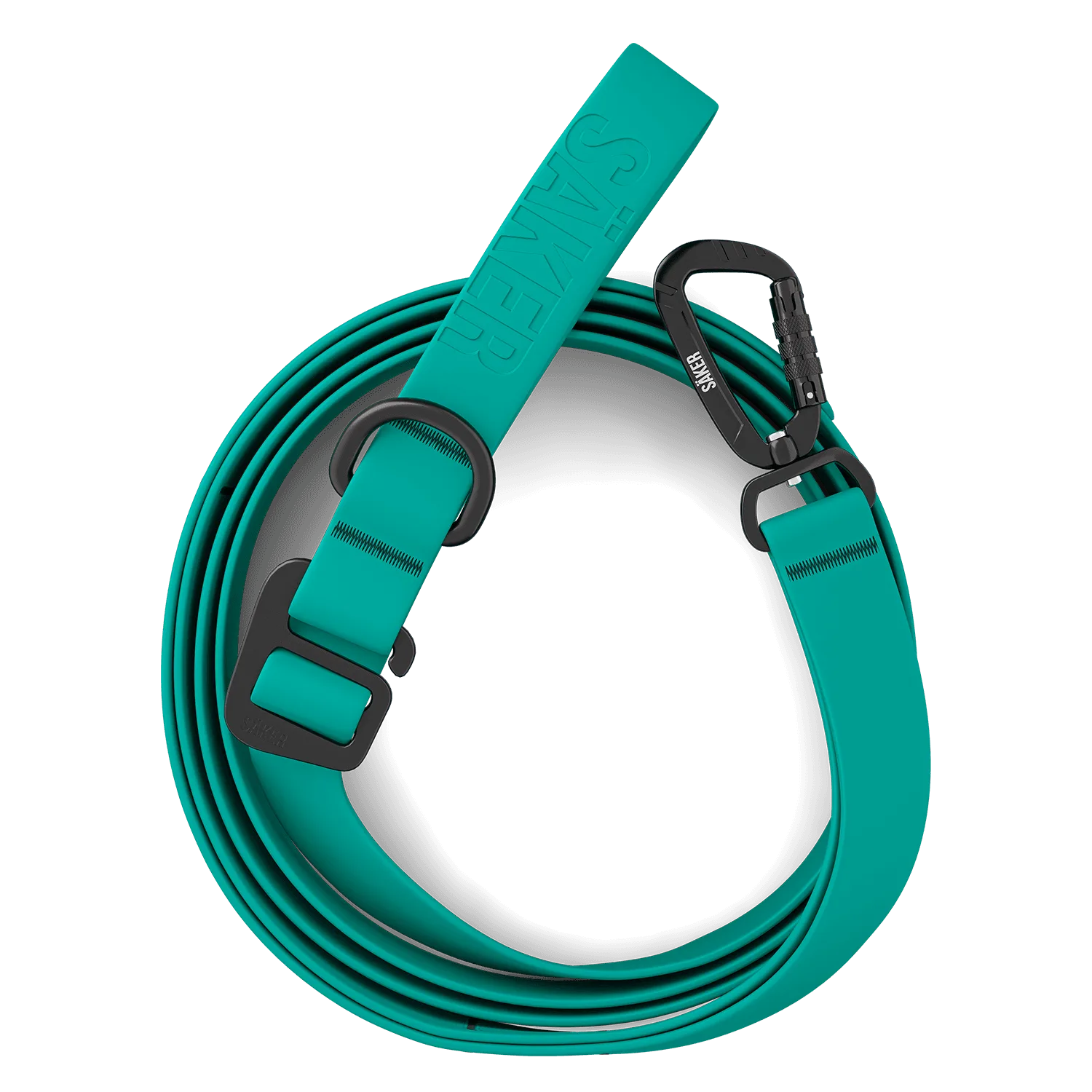
On flat ground, a leash that gives you control without adding weight or drag matters. The Kelp™ Leash is fully waterproof and adjustable, so it moves with you in any weather. Its sleek design won't tangle or weigh your dog down, which means fewer distractions and more focus on walking beside you.
Training Techniques That Address the Root Cause
The most effective training methods teach your dog that staying close pays off better than pulling. Start by rewarding any slack in the leash with a treat or praise. When your dog pulls, stop walking and wait until they return to your side or loosen the leash—then move forward again. This teaches that pulling actually slows things down.
Another approach is to change direction frequently. If your dog pulls ahead, turn and walk the other way. This keeps your dog's attention on you rather than on what's ahead. Consistency is more important than duration: short, frequent sessions (5–10 minutes) work better than long walks where pulling is allowed to happen.
When to Consider a Different Tool or Approach
If your dog is a strong puller and you've tried consistent training without progress, a traction attachment or a front-clip harness can give you more mechanical advantage without causing pain. The Traction 001 is one option for dogs that enjoy pulling uphill—it lets them help you on climbs while keeping the load off their neck.
For dogs that pull due to fear or reactivity (lunging at other dogs or people), the solution is not more equipment but behavior modification. In those cases, work with a certified trainer who uses positive reinforcement. No tool replaces addressing the underlying emotion.
Diagnosis: Is Your Dog's Pulling Normal or a Problem?
- Symptom: Dog pulls constantly, even on short walks: Likely cause: The dog finds forward movement more rewarding than staying close. The leash may be triggering the opposition reflex. Try stopping every time the leash tightens and only moving forward when it's loose. If no improvement in two weeks, consider a different harness or leash setup.
- Symptom: Dog only pulls toward specific triggers (other dogs, squirrels, people): Likely cause: Reactivity or high prey drive. The pulling is a symptom of emotional arousal, not just a walking habit. This requires behavior modification, not just equipment changes. Work with a positive-reinforcement trainer. A front-clip harness can help manage the pulling in the meantime.
- Symptom: Dog pulls hard on uphills but walks fine on flat ground: Likely cause: Your dog is trying to help you climb. Many dogs naturally lean into the harness on ascents. This is the one case where pulling can be channeled productively. A traction attachment like the Traction 001 lets your dog assist safely without neck pressure.
Products That Help With Leash Pulling
- Traction 001: Power up the climb. Designed for those who embrace the uphill grind, this traction attachment lets your dog assist you on the ascent—whether you're hiking or touring. Easily installed on the Muse Harness, it ensures even weight distribution, preventing pressure on the trachea for safe, comfortable pulling. Clip it on for the climb, remove it for the descent. If your dog pulls on uphills, this attachment turns pulling into a cooperative activity instead of a tug-of-war, while protecting the trachea from pressure.
- Kelp™ Leash: Sleek, strong, and impervious to the elements, the Kelp™ leash is a master of versatility. Fully waterproof and effortlessly adjustable, it moves with you—where adaptability and durability flow as one. A waterproof, adjustable leash reduces tangles and weather-related distractions, helping both you and your dog focus on loose leash walking.