Quick Answer
Most dogs pull because the leash has become a cue to move forward, not a cue to stay near you. Fix the mechanics first: use a harness that distributes pressure, reward the position you want, and stop walking the moment the leash goes tight. If your dog still pulls after two to three weeks of consistent loose leash walking practice, switch to a no-pull harness setup and get a trainer's eyes on your timing.
The Real Reasons Dogs Pull
Leash pulling is rarely defiance. It is usually one of four things: reinforcement history, discomfort, arousal, or confusion. If every walk has taught your dog that tension equals forward motion, pulling is simply the behavior that works. If the collar or harness presses on the throat or rubs the shoulders, your dog may lean away from the pressure. High-arousal environments like busy streets or dog parks push even trained dogs into pulling. And if your cues are inconsistent, your dog never learns which position actually earns rewards.
Rule out pain before you train. A sudden change in pulling, especially with head shyness, limping, or reluctance to turn one direction, deserves a vet check. Once health is clear, treat pulling as a training and equipment problem, not a personality flaw.
Fixes That Actually Change the Behavior
Start with a reward marker and a clear picture of where you want your dog. Pick one side, usually the left, and reward any moment your dog's shoulder is beside your leg. Feed the treat at your seam, not in front of your face, so your dog learns the position rather than the hand. Practice in a low-distraction space first, then add one variable at a time: a new street, a parked car, a distant dog.
Change direction before the leash goes tight. If you wait for a hard pull, you are rehearsing the pull. The moment you feel tension, stop or turn. This is the core of loose leash walking: the walk only continues when the leash is slack. Keep sessions short, five to ten minutes, and end on a success. For dogs who are already strong pullers, a front-clip or pressure-distributing harness gives you leverage while you retrain the behavior.
When to Stop and Choose a Different Tool
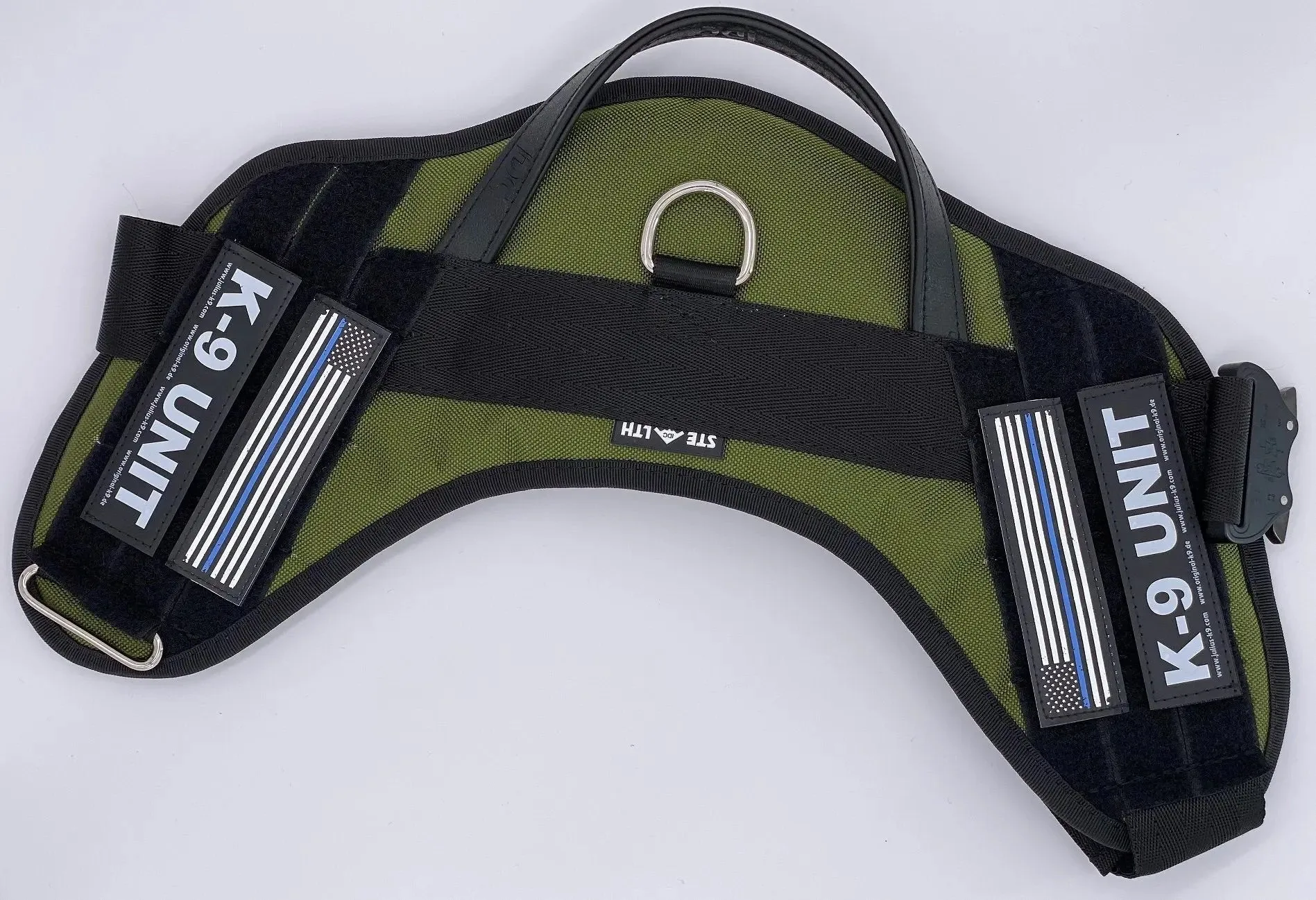
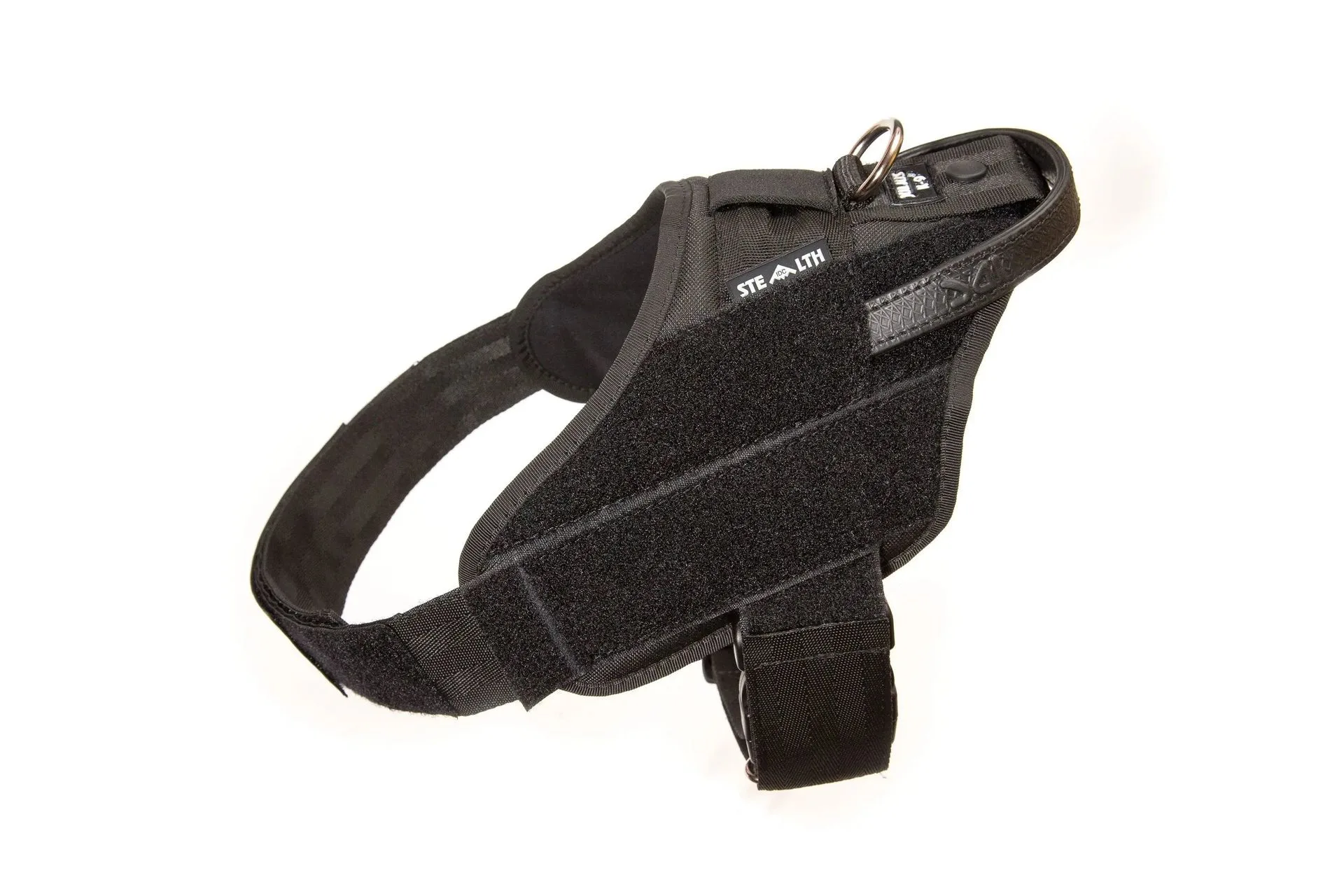
If your dog is coughing, gagging, or backing out of a collar, stop using neck pressure today. Flat collars and choke chains concentrate force on the throat, which is the wrong place for a dog that already pulls. Switch to a harness with a chest strap that spreads load across the ribcage and leaves the neck free. The Julius-K9® IDC® Powerharness uses a pressure-distributing chest strap and a top handle, which gives you instant control on stairs or in traffic without adding neck strain. It also has a one-click buckle, so you can get it on and off quickly during training repetitions.
If your dog still pulls after three weeks of daily, consistent practice, or if you feel unsafe walking, stop trying to out-train the problem alone. Book a session with a force-free trainer who can watch your timing and your dog's body language. Equipment and training work together; neither replaces the other.
Diagnosis: Symptom, Cause, Action
- Leash goes tight the moment you step outside: Your dog has learned that tension predicts forward motion. The environment is more rewarding than you are. Stop walking when the leash tightens. Reward the first step back into position. Repeat in a quiet space before adding distractions.
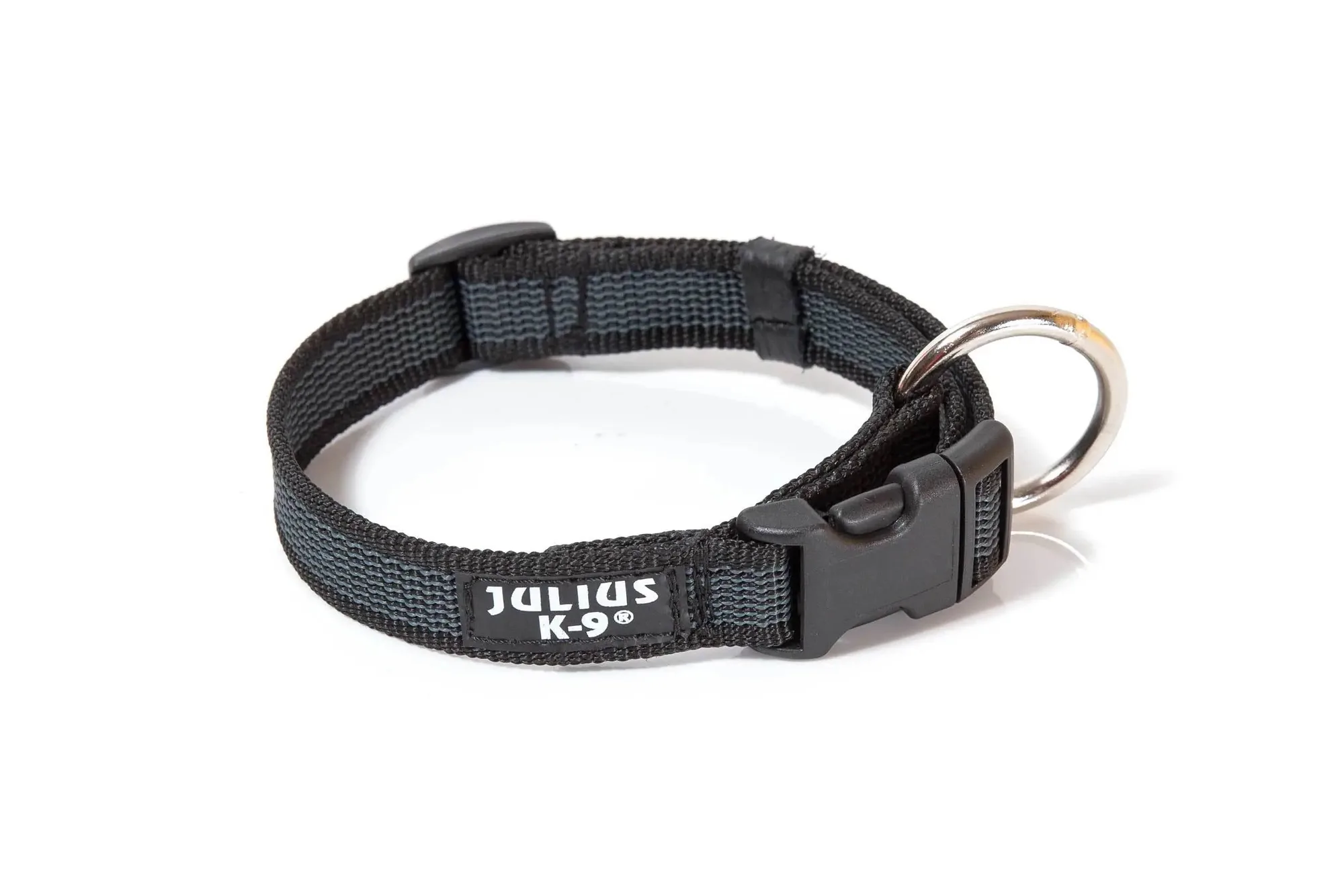
- Dog leans sideways or coughs on a collar: Neck pressure is uncomfortable and can damage the trachea. The dog is pulling away from the pressure, not toward the walk. Switch to a harness with a chest strap that distributes load across the ribcage. Stop collar-based corrections.
- Pulling only around other dogs or on busy streets: Arousal, not disobedience. Your dog is over threshold and cannot hear cues. Increase distance from the trigger, practice loose leash walking at a distance where your dog can still take treats, and close the gap gradually.
- No improvement after three weeks of daily practice: Your timing, reward placement, or criteria may be unclear, or the environment is too distracting for the current training stage. Stop and get a force-free trainer to observe one session. Do not add aversive tools to fix a mechanics problem.
Product Facts
- Julius-K9® IDC® Powerharness: The Julius-K9® IDC® Powerharness is a premium dog harness crafted in Europe from durable German materials, with a one-click buckle, a pressure-distributing chest strap, a top handle, and reflective elements. The chest strap spreads load away from the throat, the top handle gives immediate control in tight spots, and the one-click buckle makes repeated training reps faster.
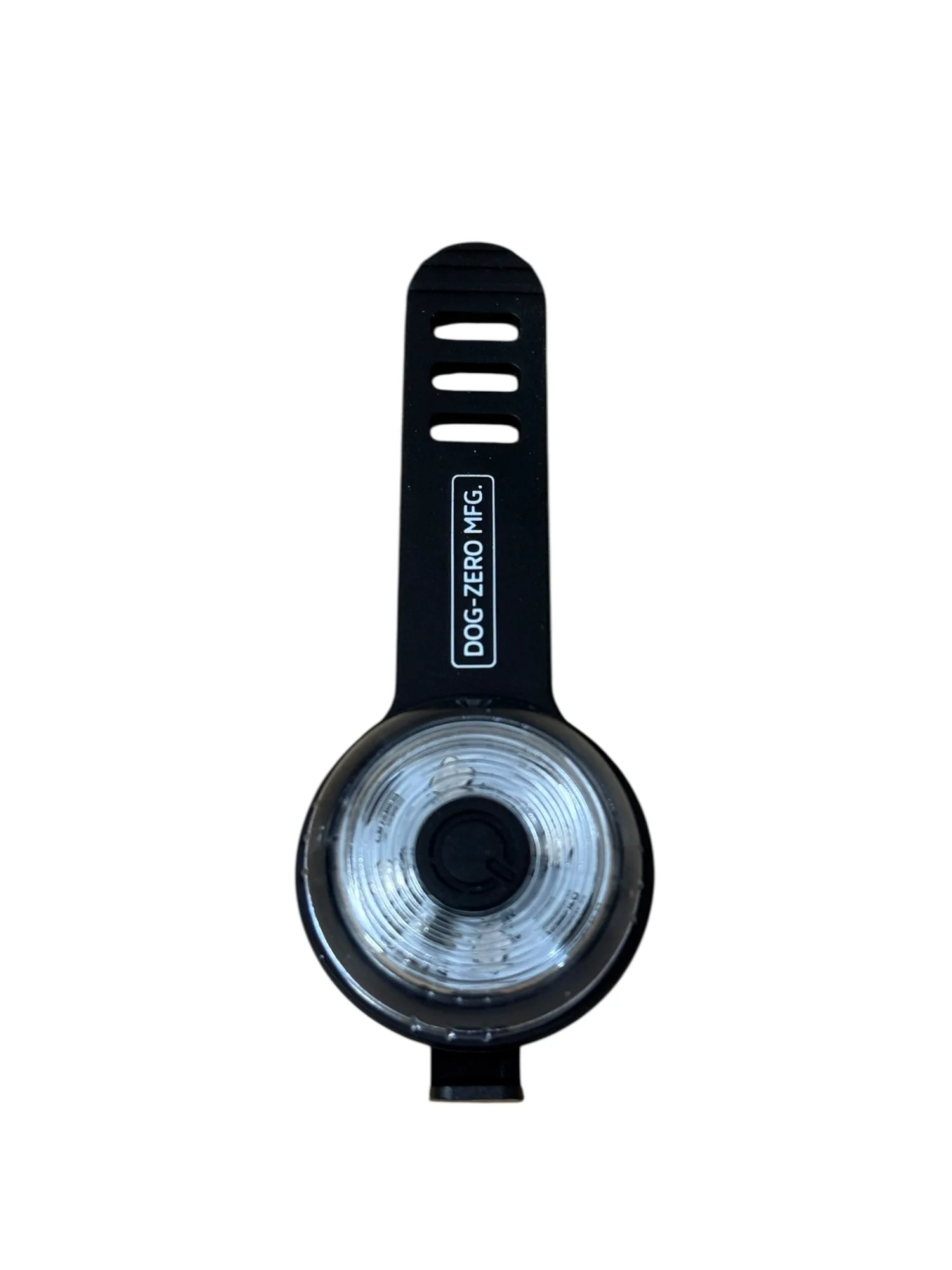
- LED Pet Safety Light: The LED Pet Safety Light is IPX6-rated, clips onto any collar, harness, or leash, and throws a 360° glow visible from up to 50 m / 165 ft, running up to 50 hours. If your loose leash walking practice happens at dawn or dusk, visibility keeps you and your dog safe while you focus on training rather than traffic.