Quick answer
Dogs pull on the leash primarily because they move faster than we do and pulling gets them where they want to go. The fix involves consistent loose-leash training and, when needed, gear that discourages pulling without causing discomfort.
Why pulling becomes a habit
Pulling is a natural dog behavior, not defiance. Dogs walk at a faster pace and naturally resist pressure. When a leash tightens, many dogs reflexively pull harder—this is called opposition reflex. Over time, pulling becomes a learned habit because it works: the dog reaches the interesting smell or the park faster. The key is to break that reward cycle.
Common triggers include excitement before walks, seeing other dogs or people, and a high prey drive. Some dogs also pull because their collar or harness is uncomfortable and they're trying to escape the pressure. Identifying the specific trigger helps you choose the right training approach.
Training fixes that work
Start by teaching your dog that a loose leash pays off. Stop walking the moment the leash tightens. Wait for even a second of slack, then reward by moving forward. This 'be a tree' method is simple but requires patience. Practice in low-distraction areas first, then gradually add challenges.
Another effective technique is changing direction. When your dog pulls, turn and walk the other way. This teaches your dog to watch you rather than forge ahead. Keep sessions short—five to ten minutes—and end on a success. Consistency matters more than duration.
When gear can help
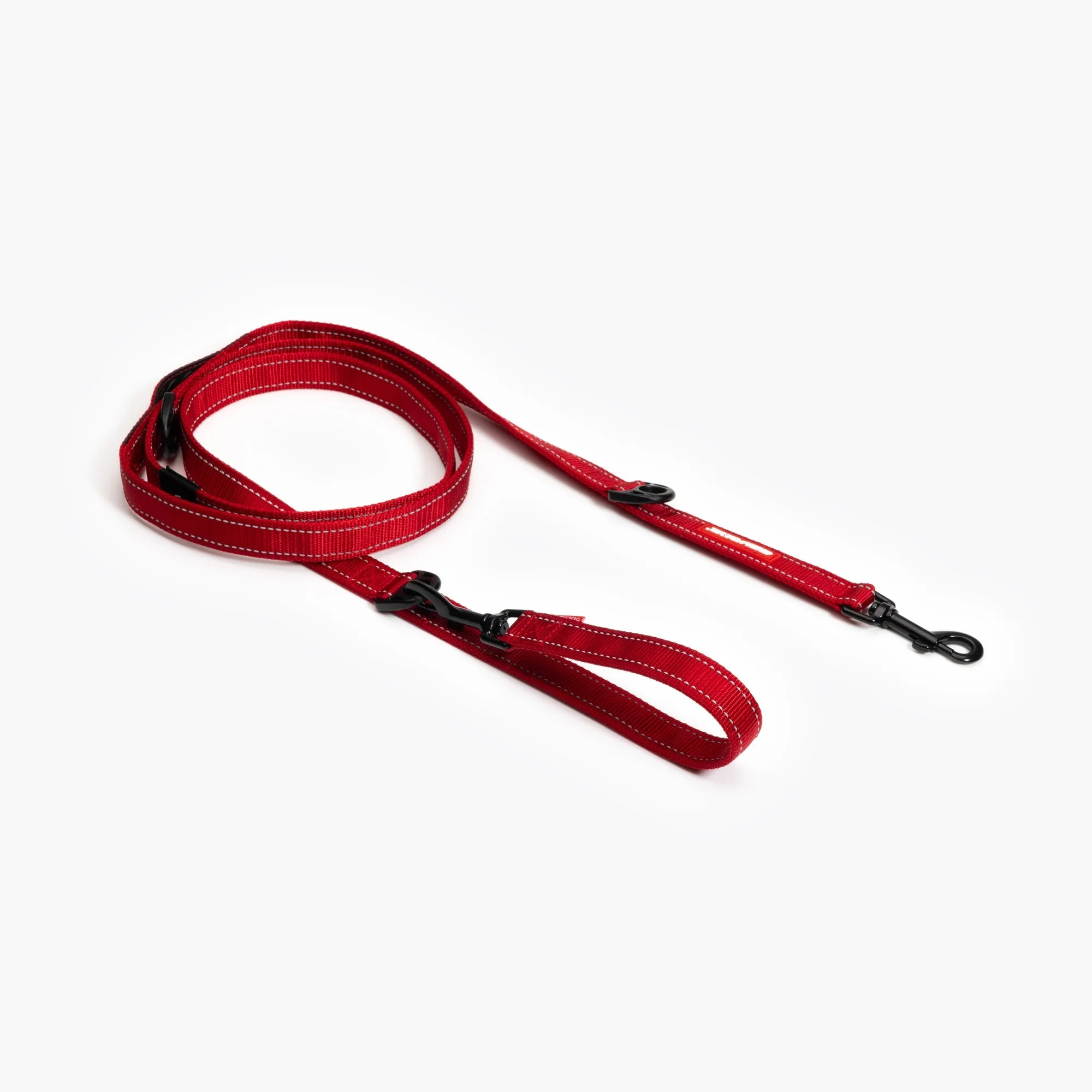
Training alone may not be enough for strong pullers or dogs with high drive. In those cases, the right leash can make a real difference. A multi-function leash like the VARIO 6 gives you several control options in one tool: you can shorten the leash for traffic safety, use it hands-free for jogging, or switch to a standard walking length. This flexibility helps you manage pulling without switching equipment.
If you walk two dogs at once, the Double Dog Solution with a 24-inch extension is designed to prevent tangles, which reduces frustration for both you and your dogs. A tangle-free walk means less stopping and less opportunity for pulling to escalate.
Diagnosis: Is your dog pulling or something else?
- Symptom: Dog lunges forward as soon as the leash is clipped on, and keeps tension on the leash throughout the walk. This is classic pulling, not aggression or fear.
- Likely cause: The dog has learned that pulling gets them where they want to go faster. Opposition reflex makes them pull harder when the leash tightens. Pulling is a learned behavior, not a personality flaw.
- Corrective action: Use the 'be a tree' method: stop every time the leash tightens, wait for slack, then reward by walking. Pair this with a leash that gives you quick length adjustments, like the VARIO 6. Consistency over several weeks is key. Expect setbacks.
- When to consider a different approach: If your dog continues to pull after 4-6 weeks of consistent training, or if pulling causes you to lose control near traffic, add a no-pull harness or consult a professional trainer. Safety comes first. A multi-function leash can help, but some dogs need hands-on guidance.
Gear that supports no-pull training
- VARIO 6™ Multi-Function Leash: The VARIO 6 multi-function snap hook leash performs six dog controlling actions including leash shortening, traffic control and a hands-free dog leash feature. You can adjust the leash length on the fly to discourage pulling in different situations, and the hands-free mode helps during training runs.
- Double Dog Solution - Cujo W/2 - 24" Extension: The EzyDog two dog leash is designed to be completely hassle-free. This dual dog leash system ensures a tangle-free walk every time. Tangled leashes create tension that encourages pulling. A tangle-free system lets you focus on training both dogs at once.