Quick answer
A dog that refuses to enter the crate is usually reacting to a negative experience, physical discomfort, or a lack of gradual introduction. Start by ruling out pain or fear, then rebuild positive associations using high-value rewards and short, pressure-free sessions.
Common reasons your dog avoids the crate
The most frequent cause is a single scary event — a door that slammed, a loud noise while inside, or being locked in too long. Dogs have excellent memories for negative experiences, and one bad moment can undo weeks of training.
Physical discomfort is another overlooked reason. The crate may be too small, too hot, or lack proper bedding. If your dog has joint pain or an injury, lying on a hard plastic pan can be genuinely painful.
Separation anxiety can also show up as crate refusal. The dog associates the crate with being left alone and feels trapped. In these cases, the refusal is about the separation, not the crate itself.
How to safely reintroduce the crate
Never force your dog into the crate or use it as punishment. That will deepen the fear. Instead, remove the door or prop it open and let your dog explore at their own pace.
Place high-value treats, a favorite toy, or a meal inside the open crate. Start with the dog just putting their head in, then reward. Gradually increase the time they spend inside with the door open.
Once your dog is comfortable entering freely, close the door for one second, then open it immediately. Slowly extend the time. Always end on a positive note before your dog shows stress.
When to consider a different approach
If your dog has been crate trained before and suddenly refuses, a vet check is wise to rule out pain or illness. If the refusal is part of general anxiety, a certified trainer or behavior consultant can help.
For some dogs, the crate is never a comfortable space. In those cases, a secure pen or a dog-proofed room may be a better confinement option. The goal is safety and comfort, not a specific piece of equipment.
Diagnosis: Is your dog refusing the crate?
- Symptom: Your dog backs away, whines, or tucks tail when you approach the crate. They may also try to escape as soon as they are inside. This is a clear sign of fear or discomfort, not stubborness.
- Likely cause: A past negative experience (loud noise, being locked in too long), physical pain (joints, crate too small), or separation anxiety. Observe when the refusal started and what changed in your routine or the dog's health.
- Corrective action: Remove pressure entirely. Use high-value rewards, leave the door open, and build up from one-second closures. Pair crate time with positive activities like eating or chewing a stuffed toy. Go at your dog's pace. If you see stress, take a step back.
- When to stop or choose another option: If after several weeks of gentle reintroduction your dog still shows extreme fear, or if the refusal is part of broader anxiety, stop crate training and use a pen or dog-proofed room instead. A crate is a tool, not a requirement. Your dog's well-being comes first.
Helpful products for crate training on the go
- Portable Food & Water Dog Bowl Set: The Portable Food & Water Dog Bowl Set is made from extra-tough, durable material with a PVC backing, designed for travel and training sessions. Using a familiar bowl with your dog's favorite food or water inside the crate can create a strong positive association. The durable, lightweight design makes it easy to use during short, positive crate sessions anywhere.
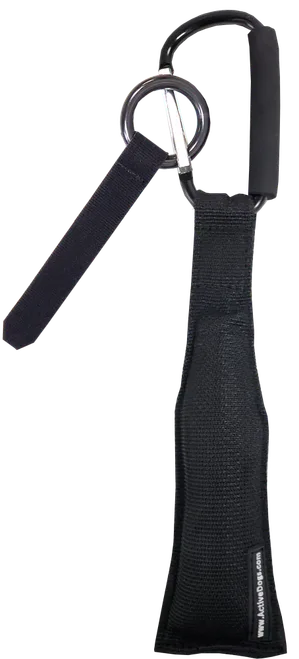
- Dog Collar Storage Pouch: The Dog Collar Storage Pouch is made from 1000 denier nylon/urethane coated fabric and has a reflective strip for safety. It slips through the dog's collar and moves freely. If you need to carry treats or small rewards while working on crate training, this pouch keeps your hands free and your supplies accessible. The reflective strip also adds visibility during evening training walks.