Quick answer
Your dog’s bowl tips over most often because of an unstable base, a slippery floor, or an enthusiastic eater. Choose a bowl with a non-slip base and consider a slow feeder design to reduce tipping and mess.
Why a non-slip base matters
A bowl that slides across the floor is more likely to tip, especially if your dog eats quickly or nudges the bowl with their nose. A non-slip base grips the floor, keeping the bowl in place so your dog can eat without chasing it around.
Look for bowls with rubber or silicone bases that provide traction on hard surfaces like tile, wood, or concrete. This simple feature can eliminate the most common cause of tipping.
How slow feeders help
Slow feeder bowls are designed with ridges or patterns that make your dog work for their food, slowing down their eating. This not only aids digestion but also reduces the frantic head movements that can knock a bowl over.
If your dog is a gulper, a slow feeder bowl can turn mealtime into a puzzle, keeping them engaged and less likely to tip the bowl in excitement.
When to choose a different bowl design
If your dog is a heavy chewer or tends to pick up and carry their bowl, a heavy, wide-based bowl may be more stable than a lightweight slow feeder. Consider your dog’s specific habits before buying.
For dogs with flat faces, a shallow bowl may be more comfortable, but it might also be easier to tip. Weigh the trade-offs between ease of eating and stability.
Diagnose and fix your dog’s tipping bowl
- Symptom: Your dog’s bowl tips over during meals, spilling food or water on the floor. Observe when the tipping happens—at the start, middle, or end of the meal.
- Likely cause: The bowl lacks a non-slip base, the floor is slippery, or your dog eats too quickly and knocks the bowl. Check if the bowl slides easily on your floor; this often indicates a stability issue.
- Corrective action: Switch to a bowl with a non-slip base, like the Basecamp™ Dog Bowl, or use a slow feeder bowl to slow down eating and reduce frantic movements. If the bowl still tips after switching, consider a heavier or wider bowl for added stability.
- When to stop or choose another option: If your dog has a medical condition affecting eating or if the tipping is due to a physical issue, consult your vet before changing bowls. For dogs that chew or carry bowls, choose a heavy, chew-resistant bowl instead of a slow feeder.
Products that help
-
Basecamp™ Dog Bowl: The Basecamp™ Dog Bowl features a non-slip base and an ergonomic shape for easy grab-and-go, plus sound-dampening technology. The non-slip base keeps the bowl in place during enthusiastic eating, reducing the chance of tipping, and the sound-dampening feature makes mealtime quieter.
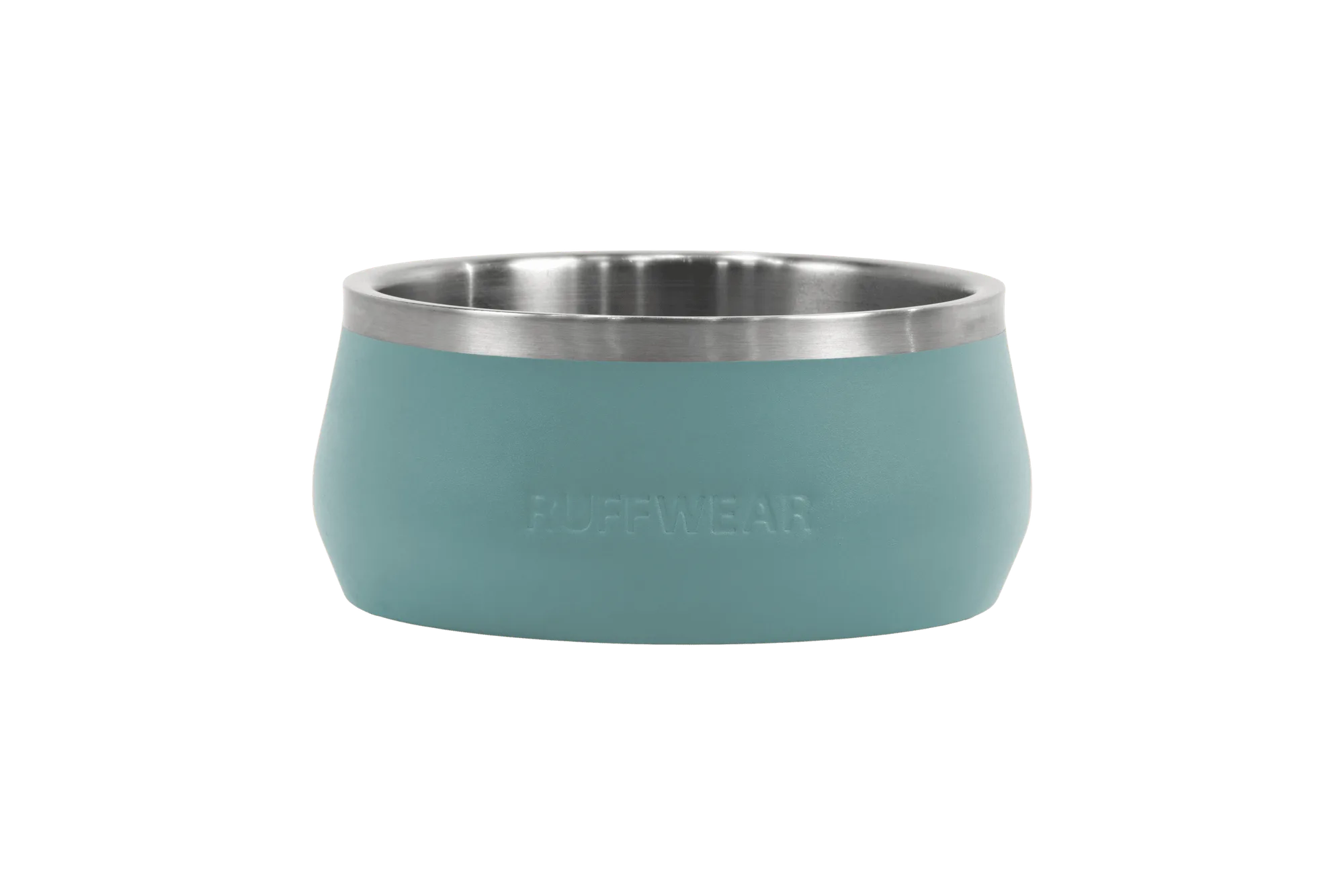
Basecamp™ Dog Bowl