Quick Answer
Garlic press odors and stains come from garlic's sulfur compounds and acidic juices that cling to metal and plastic. To remove them, rinse immediately after use, soak in a baking soda solution, and scrub with a soft brush. For stubborn stains, use a paste of baking soda and water or a diluted vinegar solution. Avoid harsh abrasives that can scratch the surface.
Few kitchen tools are as indispensable as a garlic press, but they come with a notorious downside: lingering smells and unsightly stains. If you've ever pressed a clove and then noticed your press reeks of garlic even after washing, you're not alone. This guide explains why garlic presses retain odors and stains and provides practical solutions to keep yours fresh and clean.
The problem isn't just aesthetic; residual garlic can affect the taste of other foods if you use your press for different ingredients. Understanding the science behind the smell and adopting a consistent cleaning routine will extend the life of your press and ensure it's always ready for your next recipe.
Why Garlic Presses Smell and Stain
Garlic contains sulfur compounds, particularly allicin, which is released when the cloves are crushed. These compounds are volatile and can easily bind to the surfaces of your press, especially if it's made of metal or certain plastics. The acidic juices from garlic can also cause discoloration, especially on aluminum or uncoated steel.
Another factor is the design of the press itself. The small holes and crevices where garlic passes through are perfect hiding spots for residue. If you don't clean your press thoroughly after each use, the dried garlic becomes harder to remove and can lead to persistent odors and stains.
- Always rinse your garlic press immediately after use to prevent residue from drying.
- Disassemble your press if possible to clean all parts thoroughly.
Immediate Cleaning Steps After Each Use
The best way to avoid stubborn garlic smells is to clean your press right after using it. Start by rinsing it under hot water to remove any loose garlic bits. Then, use a small brush, like a toothbrush, to gently scrub the holes and crevices. This simple step can prevent most odor and stain buildup.
For a deeper clean, you can soak the press in warm soapy water for a few minutes before scrubbing. Avoid using abrasive scrubbers or steel wool, as they can scratch the surface and create more places for garlic to hide.
- Use a dedicated brush for cleaning your garlic press to avoid cross-contamination.
- Dry your press completely after washing to prevent water spots and rust.
Removing Stubborn Odors and Stains
If your garlic press already has a lingering smell or visible stains, a simple wash may not be enough. One effective method is to create a paste using baking soda and water. Apply the paste to the affected areas, let it sit for 10-15 minutes, then scrub gently and rinse. Baking soda is a mild abrasive that helps lift stains without damaging the surface.
Another option is to soak the press in a solution of equal parts white vinegar and water for about 30 minutes. Vinegar is acidic and can help break down the sulfur compounds. After soaking, rinse thoroughly and wash with soap. For metal presses, ensure you dry them immediately to prevent any vinegar-induced corrosion.
- For tough stains, sprinkle baking soda directly on the press and scrub with a damp sponge.
- Lemon juice can also be used as a natural deodorizer; rub it on the press and rinse.
Preventive Measures and Maintenance
To minimize garlic odor and stains, consider using a garlic press with a non-stick coating or one that is dishwasher safe. However, even with such features, hand washing is often recommended to extend the life of the tool. Additionally, applying a thin layer of cooking oil to the press after cleaning can create a barrier that repels garlic juices.
Regular maintenance also involves checking for any rust or wear. If you notice rust spots, they can be removed with a paste of baking soda and water, but if the rust is extensive, it might be time to replace the press. Keeping your garlic press in good condition ensures it remains effective and hygienic.
- Store your garlic press in a dry place to prevent moisture buildup.
- If your press is made of aluminum, avoid soaking it for long periods to prevent pitting.
Diagnosis: Why Your Garlic Press Smells and How to Fix It
- Symptom: Your garlic press retains a strong garlic smell even after washing, and you may notice yellow or brown stains on the surface, especially around the holes. Recognize that this is a common issue due to garlic's sulfur compounds.
- Likely Cause: Residue left in the small holes and crevices of the press, combined with the acidic nature of garlic juice, leads to odor and staining. Inadequate cleaning after each use exacerbates the problem. Identify the cause to choose the right cleaning method.
- Corrective Action: Immediately rinse and scrub your press after use. For existing odors, use a baking soda paste or vinegar soak. For stains, gently scrub with a non-abrasive cleaner. Follow these steps to restore your press to a clean state.
- When to Stop or Replace: If the smell persists after multiple deep cleanings, or if the press shows signs of rust or damage, it may be time to replace it. Continuing to use a compromised press can affect food quality. Consider investing in a new garlic press if cleaning no longer works.
Related Westmark Products for Your Kitchen
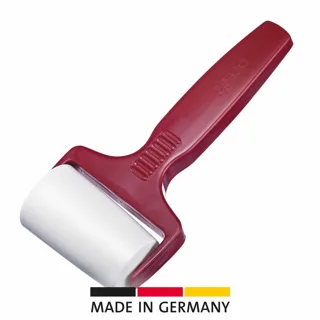
- Baker's blade: This Baker's blade from Westmark is a practical tool for your kitchen, designed to assist with cutting and dividing dough. Its straightforward construction makes it a handy addition to your baking essentials. While not directly related to garlic presses, this tool is useful for dough preparation, which often involves garlic-infused ingredients like pizza or bread.
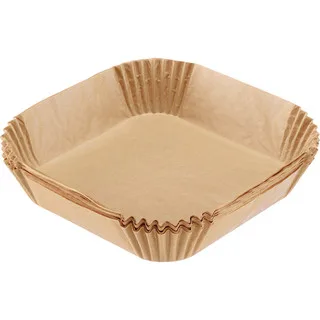
- Baking paper f. air fryer »Square mini« , 100 pcs: Westmark's Baking Paper for Air Fryer 'Square mini' comes in a convenient pack of 100 sheets, designed to fit your mini square air fryer. These disposable papers help keep your air fryer clean while you cook. Using baking paper can reduce the need for cleaning greasy tools, helping you maintain a fresh kitchen environment.
By understanding why garlic presses smell and implementing a consistent cleaning routine, you can keep your press fresh and ready for use. For other kitchen tools that require easy maintenance, explore Westmark's range of practical accessories, such as the Baker's blade, which simplifies dough preparation and is easy to clean. Remember, a clean kitchen is a happy kitchen!