Quick Answer
Handmade soap melts faster than commercial bars because it contains natural glycerin and fewer synthetic hardeners. To slow melting, keep your soap dry between uses, store it in a well-drained dish, and cut bars into smaller pieces. Following these soap care tips can significantly extend soap life.
If you've noticed your handmade soap shrinking after just a few showers, you're not alone. Many users wonder why their natural bars seem to disappear quickly. The answer lies in how handmade soap is crafted and how you store it.
Unlike mass-produced soaps that often contain additives to harden them and reduce glycerin content, handmade soaps retain more glycerin, a humectant that attracts moisture. This makes them wonderfully moisturizing but also prone to melting when left in water. The good news: a few simple adjustments can make your bars last much longer.
Common Causes of Fast-Melting Handmade Soap
High glycerin content: Handmade soaps naturally produce glycerin during saponification. Many commercial manufacturers extract glycerin to sell separately, but artisan soaps keep it, which draws water from the air and makes the bar soften if not kept dry.
Soft oils: Soaps made with a high percentage of soft oils like olive, sunflower, or soybean oil (as in the Peppermint Tea Tree Exfoliate Soap) create a creamier, milder bar that dissolves faster than bars heavy in palm or coconut oil. These oils are chosen for skin benefits, but they do affect longevity.
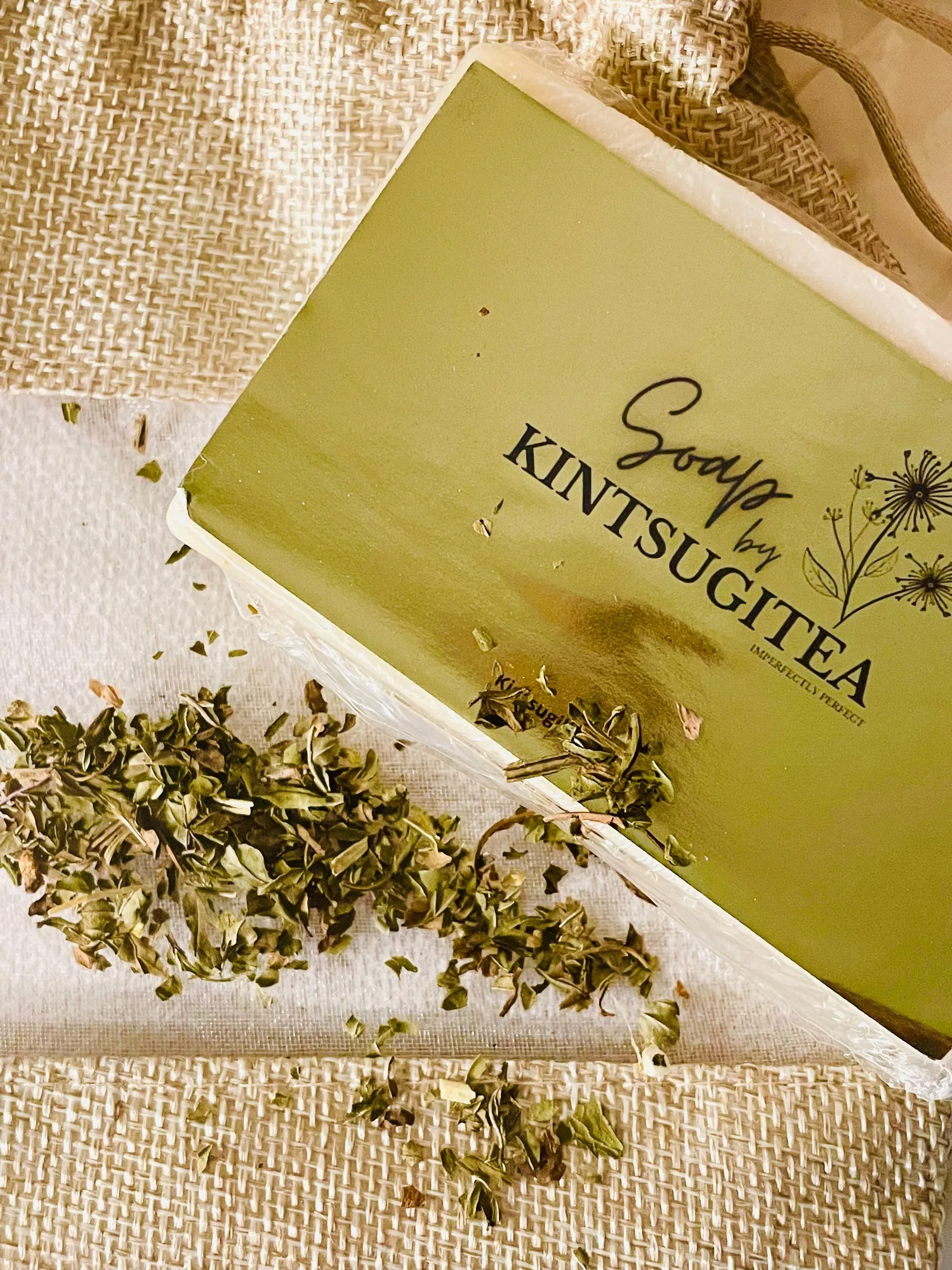
Peppermint Tea Tree Exfoliate Soap
Improper drainage: Leaving your soap in a puddle of water or on a wet dish is the fastest way to turn it into mush. The water breaks down the soap structure, accelerating melting and waste.
- Always use a soap dish with drainage holes or a wooden rack that allows air circulation.
- Keep soap away from direct streams of water when not in use.
How to Make Handmade Soap Last Longer
Store it properly between uses: The number one rule is to let your soap dry out completely after each use. A dry bar resists melting, so place it on a well-draining dish that lifts it above any water. If you have multiple bars, rotate them to allow each to dry for a day or two.
Cut your bars smaller: If you buy a large bar, cut it in half. A smaller piece has less surface area exposed to water, and you'll use one half while the other stays dry. This simple trick can extend the life of your soap significantly.
Keep it out of direct sunlight and heat: A warm, steamy bathroom can soften soap. Store your current bar in a cool, dry place, and keep extra bars in a sealed container in a closet to preserve their fragrance and texture.
- Consider using a soap saver bag or a natural loofah to create a lather without rubbing the bar directly on your skin.
Choosing Longer-Lasting Handmade Soaps
Not all handmade soaps melt at the same rate. Bars made with harder oils like coconut oil, palm oil, or shea butter tend to be firmer and last longer. Look for soaps that list these ingredients early in the ingredient list, as they contribute to a harder bar.
For example, the Peppermint Tea Tree Exfoliate Soap contains coconut oil and organic shea butter, which help create a balanced bar that's both moisturizing and reasonably durable. However, it also includes exfoliants like peppermint leaves, which can create tiny air pockets that may cause the bar to break down slightly faster. If you love exfoliating soaps, be extra diligent about draining them.
- If you prefer a softer, more moisturizing bar, accept that it may not last as long and adjust your storage habits accordingly.
Diagnosis: Is Your Soap Melting or Just Soft?
- Symptom: Your soap bar visibly shrinks after each use, becomes mushy, or develops a gel-like layer when left in the dish. This indicates water exposure is breaking down the bar.
- Likely cause: High glycerin content and soft oils in handmade soap, combined with poor drainage or excessive water contact. Natural ingredients are the culprit; not a defect.
- Corrective action: Move your soap to a dry, well-ventilated dish, cut it into smaller pieces, and store extra bars in a cool, dry place. Use a soap saver if needed. These steps can double the life of your bar.
- When to stop or choose another option: If you've tried these tips and your soap still dissolves too quickly, consider choosing a bar with harder oils or a syndet bar. If you prefer the moisturizing feel of natural soap, accept the trade-off and continue using proper storage. No soap lasts forever; balance your preferences with realistic expectations.
Product Facts
- Peppermint Tea Tree Exfoliate Soap: Ingredients: Olive Oil, Soybean Oil, Coconut Oil, Corn Oil, Sunflower Oil, Organic Shea Butter, Water, Sodium Hydroxide, Peppermint leaves (Exfoliant), Fragrance The blend of soft oils and exfoliating leaves makes this bar creamy but potentially quicker to soften. Proper drying will help it last.
Handmade soap melts faster because it's made with skin-loving ingredients that also make it more vulnerable to water. By understanding the causes and implementing simple storage solutions, you can enjoy your natural soap longer and reduce waste. Remember, a little care goes a long way in preserving your handcrafted bars.