Quick Answer
Natural deodorant usually stops working because of product buildup, a change in your skin's pH, or the natural detox period. Start by exfoliating your underarms and switching to a fragrance-free formula. If irritation or odor persists after two weeks, consider a different active ingredient or a stronger formula.
You switched to natural deodorant, felt great for a few weeks, and then—suddenly—it stops working. This is a common frustration, but it's rarely a sign that natural deodorant is a lost cause. More often, it's a signal that your underarm environment has changed or that product residue is interfering.
In this guide, we'll walk through the most likely reasons your natural deodorant is failing, how to fix each one, and when it's time to try a different product. You'll also get practical tips to extend the life of your deodorant and keep odor in check.
Common Causes of Natural Deodorant Failure
Product buildup is the #1 culprit. Natural deodorants often contain butters and oils that can leave a film on your skin. Over time, this residue mixes with sweat and dead skin cells, creating a barrier that blocks the deodorant from reaching your skin. The result? Odor-causing bacteria thrive underneath, and your deodorant seems useless.
Another cause is a shift in your skin's pH. Natural deodorants work best in a slightly acidic environment, which inhibits bacterial growth. If your soap or body wash is too alkaline, it can temporarily raise your skin's pH, making it harder for the deodorant to work. Also, if you recently started exercising more or changed your diet, your sweat composition may have changed, making your deodorant less effective.
- Exfoliate underarms 1-2 times a week to remove buildup.
- Use a pH-balanced cleanser or simply rinse with water before applying.
- Keep a deodorant journal to track when it stops working.
The Detox Period: What's Normal and What's Not
When you switch from antiperspirant to natural deodorant, your body may go through a 'detox' period. This is not a scientific term, but it describes the temporary increase in odor and sweat that some people experience. It happens because your skin is adjusting to a new microbiome and no longer being blocked by aluminum salts.
This period typically lasts 2 to 4 weeks. During this time, you may notice more odor than usual, even if your deodorant is working. It's important to be patient, but also to distinguish between a normal adjustment and a product that simply isn't right for you. If odor is unbearable after 3 weeks, it's time to troubleshoot.
- Wear breathable fabrics like cotton to reduce moisture.
- Apply deodorant at night to give it time to absorb.
- Consider a clay mask once a week to help draw out impurities.
How to Fix a Failing Natural Deodorant
Start by giving your underarms a clean slate. Wash with a gentle, fragrance-free cleanser and exfoliate with a soft cloth. This removes buildup and allows the deodorant to work directly on your skin. Then, apply a thin layer of deodorant—more is not better, as excess can cause more buildup.
If you're still having issues, check the ingredients. Baking soda is a common natural deodorant base, but it can irritate some skin types, causing redness and a worsening odor as your skin reacts. If that's you, switch to a baking soda-free formula. Also, consider your application timing: applying right after a shower when your skin is still damp can dilute the product. Pat dry first.
- Use a pea-sized amount per underarm—too much causes buildup.
- Apply to clean, dry skin, preferably at night.
- If irritation occurs, stop using the product immediately.
Diagnosis: Is It Time to Switch or Push Through?
- Symptom: Odor returns within hours: Likely cause: product buildup or skin pH imbalance. Action: Exfoliate, wash with a pH-balanced cleanser, and reapply to dry skin. If no improvement in 3 days, move to the next step.
- Symptom: Redness, itching, or rash: Likely cause: baking soda sensitivity or fragrance irritation. Action: Stop using the product immediately and switch to a fragrance-free, baking soda-free formula. If irritation persists after 48 hours, consult a dermatologist.
- Symptom: Works for a few weeks, then stops: Likely cause: gradual buildup or a change in your body (diet, hormones, stress). Action: Do a deep clean, then rotate between two deodorants to prevent buildup. If this doesn't help after 2 weeks, try a different active ingredient like magnesium or charcoal.
Products That Can Help
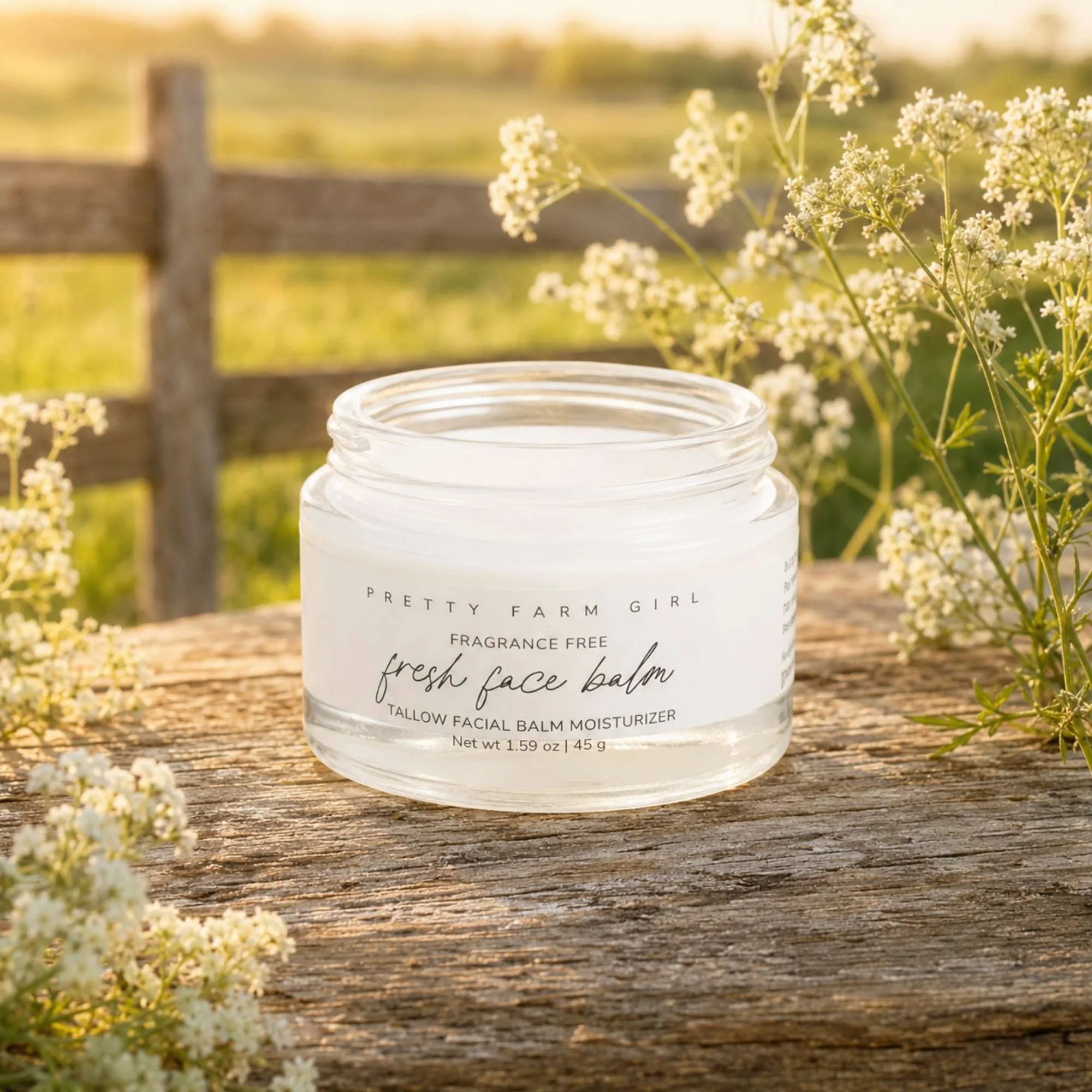
- Fragrance Free Fresh Face Balm Tallow Facial Moisturizer: Net wt 1.59 fl oz | 45 g in a 2oz Glass Jar with Black Plastic Lid. Contains tallow**, shea butter, jojoba oil, tamanu oil, squalane, emu oil, beeswax, rosemary oil, tocopherol, propolis extract, honey*, and a proprietary probiotic blend. If your underarm skin is irritated from baking soda or over-exfoliation, this balm's soothing, fragrance-free formula can help restore the skin barrier. Use it on non-deodorant days to calm redness.
- https://prettyfarmgirleuh.com/products/shower-caddy-1-bdae09e58e6c83208c251172-771850https://prettyfarmgirleuh.com/products/shower-caddy-2-c57a23d571f488e5235f5ddc-771858Shower Caddy: A self-draining, rust-resistant caddy designed to store bar products and keep them dry, extending their life. While not a deodorant, this caddy helps keep your bathroom organized and your bar soaps dry, reducing the chance of bacterial growth that can affect your skin's microbiome and deodorant effectiveness.
Natural deodorant is not a one-size-fits-all solution, and it may take some trial and error to find what works for your body. Start with proper hygiene and application, give your skin time to adjust, and don't be afraid to switch products if needed. With a little patience, you can make the switch successfully and enjoy effective, aluminum-free odor control.