Quick answer
A needle usually breaks because you are forcing it through dense fabric, using the wrong needle size or type, or pulling at an angle instead of straight. Switch to a needle matched to your fabric, use a thimble or pliers to push, and let the needle do the work. If it still snaps, the fabric or technique may need a different tool entirely.
You are mid-stitch, the needle bends, and then it snaps. It is one of the most annoying hand sewing problems, and it almost always has a fixable cause. The good news: once you diagnose why the needle keeps breaking, you can adjust your tools or technique and get back to sewing.
This guide walks through the most common reasons hand sewing needles break, what to do about each one, and when to stop forcing a needle and choose a different approach. No guesswork, just practical steps based on how needles and fabrics actually behave.
Symptom: Needle snaps when pushing through fabric
If the needle breaks as you push it through the fabric, the fabric is likely too dense for the needle size or type. Standard sewing needles are not designed for heavy denim, canvas, or multiple layers of upholstery fabric. The needle flexes under pressure and eventually snaps. This is one of the most common broken needle causes.
The fix is to match the needle to the fabric. For woven cottons, a universal needle works. For denim or canvas, use a denim needle or a heavy-duty needle. For knits, use a ballpoint needle to avoid damaging the fabric and to reduce resistance. If you are hand sewing, a larger needle with a thicker shaft is less likely to bend and break.
- Always test on a scrap of the same fabric before starting your project.
- If the needle requires excessive force, stop and switch to a stronger needle or a different tool.
Symptom: Needle breaks at the eye or near the point
A break at the eye often means the needle is too small for the thread, or the thread is too thick. When you pull the thread through, it wedges in the eye and puts stress on the needle. Over time, that stress causes a break. A break near the point can happen if you hit a pin, a metal zipper, or a hard surface underneath the fabric.
Check your needle and thread combination. The thread should pass through the eye easily without bunching. If you are using heavy thread, switch to a needle with a larger eye, such as an embroidery or tapestry needle. Also, be mindful of what is under your fabric—remove pins as you sew and avoid sewing over zippers or hardware.
- Thread the needle and pull a length through; if it drags, go up a needle size.
- Keep a small dish for pins and remove them before the needle reaches them.
Symptom: Needle bends then breaks during a stitch
If the needle bends before breaking, you are likely pulling it at an angle instead of straight up and down. This sideways force weakens the needle. It can also happen if you are using a needle that is too long for the task, giving it more leverage to bend. This is a common sewing needle problem when working in tight spaces or with thick layers.
Adjust your technique: push the needle straight through the fabric and pull it straight out. Use a thimble to protect your finger and give you more control. If you are working in a tight area, switch to a shorter needle, like a quilting or between needle, which is less prone to bending.
- Keep your wrist straight and let your arm do the work, not your fingers.
- For thick seams, use a needle grabber or pliers to pull the needle through instead of forcing it.
Symptom: Needle breaks after repeated use
Needles are not indestructible. Over time, metal fatigue can cause a needle to break, especially if it has been bent and straightened multiple times. A needle that has been used for many projects may have microscopic cracks that weaken it. If a needle breaks after long use, it may simply be worn out.
Replace needles regularly, especially if you sew frequently. A good rule is to change your needle after every major project or every 8-10 hours of sewing. If you notice the needle is bent, discard it immediately—do not try to bend it back. Keep a fresh supply on hand so you are not tempted to push a worn needle too far.
- Store needles in a dry place to prevent rust, which weakens metal.
- Dispose of bent or dull needles safely in a sharps container or a dedicated needle disposal.
When to stop and choose another option
If you have tried the right needle, adjusted your technique, and the needle still breaks, the problem may be the fabric or the task itself. Some materials, like heavy leather, thick upholstery, or multiple layers of denim, are simply too much for hand sewing needles. In those cases, a sewing machine or a specialized leather tool may be necessary.
Also, if you are experiencing frequent breaks with a particular needle brand or type, try a different brand or a different style. Not all needles are made to the same quality standards. If the breakage continues, consider whether the project requires a different approach entirely, such as using a awl to punch holes before sewing.
- For very thick materials, use a sewing machine with a heavy-duty needle or a leather stitching tool.
- If hand sewing is essential, pre-punch holes with an awl to reduce resistance.
Diagnosis: match the break to the fix
- Break at the eye: Thread too thick for the needle eye, causing stress. Switch to a needle with a larger eye or use finer thread. If the thread does not slide easily, change the needle.
- Break near the point: Needle hit a pin, zipper, or hard surface. Remove pins as you sew and avoid sewing over hardware. Check underneath the fabric before each stitch.
- Bend then break: Sideways force from pulling at an angle. Keep the needle straight and use a thimble for control. If it bends, stop and straighten your technique, not the needle.
- Break after long use: Metal fatigue from repeated bending. Replace needles regularly, especially after heavy projects. A worn needle is a weak needle—discard it.
Tools that help prevent needle breakage
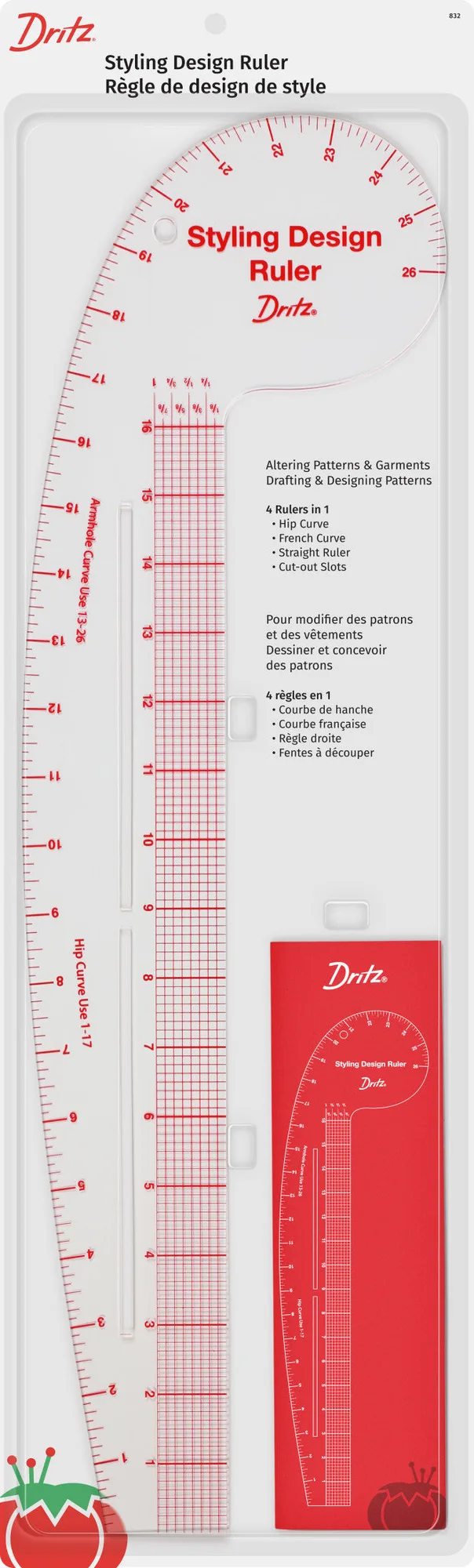
- https://prymamerica.com/products/832-90f7857c590a74f411d510f8-1316045Styling Design Ruler: Use the Dritz Styling Design Ruler to draft, design and alter patterns in an accurate manner. This design ruler contains a straight ruler, French curve, hip curve as well as cut-out slots. Accurate pattern drafting reduces the need for excessive force when sewing, because pieces fit together correctly and seams are less bulky.
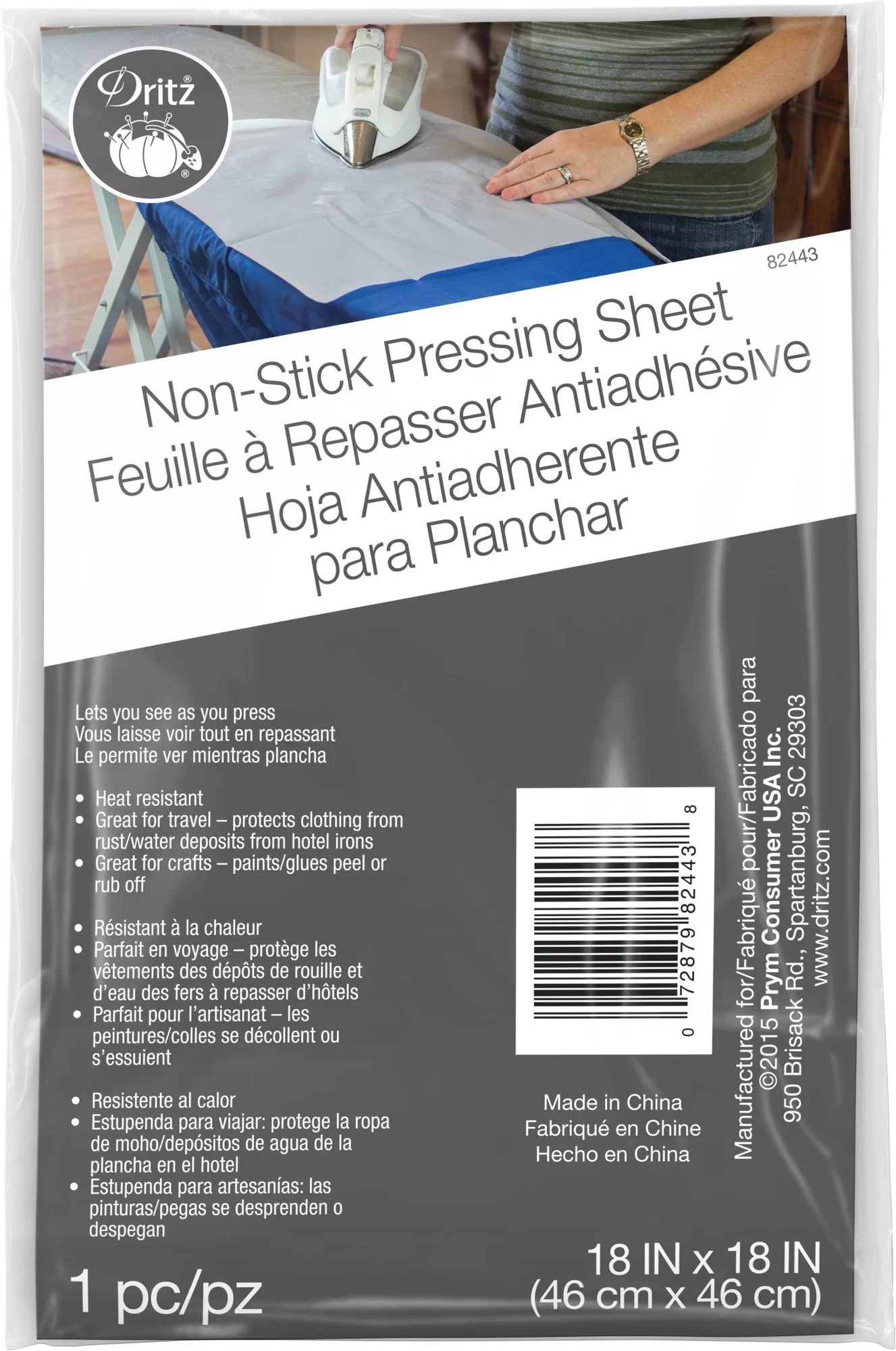
- https://prymamerica.com/products/82443-7112368e67e9158e51109920-1316257Non-Stick Pressing Sheet: Dritz Non-Stick Pressing Sheet is a handy addition to your travel kit. The pack contains one non-stick pressing sheet measuring 18x18 inches. Pressing seams flat before sewing reduces fabric bulk, making it easier for the needle to pass through and lowering the risk of breakage.
Needle breakage is rarely a mystery once you know what to look for. Match your needle to the fabric and thread, keep your motion straight, and replace worn needles before they fail. If a needle still breaks, step back and consider whether the project needs a different tool or technique. With the right approach, you can spend less time snapping needles and more time sewing.