Quick Answer
A fishy taste in organic white tea usually comes from brewing mistakes, poor storage, or low-quality leaves. Start by adjusting your water temperature and steeping time, and check that your tea is stored in an airtight container away from moisture and odors. If the problem persists, the tea itself may be stale or of inferior quality.
You've just brewed a cup of your favorite organic white tea, expecting delicate, fresh notes—but instead you're met with an unpleasant fishy aroma and flavor. This off-putting taste can ruin the experience, but it's often fixable. Understanding the root causes is the first step to enjoying the clean, subtle character that white tea is known for.
In this guide, we'll walk through the most common reasons for a fishy taste in organic white tea, from water temperature to storage issues. We'll also provide concrete solutions and help you decide when it's time to replace your tea.
Common Causes of a Fishy Taste in White Tea
White tea is minimally processed, consisting mostly of young buds and leaves. Its delicate nature means it can easily pick up off-flavors from its environment. A fishy taste often indicates that the tea has been exposed to humidity, strong odors, or poor handling. For example, storing your tea near spices or in a damp cabinet can cause it to absorb unwanted aromas.
Another frequent culprit is using water that is too hot. White tea should be brewed at lower temperatures, typically around 160-175°F (70-80°C). Boiling water can scorch the delicate leaves, bringing out bitter and unpleasant notes that might be mistaken for fishiness. Similarly, steeping for too long can over-extract compounds, leading to off-flavors.
- Check your water temperature: aim for 160-175°F (70-80°C), not boiling.
- Steep white tea for only 2-3 minutes, then remove the leaves.
- Store your tea in an airtight container in a cool, dark, dry place.
Brewing Adjustments to Try First
Before blaming the tea leaves, review your brewing routine. Use fresh, filtered water and bring it to a boil, then let it cool for a minute or two to reach the ideal temperature. If you don't have a thermometer, simply use water that is just steaming, not vigorously boiling.
Measure the right amount of leaves: about 2 grams (roughly 1 teaspoon) per 8 ounces of water. Overloading your infuser can make the tea taste strong and unpleasant. Also, consider using a clean teapot or infuser—residue from previous brews can taint the flavor.
- Use a scale for consistent leaf-to-water ratio.
- Pre-warm your teapot and rinse it with hot water to remove any stale odors.
Storage Solutions to Prevent Off-Flavors
Proper storage is crucial for preserving the freshness of organic white tea. Exposure to air, light, moisture, and strong odors can degrade the leaves and cause off-tastes. Invest in an opaque, airtight container made of ceramic, metal, or dark glass. Keep it in a cool, dark cupboard away from the stove or sink.
Avoid storing your tea in the refrigerator unless it's vacuum-sealed, as moisture and food odors can easily penetrate the packaging. If you buy in bulk, consider dividing the tea into smaller portions to minimize exposure every time you open the container.
- Keep tea away from spices, coffee, and other strong-smelling items.
- Use a dedicated tea tin or canister with a tight seal.
When the Tea Itself Is the Problem
If your brewing and storage methods are correct, the issue may lie with the tea leaves themselves. Low-quality white tea or leaves that have been sitting on the shelf for too long can develop stale, fishy flavors. Always check the harvest date and purchase from reputable sources that provide information about origin and processing.
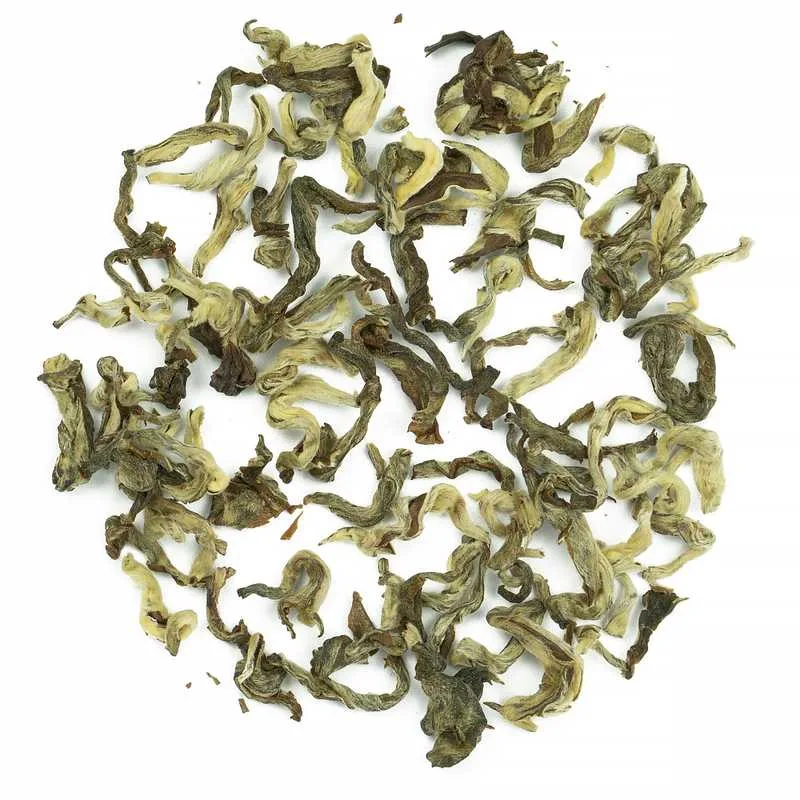
Look for teas that consist of whole, intact buds and leaves, as broken leaves can oxidize more quickly and lose freshness. The aroma of dry leaves should be clean and subtly sweet, not musty or reminiscent of fish. If your current tea smells off even before brewing, it's time to replace it.
- Inspect the dry leaves: they should look uniform and feel dry, not damp.
- Buy smaller quantities to ensure you consume tea within its peak freshness window.
Diagnosis Guide: Fixing Your Fishy White Tea
- Symptom: Your brewed white tea has a fishy or unpleasant taste. Recognize that this is not normal for quality white tea.
- Likely Cause: Brewing with water that's too hot, steeping too long, or improper storage leading to moisture or odor absorption. Identify which factor is most likely based on your routine.
- Corrective Action: Lower water temperature to 160-175°F, steep for 2-3 minutes, and store tea in an airtight container away from light and odors. Try these adjustments and taste again.
- Stop or Choose Another Option: If the fishy taste persists after correcting brewing and storage, the tea leaves themselves may be stale or of low quality. Consider purchasing fresh, high-grade organic white tea from a reputable source.
Choosing Quality Organic White Tea
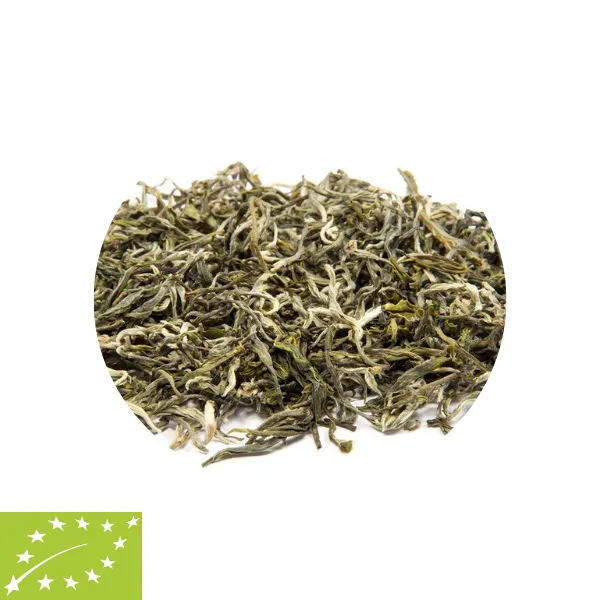
- Organic Snow Dragon 1st Grade: This Chinese white tea from Hunan Province consists exclusively of young buds, emitting a subtle, rejuvenating aroma. High-quality buds are less likely to develop off-flavors when handled properly, so choosing a premium option like this can help you enjoy a clean, fresh cup.
A fishy taste in your organic white tea is a fixable issue in most cases. By paying attention to brewing temperature, steeping time, and storage conditions, you can often restore the delicate, fresh flavors you expect. If not, it's worth investing in a higher-quality tea to ensure a satisfying cup every time.