Quick answer
A perfume smells different on skin because body chemistry—heat, pH, and natural oils—alters how the notes develop, while paper provides a neutral, static canvas. To get a reliable preview, test on both and pay attention to the dry-down on your skin.
Why skin changes the scent
Your skin's warmth accelerates evaporation, pushing the top notes to fade faster and the heart and base notes to emerge sooner. The natural pH and oils on your skin can also amplify or mute certain ingredients—sweet notes may turn syrupy, while citrus can become sharper.
What paper tells you
A paper strip (blotter) shows the perfume's raw composition without interference from your body. It's excellent for comparing initial impressions of multiple scents side by side, but it won't reveal how the fragrance evolves or interacts with your unique chemistry over hours.
Diagnose the difference: a quick checklist
- Symptom: The perfume smells sharp or one-dimensional on your skin but pleasant on paper.
- Likely cause: Your skin's natural oils or pH may be muting certain notes, or the fragrance's top notes are evaporating too quickly due to body heat.
- Corrective action: Spray on a pulse point (wrist or inner elbow) and wait 10–15 minutes. Re-smell without rubbing. If the scent still disappoints, try applying to a clothed area (e.g., collar) where skin chemistry has less influence. If the perfume smells good on your collar but not on skin, it's likely a skin-chemistry mismatch.
- When to stop or choose another option: If after 30 minutes the scent remains unbalanced or unpleasant on your skin, this perfume is probably not a good match for your body chemistry. Consider trying a different formulation or a complementary scent from the same line.
Fragrances to try this test with
-
Odéon Rosebud: Opens with three strikes of pink pepper and a velvet curtain of apricot-soft rose and peony, then a patchouli interlude. The contrast between the bright floral opening and the earthy patchouli base is especially sensitive to skin chemistry, making it a great candidate for testing the skin-vs-paper difference.
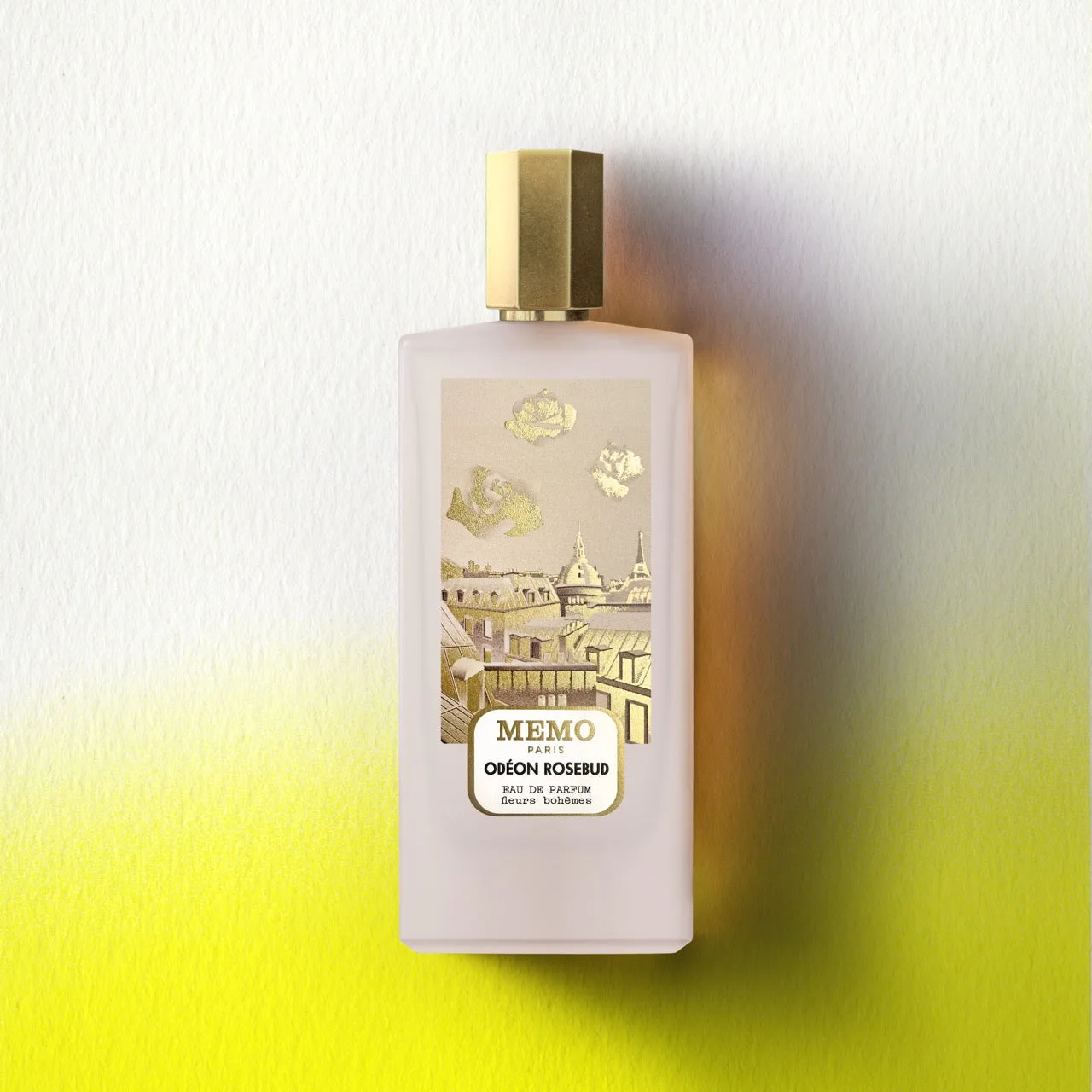
Odéon Rosebud
-
Odéon X Jean Jullien: Rose, patchouli and tonka bean are enlivened by amber, candied date and sandalwood. The sweet, warm notes can become richer or more powdery depending on your skin's pH, so testing it on both paper and skin helps you decide if it works for you.
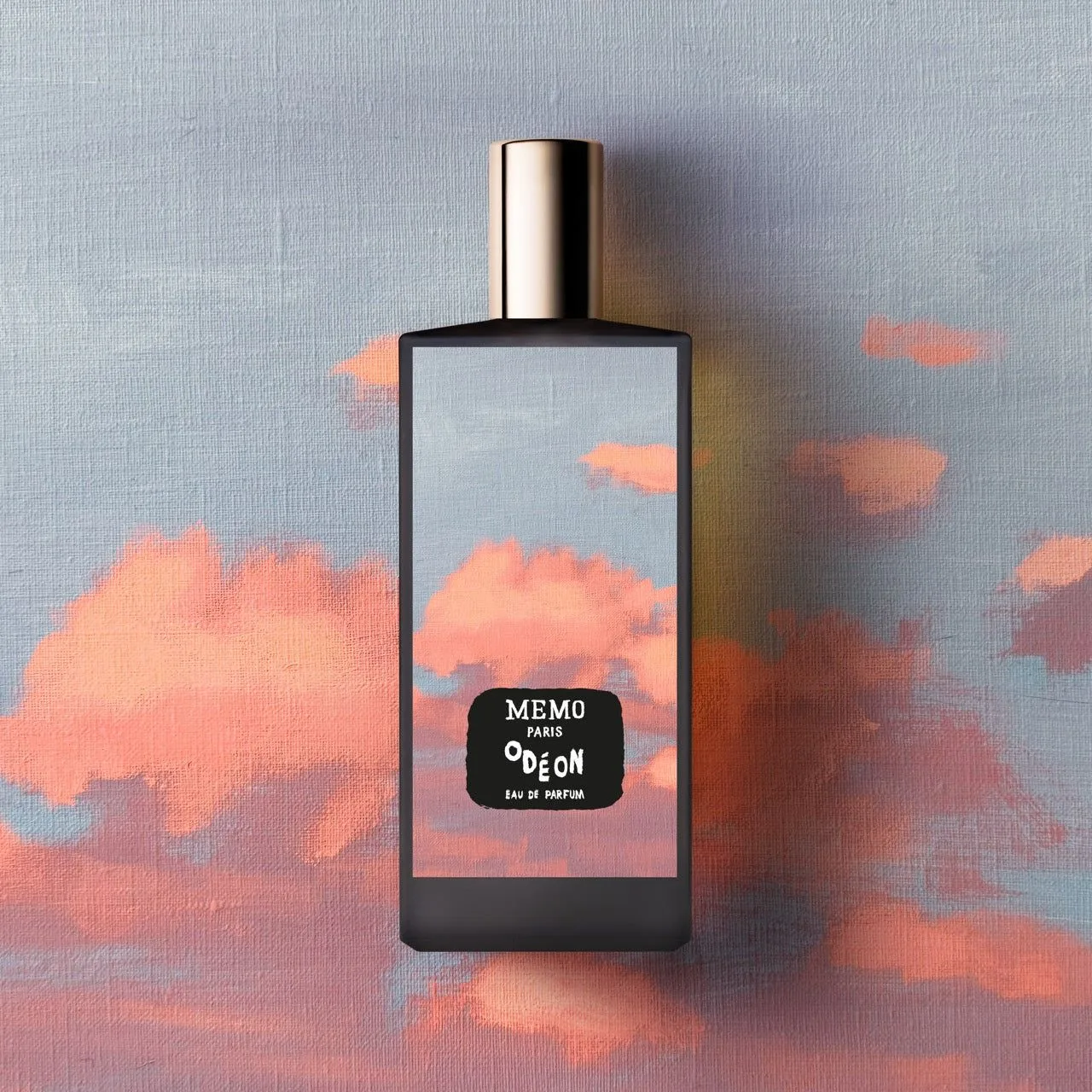
Odéon X Jean Jullien