Quick answer
Your reusable cup smells because of trapped oils, bacteria, or residue from coffee, tea, or milk. The fix is a thorough clean with hot water and mild detergent, plus occasional deep cleaning with baking soda or vinegar. For cork or glass cups, avoid harsh abrasives and always dry completely.
Common causes of cup odor
Coffee and tea contain natural oils that cling to glass and cork surfaces. Over time, these oils oxidize and create a stale, musty smell. Milk-based drinks add protein residue that bacteria love, producing sour odors within hours if the cup isn't rinsed immediately.
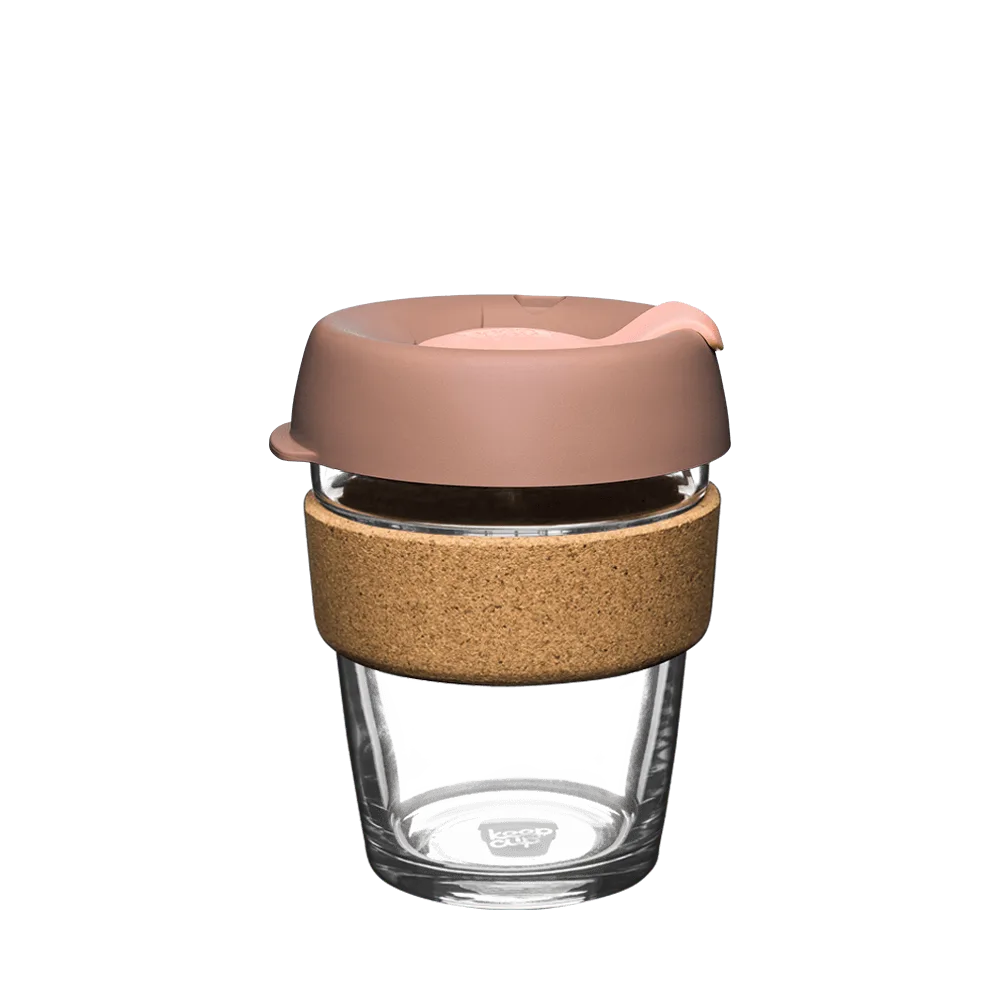
Cork sleeves, like the one on the https://keepcupecj.com/products/brew-cork-glass-cup-305368https://keepcupecj.com/products/brew-cork-glass-cup-305369https://keepcupecj.com/products/brew-cork-glass-cup-305404https://keepcupecj.com/products/brew-cork-glass-cup-305406Brew Cork Glass Cup, are porous and can absorb moisture and odors from spills or incomplete drying. If your cup sits in a damp bag or is stored with the lid on while still wet, the trapped moisture accelerates bacterial growth and smell.
Step-by-step odor removal
Start with a simple wash: use hot water and a drop of mild dish soap. Scrub the glass body and lid with a soft bottle brush, paying attention to the rim and any crevices. Rinse thoroughly and air dry with the lid off.
For stubborn odors, fill the cup with a mixture of equal parts white vinegar and hot water. Let it soak for 15–20 minutes, then wash as usual. Alternatively, sprinkle baking soda on a damp sponge and gently scrub the interior. Baking soda neutralizes odors without scratching glass.
If the smell persists, try a baking soda paste (3 parts baking soda to 1 part water) applied to the cork band. Let it sit for 10 minutes, then rinse with a damp cloth. Avoid submerging cork; it can swell and lose its shape.
When to replace your cup
If you've deep-cleaned your cup several times and the odor remains, the material may be permanently stained or the cork may have absorbed too much moisture. This is more common with older cups or those used for very strong beverages like turmeric tea or dark roast coffee.
At that point, consider replacing your cup. KeepCup offers glass models with cork bands, like the Ace Recycled Cork Glass Cup, which provides a fresh start with a comfortable, eco-conscious grip. The glass body is non-porous and easy to keep odor-free with regular care.
Diagnosis: Cup odor check
- Symptom: Your cup smells musty, sour, or like stale coffee even after a regular wash. This indicates trapped oils or bacteria, not a defective cup.
- Likely cause: Milk residue, coffee oils, or moisture trapped in the cork or lid gasket. Rinsing immediately after use and drying with the lid off prevents most odors.
- Corrective action: Deep clean with vinegar or baking soda as described above. For cork, spot-clean only. If odor persists after three deep cleans, the cup may be past its prime.
- When to replace: If the cup still smells after deep cleaning and you notice visible stains or a warped cork band. Choose a new glass cup with a cork sleeve for a fresh start and easier maintenance.
Products that help
- Brew Cork Glass Cup: The Brew Cork Glass Cup from KeepCup® combines the clarity of glass with the natural warmth of cork, offering a stylish and reusable option for your daily coffee or tea. Glass is non-porous and resists odor absorption, making it easier to keep fresh. The cork band adds a comfortable grip but requires gentle cleaning to avoid moisture buildup.
- Ace Recycled Cork Glass Cup: The Ace Recycled Cork Glass Cup from KeepCup combines a sleek glass interior with a natural cork band, offering a comfortable grip and a stylish, eco-conscious look. The recycled cork sleeve provides a warm texture and is designed for everyday use. Its glass interior simplifies odor removal, and the cork can be spot-cleaned to maintain freshness.