Quick answer
A tea infuser floats because trapped air inside the infuser or the tea leaves makes it buoyant, or because the cup is too shallow. To fix it, fill the infuser only halfway, tap it to release air pockets, and choose a deep mug. If it still floats, switch to a heavier infuser or a submerged basket.
Check how much tea you are using
Too little tea leaves means less weight and more air space inside the infuser. For most loose leaf teas, use about one teaspoon per 8 ounces of water. If you are using a large infuser, add a second teaspoon. This gives the leaves room to expand and adds enough mass to help the infuser sink. If you are brewing a very fine tea like fannings, use slightly less because they absorb water quickly and can clog the mesh.
Release trapped air before brewing
Air pockets often cling to the inside of the infuser or to the tea leaves. After adding tea, tap the infuser gently against the counter to settle the leaves. Then lower it into the water at an angle so air can escape. You can also stir the water once after adding the infuser to help bubbles rise. If the infuser has a lid or a silicone seal, make sure it is not creating an airtight pocket that traps air.
Match the infuser to your cup
A wide, shallow cup gives a floating infuser less water depth to sink into. Use a tall mug or a teapot that is at least 3 inches deep. If your infuser has a chain or handle that rests on the rim, it may be designed to hang, not sink. In that case, the floating is intentional. Check the product instructions if you are unsure.
Try a heavier or differently shaped infuser
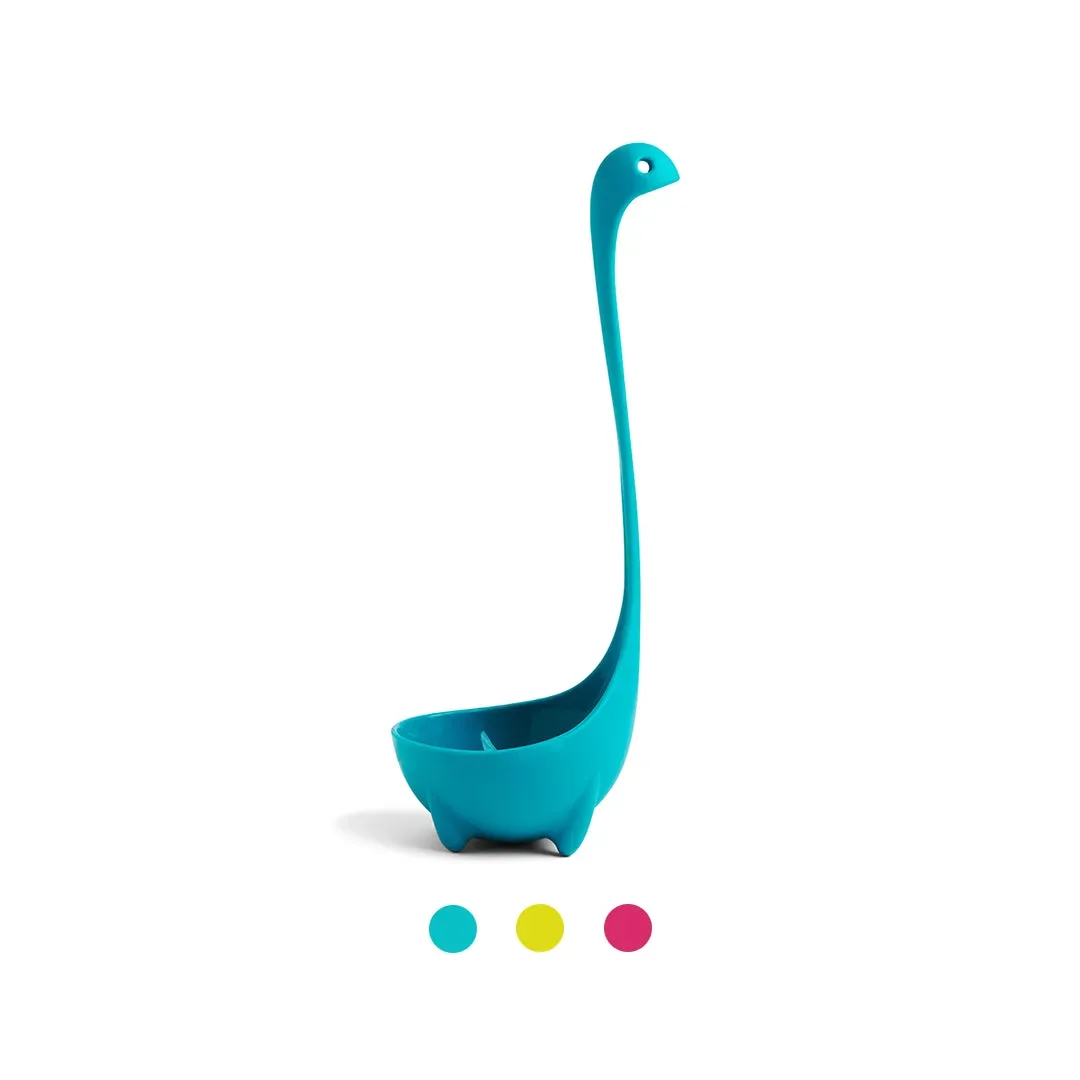
Silicone infusers are lightweight and can be more prone to floating than metal ones. If you prefer silicone for its heat resistance or cute design, look for one with a weighted base or a stainless steel core. A basket infuser that sits inside the cup and rests on the rim is another option because it stays in place by gravity. For a playful choice that is designed to dive into your cup, consider Baby Nessie, a silicone tea infuser that is meant to be fully submerged.
Nessie
Diagnosis: why your infuser floats and what to do
- Symptom: infuser floats immediately after you drop it in: Likely cause: trapped air inside the infuser or clinging to the tea leaves. Corrective action: remove the infuser, tap it to release air, and lower it slowly at an angle. Stir once. If it still floats after two tries, move to the next check.
- Symptom: infuser floats after a minute of brewing: Likely cause: too little tea or tea that expands and traps air. Corrective action: add more tea (up to one teaspoon per 8 ounces) or switch to a finer cut. Do not overfill; leave room for expansion. If the infuser sinks but the tea tastes weak, increase tea amount slightly next time.
- Symptom: infuser floats even with plenty of tea: Likely cause: the infuser is too lightweight for your cup, or your cup is too shallow. Corrective action: use a deeper mug or a heavier infuser, such as a stainless steel basket or a weighted silicone model. If you have tried all fixes and it still floats, the infuser may be designed to hang on the rim. Check the product description before replacing it.
Product facts
- Baby Nessie: Baby Nessie is a silicone tea infuser designed to dive into the depth of your cup to release your favorite flavors. Its intended use is full submersion, so if it floats, check for trapped air or too little tea before assuming it is defective.