Quick answer
Bitter tea is usually a brewing issue, not a bad leaf. The most common culprits are water that's too hot, steeping too long, or using too much tea. Fix it by lowering your water temperature, shortening your steep time, and measuring your leaf—then taste as you go.
You brewed a cup, took a sip, and got a sharp, puckering bitterness that ruins the moment. You're not alone—this is one of the most common tea frustrations. The good news: it's almost always fixable by tweaking your brewing routine.
In this guide, we'll walk through the typical reasons tea turns bitter, what to do about each, and how to know when you've hit the right balance. You'll also learn when a bitter taste is actually a sign to stop and choose a different tea.
Water too hot? Lower the temperature
Boiling water is fine for many black teas, but it can scorch delicate leaves like green or white tea, releasing harsh tannins that taste bitter. If your green tea tastes like it's been burned, check your kettle temperature. Aim for around 175°F for white and green teas, and let boiling water cool for a minute or two before pouring.
For black teas, water that's just off a rolling boil (around 200-212°F) is usually safe. But if your black tea still tastes bitter, try slightly cooler water and see if that smooths it out. A simple thermometer or an electric kettle with temperature settings makes this easy.
- If you don't have a thermometer, let boiling water rest for 2-3 minutes before steeping green or white tea.
Oversteeping? Watch the clock
Steeping tea too long is the most common cause of bitterness. Each tea has an ideal steep time—usually 2-3 minutes for green and white, 3-5 minutes for black, and up to 5-7 minutes for herbal. If you leave the leaves in while you sip, they keep releasing tannins, and the cup gets more bitter by the minute.
Set a timer and remove the leaves or strain the tea when the time's up. If you like a stronger cup, add more leaf rather than steeping longer. That gives you more flavor without the harsh edge.
- Use a timer on your phone or a simple kitchen timer to avoid guesswork.
Too much leaf? Measure your tea
Using too much tea leaf for the amount of water can also cause bitterness. A standard ratio is about 1 teaspoon of leaf per 8 ounces of water, but some teas are more compact or dense. For example, gunpowder tea—those tiny rolled pellets—can look small in the spoon but pack a lot of leaf. Start with less and adjust to taste.
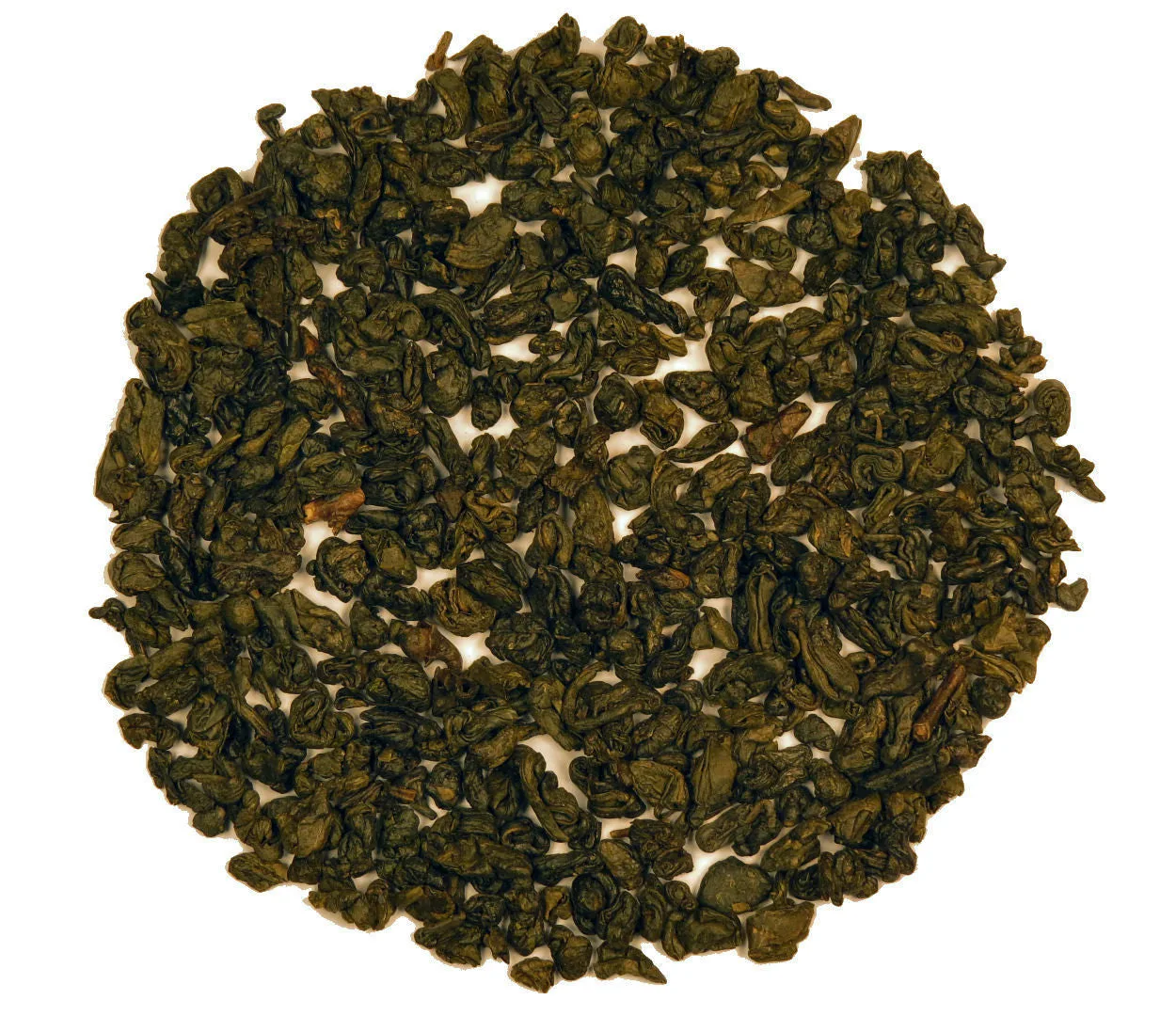
gunpowder
If your tea is bitter, try reducing the leaf amount by a quarter teaspoon next time. You might be surprised how much smoother it gets.
When bitter is a sign to stop
Sometimes bitterness isn't a brewing mistake—it's just the tea. Some teas are naturally more astringent or have a bold, bitter edge that some people love and others don't. If you've tried lower temperature, shorter steep, and less leaf, and it's still bitter, it might be time to try a different tea.
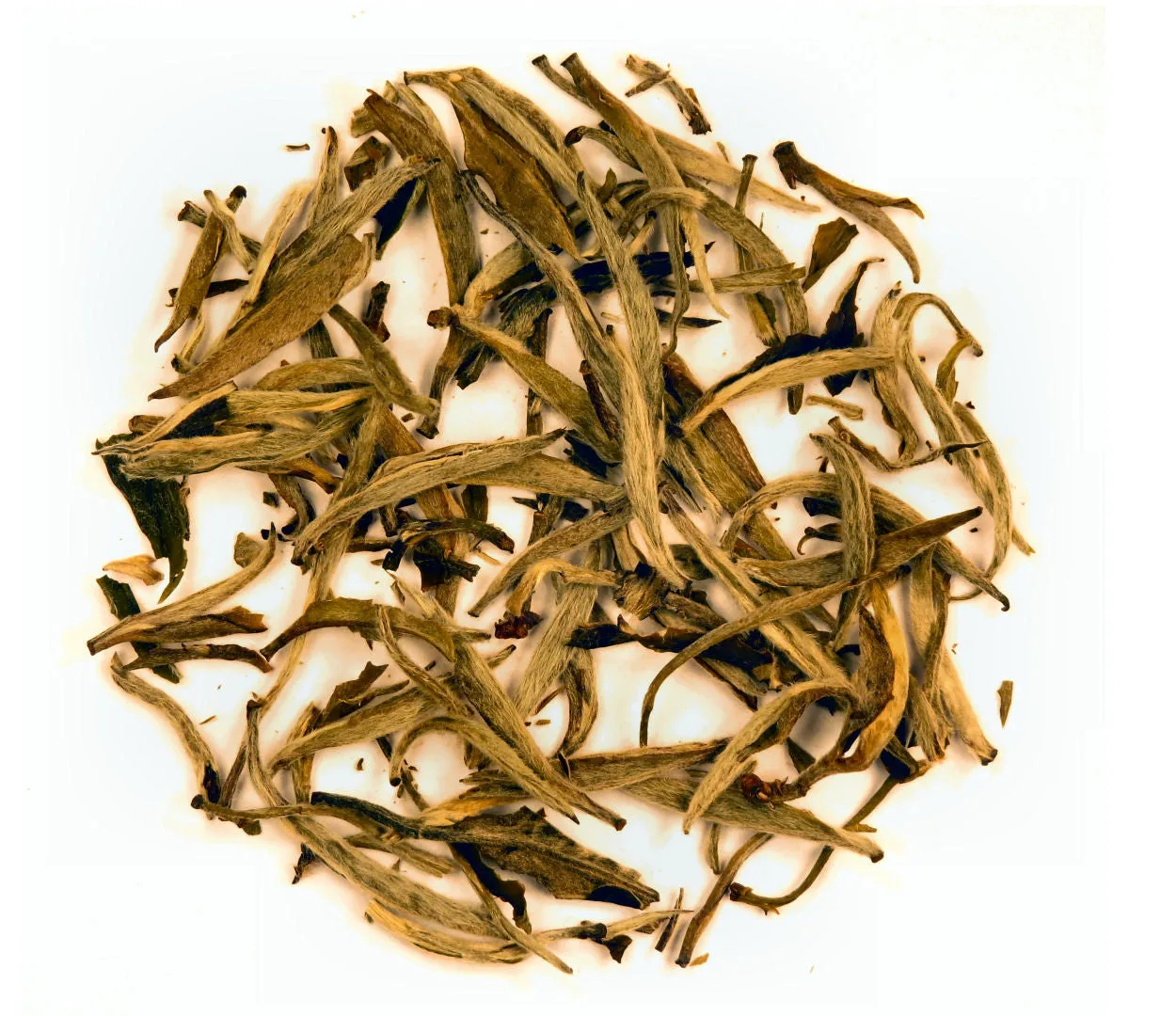
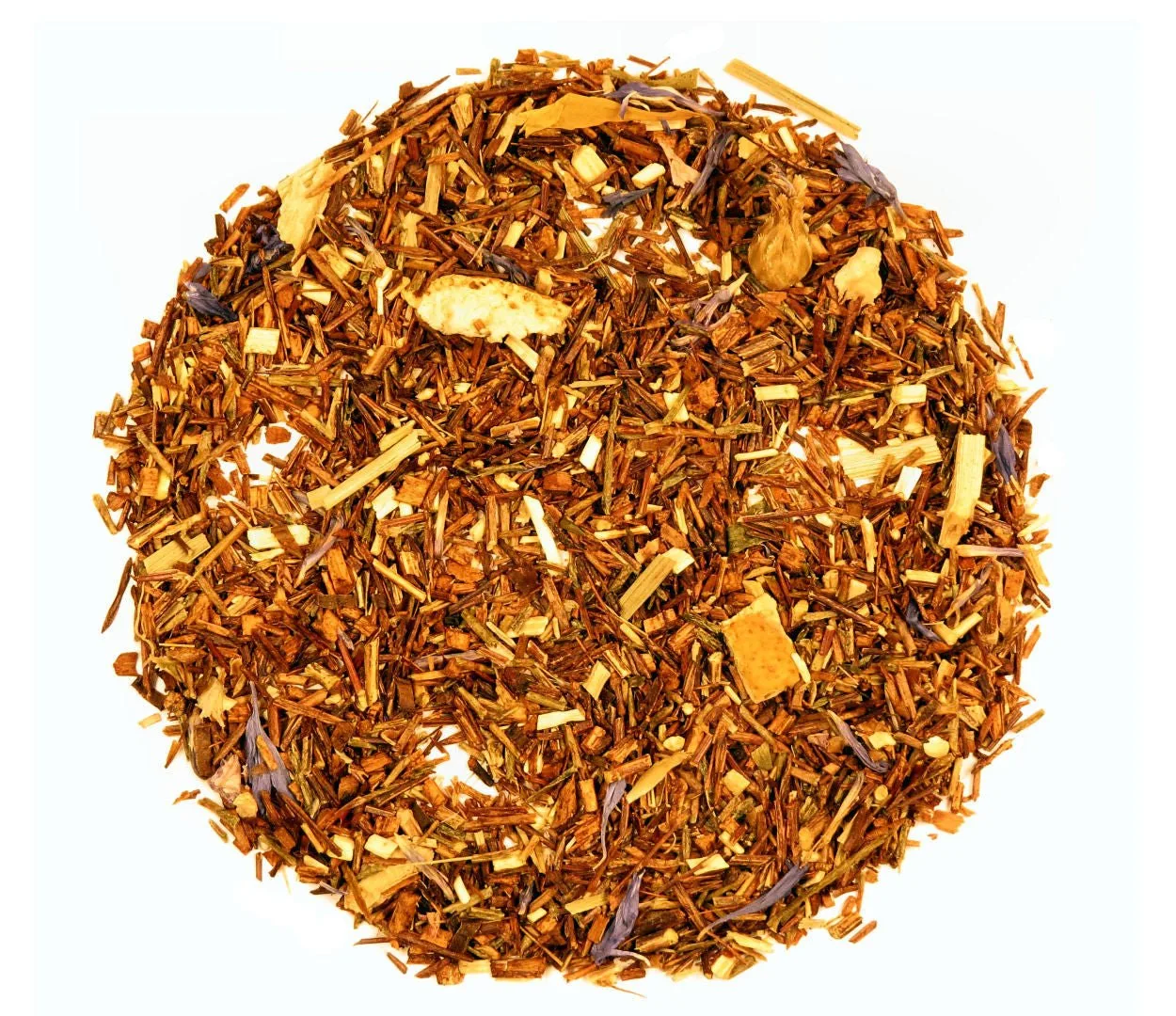
For a gentler cup, consider white teas, which are naturally low in bitterness. Silver Needle, for example, is delicate and sweet, while Lemon Ginger white tea offers a refreshing, mild profile. If you prefer something caffeine-free, rooibos blends like Rooibos Mirage are naturally sweet and never bitter.
- If you're sensitive to bitterness, look for teas described as sweet, delicate, or naturally caffeine-free.
Bitter tea troubleshooting: diagnose and fix
- Symptom: sharp, astringent taste right away: Water likely too hot for the tea type. Lower temperature to 175°F for white/green, or let boiling water cool for a minute for black.
- Symptom: bitter after a few minutes: Leaves are steeping too long. Set a timer and remove leaves at the recommended time.
- Symptom: bitter even with short steep and cooler water: You may be using too much leaf, or the tea itself is naturally bold. Reduce leaf amount; if still bitter, switch to a gentler tea like white or rooibos.
Teas that help you avoid bitterness
- Silver Needle: Silver Needle is a premium white tea, recognized as the highest grade among white teas. This offering from The Georgia Tea Company is crafted entirely from tender buds or tips, delivering a delicate and refined cup. With a naturally low caffeine content of approximately 5-10 mg per 8 oz serving, it is a gentle choice for any time of day. If you're prone to bitter cups, Silver Needle's delicate buds are less likely to turn harsh, even if you're still perfecting your brewing.
- Lemon Ginger: Our Lemon Ginger White tea starts with the warm aroma of lemon, and finishes across the palette with the more delicate flavor profile of white tea mixed with ginger notes. Steeping time: 175°F / 4-5 min / 1 teaspoon per 8 oz. This white tea is forgiving at a lower temperature and offers a refreshing, non-bitter option for an afternoon treat.
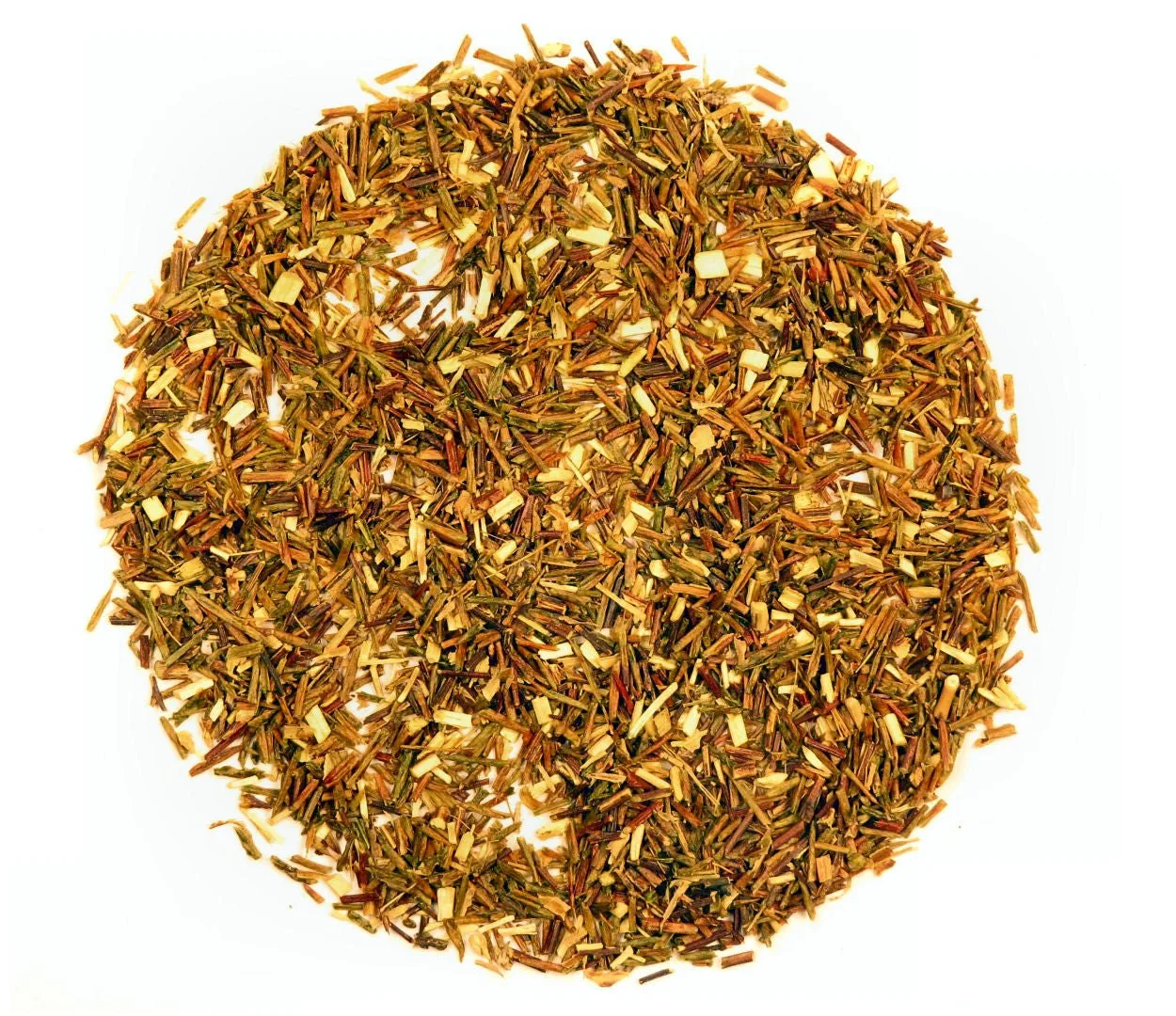
- Rooibos Mirage: Red and green rooibos are blended with a pleasing combination of citrus and vanilla. Naturally caffeine free. Rooibos is naturally sweet and low in tannins, so it won't get bitter even if you steep it a bit longer—great for beginners.
Bitter tea is rarely a lost cause. By adjusting water temperature, steep time, and leaf amount, you can usually turn a harsh cup into something enjoyable. And if you've tried all the fixes and still get bitterness, consider exploring naturally smooth teas like white or rooibos to find your perfect match.