Quick Answer
If your oolong tastes bitter, the usual culprits are water that's too hot, steeping too long, or using too much leaf. Start by lowering your water temperature to around 195°F (90°C) and cutting your steep time in half.
Why Oolong Turns Bitter
Oolong is a partially oxidized tea, and its flavor depends on careful brewing. Bitterness often comes from over-extraction: when hot water pulls too many tannins from the leaves. High water temperature (near boiling) and long steeps are the most common triggers. Using too much leaf also concentrates the brew.
The shape of the leaf matters too. Tightly rolled oolongs, like many from Taiwan, unfurl slowly, so they need a bit more time to release flavor—but that also means they can over-extract if you're not watching. Darker, high-fired oolongs from Wuyi Mountains tend to be more forgiving, but they still respond to the same brewing principles.
When It's Not Your Technique
Sometimes the bitterness isn't a brewing mistake. Some oolongs are naturally more astringent or roasted, and that can read as bitter to some palates. If you've already adjusted water temperature and steep time and the tea still tastes harsh, it might be the style—not your method.
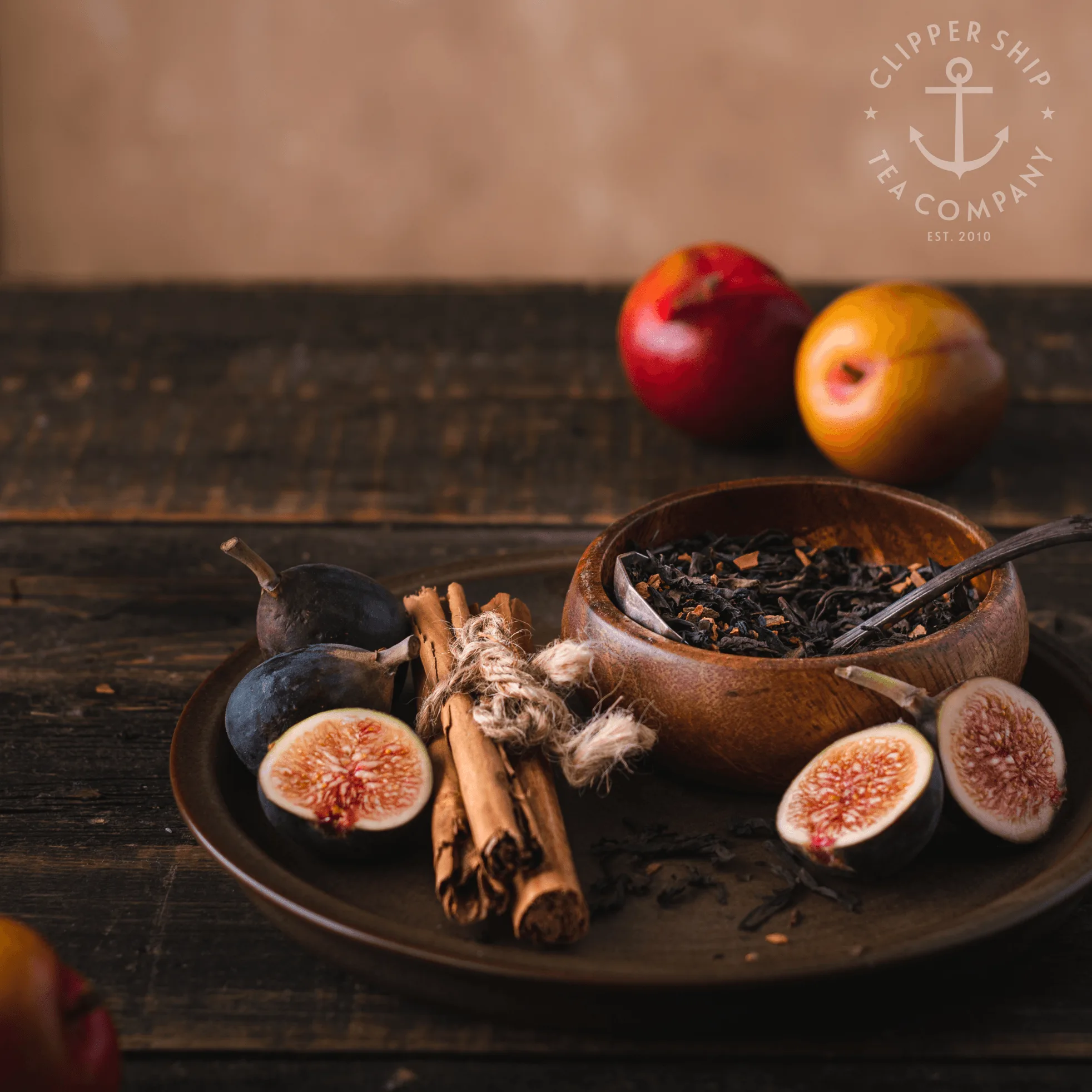
In that case, try a sweeter, more honeyed oolong. Taiwan's Oriental Beauty is known for its smooth, honeyed sweetness with ripe stone-fruit notes, which can be a pleasant contrast to more roasted or mineral-heavy oolongs. Similarly, a flavored oolong blend like Cinnamon Fig offers a naturally sweet, jammy profile that masks any bitterness and can be a good entry point if you're sensitive to astringency.
Diagnose Your Bitter Oolong
- Symptom: Your oolong tastes sharp, astringent, or bitter, especially in the aftertaste.
- Likely Cause: Water too hot (near boiling), steeping too long (over 3 minutes), or using too much leaf (more than 1 teaspoon per 8 oz).
- Corrective Action: Use water at 190–200°F (88–93°C), steep for 2–3 minutes, and reduce leaf to about 1 teaspoon per 8 oz. Taste at 30-second intervals after the first minute. If it's still bitter after these adjustments, your tea may be over-steeped from the start—try a fresh batch.
- Stop or Switch: If bitterness persists after two attempts with corrected brewing, stop adjusting and consider a sweeter oolong style, such as Oriental Beauty or a flavored blend like Cinnamon Fig.
Oolong Options Worth Trying
-
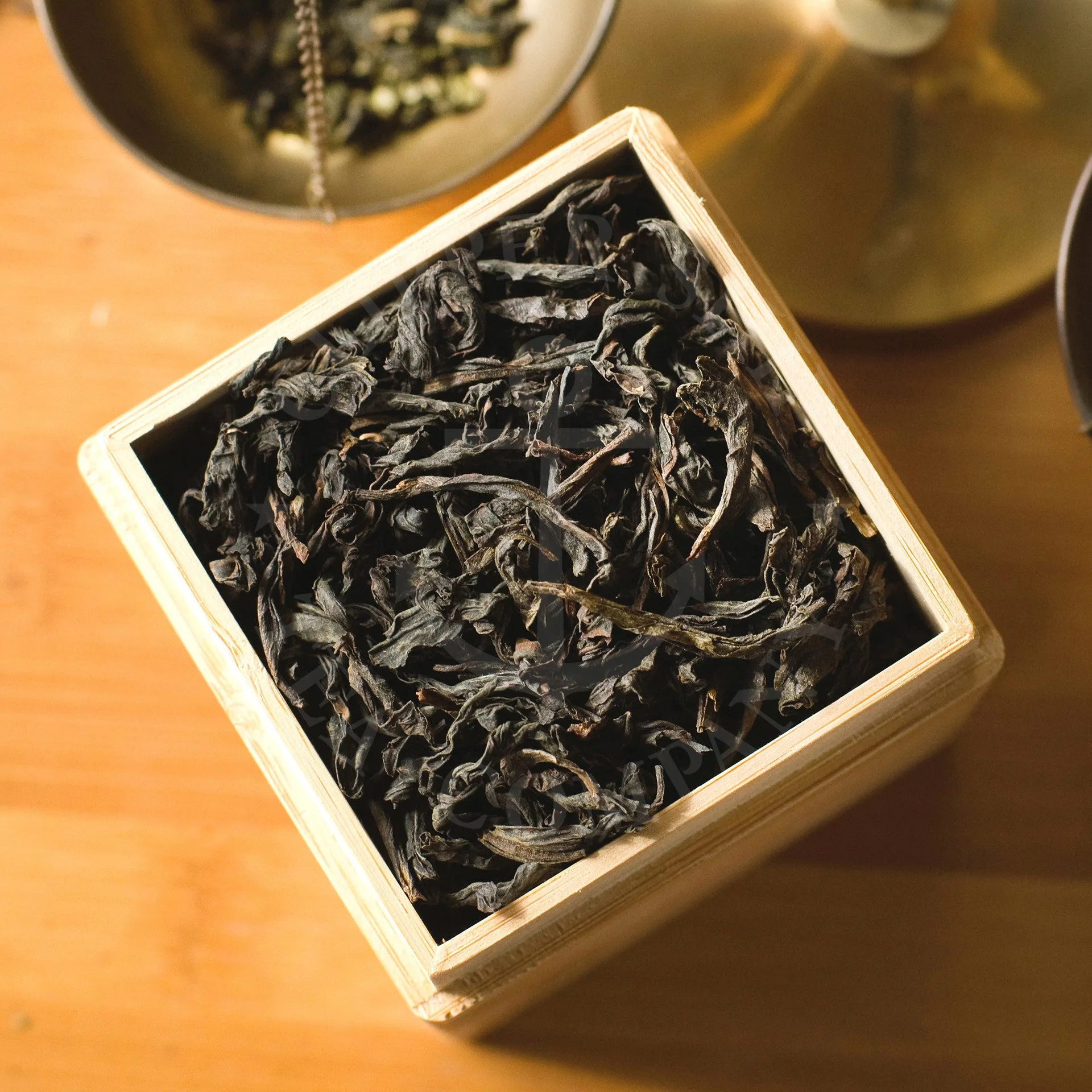
Shui Xian Organic: Shui Xian is a highly oxidized, high-fired oolong from the Wuyi Mountains, known for notes of apricot, peach, honey, and minerality. Its roasted, mineral character can be bold, so brew it with slightly cooler water and shorter steeps to avoid harshness.
Shui Xian Organic
-
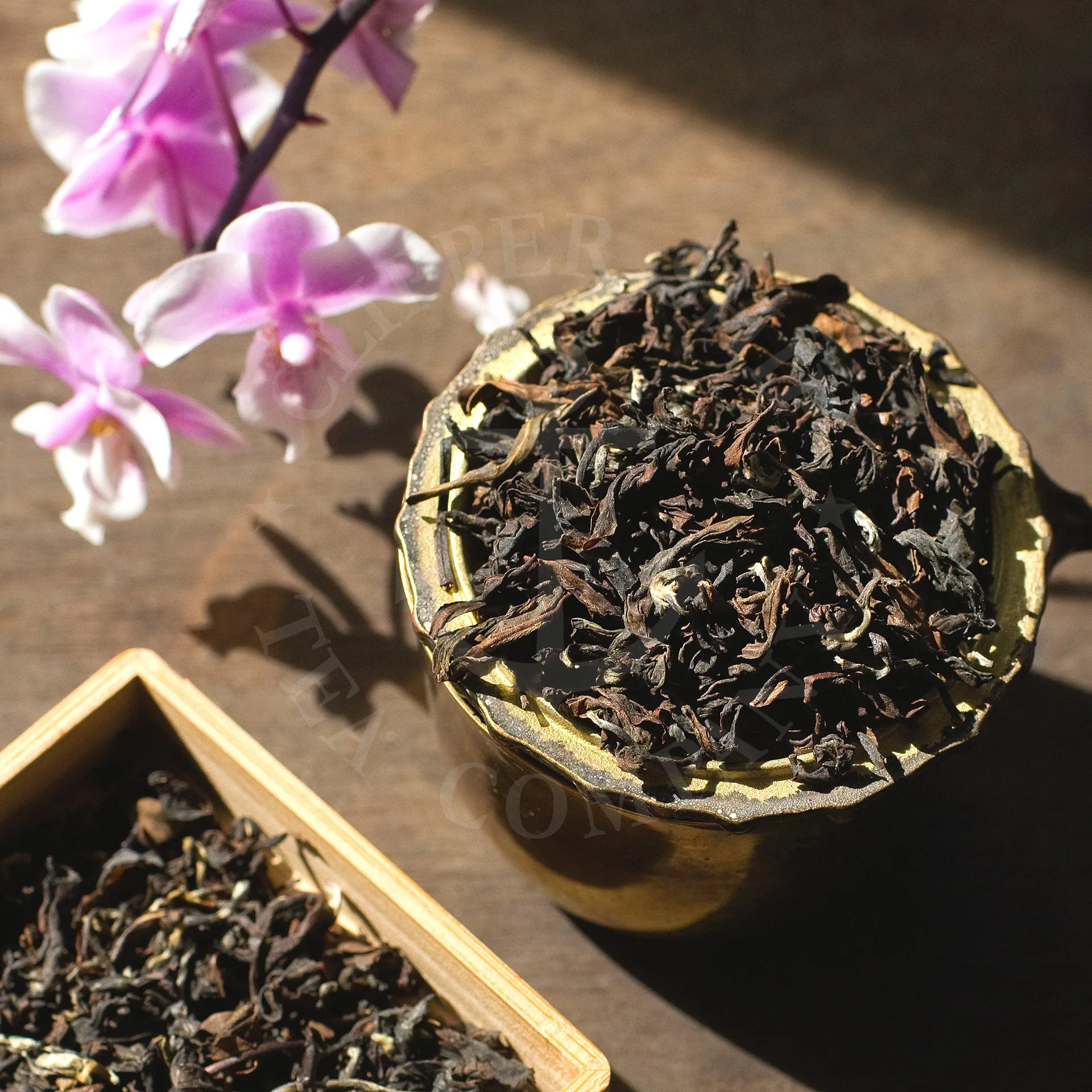
Oriental Beauty (Bai Hao) Organic: Oriental Beauty is a medium-bodied Taiwanese oolong with smooth, honeyed sweetness and fruity undertones of ripe stone fruit and figs. This naturally sweet style is a great choice if you find darker oolongs too bitter or astringent.
Oriental Beauty (Bai Hao) Organic
-
Cinnamon Fig Organic: Cinnamon Fig is a blend of dark oolong with cinnamon, sweet fig, and juicy plum, inspired by cinnamon fig jam. The added fruit and spice create a sweet, jammy cup that's forgiving to brew and unlikely to taste bitter.