Quick Answer
Bitter tea is almost always a brewing mistake—usually water that's too hot, steeping too long, or using too many leaves. Fix these three things, and you'll get a smooth, balanced cup. If bitterness persists, it might be the tea itself or a sensitivity to certain botanicals.
You brew a cup of NutraTea, expecting a comforting sip, but instead you get a sharp, bitter taste. Before you blame the tea, know this: most bitter tea is a brewing problem, not a product problem. The good news is that it's easy to fix once you know what to look for.
In this guide, we'll walk through the most common brewing mistakes that cause bitterness, how to correct them, and when the issue might be something else entirely.
Water Temperature: Too Hot Can Scorch the Leaves
One of the most frequent culprits is water that's too hot. Boiling water (212°F/100°C) can 'cook' delicate herbal leaves, releasing bitter tannins and harsh flavors. Most herbal teas, including NutraTea blends, brew best at around 200°F (93°C) or just off the boil.
If you don't have a temperature-controlled kettle, simply let the water sit for 30–60 seconds after boiling before pouring. This small pause can make a big difference in taste.
- Let boiling water cool for about a minute before steeping.
Steeping Time: Longer Isn't Better
Steeping too long is another common mistake. While it might seem like more time means more flavor, it actually extracts more bitterness. Most herbal teas need only 3–5 minutes. Beyond that, you're pulling out unpleasant compounds.
Set a timer and stick to it. If you prefer a stronger cup, add more tea bags or leaves rather than steeping longer. This gives you more flavor without the bitterness.
- Use a timer to avoid over-steeping.
Leaf-to-Water Ratio: Too Much Tea
Using too many tea leaves or bags can also lead to bitterness. The more tea you use, the more concentrated the brew—and the more likely it is to taste harsh. A standard ratio is one tea bag (or about one teaspoon of loose leaf) per 8 ounces (240 ml) of water.
If you've been using two bags for a stronger cup, try one and adjust from there. You can always add more, but you can't take bitterness out.
- Start with one tea bag per cup and adjust to taste.
Water Quality and Other Factors
Your water can also affect taste. Hard water or water with high mineral content can make tea taste bitter or flat. If you have hard tap water, try filtered or bottled water for a cleaner taste.
Also, check your tea's freshness. Old tea loses flavor and can become stale or bitter. Store tea in an airtight container away from light and moisture. NutraTea's biodegradable packaging helps keep tea fresh, but always check the best-before date.
- Use filtered water if your tap water is hard.
Diagnosing Your Bitter Tea
- Symptom: Sharp, astringent taste: Your tea tastes harsh and drying, almost like you've bitten into a grape skin. This is usually over-extraction from water that's too hot or steeping too long.
- Likely cause: Water too hot or steeping too long: Boiling water or leaving the bag in for more than 5 minutes releases bitter tannins. Let water cool slightly and set a timer for 3–5 minutes.
- Corrective action: Adjust brewing parameters: Use slightly cooler water, shorten the steep time, or use less tea. Try one change at a time. If bitterness improves, you've found the fix. If not, continue troubleshooting.
- If bitterness persists: Consider the tea or your palate: Some herbs are naturally bitter (like liquorice or fennel). If you're sensitive to these, even a perfect brew may taste bitter to you. If you've tried all the fixes and still don't enjoy it, it's okay to choose a different blend that suits your taste.
Tea Essentials for a Better Brew
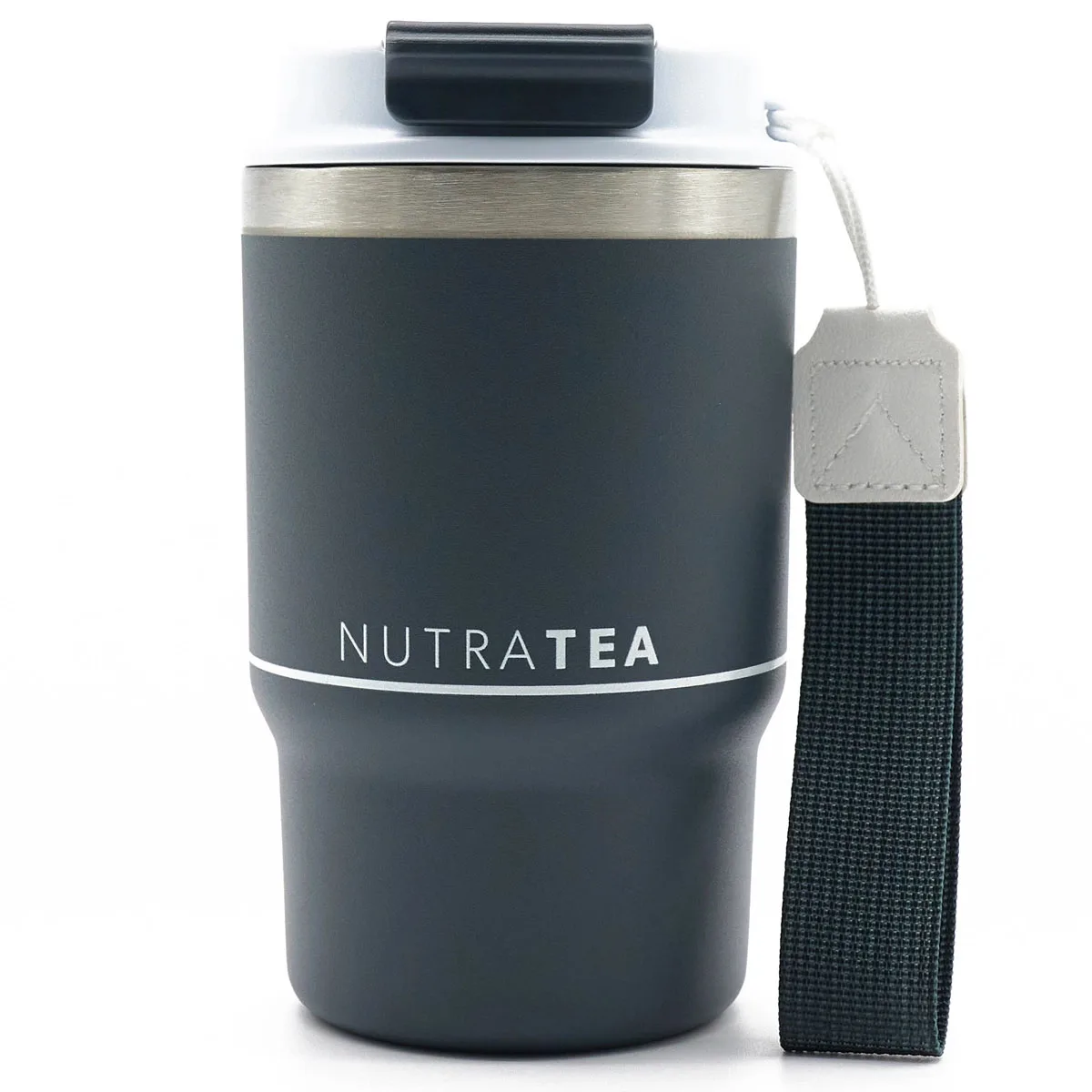
- NutraTea Travel Mug: The double wall vacuum body keeps your tea at the right temperature for hours, while the secure leak proof lid stops spills in their tracks. A travel mug with proper insulation lets you brew at the right temperature and keep it there, so your tea doesn't over-steep and turn bitter while you sip.
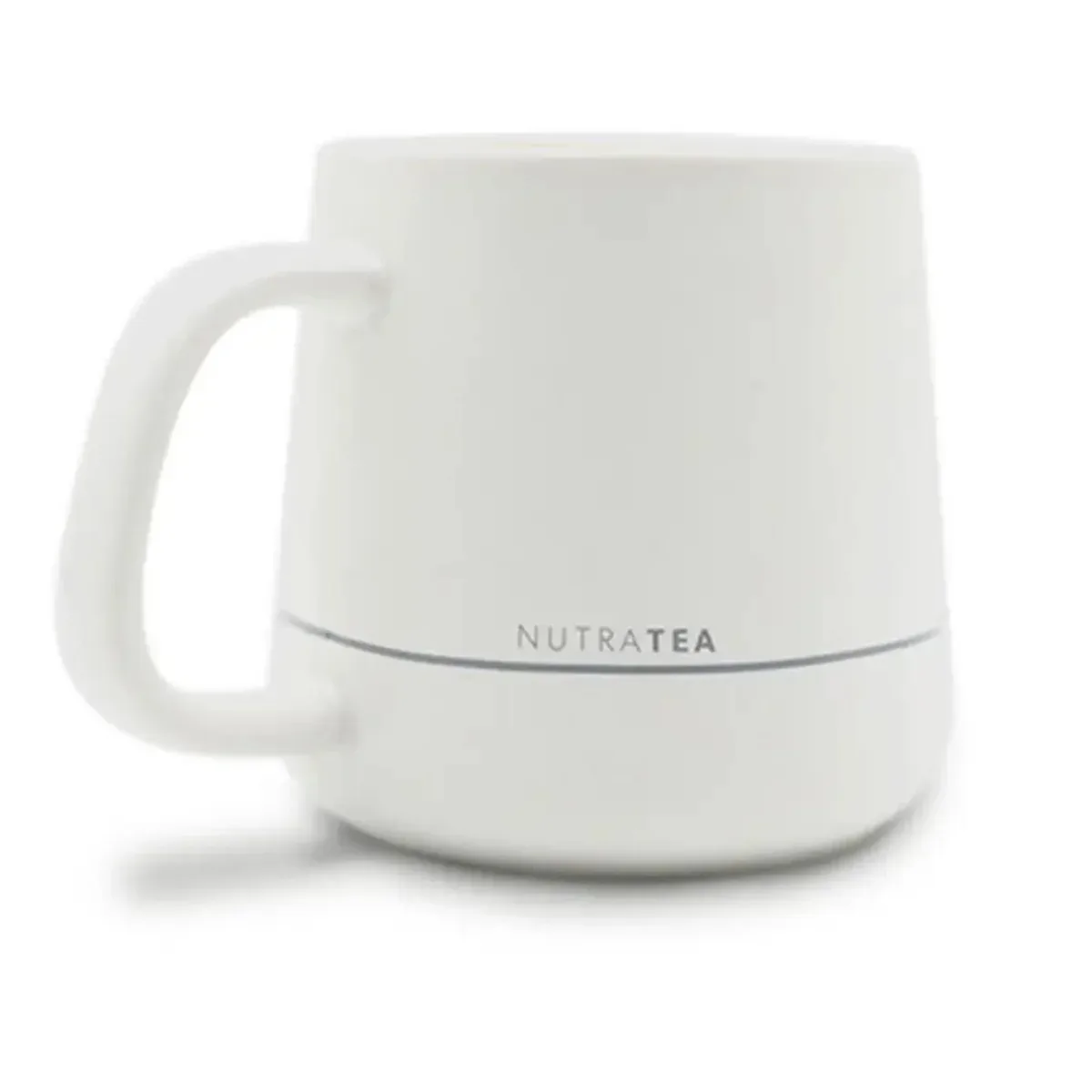
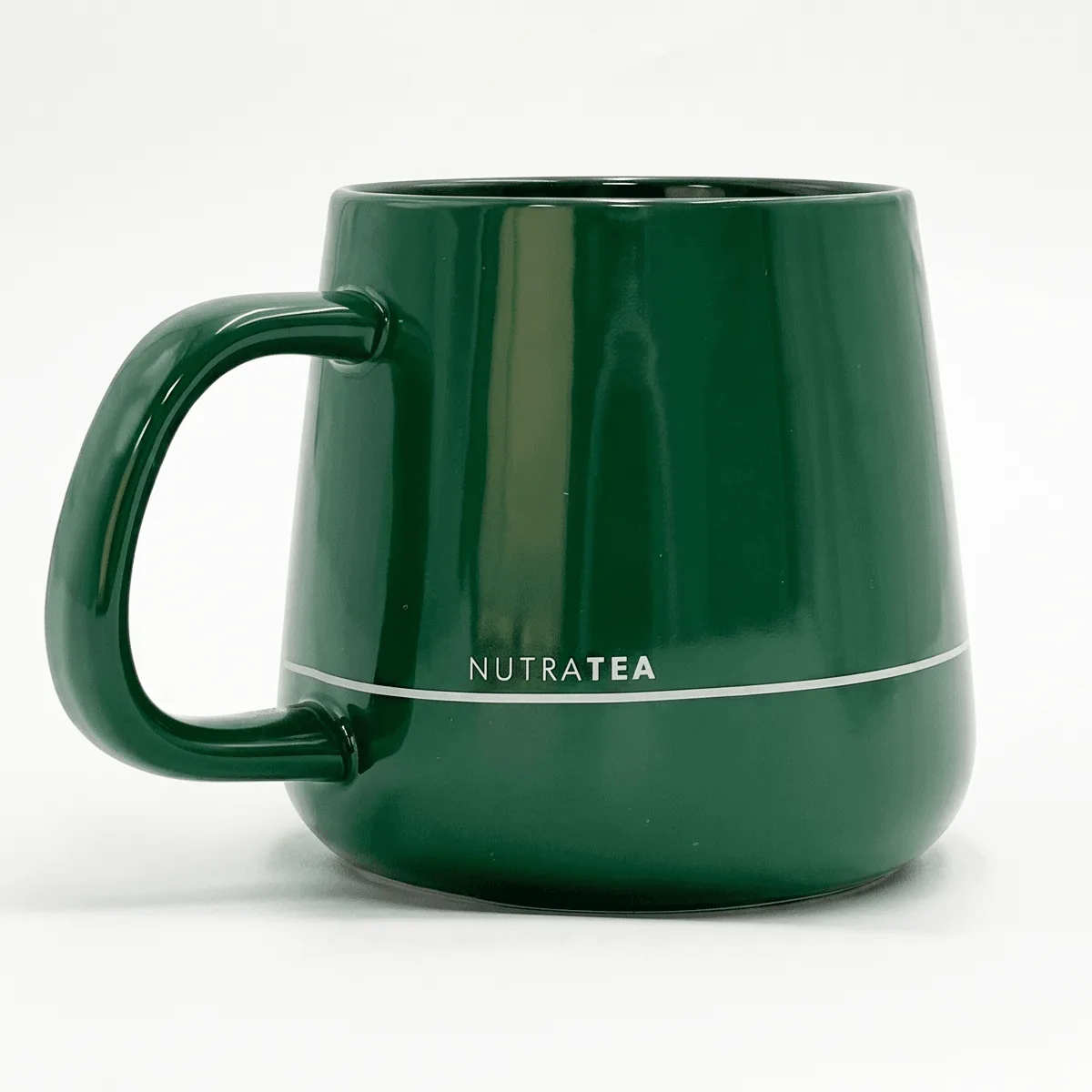
- Ceramic Tea Mug White: Enhance your tea-drinking experience with our modern ceramic mug featuring a comfortable grip handle and spacious design, perfect for brewing our herbal tea bags. A roomy ceramic mug gives your tea bag space to move, promoting even extraction and reducing the chance of a bitter, concentrated brew.
Bitter tea is rarely a lost cause. By paying attention to water temperature, steeping time, and leaf quantity, you can usually get a smooth, enjoyable cup. And if you've done all that and still find it bitter, it might just be that particular blend isn't for you—there are plenty of other options to explore.