Quick Answer
Your tea is bitter because of over-steeping, water that's too hot, or using too many leaves. Adjust these factors with your sample sachets to get a smoother, more enjoyable cup.
Water Temperature Matters
Many teas, especially green teas like jasmine, are delicate. Boiling water can scorch the leaves and release bitter compounds. Check the recommended temperature for your tea type. If you don't have a thermometer, let boiling water sit for a minute or two before pouring.
Herbal teas and spiced blends are more forgiving, but still, cooler water often brings out sweeter, more floral notes. Experiment with temperature to find what you like best.
Steeping Time Is Key
Leaving your sachet in the cup too long is the most common cause of bitterness. Tannins and other compounds continue to extract, turning a pleasant cup harsh. Follow the package instructions or start with a shorter steep and taste as you go.
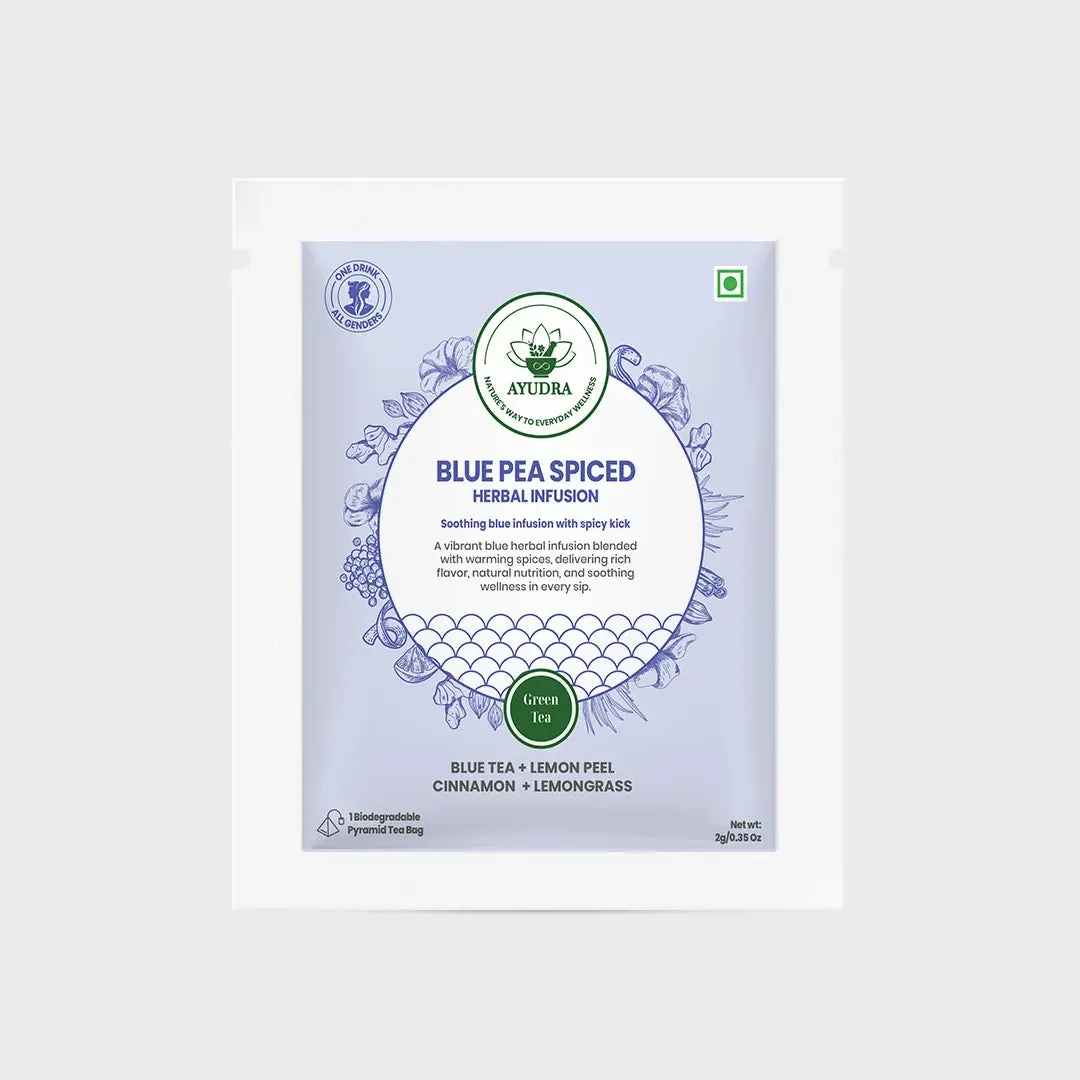
If you're trying a new blend, like a blue pea spiced tea, start with 2-3 minutes and adjust. You can always steep longer, but you can't un-steep.
Leaf Amount and Sachet Size
Sample sachets are portioned for one cup, but if you're using a smaller mug, it might be too concentrated. If your tea tastes strong and bitter, try using less water or splitting the sachet. Conversely, if it tastes weak, you might need more leaf or a longer steep.
Remember that sample sachets are meant to be convenient—use them as a guide, and adjust to your taste.
Diagnose Your Bitter Tea
- Symptom: Sharp, astringent taste that lingers: This usually means you over-steeped or used water that was too hot. Next time, reduce steeping time by 30 seconds or let water cool slightly.
- Symptom: Bitter and strong, even with a short steep: You may be using too much leaf for your cup size. Try using less water or splitting the sachet. If it's still too strong, consider a different tea with a naturally milder profile.
- Symptom: Bitter with a burnt or harsh note: Water was likely boiling. For green or delicate teas, use water around 175°F (80°C). For herbal teas, 200°F (93°C) is fine. If you don't have a thermometer, wait 2 minutes after boiling before pouring.
- Symptom: No bitterness, but tea tastes flat or weak: You may be under-steeping or using too little leaf. Increase steeping time in 30-second increments. If it's still weak, your water may be too cool—try hotter water next time.
Teas to Try
-
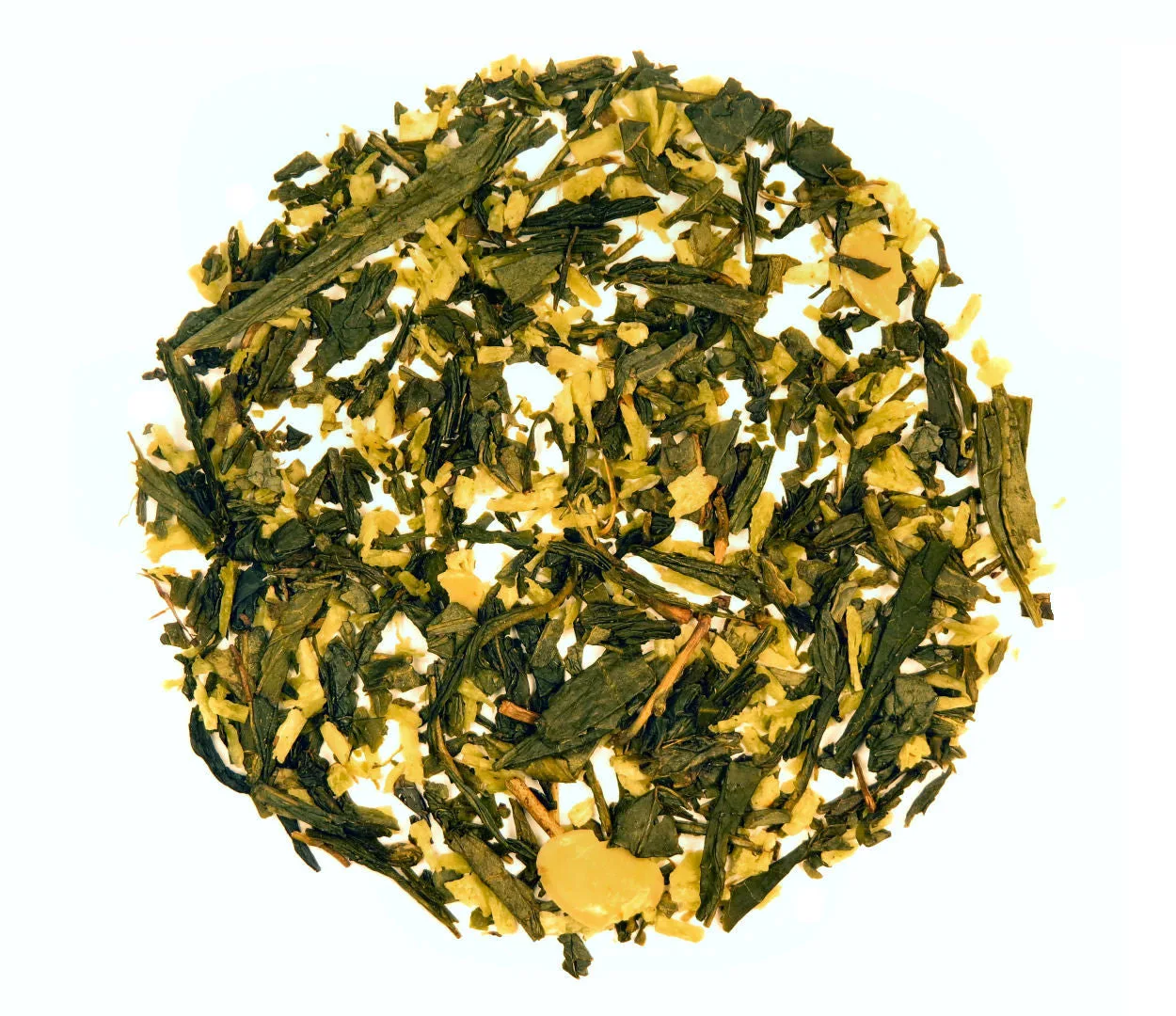
Sleep Tea Sample Sachet: A calming sample sachet crafted to help you unwind and prepare for restful sleep. Perfect for testing a soothing bedtime blend without committing to a full box.
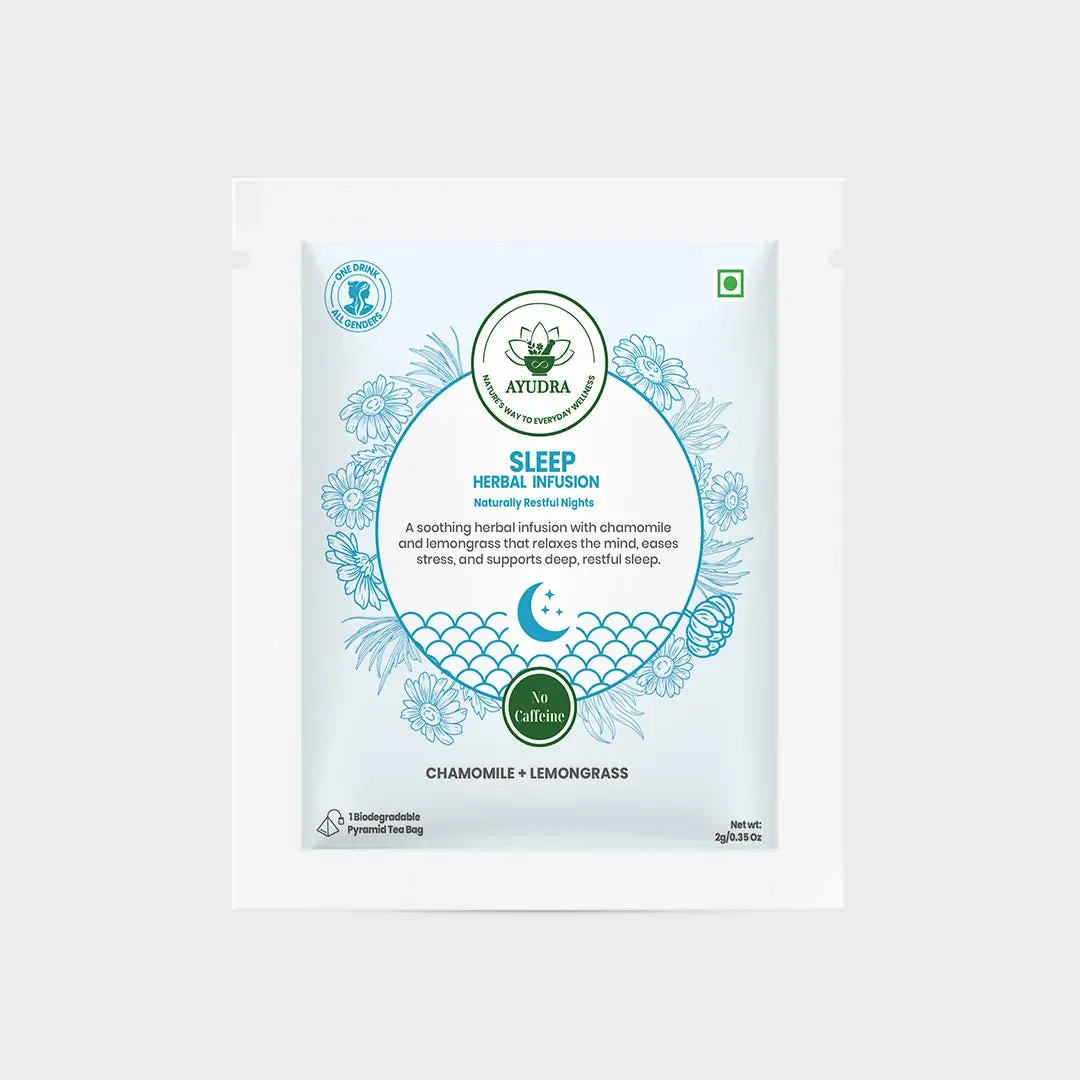
Sleep Tea Sample Sachet
-
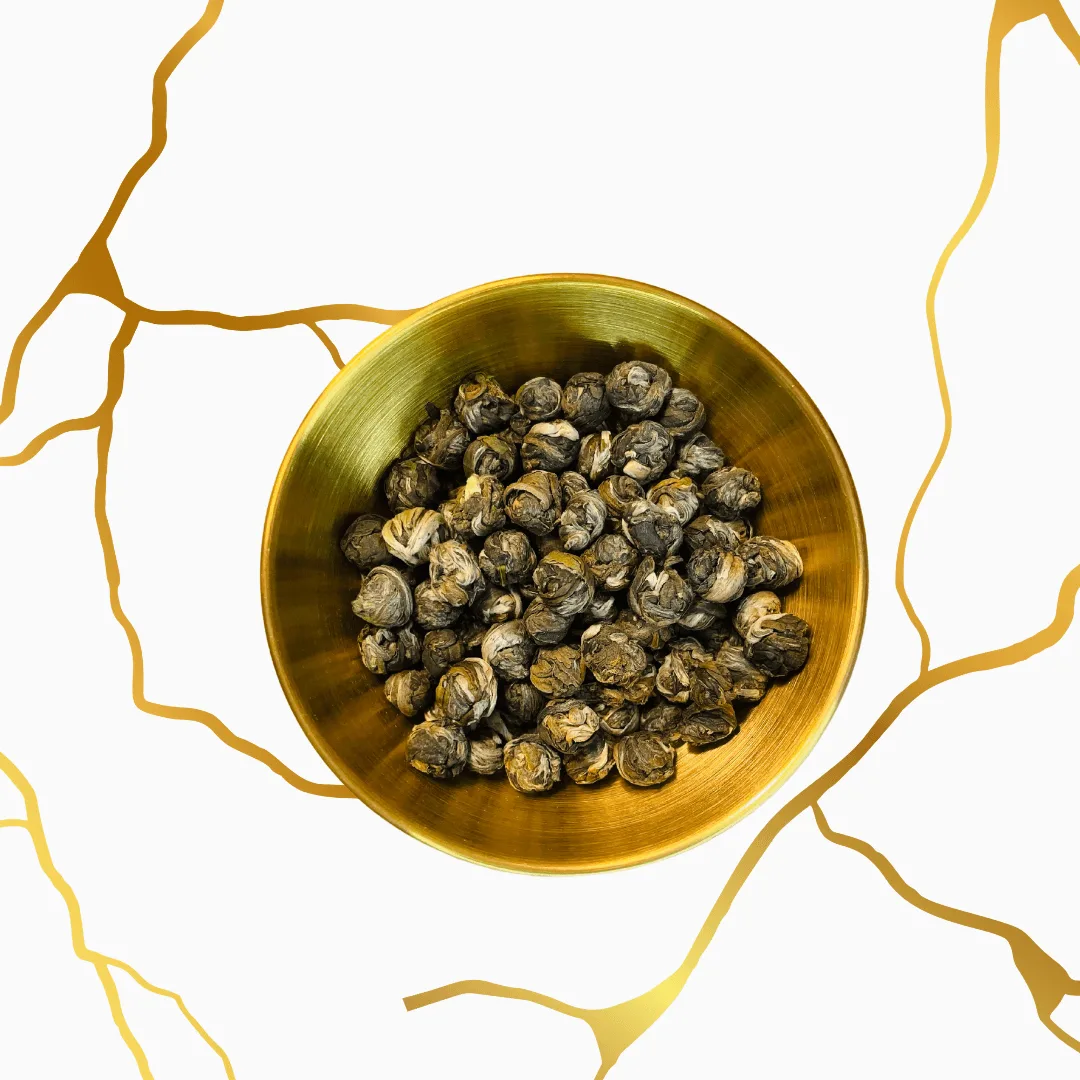
Jasmine Bouquet Tea Sample Sachet: A floral green tea with a delicate jasmine character and smooth, mellow flavor. Green teas are prone to bitterness if over-steeped, so this sample is great for practicing temperature control.
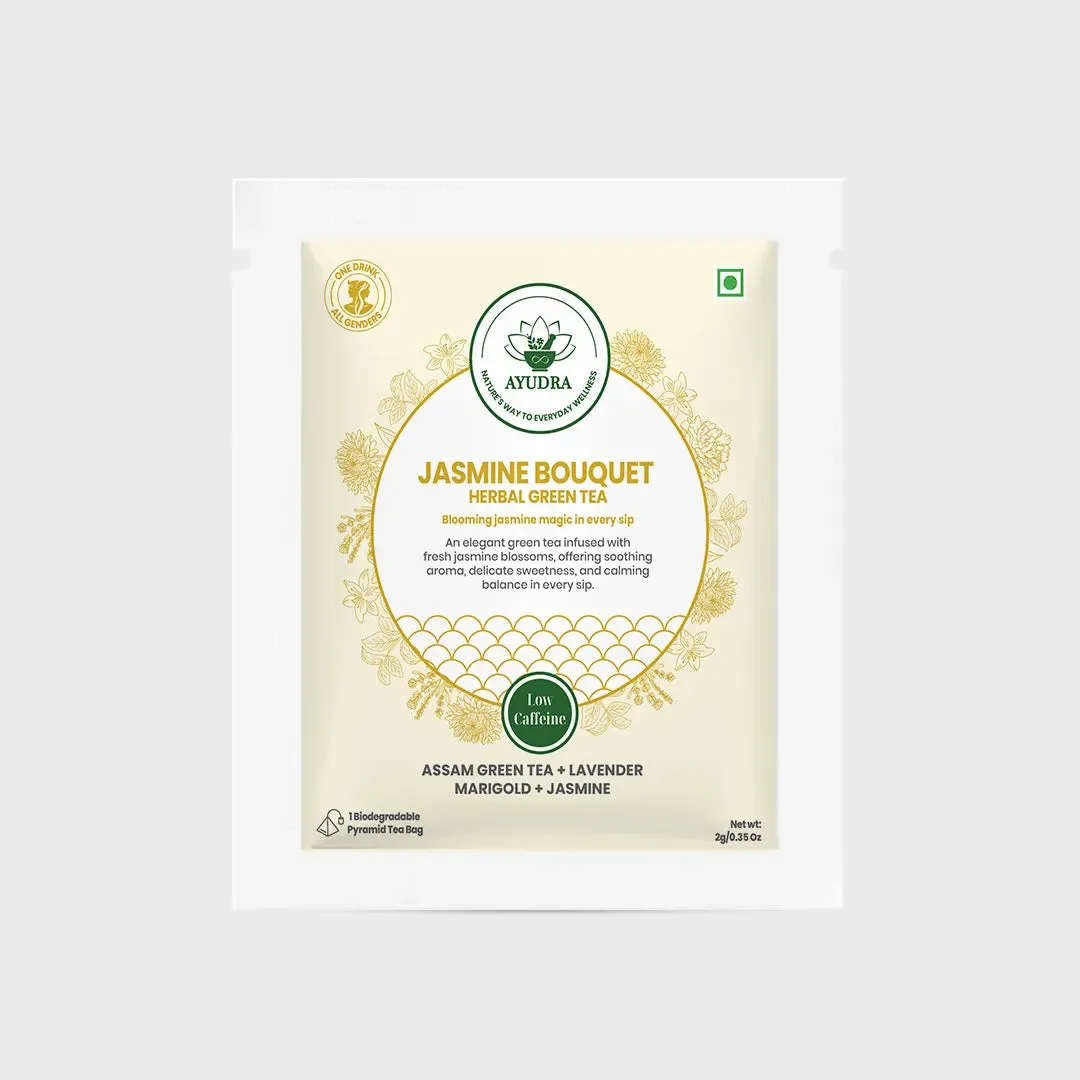
Jasmine Bouquet Tea Sample Sachet
-
Blue Pea Spiced Tea Sample Sachet: A visually stunning tea with a striking blue hue, blended with warming spices. Its unique flavor profile is a fun way to experiment with steeping times and discover your preferred strength.