Quick answer
Most harsh vodka is caused by serving it too warm or storing it badly, not by a faulty bottle. Chill it properly, add a small amount of water or mixer, and store it upright away from heat and light. If it still burns after that, the issue is the bottle itself, not your technique.
The three usual causes of a harsh pour
Harshness in vodka almost always traces back to one of three things: temperature, storage, or the absence of dilution. Warm spirit releases alcohol vapour faster, which your nose reads as burn. A bottle kept near a radiator, in sunlight or in a warm cupboard will taste sharper than the same liquid served cold. And neat vodka with no water or mixer gives the alcohol nothing to soften against, so even a clean spirit feels aggressive.
The fix is not to mask the vodka but to correct the conditions. Get the bottle cold, keep it cold, and give the spirit a little room to breathe. That is usually enough to turn a sharp sip into a smooth one.
Temperature: cold is the single biggest lever
Vodka serving temperature tips matter more than most people expect. Chilling a bottle to around freezer temperature thickens the texture slightly and suppresses the volatile compounds that read as harsh. For neat drinking, 30 to 45 minutes in the freezer is usually enough for a 70cl bottle to reach a genuinely cold pour. If you keep it in the fridge instead, expect a softer but less dramatic improvement.
Do not leave a bottle in the freezer indefinitely if you plan to drink it slowly over weeks. Repeated freeze-thaw cycles are not ideal for flavour stability. Chill what you plan to pour, then return the bottle to a cool, dark place.
- Neat: freezer-chilled, poured into a chilled glass.
- On the rocks: use one large cube, not several small ones, so dilution stays controlled.
- Mixed: start with a chilled mixer so you are not warming the spirit back up.
Dilution: a few drops change the whole sip
A small amount of water opens up the aroma and takes the edge off the alcohol. For a 25ml measure of neat vodka, start with three to five drops of cold still water. Taste, then add a few more if it still bites. This is the cheapest and fastest way to make vodka taste smoother without changing its character.
If you prefer a longer drink, choose a mixer that complements rather than competes. Lemonade, soda and tonic all work, but a flavoured vodka already carries its own sweetness, so a neutral mixer usually gives a cleaner result than a sugary one.
Storage: does vodka go bad?
Unopened vodka does not spoil in the way food does, but it does change. Once opened, oxygen slowly alters the spirit, and after a year or more you may notice a flatter, slightly sharper profile. Heat and direct sunlight accelerate that decline. Storing vodka correctly means upright, sealed, away from windows and radiators, and out of the kitchen if your kitchen runs warm.
Flavoured expressions are more sensitive than plain vodka because the added flavours can fade or turn. If a bottle has been open for a long time and tastes dull rather than harsh, it is likely past its best for neat sipping. Use it in mixed drinks rather than pouring it as a shot.
Glassware and pace
A narrow shot glass concentrates alcohol vapour right under your nose, which is why shots often taste hotter than the same liquid sipped from a wider glass. If you want the best way to drink vodka neat, use a small tumbler or a chilled rocks glass and sip slowly. Let the glass sit for a moment after pouring; the first ten seconds are usually the sharpest.
Sipping rather than shooting also gives your palate time to adjust. Most people find the second and third sip noticeably smoother than the first, which is a sign the harshness was partly a serving issue rather than the spirit itself.
Diagnose your harsh pour
- Burns on the first sip but smooths out: This is usually temperature and vapour, not the spirit. Chill the bottle in the freezer for 30 to 45 minutes and use a wider glass so alcohol vapour is not funnelled straight to your nose. If the second sip is noticeably softer, your serving method was the problem.
- Tastes sharp even when cold: Add three to five drops of cold water per 25ml measure and taste again. If it improves, you simply prefer a little dilution. If it does not, the bottle may have been stored warm or open too long. Stop adding water once the burn fades; more will flatten the flavour.
- Flat, dull or slightly off rather than burning: This points to storage rather than serving. Check whether the bottle has been open for many months or kept near heat or light. Move it to a cool, dark, upright position and use it in mixed drinks rather than neat. If it still tastes dull after chilling, replace the bottle for neat drinking.
- Still harsh after chilling, diluting and storing correctly: At this point the issue is the liquid itself, not your technique. Some spirits are simply built with more bite. Switch to a lower-ABV flavoured expression or a bottle you already know you enjoy rather than trying to fix a spirit that does not suit your palate. Choose another bottle instead of forcing a neat pour you do not enjoy.
Bottles worth trying if you want a softer base
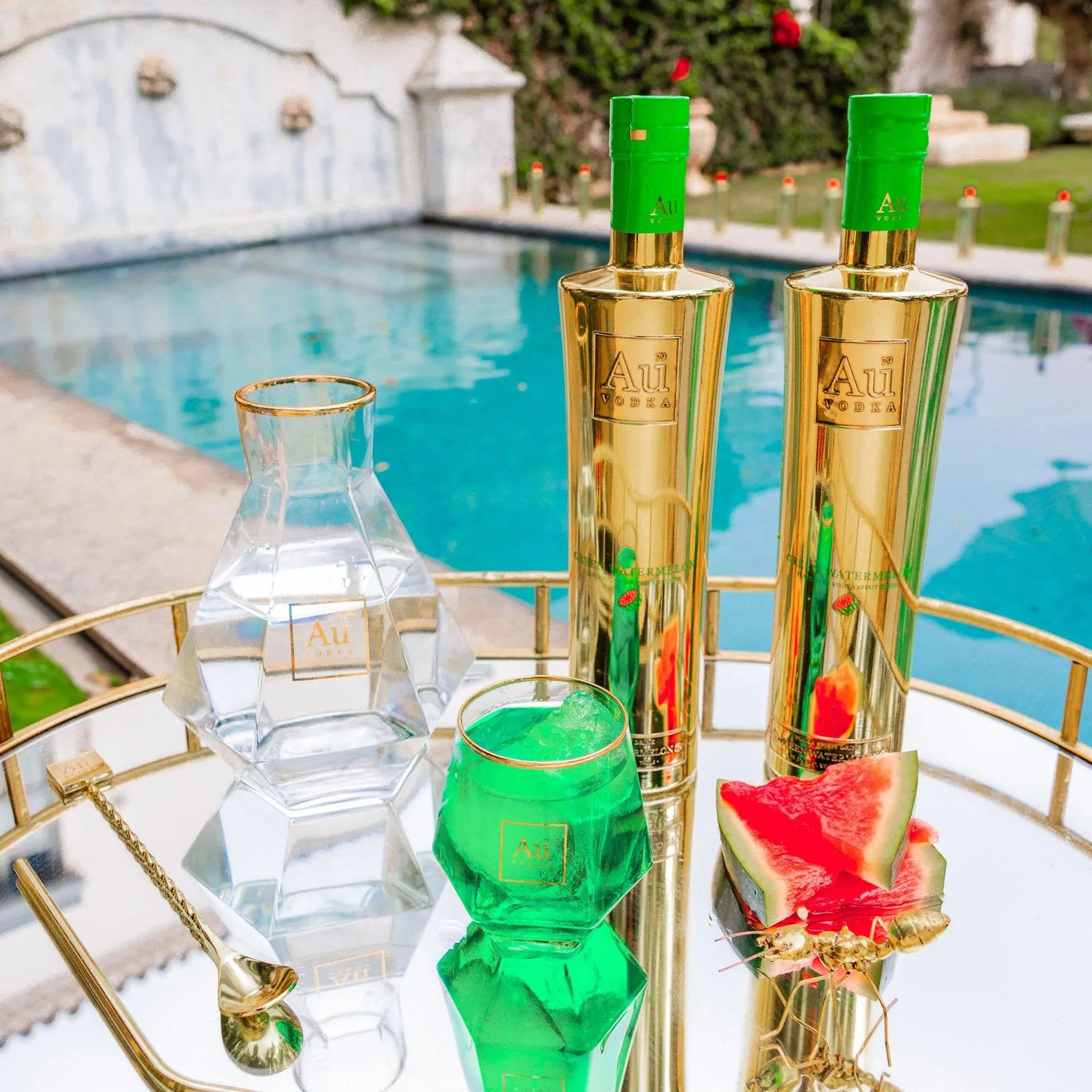
- Au Vodka Green Watermelon 70cl: Au Vodka Green Watermelon is a flavoured spirit drink at 35.2% ABV in a 70cl bottle, made with five-times distilled vodka and fresh watermelon flavour. The watermelon flavour gives the spirit a fruit-forward profile, so it reads less aggressively than a plain high-strength vodka when served cold.
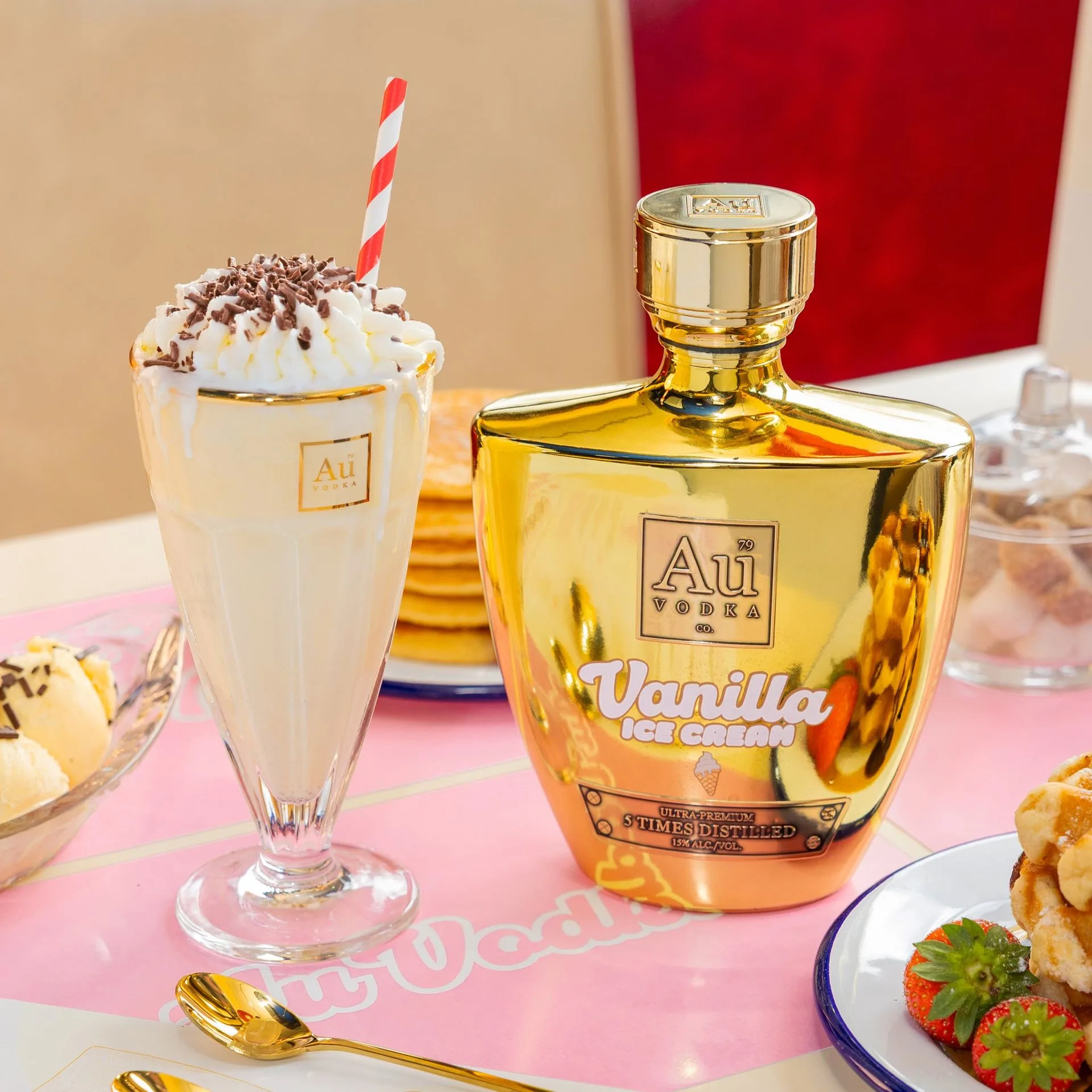
- Au Vodka Vanilla Ice Cream 70cl: Au Vodka Vanilla Ice Cream is a flavoured spirit drink at 15% ABV in a 70cl bottle, blended with vanilla ice cream for a rich, velvety finish, and the gold closure doubles as a shot glass. At 15% ABV it is far lower in alcohol than a standard vodka, so it is a practical choice if standard-strength neat pours feel too hot.