Quick answer
Leash chewing is rarely about the leash itself. It usually signals teething discomfort, pent-up energy, or a habit that got reinforced because chewing made the walk pause or turned into a game. Fix the cause first: give puppies legal chew outlets, shorten and reward loose-leash walking, and interrupt mouthing before it becomes a tug-of-war. If your dog can already bite through webbing, switch to a metal or chain lead for safety and treat the chewing as a training issue, not a gear problem.
Separate the symptom from the cause
Before you buy a new leash or tighten your grip, watch when the chewing happens. A puppy who mouths the leash during teething is in a different situation from an adult dog who grabs the leash only when you stop to talk to a neighbor. Note the trigger, the time of day, and what happens immediately after the dog takes the leash in its mouth. That pattern tells you whether you are dealing with discomfort, boredom, excitement, or a learned game.
- Chewing starts within minutes of leaving the house: often excitement or teething.
- Chewing starts when the walk slows or stops: often frustration or a demand for movement.
- Chewing starts after a long day without exercise: often pent-up energy.
- Chewing targets the handle or the part near your hand: often proximity and hand-mouthing, not the leash material.
Correct the cause, not just the mouth
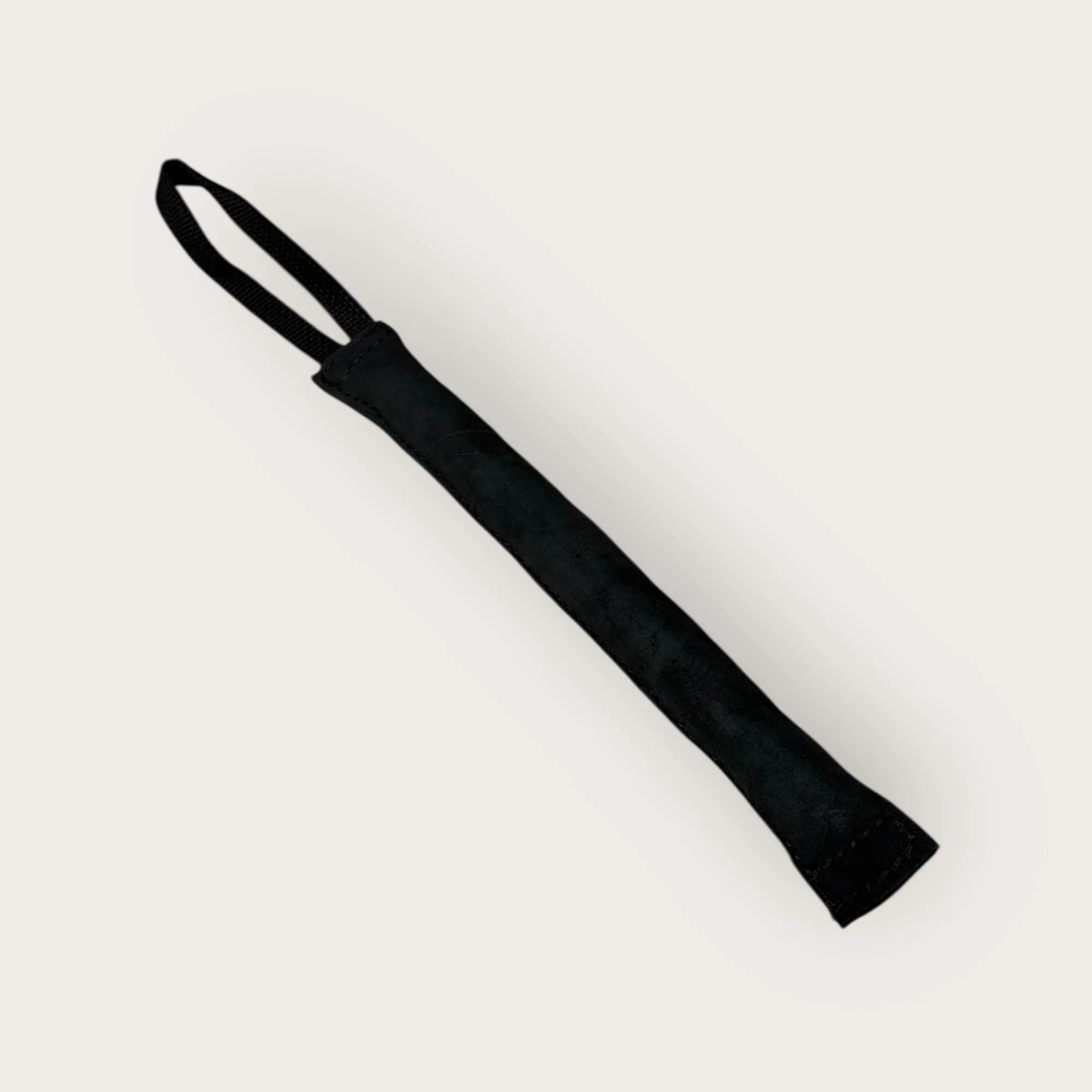
For puppies, provide appropriate chew items at home and offer one before and after walks. During walks, carry a small toy or chew that is more interesting than the leash and swap it in the moment your puppy targets the leash. Reward walking beside you with treats and praise so the leash loses its value as a toy. Keep training sessions short and end on a calm note.
For adult dogs, increase physical exercise and mental work before the walk. A tired dog is less likely to invent leash games. Teach a solid 'leave it' cue indoors first, then practice it on a quiet street before using it on a busy walk. If your dog grabs the leash to restart the walk, stand still and wait for the leash to drop before moving again. Moving forward while the dog has the leash in its mouth rewards the behavior.
- Reward the dog for walking on a loose leash before it has a chance to grab.
- Use a front-clip harness or a head collar to reduce pulling if the dog lunges toward the leash.
- Avoid jerking or yanking the leash out of the dog's mouth; it can turn into a tug game or cause injury.
- Practice 'leave it' with the leash on the floor at home before expecting it outdoors.
Protect the leash while you train
Management buys you time while training takes effect. A lightweight chain or metal lead is harder to chew through than webbing, but it is not a substitute for training and can be uncomfortable to hold. If you use a chew-resistant lead, pair it with a comfortable handle or a separate training leash so you are not fighting the equipment. Check the leash after every walk for fraying, especially near the handle and the clip, and retire any leash with damaged stitching.
- Use a chew-resistant metal or chain lead during the training phase.
- Keep a spare leash so you are not tempted to use a damaged one.
- Inspect webbing and stitching weekly for small nicks that can grow into failures.
When to stop and choose another option
Stop trying to train through leash chewing if your dog is injuring its mouth, swallowing pieces of leash, or becoming aggressive when you reach for the leash. Those are signs to involve a veterinarian or a qualified trainer. Also stop if the behavior only happens in high-traffic areas where you cannot safely pause; in that case, use a chew-resistant lead and a front-clip harness for control while you practice in quieter places. If your dog has a history of biting through leashes, do not rely on a fabric leash as a safety line—use a metal lead and keep a backup connection.
- See a vet if chewing is sudden, intense, or accompanied by drooling or mouth pain.
- Hire a trainer if the behavior persists after two weeks of consistent management and reward.
- Switch to a metal lead if your dog has already severed a fabric leash.
Leash-chewing diagnosis
- Puppy under 6 months mouths everything: Teething puppies explore with their mouths and may target the leash because it is the most available object. Provide frozen chew toys and reward walking with a loose leash. If the puppy is still chewing after teething ends, move to the next diagnosis.
- Chewing starts when the walk stops: This is often frustration or a demand for movement. Stand still until the leash is dropped, then reward the drop and continue. Do not play tug. If the dog escalates to biting the leash or your hand, use a front-clip harness and consult a trainer.
- Chewing only happens on certain surfaces or in certain weather: Some dogs mouth the leash when they are overstimulated by traffic, other dogs, or slippery footing. Change the route to quieter areas and practice loose-leash walking there. If you cannot avoid the trigger, use a chew-resistant metal lead and a backup connection until training improves.
- Dog has already chewed through a leash: This is a safety issue, not just a training issue. Switch to a metal or chain lead and inspect all gear for damage. Do not use a damaged leash. If the dog continues to bite through metal leads, seek professional help immediately.
Gear that supports the fix
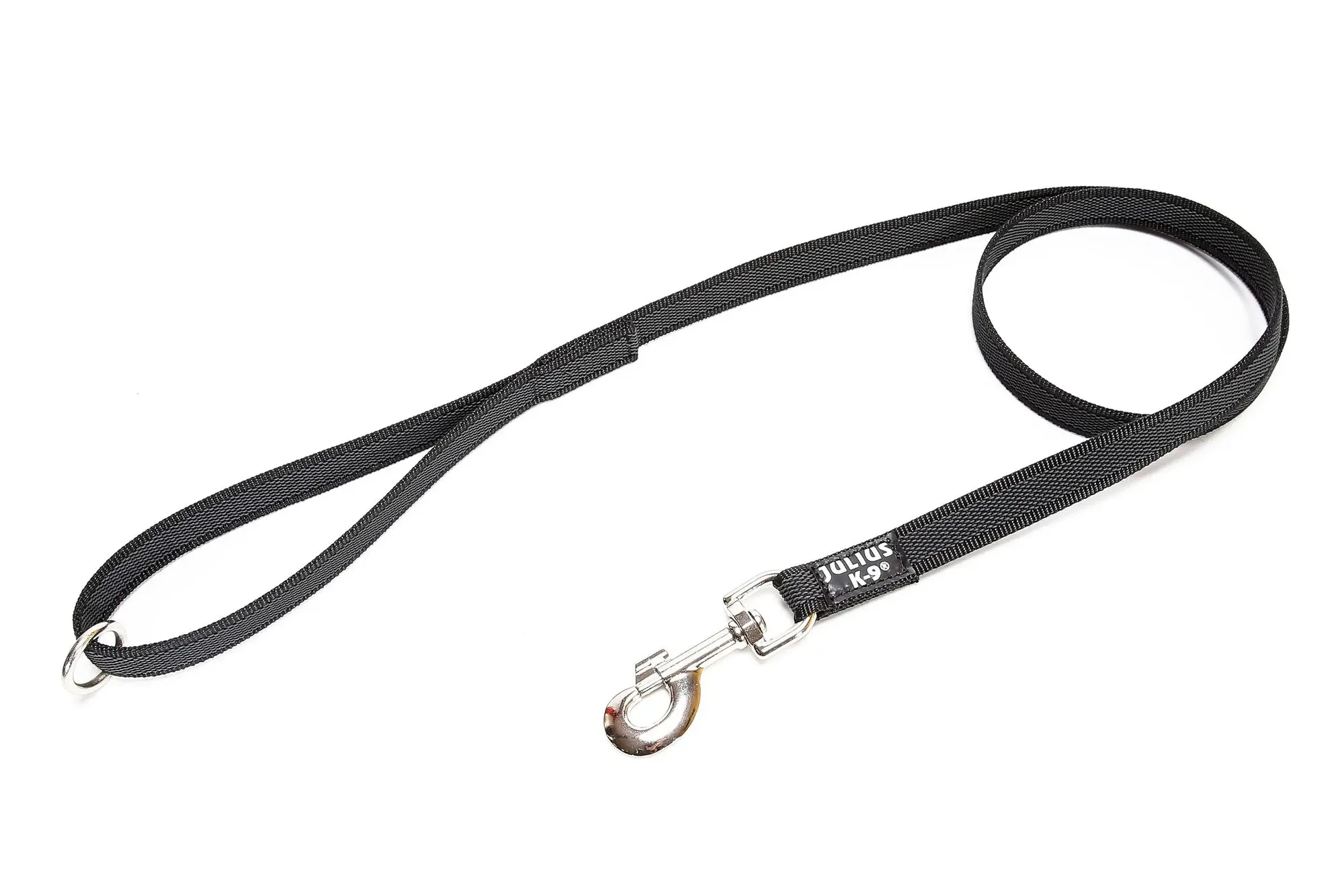
- Julius-K9 Color & Gray® Super-Grip Leash with Handle: The Julius-K9 Color & Gray Super-Grip Leash has woven rubber threads for a non-slip grip in rain, mud, or cold weather, and a lightweight construction. A secure grip helps you stay calm and avoid jerking the leash when your dog mouths it, and the lightweight build reduces hand fatigue during long training walks.