Quick answer
Most harness rubbing comes from three fit problems: a strap sitting in the armpit crease, a loose harness that shifts with every stride, or webbing that stays wet and gritty against the skin. Fix the strap position first, then check tension and padding. If the skin is already broken or the fur loss keeps spreading after two weeks of correct fit, stop using that harness and have a vet look at the skin.
Symptom check: what harness irritation actually looks like
Harness chafing rarely appears as one obvious wound. You are more likely to see thinning fur along the shoulder or behind the front leg, a red or damp patch in the armpit, or a dog that slows down, licks at the area, or dips away when you reach for the harness. Some dogs develop a small bald ring exactly where a strap crosses. Others get matted or discolored fur that smells sour even after a bath.
Timing matters. Rub that appears after a single long hike points to friction from a loose strap or wet webbing. Rub that builds gradually over weeks usually points to a strap sitting in the wrong place. Rub that appears only in summer often comes down to sweat, dirt, and a harness that never fully dries.
Cause 1: the strap is sitting in the armpit crease
The armpit is the highest-friction zone on any harness because the skin folds and moves with every step. If the chest strap or the girth strap crosses that crease, even a well-made harness will rub. The fix is to move the strap forward onto the flat of the chest or back onto the ribcage, not deeper into the crease.
Adjust one strap at a time and walk the dog 20 steps. Watch where the strap lands at the end of the stride, not while the dog is standing still. A strap that looks clear while standing can slide straight into the armpit once the dog trots.
Cause 2: a loose harness shifts and grinds
A harness that is too loose moves independently of the dog, which turns every stride into a small sanding action. You want snug contact, not compression. The test: you should be able to slide two fingers flat under each strap, but not a whole hand. Straps that hang away from the body or twist sideways need tightening or a different size.
Check the harness after a walk, not before. Straps loosen with movement, and a harness that was snug in the driveway can be sliding by the time you get home.
Cause 3: wet, dirty webbing against skin
Webbing holds grit, salt, and moisture. A damp harness against warm skin softens the outer layer of the skin and makes friction far more damaging. If your dog swims, works in wet grass, or walks on salted roads, rinse the harness in plain water and dry it fully before the next use. Keep a second harness in rotation so one can dry completely.
Padded harnesses reduce point pressure, but padding does not fix a strap in the wrong place. Position first, padding second. If the rub is mild and the fit is correct, a padded or fleece-lined harness can be enough to stop harness chafing in the armpits.
When to stop and choose another option
Stop using the harness and switch to a flat collar or a different harness design if the skin is broken, weeping, or swollen, if your dog yelps when the harness goes on, or if fur loss continues to spread after two weeks of correct fit and clean gear. Recurring rub in the same spot usually means the harness shape does not match your dog's build, not that you need to adjust harder.
Dogs with very deep chests, narrow shoulders, or short coats are the most likely to rub in a standard harness. If you have already corrected strap position and tension and the problem returns, the harness is the wrong shape for your dog. Choose a design with a different strap layout rather than adding padding to a harness that keeps landing in the crease.
Diagnosis: match the symptom to the fix
- Bald ring or red line where a strap crosses: The strap is sitting in the armpit crease or over a bony point. Move the strap forward onto the flat of the chest or back onto the ribcage, then walk the dog to confirm it stays clear at a trot. If the mark is still in the same place after repositioning, the harness shape is wrong for your dog.
- Fur thinning all along the shoulder and chest: The harness is too loose and shifting with every stride. Tighten until you can slide two flat fingers under each strap, and recheck tension after the walk. A harness that twists sideways during a walk is still too loose.
- Damp, smelly, or matted fur under the harness: Moisture and grit are trapped against the skin. Rinse the harness in plain water, dry it completely, and rotate a second harness so no damp gear goes back on. If the skin is broken or weeping, stop using the harness and see your vet.
Gear that helps when the problem is contact, not fit
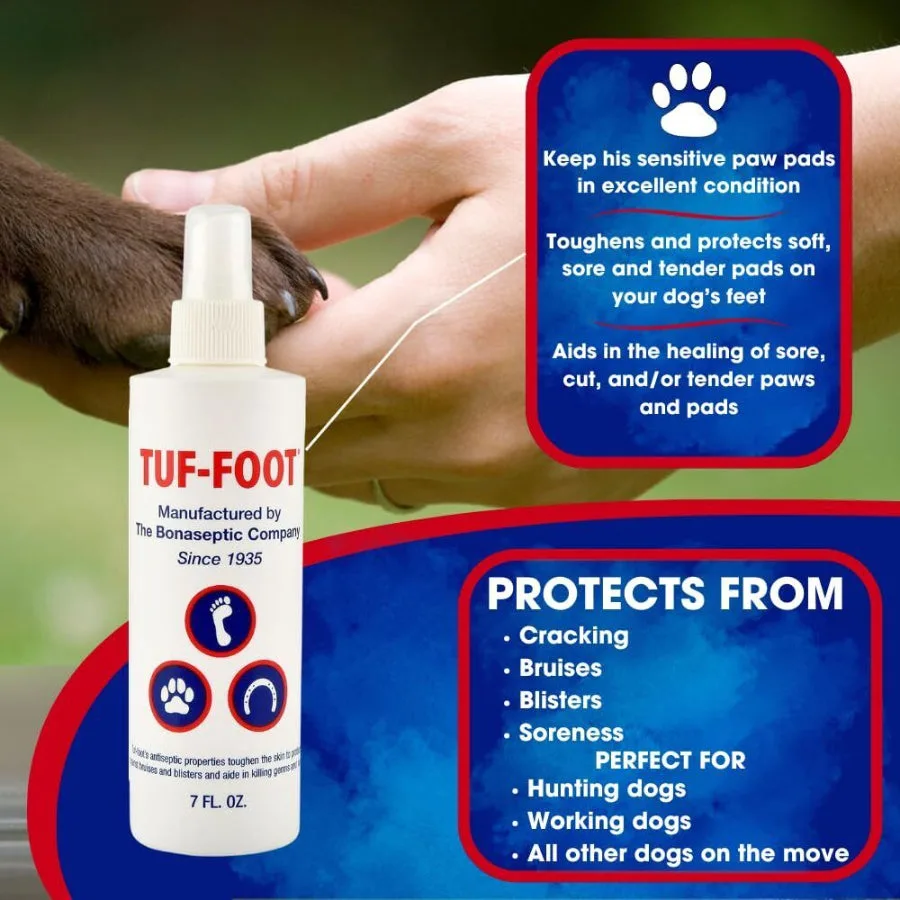
- Tuf-Foot for dogs: Tuf-Foot is made to toughen and protect soft, sore, and tender pads, and has been shown to aid healing of sore, cut, or tender paws and pads, often with results within a few days. If your dog's harness rub has left skin tender or the pads are also worn from long walks, Tuf-Foot supports the healing side while you correct the fit. It is not a substitute for fixing a strap that sits in the armpit.
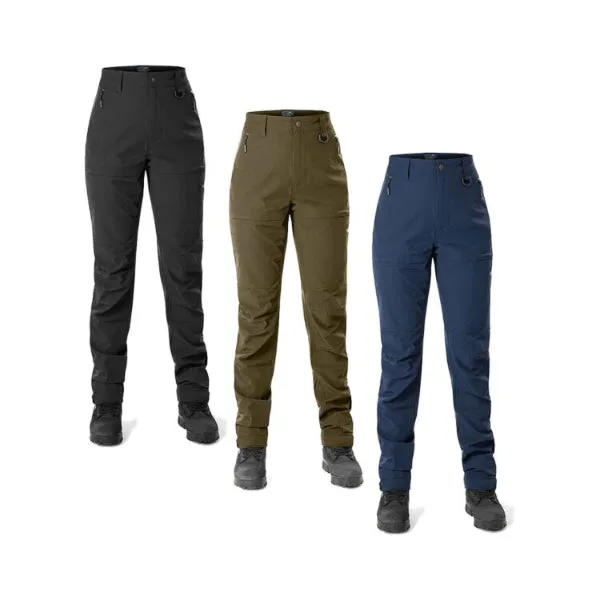
- Arrak Quick Dry Pants - Ladies: Arrak Quick Dry Pants use quick-drying 4-way stretch material with boot hooks, adjustable leg ends, and zippers, and shipping can take up to 4-6 weeks. For owners who walk in wet grass or train in warm weather, quick-dry clothing keeps your own legs dry so you are less likely to rush the harness check. Plan ahead given the longer shipping window.