Quick Answer
If your dog pulls on a flat collar, the most effective fix is to stop rewarding the pull and start rewarding loose-leash walking with consistent training. For persistent pullers, switching to a harness can reduce strain and give you more control.
Why flat collars can make pulling worse
Flat collars sit around your dog's neck, and when your dog leans into the leash, the pressure on the neck can actually trigger an opposition reflex. This means the more your dog pulls, the more they lean in, creating a cycle that's hard to break.
That doesn't mean flat collars are bad. They're great for ID tags, everyday walks with well-mannered dogs, and quick bathroom breaks. But if your dog is a strong or determined puller, a flat collar may not give you the control you need.
The key is to understand that pulling is often a learned behavior. If your dog pulls and you follow, they learn that pulling gets them where they want to go. Breaking that pattern requires consistent training and sometimes a different tool.
When to switch to a harness
If your dog pulls persistently despite training, a harness can be a safer and more effective option. Harnesses distribute pressure across the chest and back, reducing strain on the neck and giving you better control without encouraging the opposition reflex.
However, not all harnesses are the same. Some harnesses, especially those with a front clip, can actually help reduce pulling by steering your dog's chest gently to the side. Back-clip harnesses may not address pulling as effectively.
For dogs that are small, have respiratory issues, or are prone to neck injuries, a harness is often the better choice from the start. But for dogs that walk politely on a loose leash, a flat collar is perfectly fine.
Diagnosing and fixing the pulling problem
- Symptom: Your dog pulls on the leash, lunges forward, or strains against the collar during walks.
- Likely cause: Pulling is often reinforced because the dog learns that pulling gets them closer to interesting sights, smells, or other dogs. Flat collars can also trigger an opposition reflex that encourages more pulling. If your dog pulls only in certain situations (like when seeing another dog), the cause is likely excitement rather than general leash manners.
- Corrective action: Stop moving when your dog pulls. Wait for the leash to go slack, then reward with a treat and continue. Practice in low-distraction areas first, and be consistent. If your dog continues to pull strongly, consider switching to a harness designed to reduce pulling. Consistency is key. Make sure everyone who walks your dog uses the same rules.
- When to stop or choose another option: If your dog pulls persistently after several weeks of training, or if you have a strong dog that's hard to control, switch to a harness. Also choose a harness if your dog has a neck injury, respiratory issues, or is a brachycephalic breed like a pug. A flat collar is fine for calm, well-trained dogs, but a harness is the safer choice for persistent pullers.
Flat collars from Beast & Buckle
-
Black Dog Collar: The Beast & Buckle dog collar is built to be comfortable on your neck and easy to wash. A comfortable, washable collar makes everyday wear pleasant for your dog and easy for you to keep clean, even after muddy adventures.
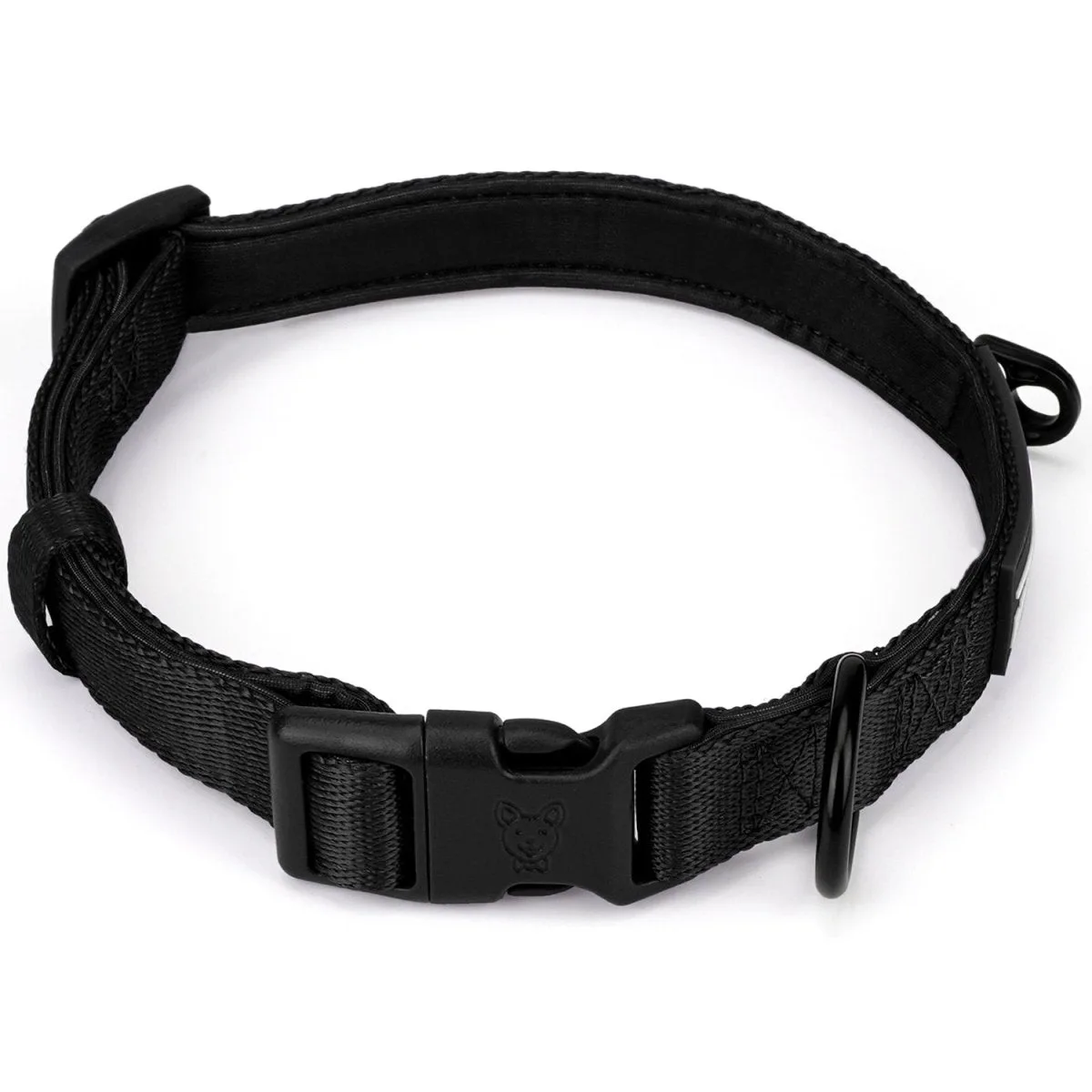
Black Dog Collar
-
Sailor Dog Collar: This collar features our Sailor pattern and is adjustable to fit your neck perfectly. An adjustable fit ensures the collar sits correctly, which is important for comfort and safety during walks.
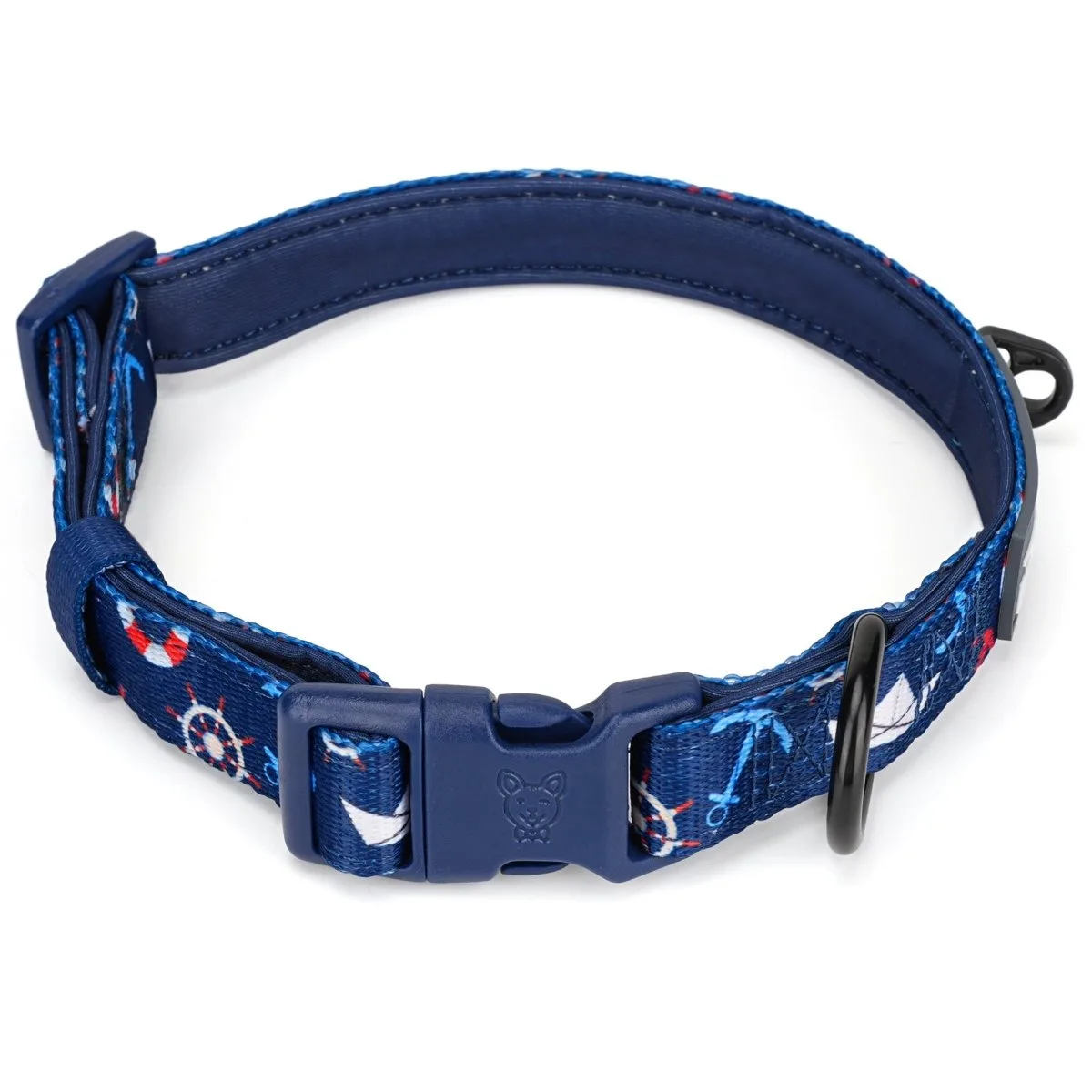
Sailor Dog Collar
-
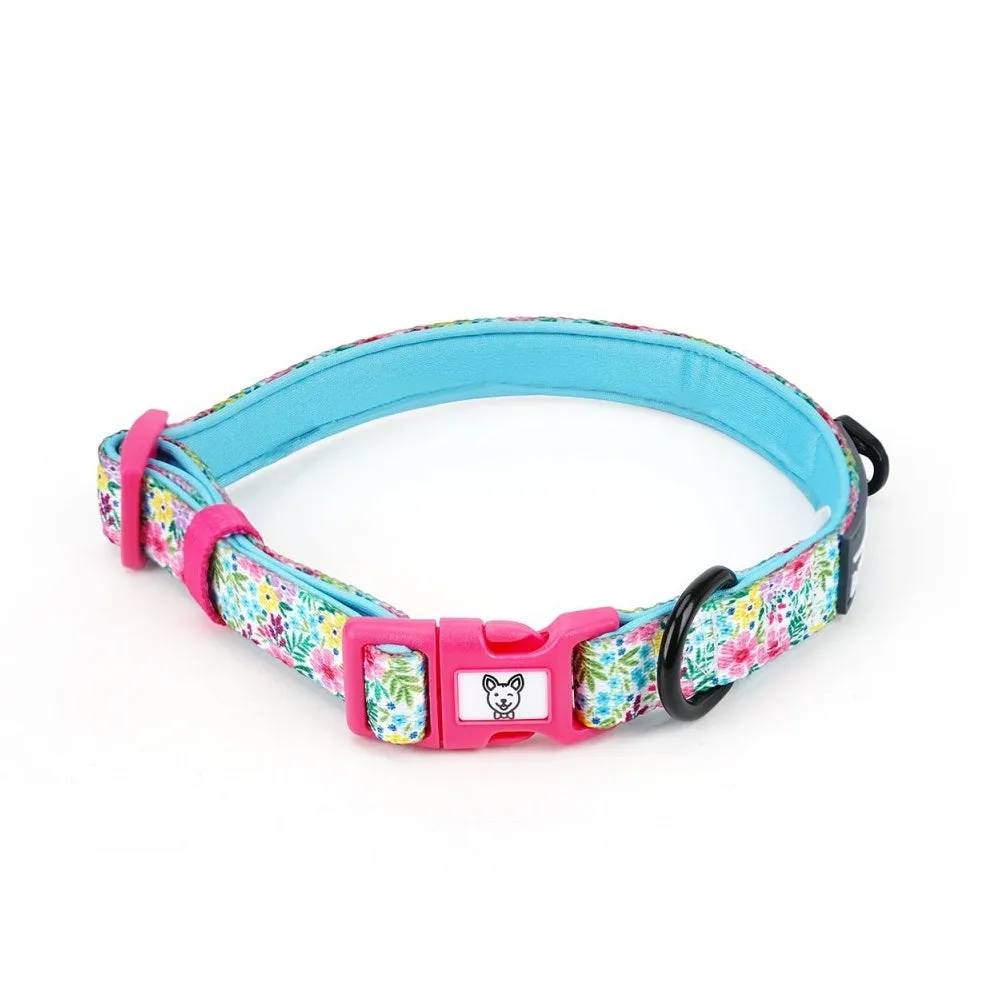
Floral Dog Collar: This collar features our beautiful Floral pattern and is adjustable for a perfect fit. A well-fitted collar reduces chafing and ensures the collar stays in place, making it a good choice for dogs that don't pull.
Start by diagnosing your dog's pulling behavior, then apply the training steps consistently. If pulling continues, a harness is a practical and safer alternative to a flat collar.