Quick answer
Most dogs push food out of the bowl because the bowl slides, the food is hard to reach, or they are eating too fast and need to slow down. Start by switching to a heavier or anchored bowl and a slow feeder, then rule out whisker fatigue, dental pain, and food texture issues. If your dog still flips the bowl or refuses to eat after these changes, see your vet.
You fill the bowl, turn around, and come back to a kibble trail across the floor. Maybe the bowl is upside down, or your dog is carrying mouthfuls to the carpet. It looks like a behavior problem, but it is usually a setup problem.
This guide separates the symptom from the likely cause so you can fix the right thing. We will cover bowl stability, slow feeders, whisker fatigue, dental checks, and when to stop troubleshooting and call your vet.
Symptom: Food ends up on the floor, not in your dog
The first step is to watch how the food leaves the bowl. Does your dog nudge the bowl with their nose until it slides, then flip it? That points to a stability problem. Does your dog take a mouthful, walk away, and drop it on the floor to eat? That points to a pacing or texture problem. Does your dog eat fine from a plate but not a deep bowl? That points to reach or whisker discomfort.
Write down what you see for two or three meals. Note the bowl type, whether it slides, how fast your dog eats, and whether the food is kibble, wet, or mixed. That pattern tells you which fix to try first instead of buying random gear.
- Check if the bowl slides before your dog even touches it.
- Notice whether your dog eats the floor pieces or ignores them.
- Time one meal to see if your dog is eating in under two minutes.
Cause 1: The bowl slides or tips
A light bowl on a hard floor is a toy to a determined eater. When the bowl slides, your dog follows it, paws at it, and eventually flips it. This is especially common with flat-faced breeds, puppies, and dogs who eat with enthusiasm. The fix is not training first; it is a bowl that stays put.
Look for a bowl with a wide, weighted base or a non-slip ring. If your dog is a known bowl flipper, a heavy ceramic or stainless bowl with a rubber grip is the simplest starting point. Place it on a mat with a rubber backing so the whole setup stays still. If the bowl still moves, your dog may be pushing it because the food is hard to reach, which is the next cause.
- Press the empty bowl with one finger. If it slides, it will slide for your dog.
- A wet floor makes even weighted bowls move. Dry the floor before meals.
Cause 2: Your dog eats too fast and needs to slow down
Some dogs push food out of the bowl because they are eating so fast that kibble spills over the sides. This is common in multi-dog homes, with rescue dogs who had to compete for food, and with dogs who simply love to eat. A slow feeder for a messy eater changes the mechanics: the food sits in channels or pockets, so your dog has to work for each bite.
A slow feeder also reduces the amount of food that ends up on the floor because your dog cannot scoop a whole mouthful over the rim. If your dog is already food-motivated, a treat-dispensing toy can redirect that energy at other times of day. The NEW! Golf Ball Treat Dispenser & Toy is a rubber enrichment toy you fill with kibble or treats; it gives your dog a legal place to push, paw, and work for food instead of flipping the dinner bowl.
- If your dog finishes a meal in under two minutes, try a slow feeder.
- Use a treat dispenser between meals, not as a replacement for the bowl.
Cause 3: Whisker fatigue or a bowl that is too deep
Whiskers are sensitive. When they rub against the sides of a deep or narrow bowl, some dogs respond by backing out, pawing, or carrying food to the floor. This is often called whisker fatigue, and it is more common in dogs with long muzzles and prominent whiskers. The tell is a dog who eats happily from a flat plate but struggles with a deep bowl.
Try a shallow, wide bowl or a plate for a few meals. If the floor mess stops, the bowl depth was the problem. If your dog still drops food, check the food itself. Large kibble pieces can be awkward to pick up, and some dogs prefer to carry them to a flat surface before chewing.
- A flat plate is a free test for whisker or depth issues.
- If your dog eats from a plate without mess, keep the plate.
Cause 4: Dental pain or a medical issue
A dog who suddenly starts dropping food, chewing on one side, or avoiding the bowl may have dental pain. Broken teeth, gum disease, and oral masses are common in older dogs. If your dog is also drooling, has bad breath, or is losing weight, stop troubleshooting the bowl and book a vet visit.
Other medical causes include nausea, acid reflux, and megaesophagus, which can cause food to come back up or be dropped. These are not bowl problems. If your dog pushes food out of the bowl but also vomits, coughs, or seems painful, that is your signal to stop and get professional help.
- A sudden change in eating style is a vet question, not a gear question.
- Do not wait weeks to see if a dental issue resolves on its own.
When to stop troubleshooting and choose another option
If you have tried a stable bowl, a slow feeder, and a shallow plate, and your dog still flips the bowl or refuses to eat, the problem is likely not the bowl. At that point, stop buying new feeders. A vet check is the next step, especially if your dog is losing weight, vomiting, or showing pain.
If your dog is healthy but continues to make a mess, accept a workable setup rather than chasing a perfect one. A heavy bowl on a rubber mat, a slow feeder, and a consistent feeding spot solve most cases. For dogs who need more mental work, a treat-dispensing toy can replace the dinner-bowl battle with a game.
- Two weeks of consistent setup is a fair trial.
- If nothing changes, switch from gear to a vet visit.
Diagnose the bowl problem in three checks
- Check bowl stability: Press the bowl with one finger. If it slides, your dog will slide it too. Switch to a weighted bowl with a rubber base or set it on a rubber-backed mat. If the bowl stays put for one full meal, this was the cause.
- Check eating speed: Time one meal. If your dog finishes in under two minutes and food spills over the rim, try a slow feeder or a treat-dispensing toy for enrichment. If the floor stays clean with a slow feeder, this was the cause.
- Check for pain or refusal: If your dog drops food, chews on one side, drools, or avoids the bowl entirely, stop adjusting gear and call your vet. Sudden changes in eating behavior are a medical question, not a bowl question.
Products that help with messy eating
- NEW! Golf Ball Treat Dispenser & Toy: The Golf Ball Rubber Treat Dispenser & Enrichment Toy is a chew toy that dispenses treats like kibble or canned dog food and provides a long-lasting enrichment challenge. If your dog pushes food out of the bowl for entertainment, this toy gives them a constructive outlet for pawing and working for food instead of flipping the bowl.
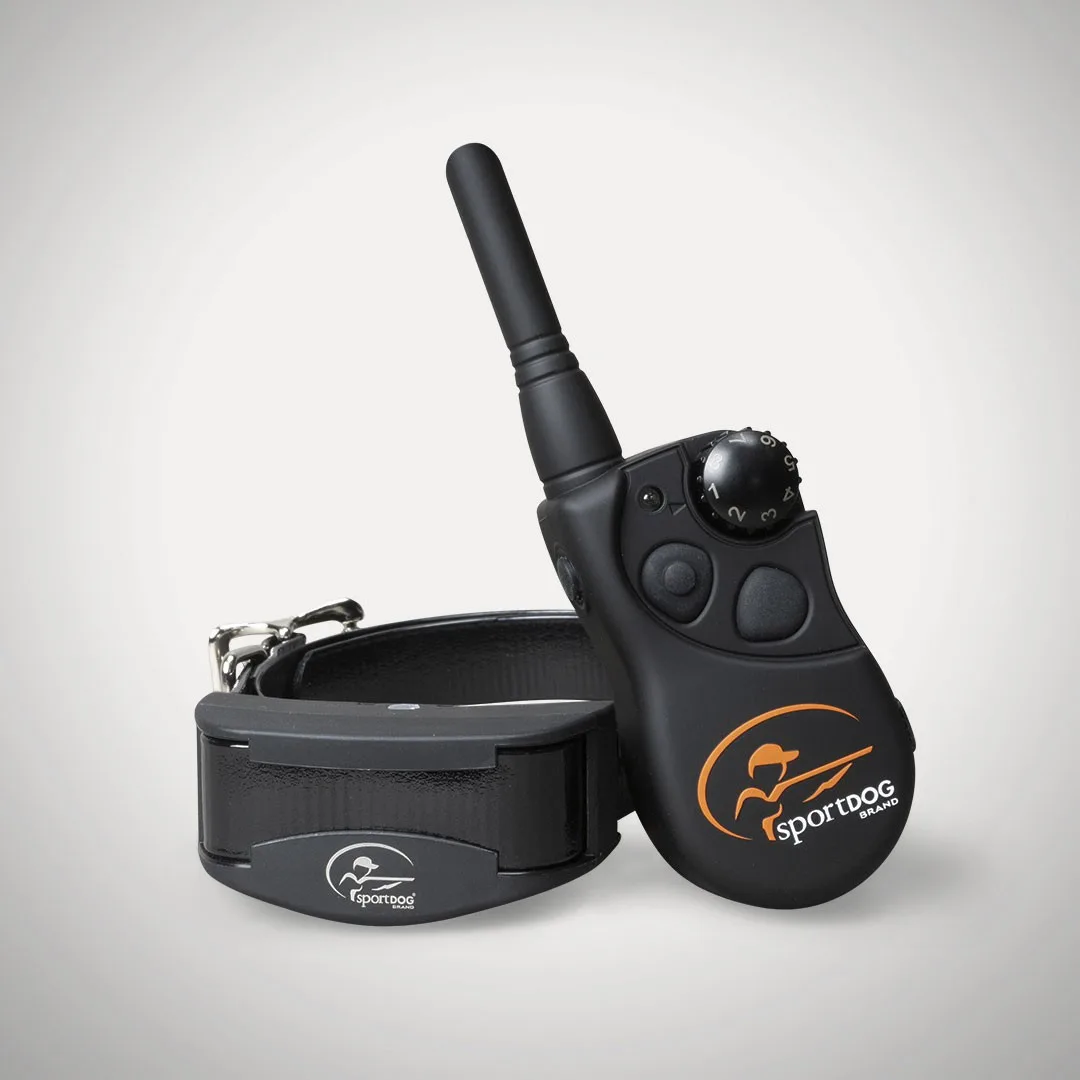
- YT-100S SportDOG Brand® Yardtrainer 100S: The YT-100S SportDOG Brand YardTrainer 100S was built for more stubborn and easily distracted dogs and is a training tool for off-leash reliability. If your dog bolts or guards the bowl area, a training collar can help you reinforce a calm mealtime routine, but it is not a fix for bowl-flipping itself.
Most dogs who push food out of the bowl are telling you the bowl moves, the food is hard to reach, or they are eating too fast. Fix the setup first, then watch for pain or refusal. If the mess continues after a stable bowl and a slow feeder, your vet is the right next call.