Quick answer
Dry, rough fur right after a bath is usually caused by one of three things: shampoo that strips too much natural oil, residue left behind by incomplete rinsing, or water that's simply too hot. Switch to a gentle dog shampoo bar, rinse until the water runs clear, and keep the water lukewarm. If the coat still feels brittle a week later, or you see redness, flaking, or scratching, stop bathing and check with your vet.
Symptom: what dry coat actually looks and feels like
Dry coat isn't just about texture. You may notice fur that feels straw-like or brittle rather than soft, a dull appearance instead of a healthy sheen, static when you brush, or visible flaking close to the skin. Some dogs also scratch more after a bath, which can be a sign the skin barrier is unhappy rather than just the hair.
It helps to separate two timelines. If the coat feels dry the moment your dog is dry, the problem is usually the wash itself. If it feels fine for a day or two and then turns dry, the issue may be buildup, environment, or an underlying skin condition rather than the shampoo alone.
Likely cause 1: shampoo that strips natural oils
Dogs have a thinner skin barrier than humans in some respects, and harsh surfactants or heavily fragranced formulas can remove the oils that keep hair supple. The result is a coat that feels clean but tight and dry. This is why a gentle dog shampoo bar is often a better match for frequent bathers than a strong, high-lather product.
A solid bar format also makes it easier to control how much product you use. You can rub the bar directly on the coat or lather it in your hands first, which reduces the chance of over-applying and having to rinse for ages. If you already use a solid bar, check whether the formula is designed for sensitive or dry skin rather than heavy deodorizing.
Likely cause 2: residue left in the coat
Residue is the most underrated cause of dry-feeling fur. Product that isn't fully rinsed can dry into a film that makes hair feel rough and attracts dirt. It's especially common with thick double coats, long feathering, and around the chest, armpits, and tail base where water pools.
Rinse longer than feels necessary. Part the coat with your fingers and let water run through each section until it runs completely clear and no longer feels slippery. A final rinse with slightly cooler water can help close the hair cuticle and leave a smoother finish.
Likely cause 3: water temperature and drying method
Hot water feels good to us but can be drying for a dog's skin and coat. Lukewarm water cleans just as effectively and is less likely to strip oils. The same goes for drying: rubbing vigorously with a rough towel causes friction and static, which makes fur look dull and frizzy.
Instead, squeeze water out gently, then blot with a soft towel and let your dog air-dry in a warm room, or use a pet dryer on a low, cool setting if your dog tolerates it. Brushing once the coat is fully dry helps distribute natural oils and lifts the finish.
Corrective action: a simple routine that softens dog fur
Start by reducing bath frequency. Most dogs with healthy skin don't need a full bath more than every four to six weeks unless they've rolled in something. Between baths, a damp cloth or pet wipe on the paws and undercarriage is often enough.
When you do bathe, use lukewarm water, a gentle dog shampoo bar, and a thorough rinse. Follow with a conditioner bar if the coat is long or prone to tangling, since conditioning helps smooth the hair shaft and reduce friction. Then dry gently and brush once dry. Give the coat a week to recover before judging whether the change worked.
When to stop and choose another option
If the coat is still dry after two or three gentle baths, or if you see red skin, scabbing, hair loss, a greasy smell, or persistent scratching, stop experimenting with products. Those signs point to a medical issue such as allergies, parasites, or a skin infection, and a vet should take a look before you try anything else.
Also stop if your dog seems uncomfortable during bathing, or if the dryness started suddenly with no change in routine. In those cases, the fix isn't a different shampoo bar, it's a diagnosis.
Diagnosis: match the symptom to the next step
- Dry immediately after drying: The shampoo or water temperature is likely stripping oils. Switch to a gentle dog shampoo bar, use lukewarm water, and rinse until clear. Recheck after one week before changing anything else.
- Dry and dull a day or two later: Residue or buildup is the usual suspect. Rinse more thoroughly, especially in thick areas, and brush once fully dry to distribute oils. If it persists after a second thorough rinse, consider a different formula.
- Dry with redness, flaking, or scratching: This is beyond a grooming fix. Stop bathing with new products and book a vet visit to rule out allergies or infection. Do not keep experimenting with shampoos while skin is irritated.
Product facts
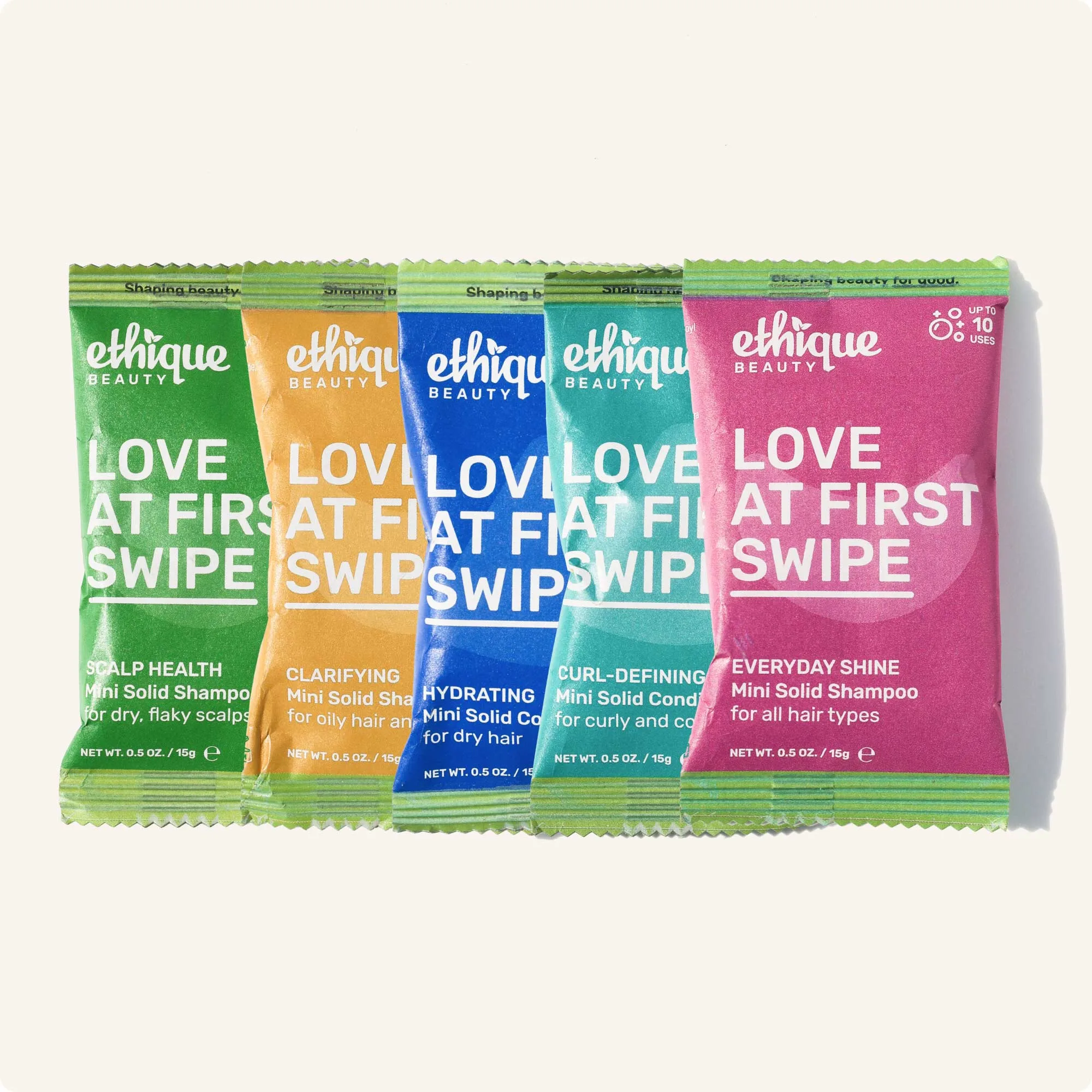
- Sample Bundle: Sample Bundle includes a mini-sized solid shampoo bar and conditioner bar in a compact set, with a solid format that eliminates plastic bottles and provides multiple washes from each bar. If you're not sure whether a solid bar suits your dog's coat, a sample bundle lets you test the format and rinse behavior before committing to a full-size bar.