Every dog owner knows the joy of a wagging tail and a happy bark. But did you know that a truly happy dog needs more than just walks and belly rubs? Mental stimulation is just as important as physical exercise for your canine companion. Without it, dogs can become bored, destructive, and even develop behavioral issues. In this article, we'll explore why mental stimulation is vital for your dog's well-being and share practical tips and toy ideas to keep their mind sharp and their tail wagging.
Mental enrichment taps into your dog's natural instincts—like sniffing, chewing, and problem-solving—providing an outlet for their energy. Whether you have a high-energy breed or a laid-back senior, incorporating brain games and interactive toys into their routine can transform their behavior and deepen your bond. Let's dive into the world of canine cognition and discover how to make your pup's life more fulfilling.
The Importance of Mental Stimulation for Dogs
Dogs are intelligent creatures that thrive on challenges. When they don't get enough mental stimulation, they can become bored, which often leads to unwanted behaviors like chewing furniture, excessive barking, or digging. Mental enrichment provides an outlet for their natural curiosity and problem-solving skills, reducing stress and anxiety. Studies have shown that mentally stimulated dogs are generally happier, more confident, and better behaved.
Physical exercise alone isn't enough to tire out a dog's mind. A long run might exhaust their body, but their brain remains active and ready for more. That's why combining physical activity with mental challenges is key to a balanced routine. By engaging their senses and intellect, you can prevent boredom and its associated problems, ensuring your dog remains content and well-adjusted.
- Boredom can lead to destructive behaviors like chewing and digging.
- Mental stimulation reduces stress and anxiety in dogs.
- A tired mind is as important as a tired body for overall well-being.
Easy Ways to Add Mental Enrichment to Your Dog's Day
Incorporating mental stimulation doesn't have to be complicated. Simple activities like hiding treats around the house for your dog to find, playing nose-work games, or teaching new tricks can provide excellent cognitive exercise. Even changing your walking route to introduce new smells can be a great way to engage your dog's brain.
Another effective method is to make mealtime more challenging. Instead of feeding your dog from a standard bowl, use puzzle feeders or slow feeder bowls that require them to work for their food. This not only slows down fast eaters but also provides a fun and rewarding mental workout. For example, the Slow Feeder Bowl Insert is designed to make your dog think and problem-solve while eating, turning a mundane task into an engaging game.
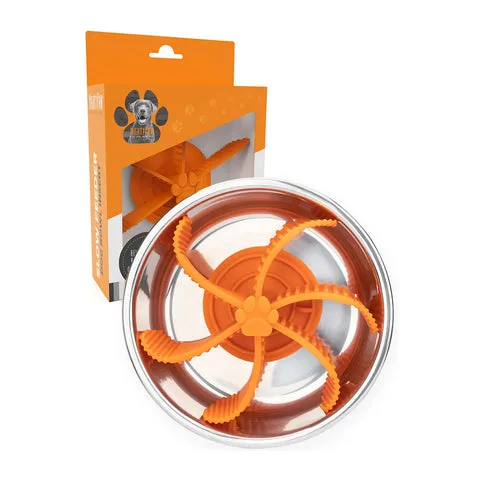
Slow Feeder Bowl Insert
- Rotate toys to keep them novel and interesting.
- Use treat-dispensing toys to encourage problem-solving.
- Incorporate training sessions into your daily routine to reinforce obedience and mental agility.
Top Toys for Mental Stimulation
When it comes to mental enrichment, the right toys can make all the difference. Puzzle toys that dispense treats as your dog figures them out are excellent choices. They challenge your dog's problem-solving abilities and provide a rewarding payoff. Look for toys that can be adjusted in difficulty to grow with your dog's skills.
Chew toys also offer mental benefits, especially those that are long-lasting and flavorful. For instance, the All-Natural Yak Cheese Food Topper is not only a delicious treat but also a great way to keep your dog occupied and mentally engaged. The act of chewing releases endorphins, which help reduce stress and anxiety, making it a perfect boredom buster.

All-Natural Yak Cheese Food Topper
Interactive toys that require your dog to manipulate them to release treats are fantastic for mental stimulation. The Mighty Probiotic: Digestion Support Supplement for Dogs might not be a toy, but incorporating supplements that support overall health can indirectly contribute to your dog's cognitive function. However, for pure mental engagement, consider toys that mimic hunting or foraging behaviors, such as snuffle mats or treat balls.
- Puzzle toys: challenge your dog to figure out how to get the treat.
- Chew toys: provide a calming and rewarding activity.
- Snuffle mats: encourage natural sniffing instincts and slow down eating.
DIY Brain Games for Dogs
You don't always need to buy expensive toys to provide mental stimulation. There are plenty of DIY brain games you can create with items you already have at home. For example, the classic muffin tin game—placing treats under tennis balls and letting your dog figure out how to uncover them—is a simple yet effective puzzle.
Another fun idea is to create a 'find the treat' game by hiding treats in a cardboard box filled with shredded paper. This encourages your dog to use their nose and paws to discover the hidden rewards. Rotating these games keeps them fresh and challenging, ensuring your dog never gets bored. Remember to always supervise your dog during play to ensure safety.
- Muffin tin game: hide treats under balls and let your dog sniff them out.
- Cardboard box treasure hunt: hide treats in shredded paper.
- Rotate games to maintain your dog's interest and challenge.
Physical and Mental Balance: The Role of Leashes and Training
While mental stimulation is crucial, it's also important to balance it with physical activity. Regular walks and playtime provide the exercise your dog needs to stay healthy. Using the right equipment can enhance these experiences. For instance, the 6-Foot Standard Dog Leash offers reliable control during walks, allowing you to focus on training and bonding with your dog.
Training sessions are another excellent form of mental stimulation. Teaching your dog new commands or tricks not only exercises their brain but also strengthens your communication. Incorporating short, positive training sessions into your daily routine can be incredibly rewarding for both you and your pup. Remember to keep sessions fun and upbeat to maintain your dog's enthusiasm.
- Use a reliable leash for safe and enjoyable walks.
- Incorporate short training sessions to challenge your dog's mind.
- Balance physical exercise with mental games for optimal well-being.
Mental stimulation is a vital component of your dog's overall happiness and health. By incorporating brain games, puzzle toys, and interactive activities into their daily routine, you can prevent boredom, reduce behavioral issues, and strengthen the bond you share. Start today by exploring different enrichment options and discover the joy of a mentally engaged, contented pup.