Quick answer
Feet slipping on the reformer is usually caused by sweat, smooth socks, or worn footbar padding. Grip socks with silicone or rubber soles create friction and keep you stable. For most home and studio practices, a pair of low-cut ballet-style grip socks is the simplest fix.
You're mid-workout, driving through footwork on the reformer, and your foot slides off the footbar. It's frustrating, breaks your flow, and can even throw off your alignment. This is one of the most common complaints in Pilates, and it's not a sign of weak technique—it's usually a gear mismatch.
The good news is that the fix is straightforward. Grip socks are designed specifically to prevent slipping on the carriage and footbar. But not all socks work the same way, and understanding why your feet slip in the first place helps you choose the right solution.
Why feet slip on the reformer
The reformer relies on friction between your feet and the footbar, and between your socks and the carriage. When that friction drops, your foot moves. Common culprits include sweat from a heated class, socks made of smooth cotton or synthetic blends, and a footbar that has lost its grip over time. Even the carriage itself can become slick if you practice barefoot or with thin socks.
Another factor is the shape of your socks. Bulky crew socks can bunch under your foot, creating an uneven surface that reduces contact. That's why many Pilates practitioners prefer low-cut or ballet-style socks that hug the foot closely and eliminate fabric interference.
- Check your socks: if they slide on the carriage, switch to grip socks.
- Wipe the footbar with a towel between sets if sweat is an issue.
- Inspect the footbar padding—if it's worn, a replacement may be needed.
How grip socks solve the problem
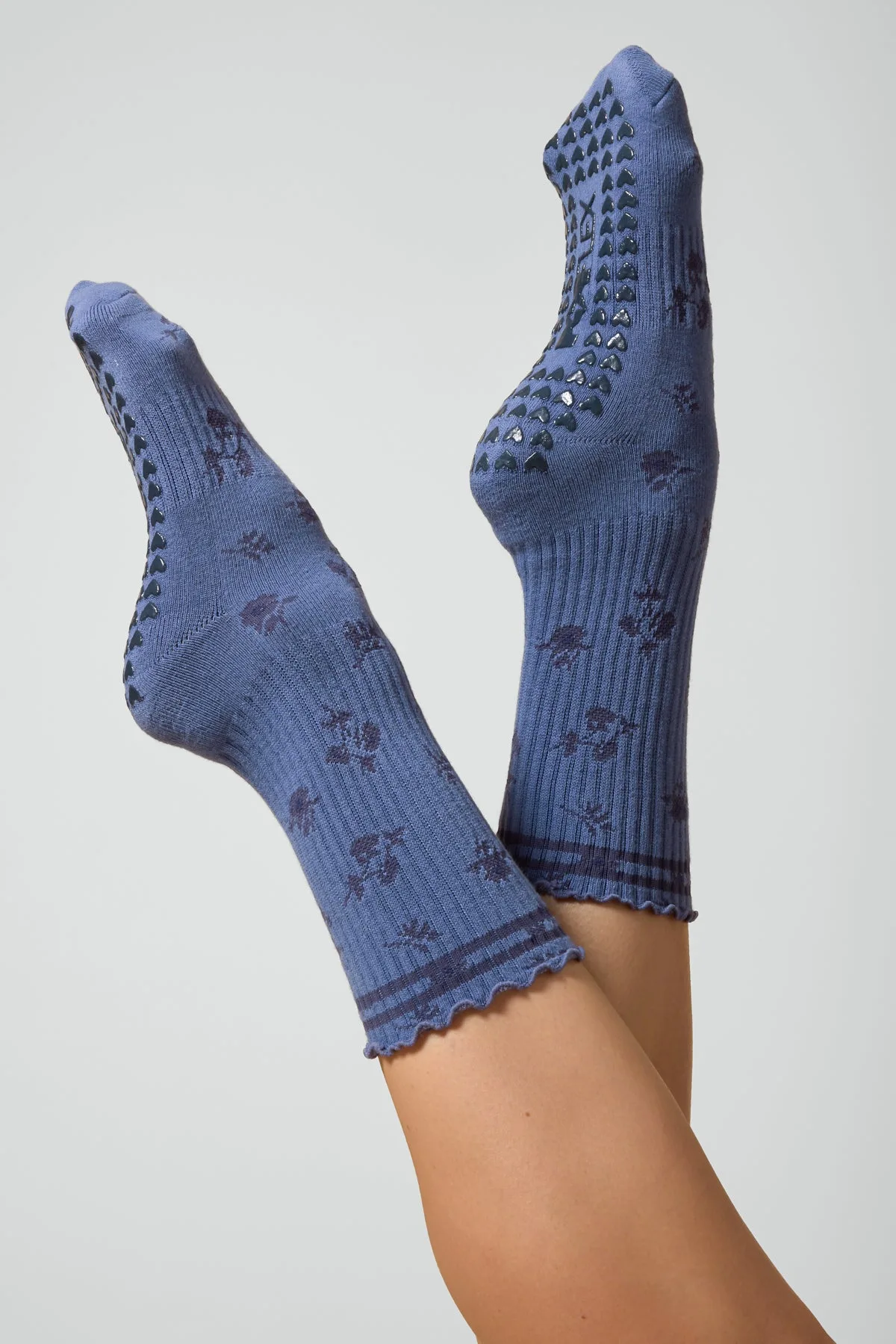
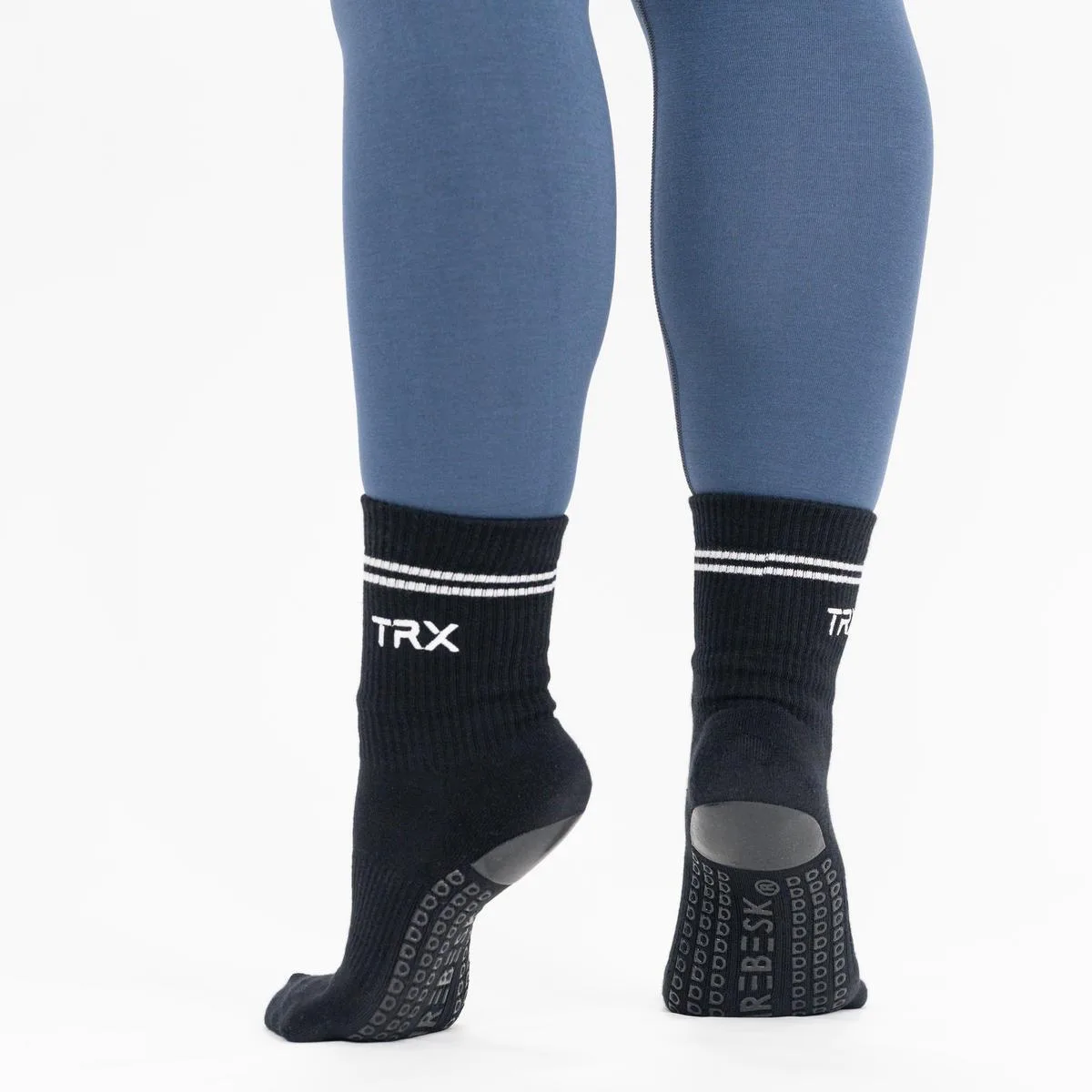
Grip socks have silicone or rubber patterns on the sole that create traction. When you press into the footbar, the grip material grabs the surface and keeps your foot planted. The same pattern also prevents your foot from sliding sideways on the carriage during exercises like lunges or side-lying work.
The Ballet Grip Socks from Your Reformer are cut low and close to the foot, so there's no bunching fabric between you and the footbar. This design maximizes contact and stability. They also eliminate the need to constantly adjust your socks mid-session, letting you stay focused on your movement.
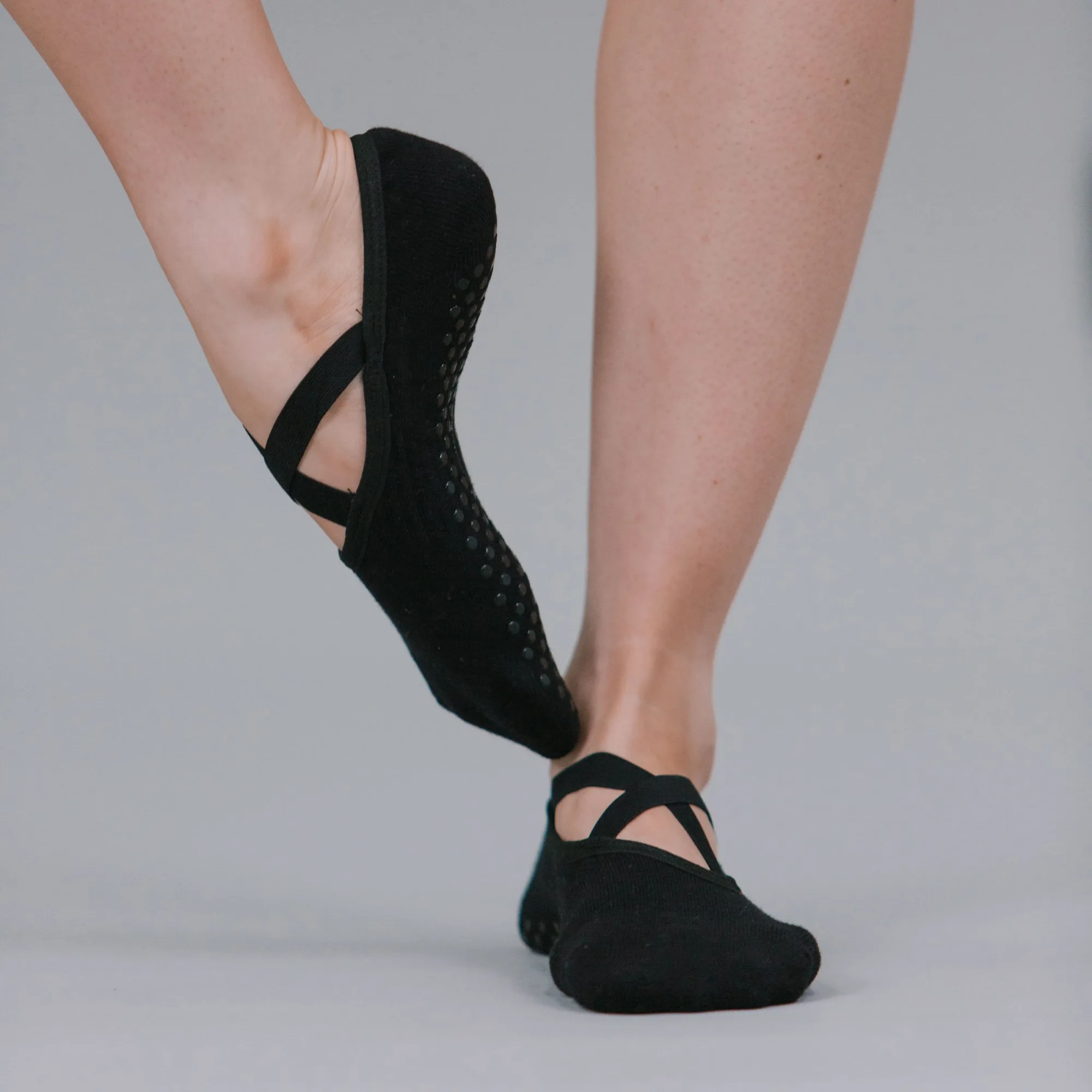
Ballet Grip Socks
- Look for socks with full-sole or targeted grip patterns—avoid socks with grip only on the heel or toe.
- Low-cut styles reduce fabric bunching and improve footbar feel.
- Wash grip socks inside out to preserve the silicone dots.
When grip socks aren't enough
If you still experience slipping after switching to quality grip socks, the issue may be the footbar itself. Over time, the rubber or foam padding on the footbar can wear smooth, reducing grip. In that case, replacing the footbar pad or adding a non-slip cover can help.
Another possibility is that your reformer's carriage surface is too slick. Some older machines have a glossy finish that doesn't provide enough friction even with grip socks. Adding a carriage pad or using a mat on top can create a better surface. If the problem persists, consult your reformer's manual or contact the manufacturer for compatible parts.
- Check the footbar for wear: if it's shiny or smooth, consider a replacement.
- Use a carriage pad if your reformer's surface feels too slick.
- If you've tried everything and still slip, a different sock style or a footbar upgrade may be needed.
Diagnosis: Why your feet slip and what to do
- Symptom: Your foot slides off the footbar or shifts on the carriage during reformer exercises, especially in footwork or standing work. This disrupts alignment and can cause compensation patterns.
- Likely cause: Smooth socks, sweat, or a worn footbar reduce friction. Bulky socks also create uneven contact. The most common fix is switching to grip socks designed for Pilates.
- Corrective action: Wear low-cut grip socks with full-sole silicone grip. Keep a towel nearby to manage sweat. If slipping continues, inspect the footbar for wear. Grip socks solve the problem for the vast majority of practitioners.
- When to choose another option: If grip socks alone don't resolve the slipping, consider replacing the footbar padding or adding a carriage pad. Persistent issues may indicate a machine surface problem. At this point, a parts upgrade or professional assessment is the next step.
Product that helps
- Ballet Grip Socks: The Ballet Grip Socks from Your Reformer are cut low and close to the foot, so there's no bunching fabric between you and the footbar, no slipping on the carriage, and nothing pulling your attention away from the movement itself. This design directly addresses the two main slipping points—footbar and carriage—by maximizing contact and eliminating fabric interference. It's a targeted solution for reformer users who want stability without bulk.
Feet slipping on the reformer is a common but solvable frustration. Start with a pair of well-fitting grip socks like the Ballet Grip Socks, and you'll likely notice an immediate improvement in stability. If the problem persists, check your footbar and carriage surface. A small gear change can make a big difference in your practice.