Quick answer
Art prints fade because light, humidity, heat, and acidic framing materials break down the colorants and paper over time, and the damage is cumulative rather than sudden. The fix is to cut UV exposure, keep relative humidity stable and moderate, and make sure nothing acidic or adhesive touches the print surface. If colors have already shifted, no cleaning or spray reverses it; your realistic options are reframing to stop further loss or replacing the print.
How to tell fading apart from glare, dirt, or paper yellowing
Fading usually shows up first in the most light-sensitive colors, so blues and cool greens often shift before warm earth tones. Look for a ghost outline where a mat or frame edge shielded part of the sheet, or compare a corner that sat in shadow with the center. If the whole sheet looks uniformly dull but the image still has contrast, you may be seeing surface grime or airborne film rather than pigment loss. Yellowing that spreads from the edges inward and smells faintly sweet or musty points to paper degradation and moisture, not light.
- Faded: colors look washed out or shifted, often with a visible border where light was blocked.
- Glare: colors look correct from an angle but milky straight on.
- Surface soil: a gray film that lifts slightly with a dry, soft brush at the edge.
- Acid burn: brownish edges and brittle paper, usually from a non-archival backing board.
Light exposure: the biggest and most controllable cause
All light fades prints, not just direct sun. A north-facing wall with bright indirect daylight still delivers years of cumulative exposure, and a picture hung opposite a window catches bounced UV every afternoon. The practical rule is to treat light like a running meter: halve the brightness and you roughly double the print's display life. If a spot is too bright to read a book comfortably for an hour, it is too bright for long-term display of a color photograph.
Glass and acrylic slow the process but do not stop it. Standard glazing filters some UV; dedicated UV-filtering glazing blocks more, though visible light still causes fading. For a print you plan to keep for decades, rotate it: display it for a season, then store it flat in the dark.
- Move the frame out of direct sun paths and away from reflective bounce off pale walls or floors.
- Use UV-filtering glazing and accept that it slows, not prevents, fading.
- Rotate displayed prints so no single sheet absorbs years of continuous light.
Humidity, heat, and airflow problems
Humidity damage art prints in two ways: too much moisture swells and cockles the paper and feeds mold, while rapid swings make the sheet expand and contract inside a tight frame. Kitchens, bathrooms, basements, and exterior walls are the usual offenders. Aim for stable indoor conditions rather than a specific number, and avoid hanging a print directly above a radiator, heat vent, or dehumidifier output.
Framing traps a microclimate. A sealed frame with a poor backing can hold damp air against the print for months. If you see waviness, a musty smell, or tiny dark specks, remove the print from the frame, let it acclimatize flat in a dry room, and have it reframed with an archival backing board and a moisture barrier.
- Avoid bathrooms, kitchens, basements, and unheated exterior walls.
- Keep prints off radiators, heat vents, and direct air-conditioning drafts.
- If the paper waves or smells musty, unframe and dry flat before reframing.
Framing and storage choices that prevent fading
Framing prints to prevent fading is mostly about materials and air gaps. Use acid-free or buffered mat board, archival hinging tape or photo corners, and a backing board rated for long-term contact. Never let the print touch the glass; a mat or spacer keeps condensation and abrasion off the surface. For storage, place prints interleaved with acid-free paper in a flat, dark box, not a tube, and keep the box off concrete floors.
If you are framing a limited edition, ask the framer to show you the mat and backing labels. If they cannot tell you the pH or the material, that is your signal to choose another framer.
- Acid-free mat and backing, archival hinges, no pressure-sensitive tape on the print.
- Mat or spacer so the image never contacts the glazing.
- Store flat, dark, and dry, interleaved with acid-free paper.
Fading diagnosis: symptom, cause, action, stop point
- Symptom: colors look washed out or shifted, with a lighter border where the frame or mat covered the paper: Cause: cumulative light exposure, including indirect daylight and reflected UV. Action: move the print to a dimmer wall, reframe with UV-filtering glazing, and rotate it with a stored duplicate or alternate print. Stop and replace the print if the color shift is visible across the whole image and the edition is still available; reframing only prevents further loss.
- Symptom: wavy paper, musty smell, or dark specks near the edges: Cause: humidity damage, often from a damp wall, bathroom, basement, or a sealed frame holding moist air. Action: unframe, dry flat in a stable room, and reframe with an archival backing and moisture barrier. Stop and consult a conservator if mold has penetrated the image area or the paper feels soft and pulpy; home reframing will not reverse it.
- Symptom: brownish edges, brittle paper, or a faint vinegar smell: Cause: acidic mat, backing, or mounting materials burning the paper over years. Action: replace all non-archival materials with acid-free mat and backing and archival hinges. Stop and choose another option if the print is a limited edition you intend to keep long term and the damage has reached the image; replace the print rather than spending on premium reframing.
What this means for prints from this store
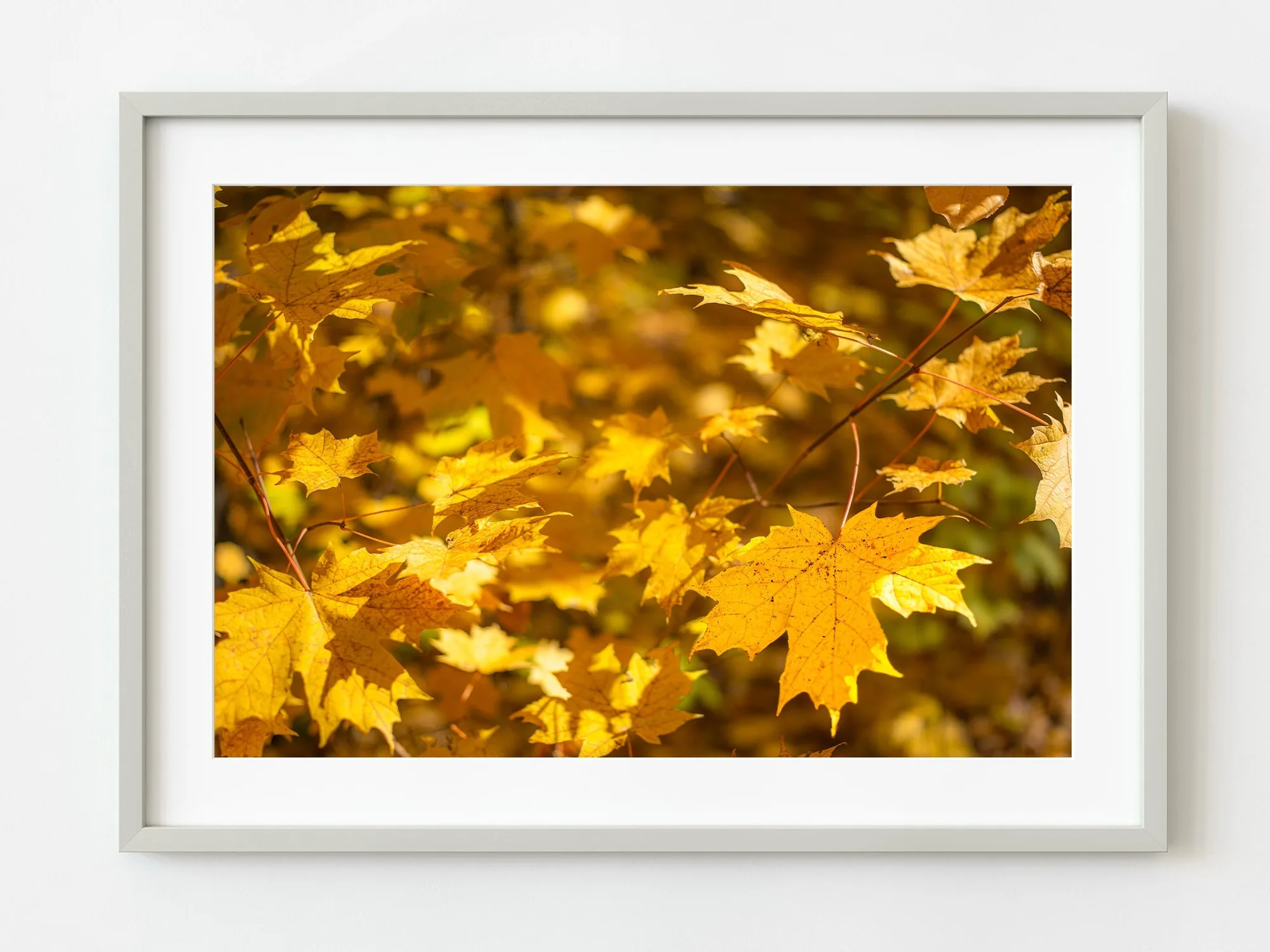
- Soft autumn light on golden maple leaves | Limited Edition of 10: Limited edition of 10, with selectable dimensions. A small edition and size options make it worth framing with UV-filtering glazing and archival materials, since replacing a sold-out edition is not possible.
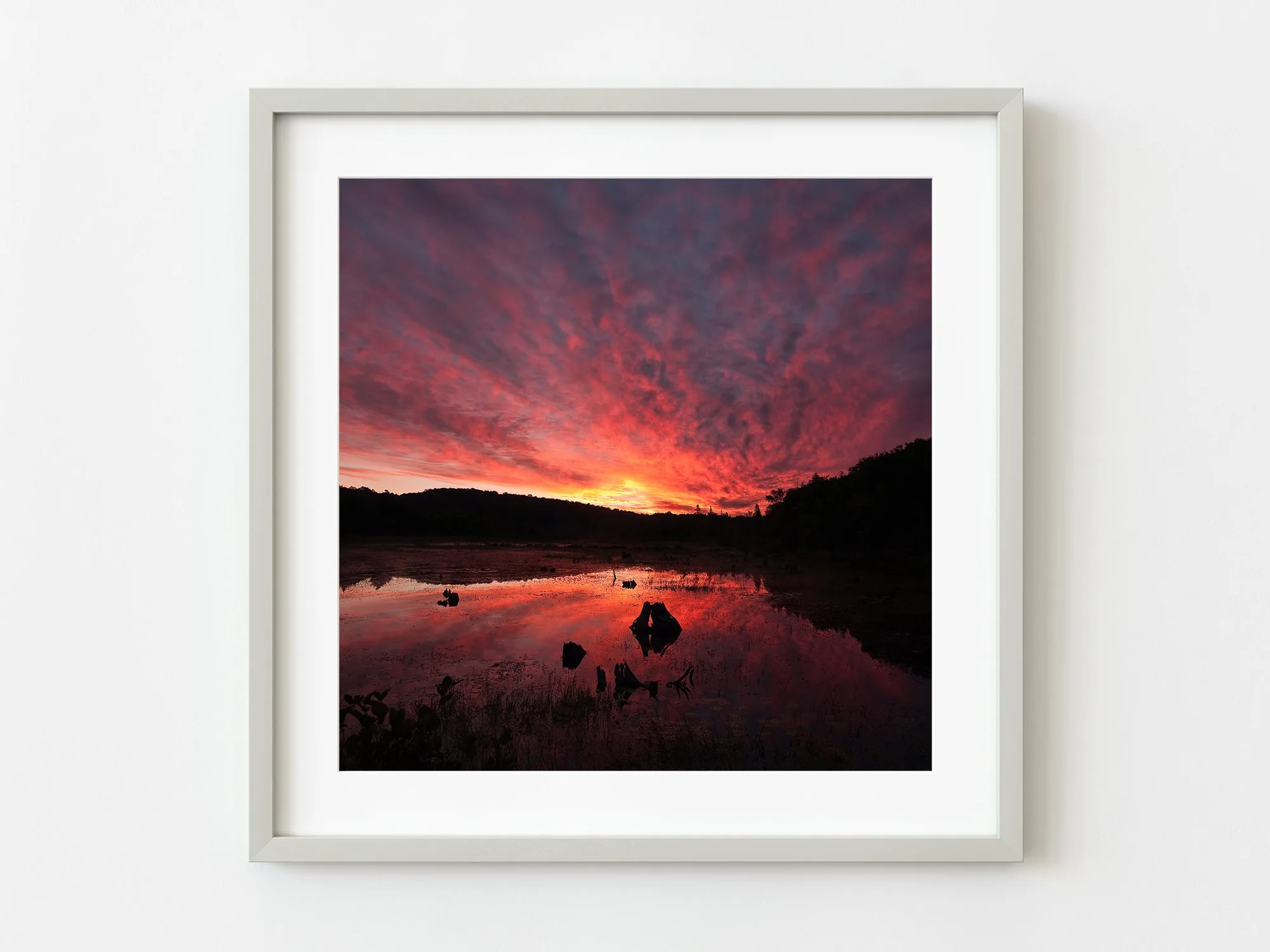
- Beautiful Sunrise in Haliburton Highlands Canada | Limited Edition of 10: Limited edition of 10, with selectable dimensions. Sunrise scenes often hang in bright rooms, so plan the wall position before framing to limit cumulative light exposure.
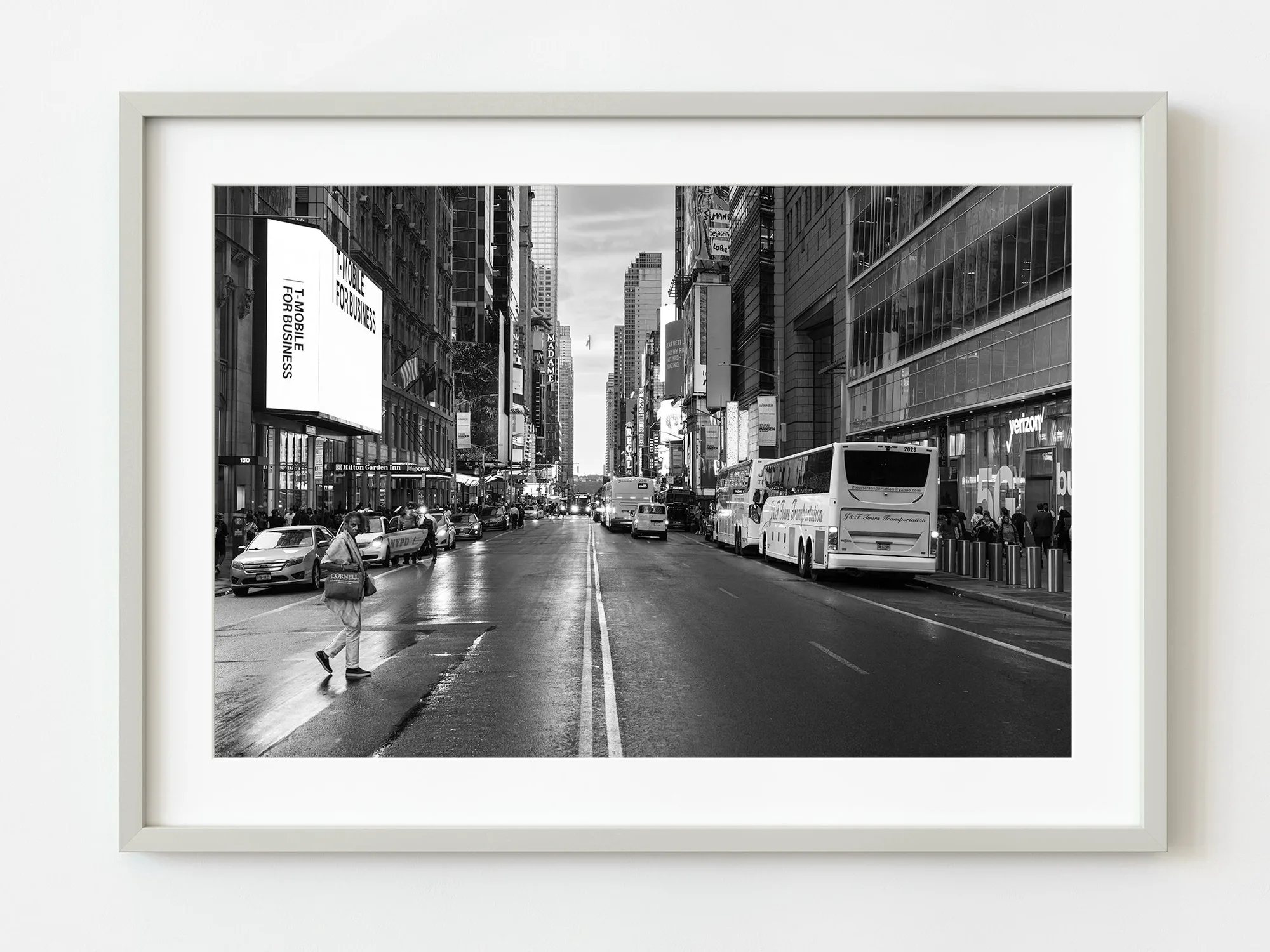
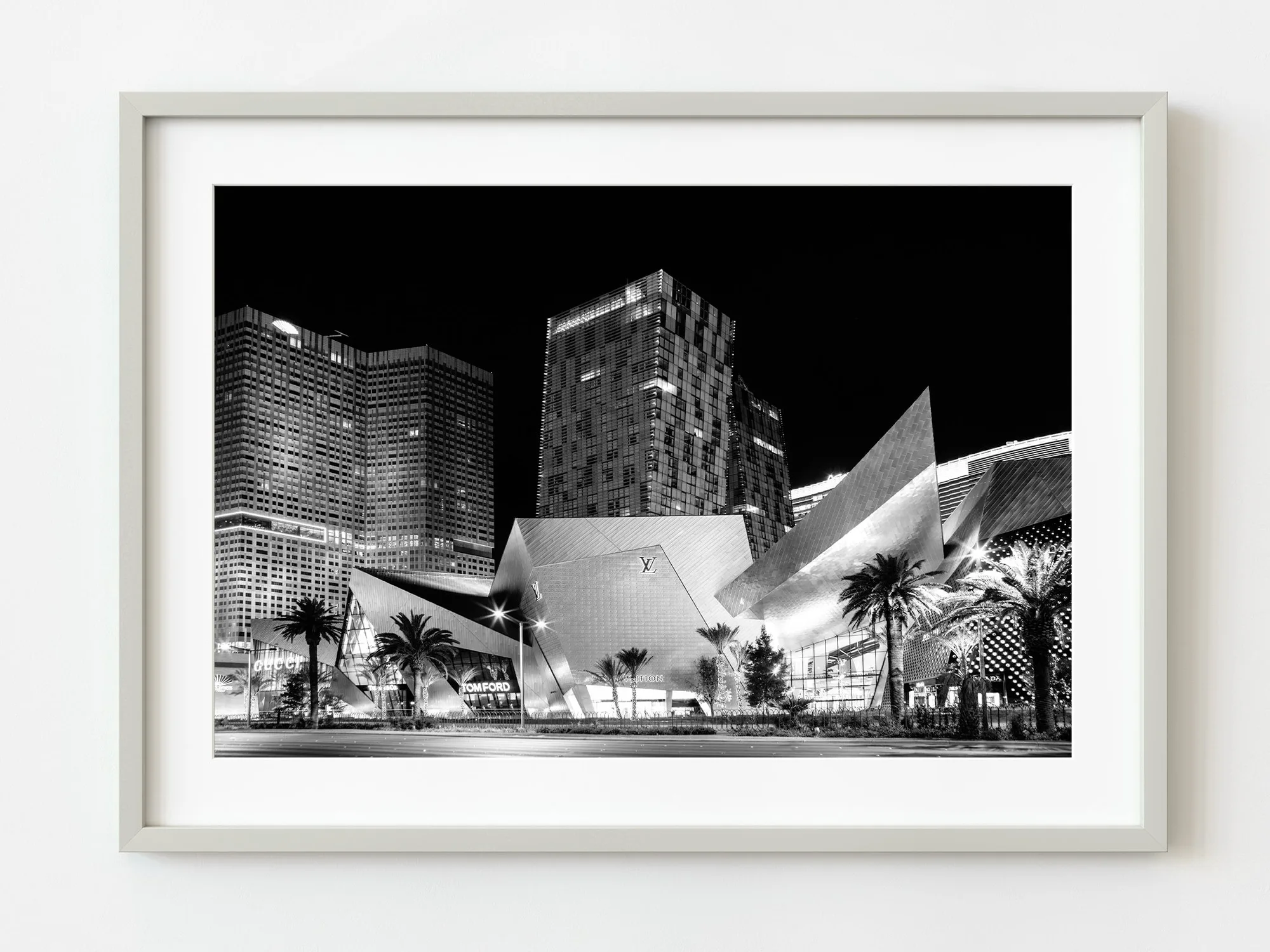
- New York 42nd street early evening | Limited Edition of 10: Limited edition of 10, with selectable dimensions. Black and white prints still fade, but the shift is usually seen as lost contrast and warmth rather than obvious color change, so inspect them under neutral light.