Quick answer
Sticky floors after mopping are almost always caused by leftover floor cleaner residue, not by the mop or the water. Use less concentrated cleaner, wring the mop until it is barely damp, and rinse the floor with clean water when the film persists. If the stickiness remains after one rinse, the residue has built up and needs a deeper reset.
Symptom: the floor feels tacky, not clean
You finish mopping, the floor looks shiny for a few minutes, then it dries to a faint film that grabs your socks. This is different from a wet floor or a slippery floor. A sticky floor feels slightly adhesive, and it may show dull patches or mop lines where the cleaner pooled. The stickiness often gets worse in humid weather because the residue never fully dries.
Likely cause: too much cleaner, not enough dilution
Concentrated floor cleaner dilution is the most common mistake. A capful of concentrate can be enough for a full bucket, but many people pour a glug and assume more cleaner means cleaner floors. The opposite happens: the excess surfactants and minerals stay behind after the water evaporates, leaving a tacky film that attracts dust.
A second cause is mopping with dirty water. Once the bucket turns grey, you are spreading a thin layer of dissolved dirt and cleaner across the floor. A third cause is skipping the rinse step on floors that need it, especially sealed wood, stone, and vinyl plank. Finally, using the wrong cleaner for the finish can leave a residue that no amount of extra mopping removes.
Corrective action: reset the floor in three steps
First, stop adding cleaner. Fill the bucket with plain warm water and rinse the floor with a clean, well-wrung mop. Change the water as soon as it looks cloudy. This alone removes most surface residue.
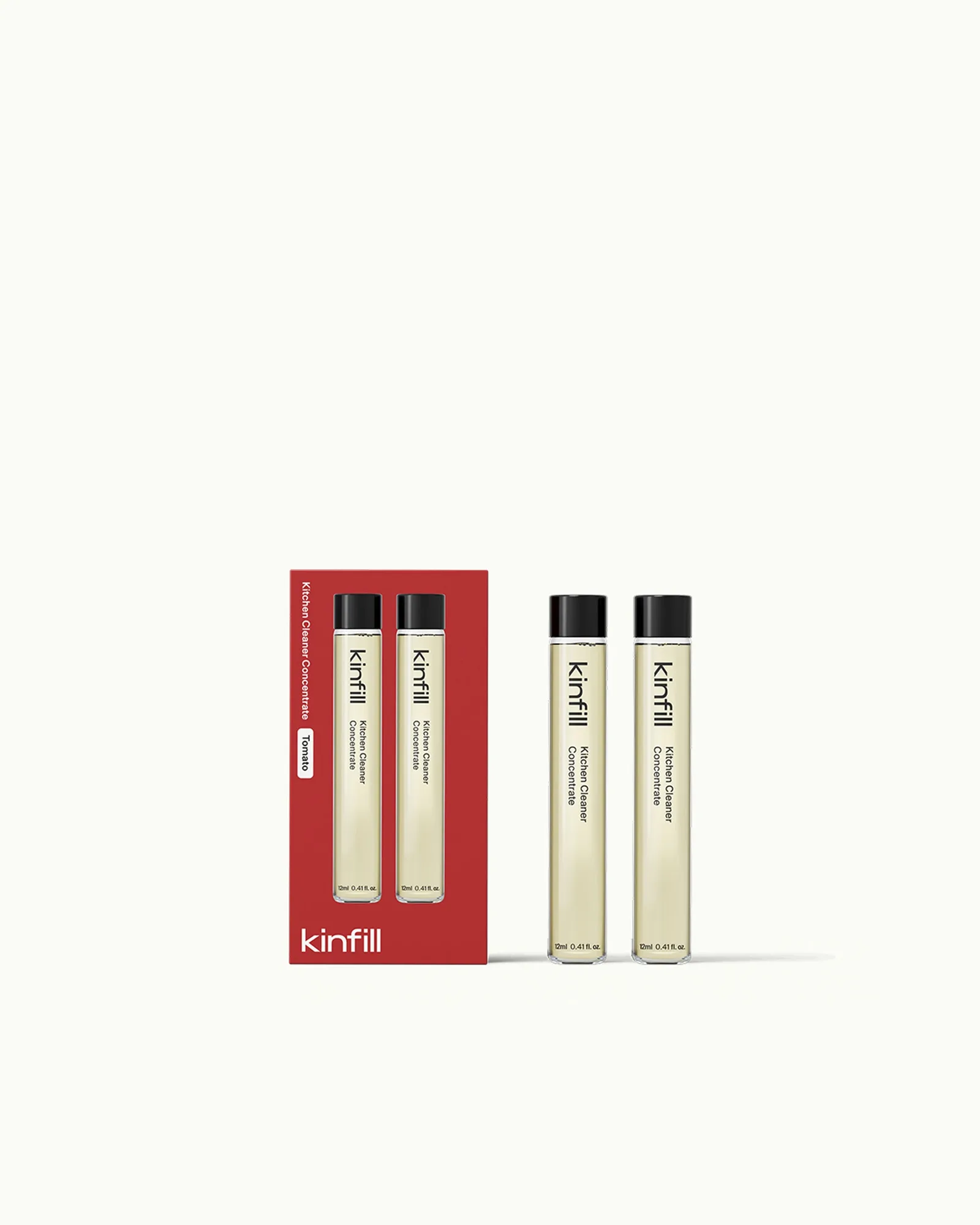
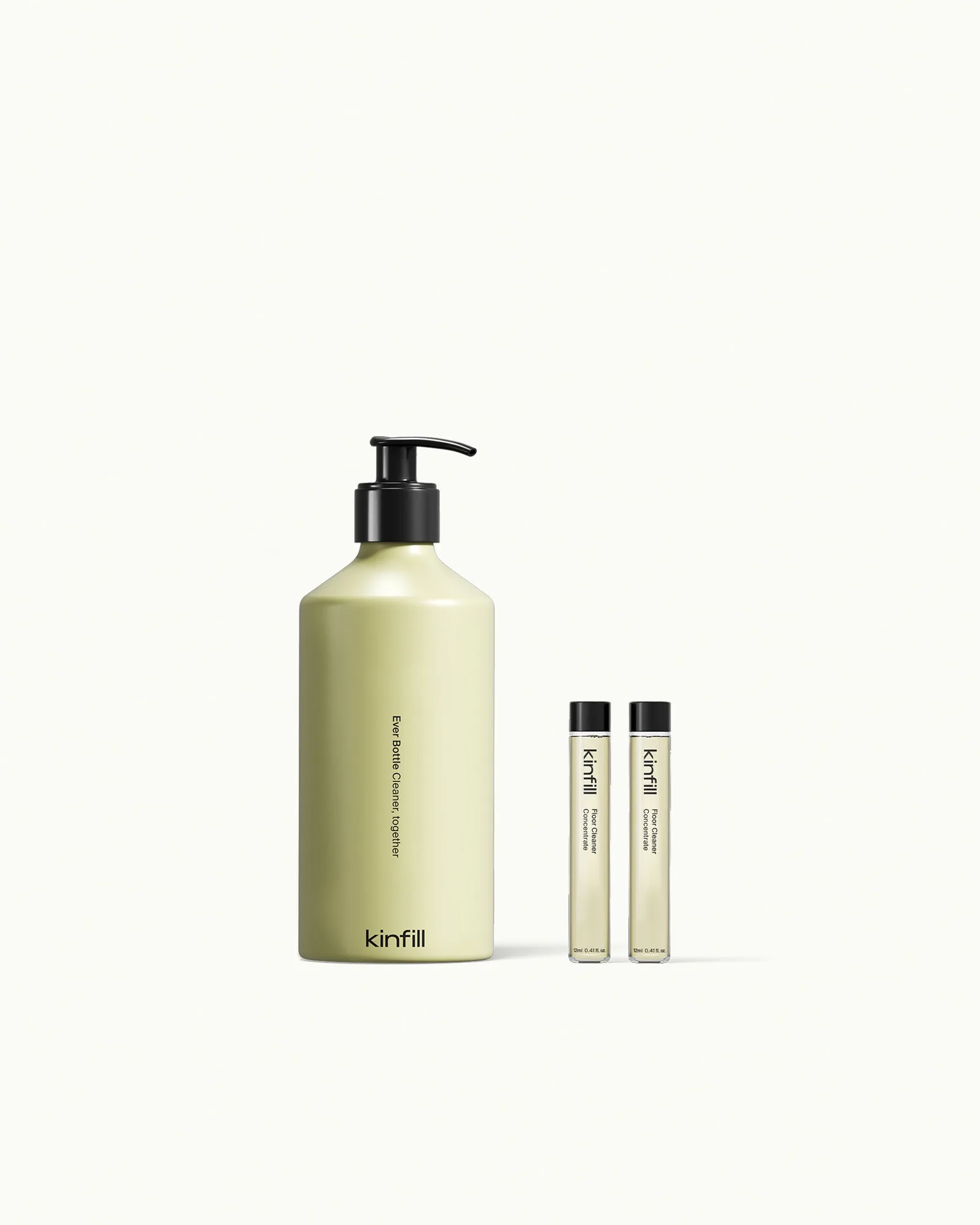
Second, if the film is still there, mix a fresh batch using the correct dilution for your concentrate and use less than you think you need. For a pH-neutral floor cleaner, one refill dilutes to 500 ml of ready-to-use cleaner, so measure rather than guess. Mop in small sections and wring the mop until it is barely damp.
Third, let the floor air-dry completely before walking on it. If you need to speed things up, use a dry microfiber pad or a fan rather than more cleaner. For a deeper reset, a single rinse with plain water every few weeks is enough for most sealed floors.
Prevention: keep the routine simple
Measure your concentrate every time, even when you are in a hurry. Keep two mop heads or pads: one for cleaning and one for rinsing. Sweep or vacuum before mopping so you are not pushing grit into the finish. If your floor still feels sticky after a correct dilution and a clean rinse, the issue is likely product buildup from a previous cleaner, and you may need to strip and reseal the floor.
Diagnose your sticky floor
- Sticky only in high-traffic paths: You are likely using too much cleaner in those areas or not rinsing the mop often enough. Rinse the floor with plain water and reduce the dose next time.
- Sticky everywhere, even after rinsing: This points to residue from an old cleaner or a floor finish that is incompatible with your current product. Try a pH-neutral cleaner like The Floor Cleaner at the correct dilution before considering a full strip.
- Sticky and dull with visible mop lines: The mop is too wet and the cleaner is pooling in low spots. Wring the mop until it is barely damp and dry the floor with a clean pad.
Products that help prevent sticky residue
- The Floor Cleaner: The Floor Cleaner is pH-neutral and safe for every type of flooring, including natural floors like wood or stone. A pH-neutral formula is less likely to leave a tacky film or damage the finish than an alkaline cleaner, so it is a safer default when stickiness is the problem.
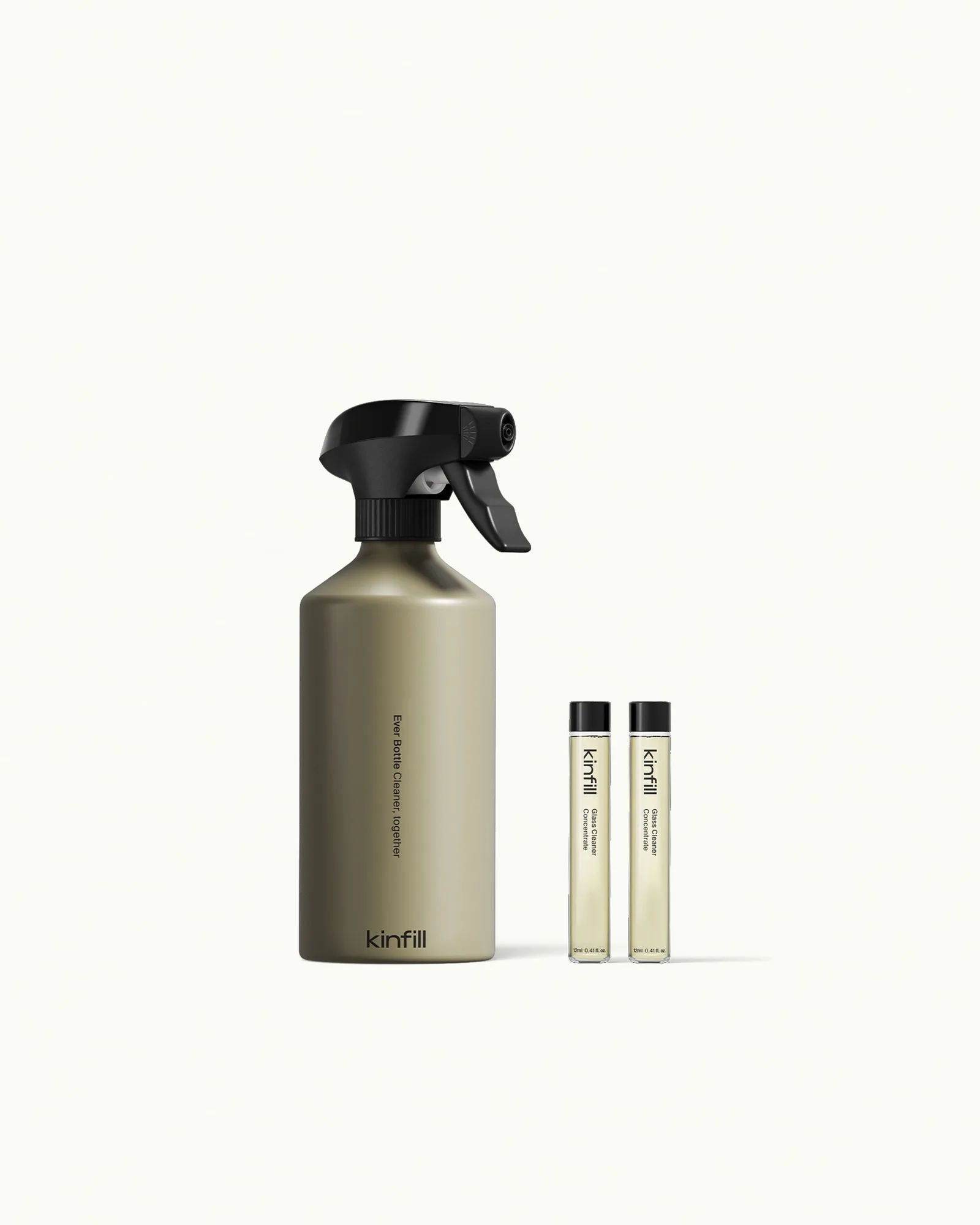
- The Glass & Mirror Cleaner Refill: The Glass & Mirror Cleaner delivers a streak-free shine on all glass surfaces. If your sticky floor is near glass doors or mirrors, using the same diluted cleaner on glass can leave streaks, so keep a dedicated glass refill for those surfaces.