Quick answer
When gel polish peels in sheets or lifts off in one piece, the failure is almost always a bond problem at a single layer, not a bad polish. Fix your prep first: remove cuticle from the nail plate, dehydrate, and keep the base coat thin. If the sheet comes off with a smooth back, the base coat never gripped the nail. If it comes off with nail flakes attached, you are over-filing or skipping cuticle removal.
What the back of the peeled sheet tells you
Before you change products, look at the underside of the peeled piece. A shiny, smooth back means the base coat separated from the nail plate, so the problem is prep or dehydration. A back covered in white nail flakes means the gel bonded to the nail but tore the top layers off, which points to over-filing or too much cuticle left behind. If the sheet has polish layers stuck to it but no base coat, the base and color separated, which usually means the base was cured too long, contaminated, or the color was applied too thick.
The prep mistakes that cause sheet peeling
Cuticle left on the nail plate is the most common cause. Cuticle is non-living tissue and gel will not bond to it, so the whole manicure sits on a layer that releases in one piece. Use a cuticle bit or pusher to clear the grown-out cuticle from the nail plate, not just the eponychium at the edge. Then dehydrate with alcohol or a dehydrator and do not touch the nail with your fingers afterward. Oils from your hands or from a lotion will sit between the base coat and the nail and create the exact sheet peel you are trying to fix.
- Skip the hand cream until the manicure is fully cured and wiped.
- Do not use a buffer to scrub the whole nail plate; it thins the nail and increases flaking.
- Keep the base coat thin. A thick base cures unevenly and can release as a film.
- Cap the free edge with base, color, and top coat to seal the layers together.
When the problem is the product, not your prep
If your prep is clean and the sheet still releases in one piece, check the base coat and the lamp. A base coat that is past its shelf life or has been contaminated with dust will not grip. An underpowered or dirty lamp leaves the base uncured at the bottom, so it never forms a real bond. Test a single nail with a fresh base coat and a full 60-second cure before you blame the color. Some formulas are also more flexible than others, and flexible gels can sheet off a rigid nail plate if the nail flexes underneath.
How to fix a manicure that already sheet-peeled
Do not glue the sheet back down. Remove the lifted gel completely with a soak or file-off, then lightly remove the shine from the nail plate with a fine buffer. Dehydrate, apply a thin base coat, cure fully, and rebuild with thin color layers. If the nail plate feels sensitive or looks white and flaky, give it a break and use a peel-off base for one cycle so the nail can recover before you go back to a traditional gel base.
Sheet peel diagnosis chart
- Smooth, shiny back with no nail flakes: The base coat never bonded to the nail plate. Clean up cuticle removal, dehydrate, and apply a thinner base coat. Fix prep before changing polish.
- Back covered in white nail flakes: The gel bonded too aggressively or the nail was over-filed. Stop buffing the plate and switch to a gentler prep with less filing. If the nail feels thin or sore, take a break from gel.
- Sheet separates between base and color: The base was contaminated, over-cured, or the color was applied too thick. Wipe the base free of dust and cure color in thin layers. If it repeats on every nail, replace the base coat.
- Peel starts at the free edge only: The edge was not capped or the tip flexes more than the gel can handle. Cap the free edge and keep the overlay slightly thinner at the tip. If the tip still lifts, shorten the length.
Product facts that matter for adhesion
- Alter Ego ~ Korean Gel Polish ~ HEMA/TPO/HPMA/TMPTA Free: Alter Ego is a Korean gel polish described as HEMA/TPO/HPMA/TMPTA free, with a warm caramel nude / soft terracotta beige tone. If your sheet peeling comes with sensitivity or lifting around the cuticle, a formula free of these common allergens is a reasonable next test. The warm nude also makes it easy to see whether the base coat is gripping, because lifting shows as a shadow at the edge.
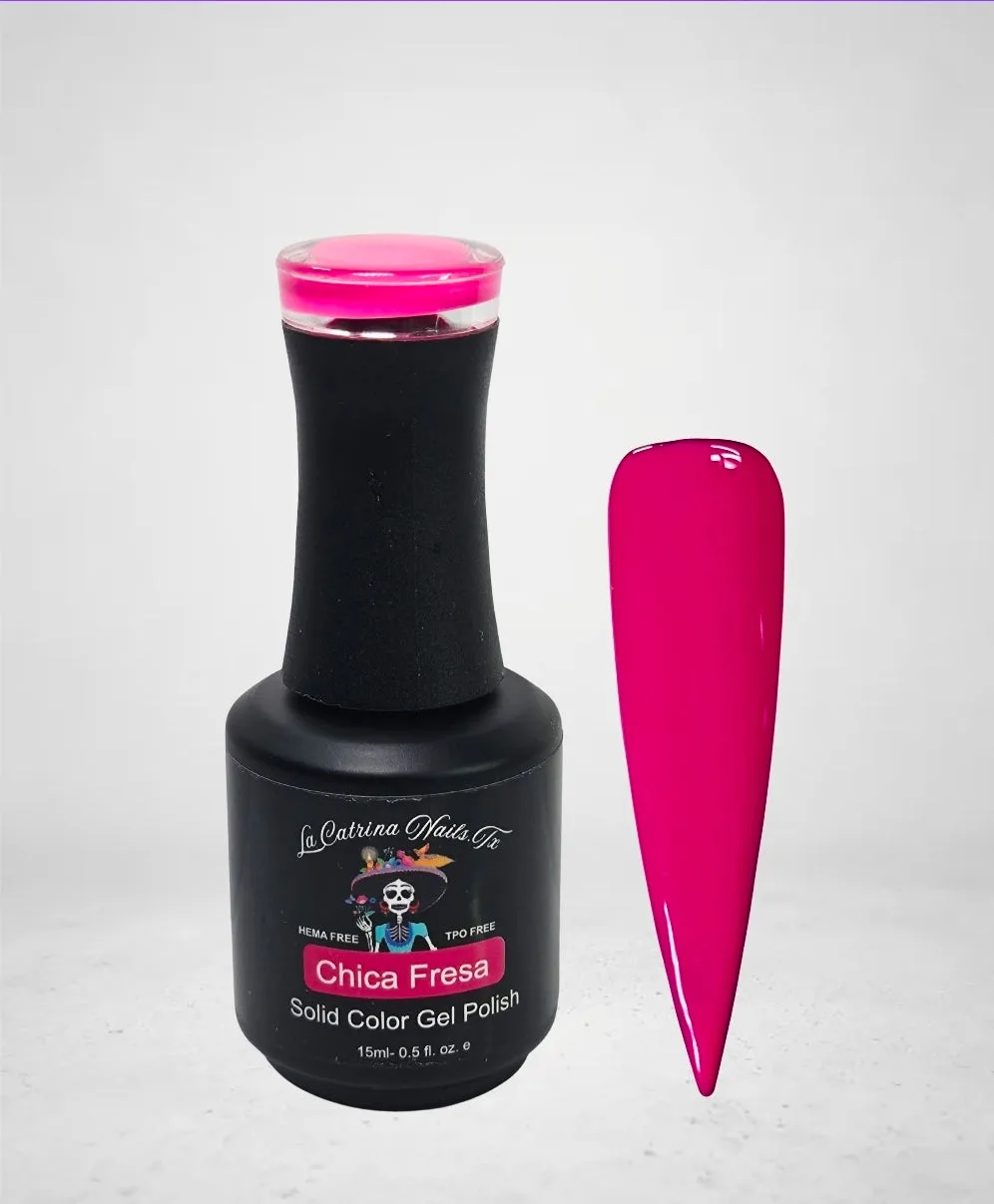
- Chica Fresa ~ Posh Girl~ HEMA-Free and TPO Free Gel polish: Chica Fresa ~ Posh Girl is a HEMA-free and TPO-free hot pink with a creamy, self-leveling formula and rich one-coat coverage. Self-leveling, high-pigment colors can be applied thinner than sheer shades, and thin layers cure more evenly. If your sheet peel happens with thick color layers, switching to a one-coat formula removes one variable from your prep troubleshooting.
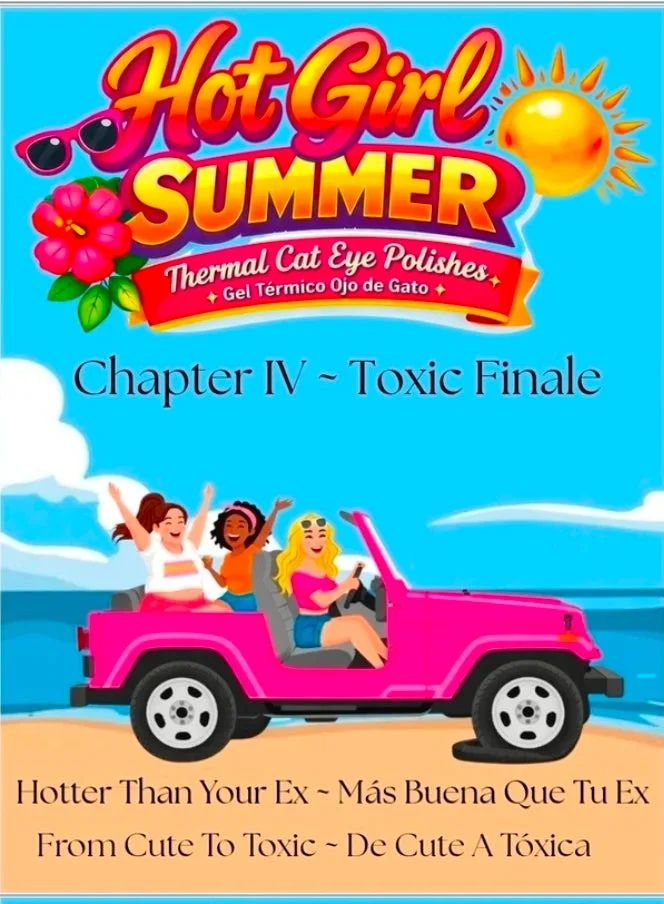
- Hot Girl Summer Chapter IV~ Toxic Finale ~HEMA-Free and TPO Free Gel polish: Hot Girl Summer Chapter IV ~ Toxic Finale is a HEMA-free and TPO-free thermal cat eye duo that changes with temperature and responds to a magnetic tool. Thermal and cat eye gels are often applied in slightly thicker layers to show the effect, which can trap uncured gel underneath. If you see sheet peeling with effect gels, cure each thin layer longer rather than building one thick layer.