Quick answer
Most gel polish separating is normal pigment settling, and a slow stir with the brush stem brings it back. Color change or a thickened, gummy texture is different: that usually points to heat, UV exposure, or contamination, and if the formula no longer applies smoothly after mixing, it has gone bad. Replace it rather than pushing through a ruined set.
You open a bottle you love, and the color sitting at the bottom looks nothing like the swatch. Or the shade you used last month now reads slightly different on the nail. Both are common, and they have different causes.
This guide walks through what each symptom means, what you can correct at the desk, and the point where a bottle should be retired instead of rescued.
Symptom: clear liquid on top, pigment settled below
This is the classic gel polish separating complaint, and in most cases it is not a defect. Pigment-heavy formulas, especially creamy ones with high pigment loads, settle over time because the pigment particles are denser than the surrounding gel. Sitting on a shelf for weeks or months gives them time to drop.
The fix is gentle and mechanical. Roll the bottle between your palms rather than shaking it, then open it and stir slowly with the brush stem or a clean silicone tool. Shaking whips in air bubbles that show up as pits and cloudy spots in the cured finish, so slow stirring is the better habit.
- Roll, don't shake, to avoid bubbles in the cured gel
- Stir from the bottom up, not just the top layer
- If it re-separates within a day or two, the formula is likely past its useful life
Symptom: color looks different than when you bought it
A true gel polish color change is usually a sign of exposure rather than settling. UV and LED light, including indirect sunlight through a window, can shift certain pigments over time. Warm storage, like a car in summer or a shelf near a radiator, speeds up the process.
Some shifts are also just perception. A shade applied over a different base color, at a different thickness, or next to a different skin tone can read warmer or cooler than you remember. Before assuming the bottle is bad, swatch it on a nail tip and compare it to your original swatch under the same lighting.
- Store gel polish away from direct sun and heat
- Keep bottles capped and closed when not in use
- Compare against a saved swatch before deciding a shade has shifted
Symptom: thick, stringy, or gummy texture
Texture problems are the clearest sign that something has changed in the formula. Gel polish that pulls into strings, drags instead of gliding, or feels tacky before curing has usually been contaminated or overheated. A common culprit is a brush that has touched skin, cuticle oil, or wiped surfaces and then gone back into the bottle.
If stirring does not restore a smooth, creamy body, stop using it. A thickened gel will not level properly, will cure unevenly, and can lift at the edges. Forcing it usually costs you the whole set.
- Never return a brush that has touched skin or oil to the bottle
- Wipe the bottle neck before closing to stop buildup
- If mixing does not fix the texture, replace the bottle
Symptom: separation that comes back immediately
If you stir a bottle, use it, and find it separated again the next day, the formula has likely degraded past the point where mixing helps. This is one of the more frustrating gel polish quality issues because the bottle still looks usable, but the application will be inconsistent.
At this point, the honest answer is to retire it. A gel polish that will not hold together will not give you the creamy, anti-spread body that makes a formula easy to control, and you will spend more time fighting the product than painting.
- One re-mix is normal; daily re-mixing is not
- Retire bottles that will not stay mixed
- Note the purchase date so you can spot a pattern
How to store gel polish so it lasts longer
Most gel polish problems are storage problems. Keep bottles upright, capped tightly, and out of direct light. A drawer or closed case at room temperature is ideal. Avoid the bathroom, where humidity swings and temperature changes are constant.
If you work with a lot of pigment-forward shades, rotate your collection so older bottles get used before they sit long enough to settle hard. A quick roll before each use keeps the formula consistent and makes it obvious when something has actually changed.
- Store upright, capped, and out of sunlight
- Keep away from heat sources and humid rooms
- Rotate older bottles to the front of your drawer
Diagnosis: is it fixable or gone bad?
- Clear liquid on top, pigment at the bottom: Normal settling. Roll the bottle and stir slowly with the brush stem until the color is uniform. Fixable. Use it once it is mixed evenly.
- Color reads warmer, cooler, or duller than your swatch: Likely UV or heat exposure. Compare a fresh swatch on a tip under the same lighting before deciding. If the swatch no longer matches, replace it.
- Thick, stringy, or gummy texture that will not smooth out: Usually contamination or overheating. Do not return a brush that has touched skin or oil to the bottle. Not fixable. Replace the bottle.
- Separates again within a day of mixing: The formula has degraded. It will not hold a creamy, anti-spread body through a full set. Retire it and note the purchase date.
What well-behaved gel polish looks like
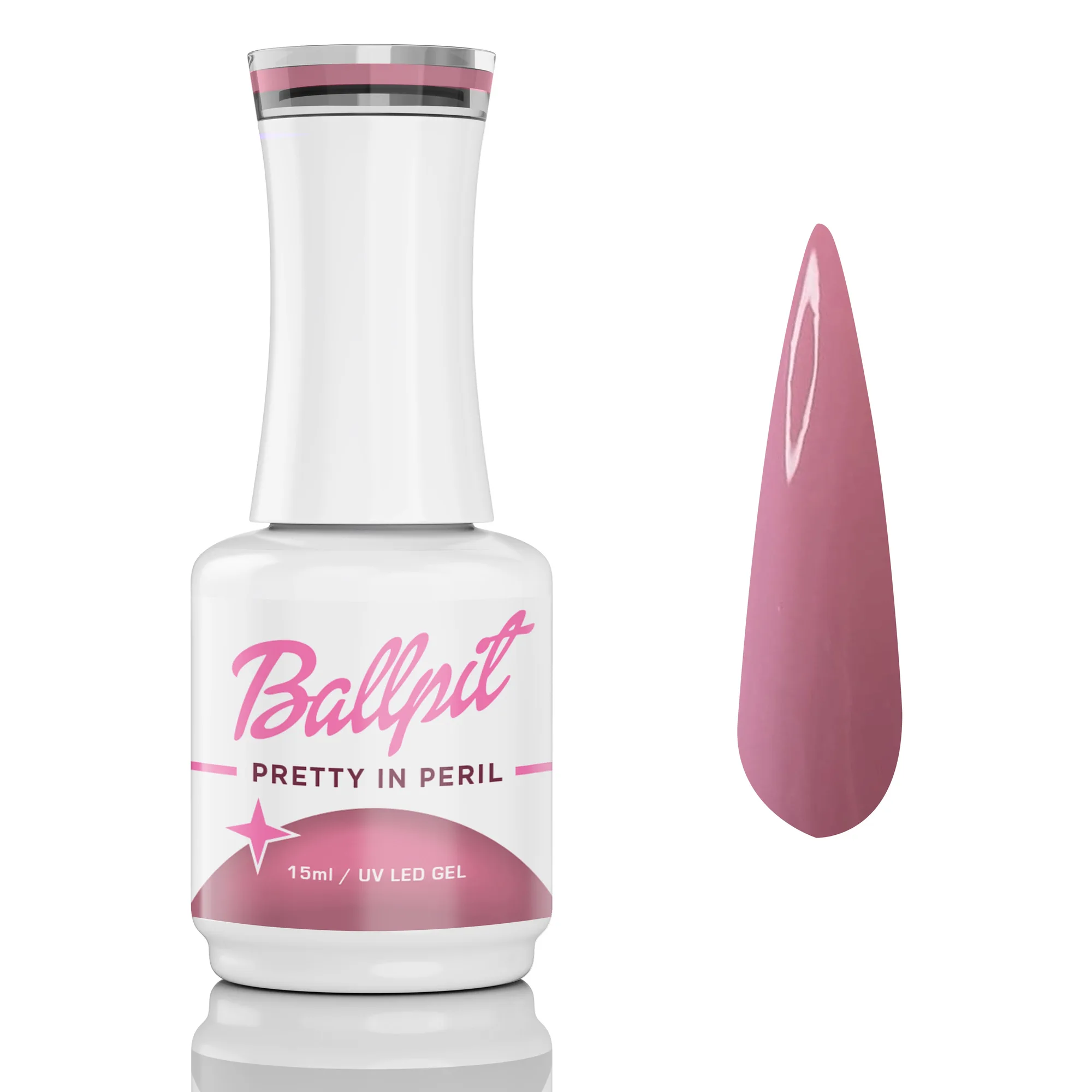
- Pretty in Peril - Gel Polish: UV / LED soak-off gel in a 15ml size made with the brand's classic creamy gel formula, featuring extreme pigment and anti-spread properties. A creamy, anti-spread body is the texture you should see after a proper stir. If a bottle will not return to that consistency, it has changed.
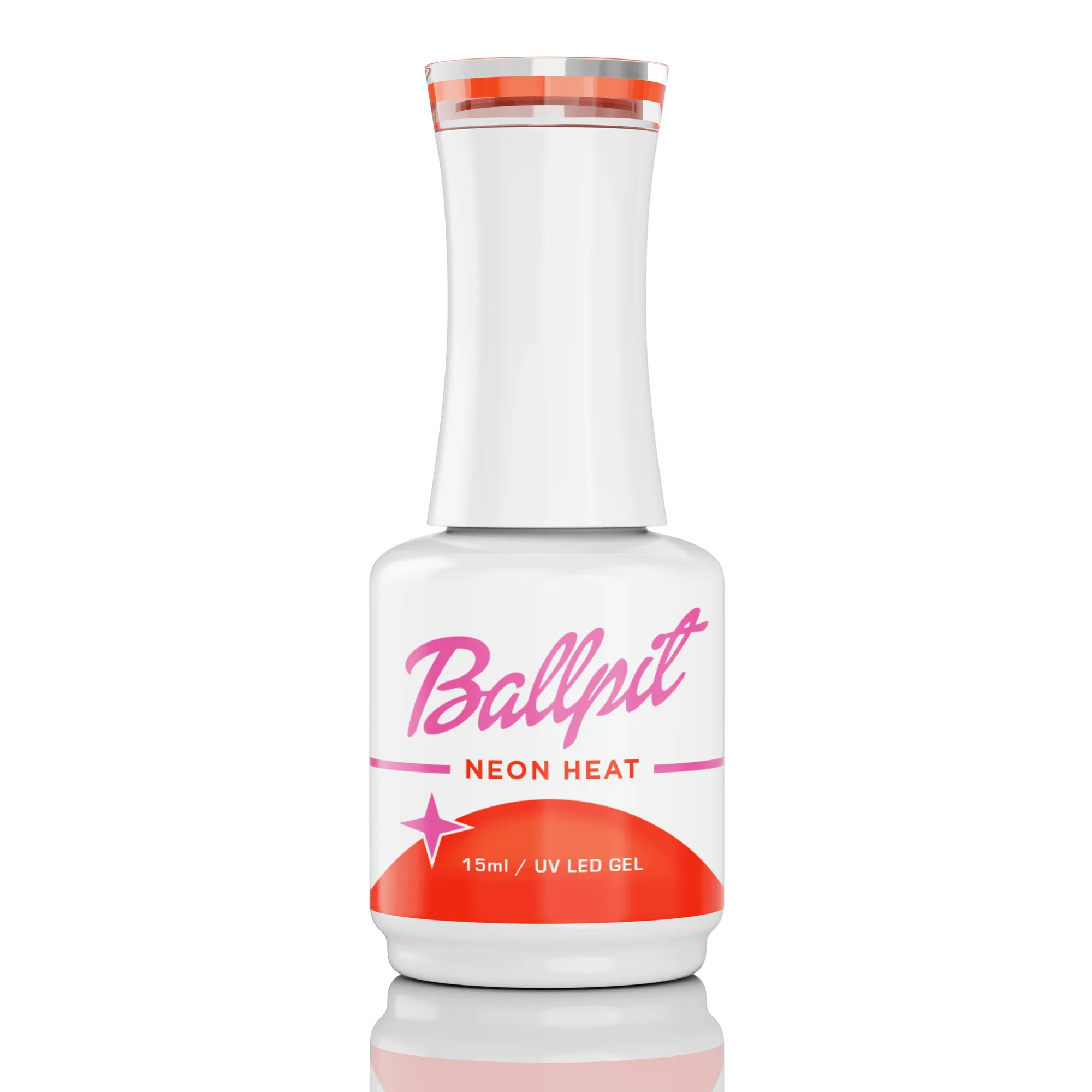
- Neon Heat - Gel Polish: 15ml UV / LED soak-off gel with the classic creamy gel formula, extreme pigment, and anti-spread properties, in an insanely electric orange shade. Highly pigmented shades like this are the ones most likely to settle visibly. Rolling and stirring before use is normal maintenance, not a red flag.
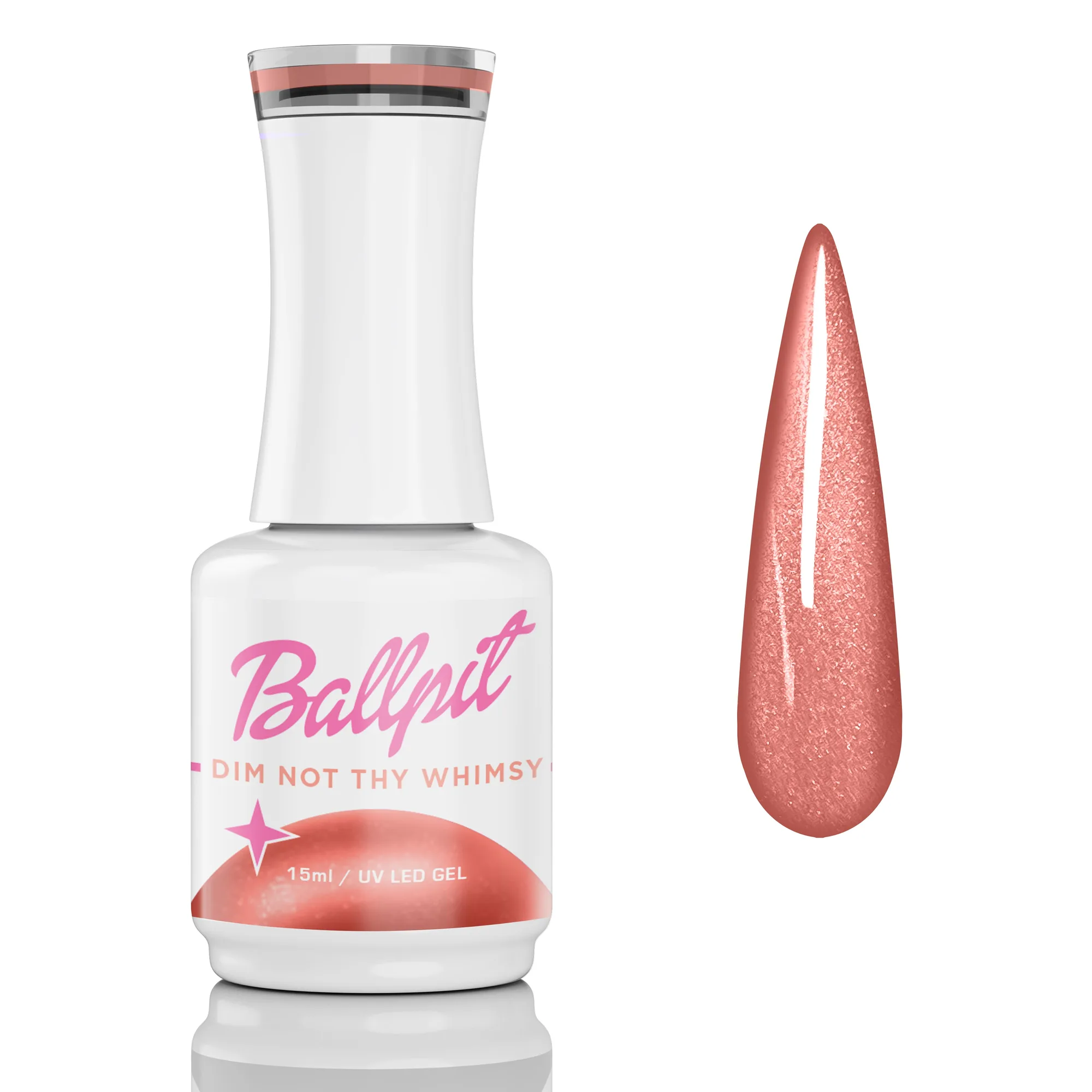
- Dim Not Thy Whimsy - Gel Polish: Light warm coral velvet cat eye shade, HEMA and TPO free, 15ml, with a 60 second cure time. Cat eye and shimmer shades can look separated when the magnetic particles settle. Stir gently and check the effect before assuming the shade has gone bad.
Most gel polish separating is maintenance, not failure. Stir, store it properly, and watch for texture changes. When a bottle will not stay mixed or apply smoothly, replacing it is cheaper than fighting a ruined manicure.