Quick Answer
Most pilling on kids' cotton sweaters comes from friction during wear and washing, not from a defect. Turn sweaters inside out, wash cold on a gentle cycle with like fabrics, lay flat to dry, and rest the sweater between wears. Remove existing pills with a fabric comb or sweater stone instead of pulling them off.
What Pilling Actually Is
A pill forms when short or loose fibers work their way out of the knit and tangle into a small ball on the surface. Friction from backpack straps, car seats, seat belts, and repeated washing encourages those fibers to migrate. Cotton knits can pill, but they tend to shed pills more gradually than synthetic blends, which is why a well-cared-for cotton cardigan often looks better after a few washes than a low-quality acrylic one.
How to Remove Pills Without Damaging the Knit
Lay the sweater flat and use a fabric comb or sweater stone with light, short strokes in one direction. Work in small sections and stop when the surface looks even; over-shaving thins the knit. Never pull pills off with your fingers, because that drags more fibers loose and creates new pills. For a quick fix on a small area, a clean pumice stone works the same way.
Washing Habits That Stop Pilling
Turn the sweater inside out and close any buttons before washing. Use cold water on a gentle or hand-wash cycle with a small amount of mild detergent. Wash sweaters with other soft knits rather than towels, jeans, or items with zippers and velcro that abrade the surface. Skip fabric softener, which can coat fibers and make them more likely to tangle. If you use a machine, a mesh laundry bag adds a useful layer of protection.
Drying and Storage That Protect the Knit
Lay cotton sweaters flat to dry on a towel or drying rack, reshaping them gently while damp. Hanging a wet sweater stretches it out of shape and exposes more surface area to friction. Once dry, fold sweaters rather than hanging them, and give a sweater a day of rest between wears so fibers can recover. Store folded sweaters in a drawer or shelf with a little breathing room.
Pilling Diagnosis: Symptom, Cause, Fix, and When to Stop
- Symptom: Light surface fuzz: Fine, loose fibers sit on top of the knit but have not formed firm balls yet. This is normal on new cotton sweaters. A single pass with a fabric comb usually smooths it.
- Symptom: Firm pills under the arms or where a backpack rubs: Friction concentrates in these areas, so pills appear first there even on good-quality knits. Remove pills gently and check whether a rough strap or seam is causing the friction.
- Symptom: Pills return within a few wears after removal: If pills keep coming back quickly across the whole sweater, the fabric may be loosely spun or blended with short synthetic fibers. Stop shaving and consider whether the sweater is worth the upkeep. A tighter, combed-cotton knit is a better long-term choice for daily wear.
Sweaters Built to Handle Real Kid Wear
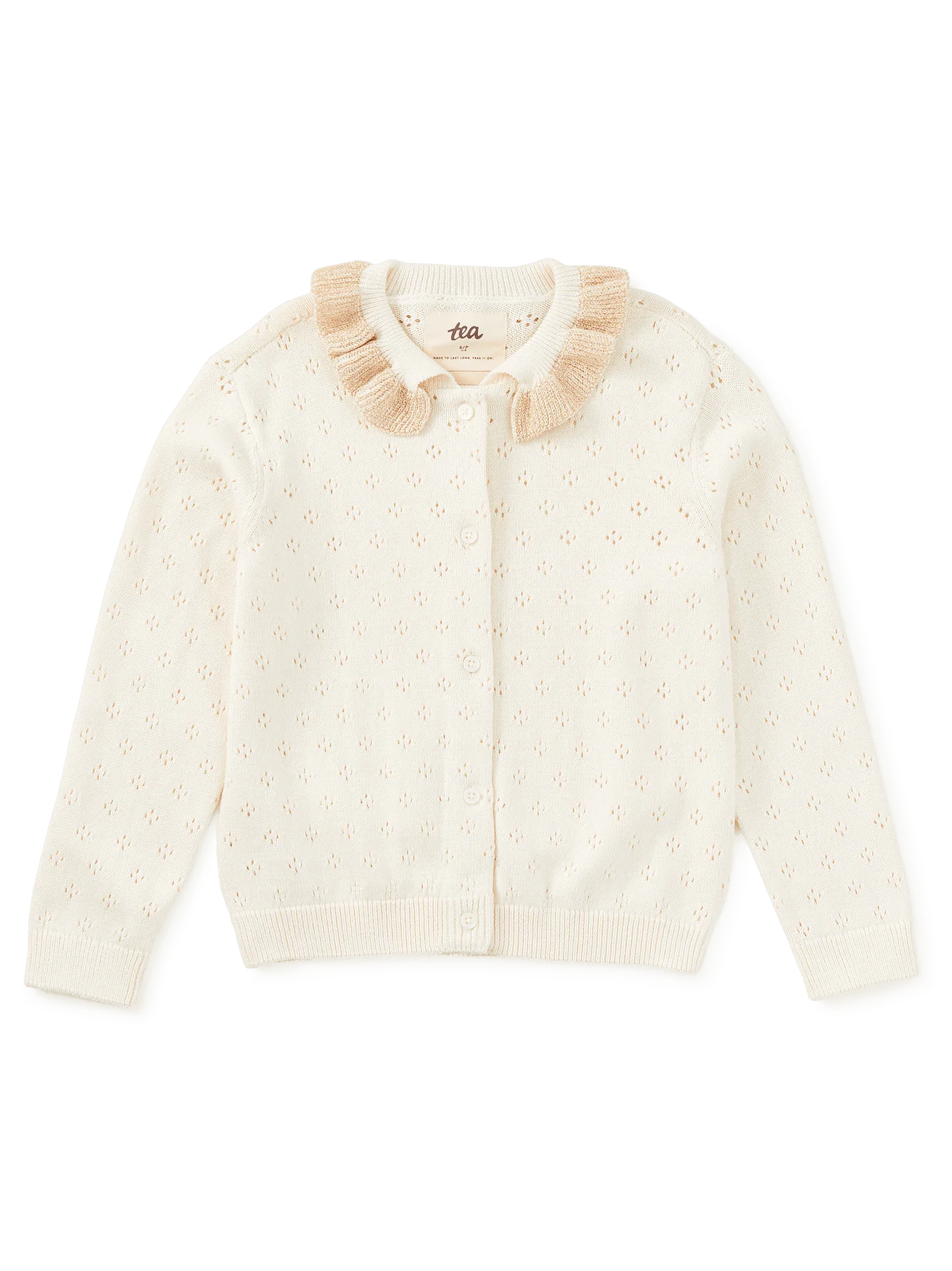
- Collared Pointelle Cardigan: Crafted from 100% combed cotton, the Collared Pointelle Cardigan has a delicate pointelle knit that feels breathable and comfortable while still offering warmth. Combed cotton removes many short fibers before spinning, which can reduce the loose fiber supply that leads to pilling.
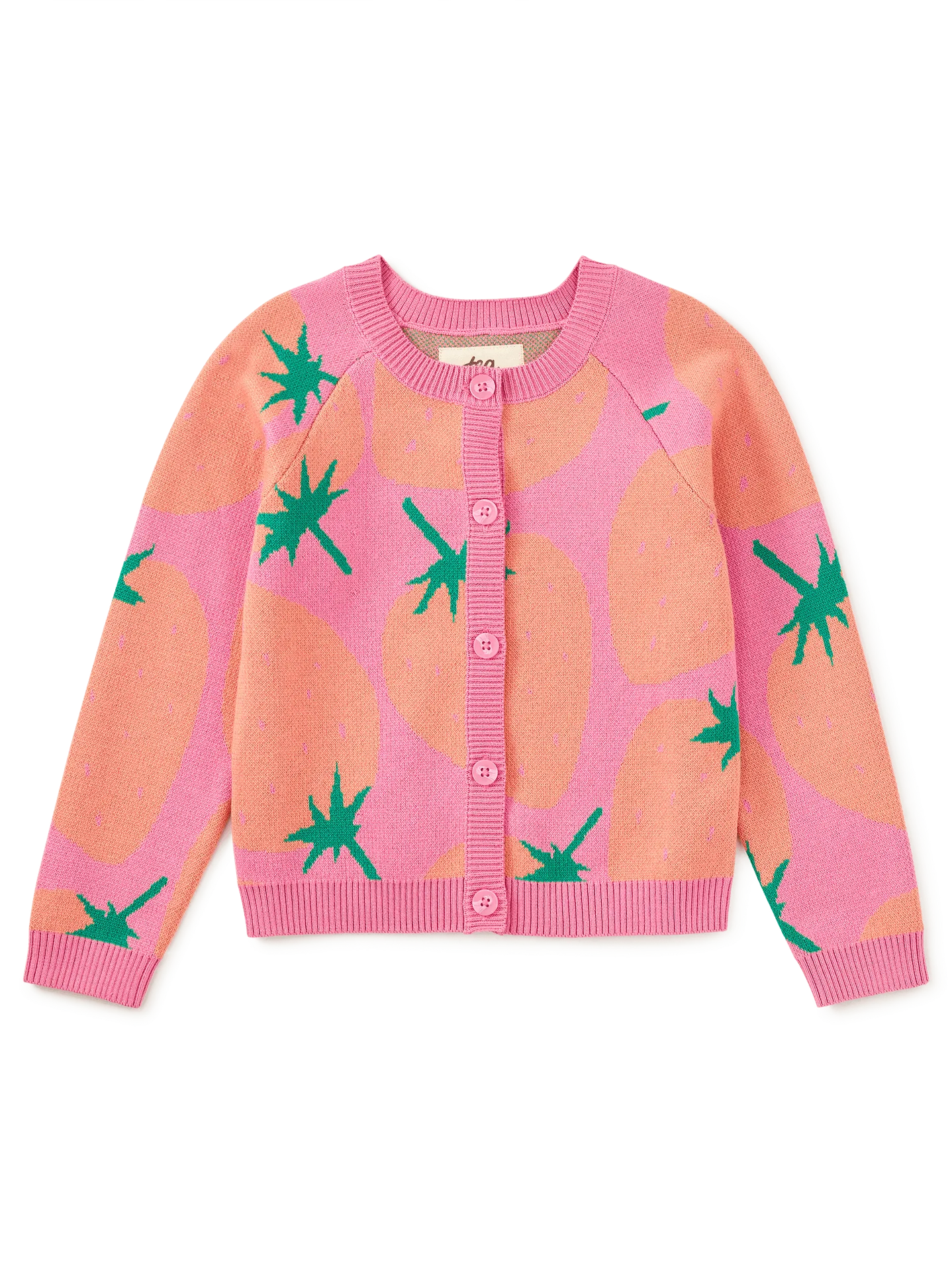
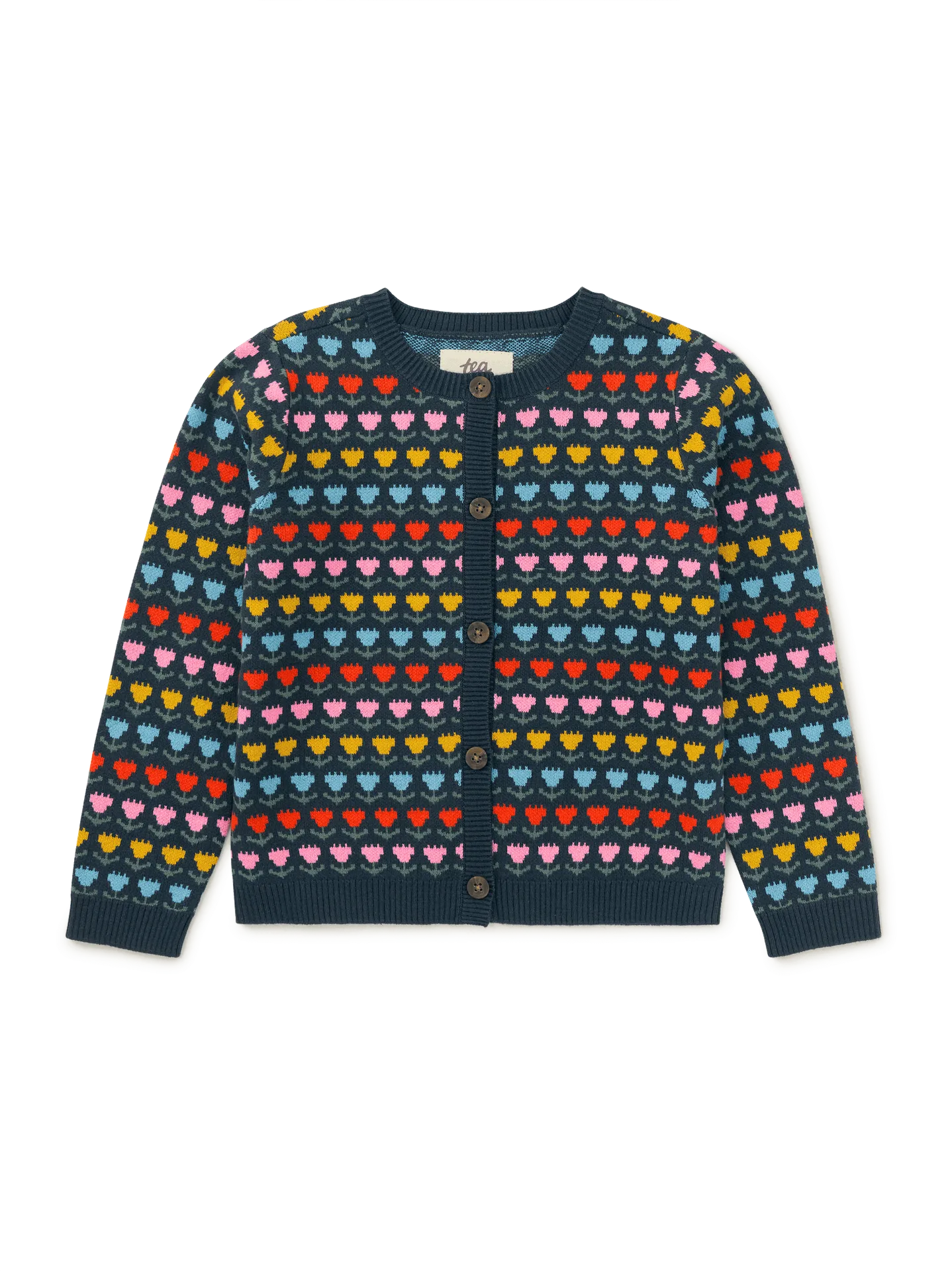
- Strawberry Iconic Cardigan: The Strawberry Iconic Cardigan is made from 100% cotton with a soft, breathable feel and a classic crew neckline and button-front design. A smooth cotton surface and simple button-front construction make this an easy sweater to wash inside out and lay flat to dry.