Quick answer
Most sticking happens because the griddle surface is too hot or too cold, the seasoning layer is uneven, or you flip food before it releases naturally. Preheat your griddle to medium (about 350–400°F for most foods), apply a thin coat of oil, and wait until the food releases on its own before flipping.
Check your heat first
A griddle surface that is too hot will instantly carbonize oil and food, creating a sticky bond. Too cold, and food sits in its own moisture, steaming and then cementing to the steel. Use an infrared thermometer to verify the surface temperature. For burgers, aim for 375–400°F; for eggs, 325–350°F; for pancakes, 350–375°F. If you do not have a thermometer, sprinkle a few drops of water on the surface. It should sizzle and evaporate in 1–2 seconds—if it dances wildly, the griddle is too hot; if it just sits, it is too cold.
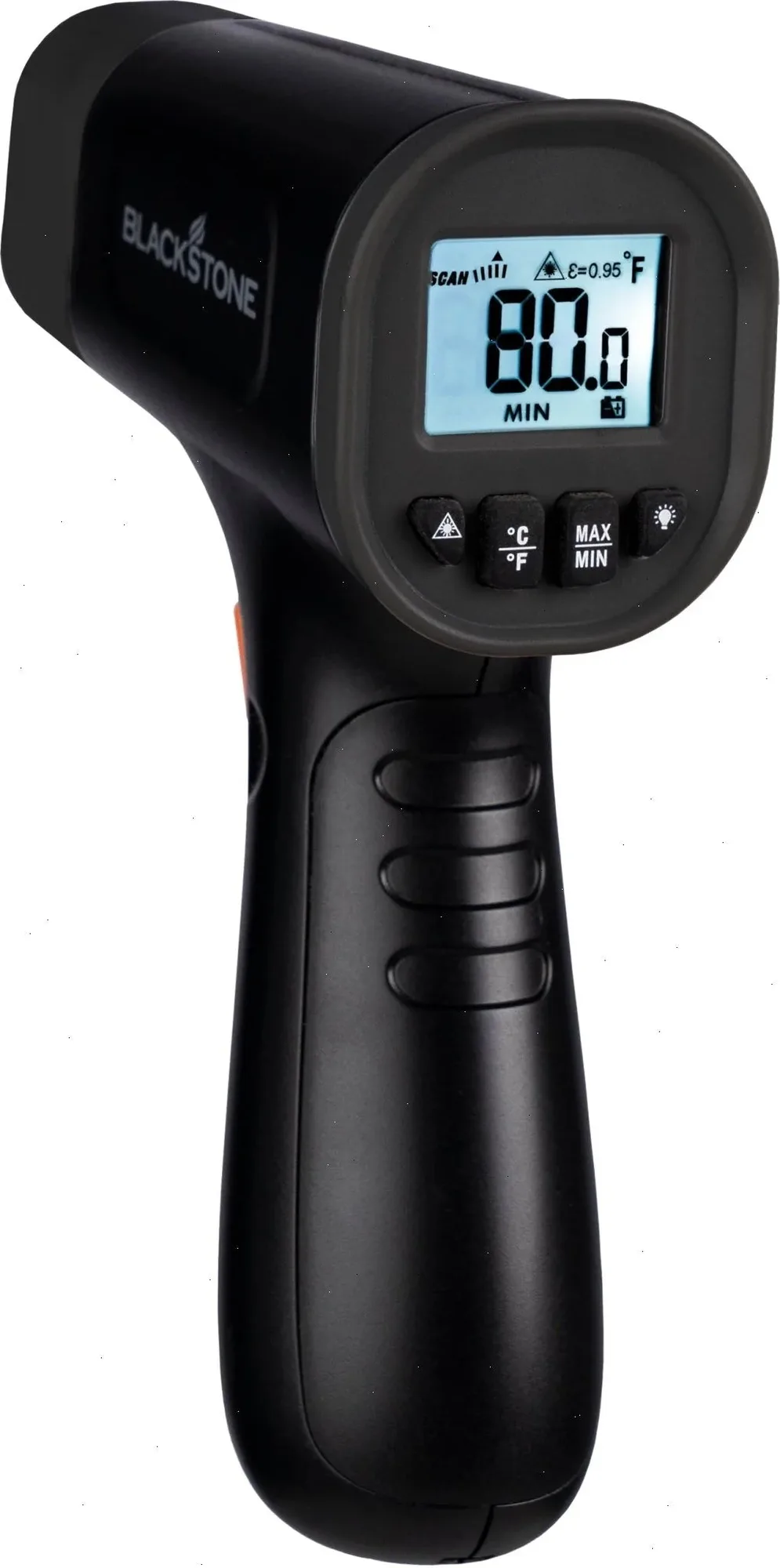
infrared thermometer
Evaluate your seasoning
A well-seasoned griddle has a slick, dark, and even layer of polymerized oil. If your seasoning is patchy, thin, or sticky to the touch, food will grab onto the bare steel. After cleaning, apply a very thin layer of flaxseed or canola oil and heat until it just begins to smoke, then let it cool. Repeat 2–3 times. Avoid thick coats, which turn gummy. If your griddle top is new, it may need several seasoning cycles before it becomes truly nonstick.
Adjust your cooking technique
Even with perfect heat and seasoning, food will stick if you rush the flip. Proteins like burgers and fish release naturally when they are seared and cooked enough on one side. If you have to tug, they are not ready. Also, avoid moving food around constantly. Let it develop a crust. For delicate items like eggs or pancakes, use a thin layer of oil or butter and allow the griddle to come back up to temperature between batches.
When to stop and try another approach
If you have tried adjusting heat, reseasoning, and timing, and food still sticks, your griddle top may have a damaged seasoning layer or warped surface. In that case, a full strip and reseason may be necessary. If the surface is physically scratched or pitted, sticking will be a persistent problem. At that point, consider replacing the griddle top or using a dedicated nonstick pan on a different cooking surface.
Diagnose your sticking problem
- Food sticks immediately when placed on griddle: Surface is likely too hot, causing instant carbonization. Reduce heat to medium and allow the griddle to cool slightly before adding food. If it sizzles violently, it's too hot.
- Food sticks after a few minutes of cooking: Seasoning may be insufficient or uneven. Clean the griddle, apply a thin coat of oil, and heat until smoking. Repeat as needed. A dark, even sheen means good seasoning.
- Food sticks only in certain spots: Those spots may have bare metal or built-up residue. Scrub with a griddle stone or fine steel wool, then reseason the entire surface. If spots persist, the surface may be damaged.
- Food sticks when you try to flip it: You are flipping too early. Wait until the food releases easily on its own—usually when it has a browned crust. If it resists, give it another minute.
Products that help
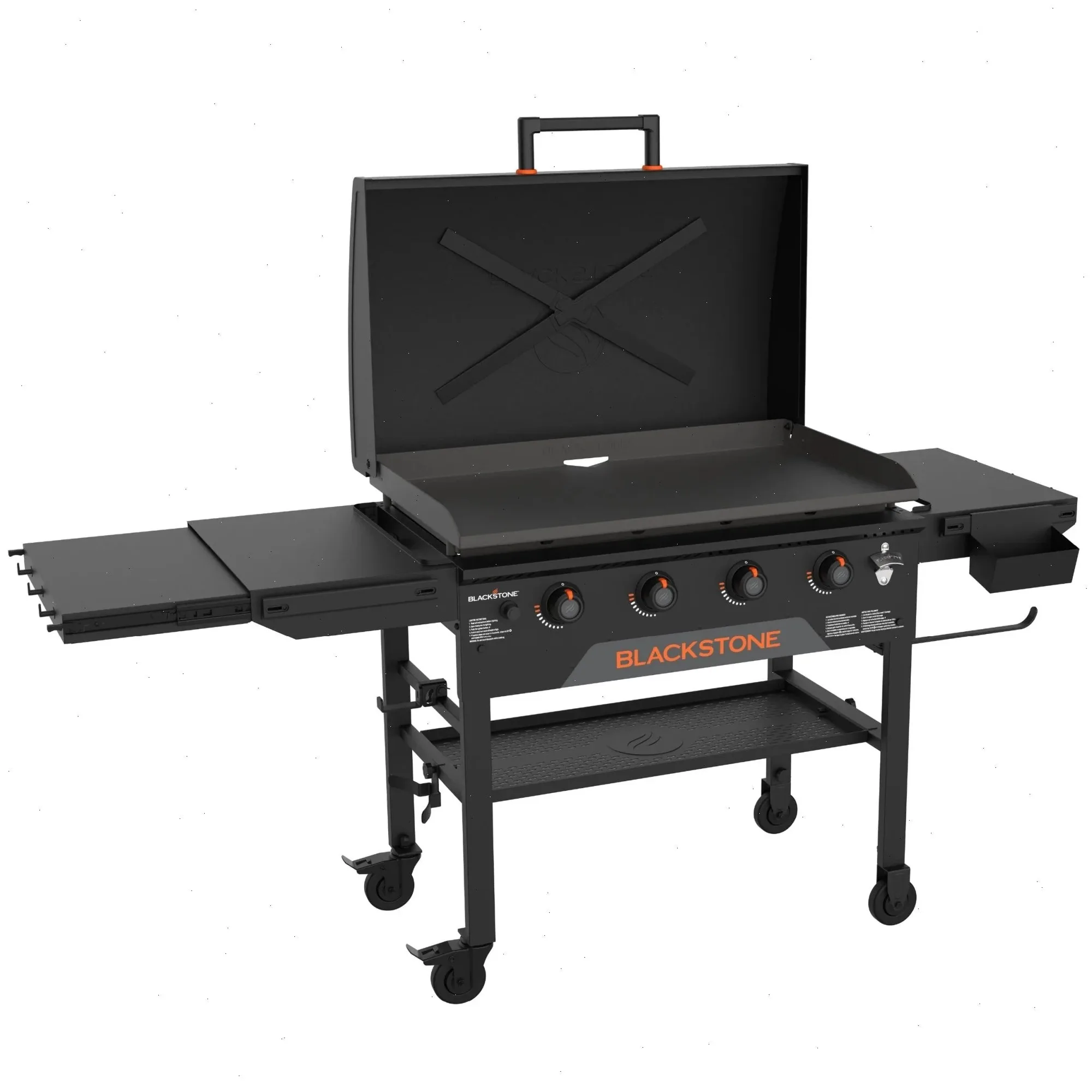
- 28" Griddle Cooking Station: Two independently controlled cooking zones with 34,000 BTU's. Independent zones let you keep one side at a lower temperature for delicate foods, reducing the chance of sticking due to overheating.
- 36" Griddle Top Carry Bag: Specifically sized to fit Blackstone 36-inch griddle tops for a snug and secure fit. A carry bag protects your griddle top during transport and storage, helping maintain the seasoning layer that prevents sticking.