Quick Answer
Left handed shears are designed with reversed blades and handles so left-handed groomers can cut with natural wrist alignment, reducing strain and improving precision. If you're left-handed, switching to left handed grooming shears can make a noticeable difference in comfort and cut quality.
Why left handed shears matter
Most grooming shears are made for right-handed users. When a left-handed groomer uses right-handed shears, the blade angle forces the wrist into an awkward position, which can lead to fatigue and less accurate cuts. Left handed shears are mirror-image tools, so the blades and handles are reversed to fit the natural motion of the left hand.
The result is better control, smoother cuts, and less strain on the wrist and forearm. For professional groomers who use shears daily, this can make a significant difference in both comfort and the quality of their work.
Curved vs. straight left handed shears
Left handed shears come in both curved and straight blade styles. Curved shears are ideal for shaping and trimming around contours, like the face, paws, and sanitary areas. Straight shears are more versatile for general cutting and trimming, especially when you need a clean, straight line.
Many groomers keep both types in their kit. A left handed curve shear is great for detail work, while a left handed straight shear handles everyday cuts. If you're just starting with left handed tools, a straight shear is often the easiest to adapt to.
Frequently asked questions
What is the difference between left handed and right handed shears?
Left handed shears have reversed blades and handles so the cutting edge is on the correct side for a left-handed user. This allows the wrist to stay in a neutral position, reducing strain and improving control. If you're left-handed and have been using right-handed shears, try a left handed pair to feel the difference in wrist alignment.
How do I know if I need left handed shears?
If you naturally hold shears in your left hand and find that right-handed shears feel awkward or cause wrist fatigue, you likely need left handed shears. You can also check the blade orientation: when you open the shears, the blade on top should be on the side you cut with. Pay attention to how your wrist feels after a grooming session. Persistent strain is a strong sign you need left handed tools.
Can a right-handed groomer use left handed shears?
Technically yes, but it's not recommended. The reversed blades will make cuts less precise and increase strain. Left handed shears are specifically designed for left-handed users, so right-handed groomers should stick with right-handed shears. If you're right-handed, don't switch to left handed shears—they won't improve your work.
What should I look for when buying left handed shears?
Consider the blade type (curved or straight), length, and the quality of the steel. A 7-inch curved shear is good for detailed shaping, while an 8-inch straight shear offers more reach for general cutting. Also check the handle design for comfort and the tension screw for adjustability. Start with one versatile pair, like an 8-inch straight shear, and add a curved or thinning shear as you get comfortable.
Left handed shear options
-
7in Left Handed Curve: 7-inch left-handed curved shear with a curved blade design for precision cuts. The curved blade helps you shape and trim around contours with more control, making it a good choice for detailed grooming work.
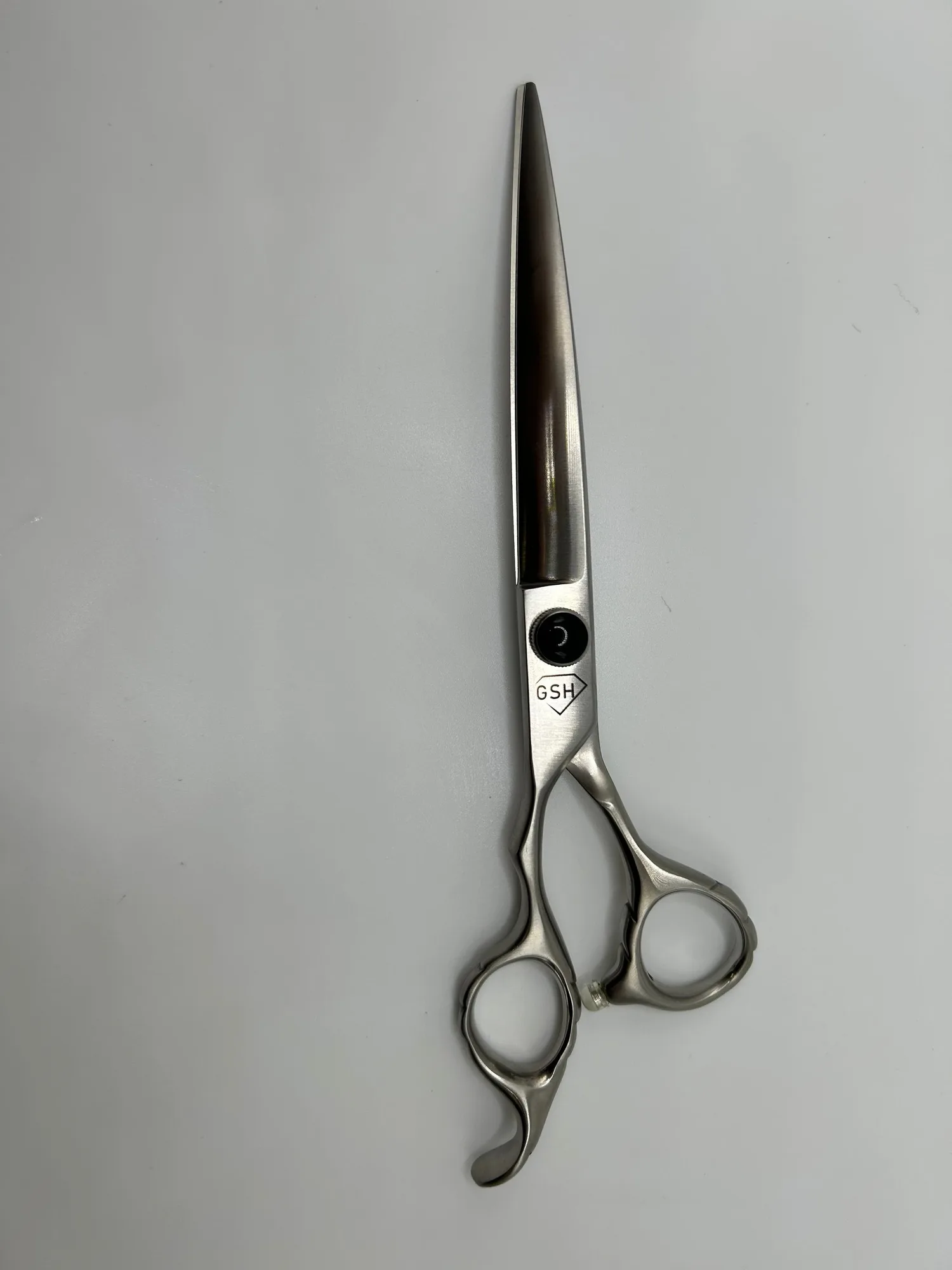
7in Left Handed Curve
-
8in Left Handed Straight: 8-inch left-handed straight shear with a classic straight blade design. The longer blade provides extended reach, and the straight edge is versatile for a wide range of cutting tasks.
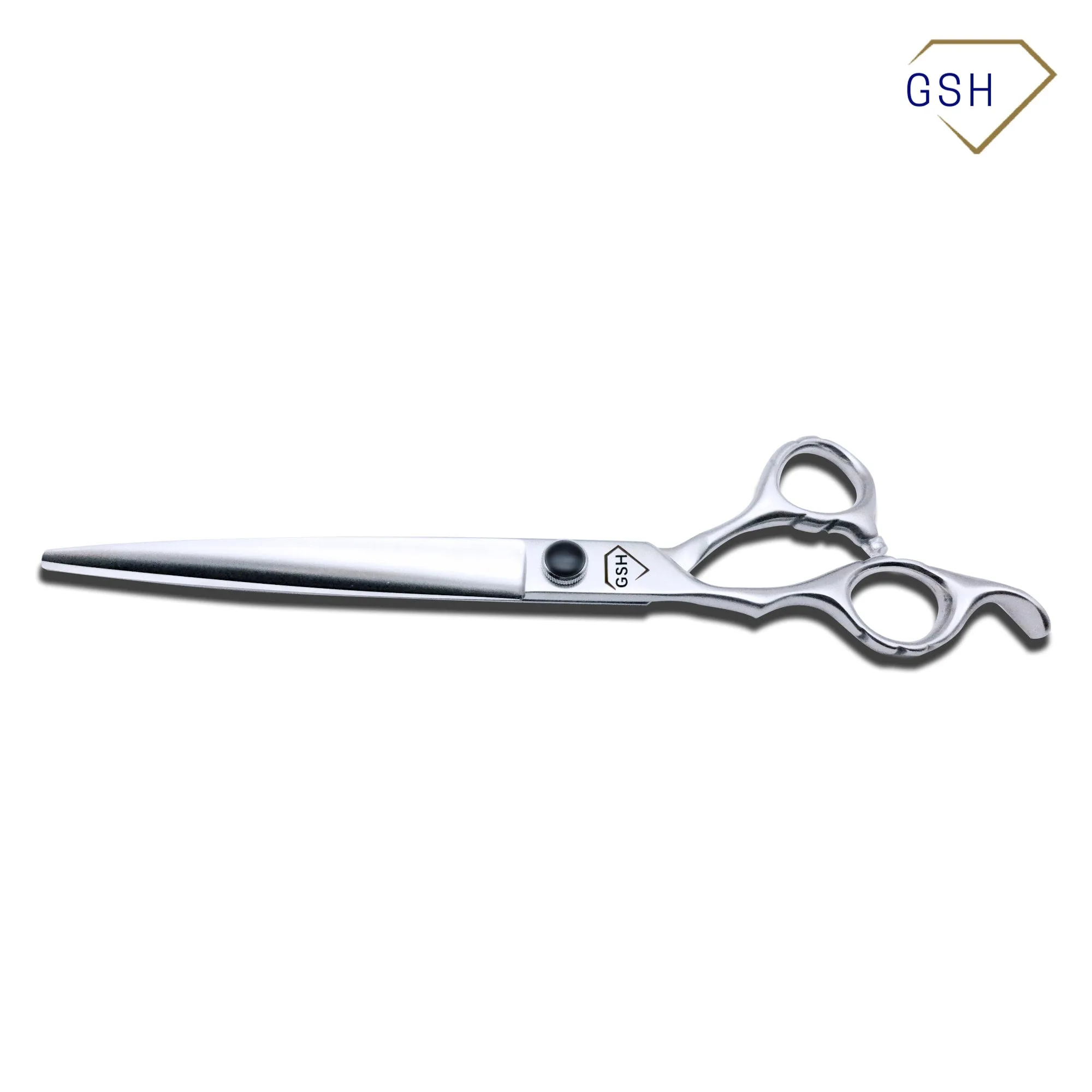
8in Left Handed Straight
-
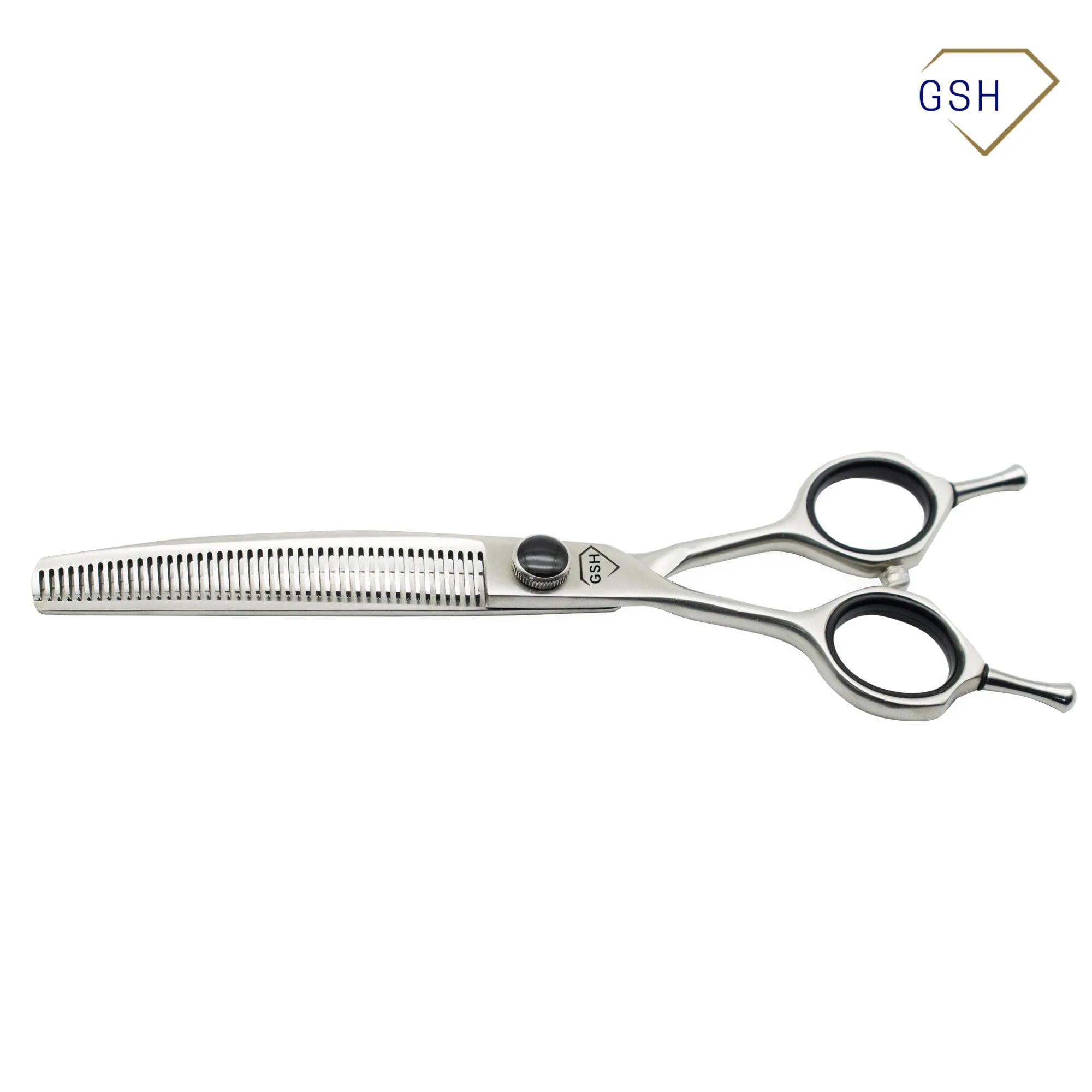
6.5in 45 Tooth Left Handed Curve Thinner: 6.5-inch left-handed curve thinner with a 45-tooth blade for blending and reducing coat volume. The 45-tooth blade helps you thin and blend coats smoothly, which is useful for creating natural-looking transitions.