Quick answer
Most hand fan ribs break because the fan is forced open or closed, stored damp, or used with a loose hinge, not because the material is weak. Stop forcing the fold, keep the fan dry, and tighten the hinge before the ribs take the strain. If a rib is already cracked through, repair is usually temporary and replacement is the better choice.
The three failure points on a hand fan
A folding hand fan fails in one of three places: the hinge rivet, the outer guard rib, or the inner ribs near the pivot. Each has a different cause and a different fix, so identify the failure point before you do anything else. A fan that snaps at the rivet is a hinge problem; a fan that snaps mid-rib is a handling problem; a fan that splits at the fold line is a storage problem.
- Hinge rivet: the fan feels loose, wobbles, or opens unevenly.
- Guard rib: the outer rib cracks or splinters, often from being dropped or pressed.
- Inner ribs: one or more ribs break near the pivot, usually from forced opening.
Why forcing the fold breaks ribs
Ribs are thin by design, and they are strongest when the fan opens in one smooth arc. Pulling one side faster than the other twists the pivot and concentrates force on a single rib. That is the most common cause of a rib snapping near the hinge. Open the fan slowly, let the ribs find their own spacing, and never push a rib past the point where it naturally stops.
Storage and moisture damage
Damp storage softens the rib material and swells the pivot, so the fan dries into a shape that strains the ribs every time you open it. Store the fan closed, dry, and slightly loose rather than compressed flat. If the fan has been in a humid room, let it air out fully before folding it tight again.
When repair is worth it and when it is not
A loose rivet can often be tightened or replaced, and a slightly split guard rib can sometimes be stabilized with a thin repair strip. A rib that has snapped clean through the pivot cannot be reliably repaired at home; the fan will keep failing at the same point. If two or more inner ribs are broken, the fan has lost its structure and should be replaced rather than patched. If you are unsure which situation you have, compare the fan against a known-good fan from the same collection before spending time on a repair.
Diagnose the break before you fix it
- Symptom: the fan wobbles at the hinge: The rivet is loose or worn, so the ribs move independently instead of as one unit. Tighten or replace the rivet before opening the fan again; a loose hinge is the leading cause of rib breakage.
- Symptom: one outer rib is cracked or splintered: The guard rib took a direct impact, usually from a drop or from being pressed in a bag. A light crack can sometimes be stabilized, but a full split means the fan will not fold evenly again.
- Symptom: an inner rib snapped near the pivot: The fan was forced open or closed unevenly, concentrating force on one rib. Stop using the fan. A rib broken at the pivot cannot be repaired reliably at home.
- Symptom: several ribs are broken or the fan will not fold flat: The fan has lost its structural integrity, and repairing one rib will not restore it. Replace the fan. Continuing to use it will break more ribs and may damage the print.
Fans built for regular handling
- Let's Dance Hand Fan: Designed in honour of the late and great David Bowie, this hand fan goes out to everyone who likes to move it on the dance floor. A fan meant for dancing gets opened and closed constantly, so the hinge and ribs take more wear than a display fan.
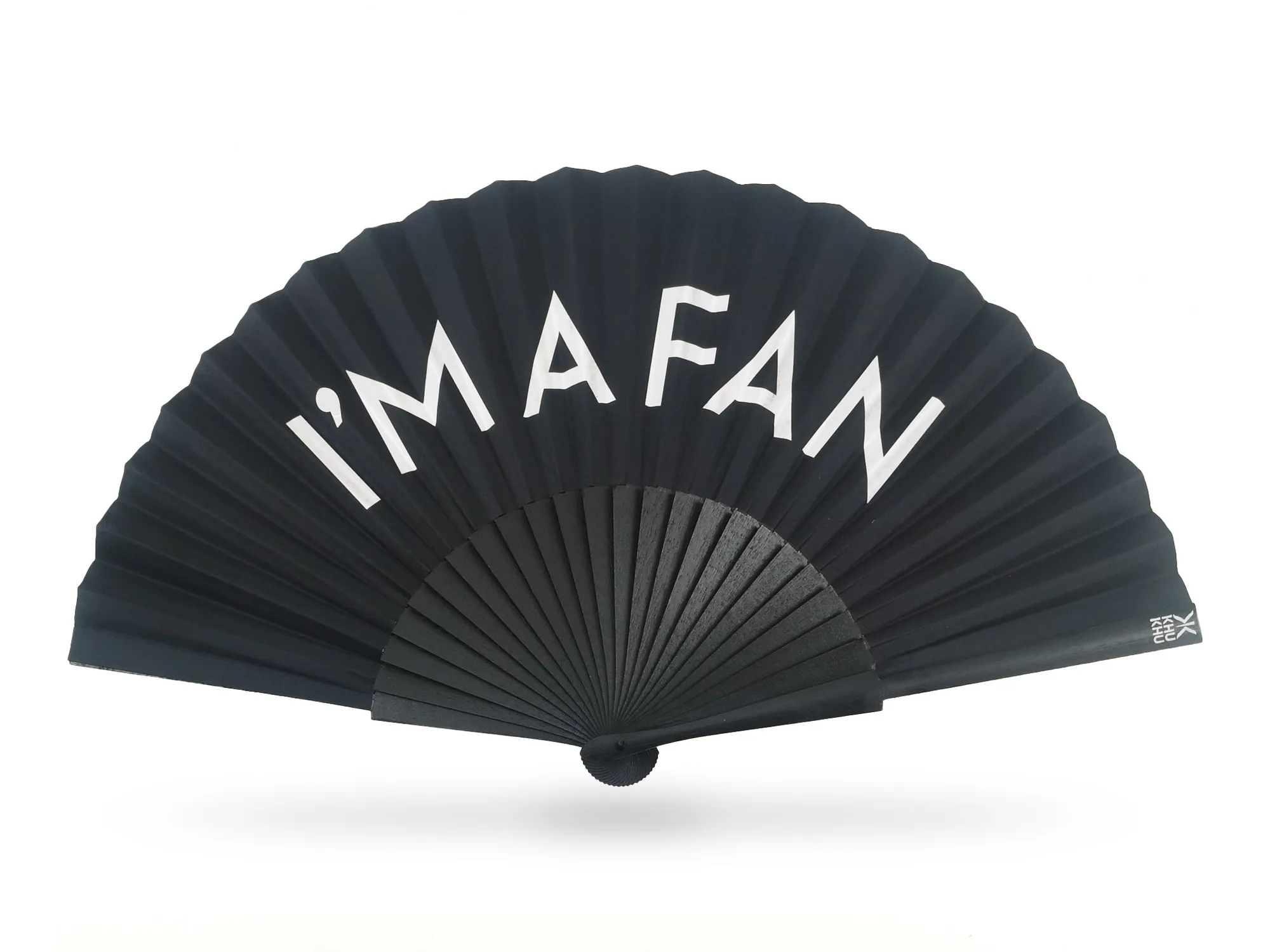
- Stay Cool Hand Fan: Stay cool and make a statement with the Stay Cool Hand Fan from Khu Khu. This classic hand fan brings a timeless touch to any warm day, designed for those who appreciate simple, functional elegance. A simple, functional design is easier to open and close evenly, which reduces the twisting that breaks ribs.
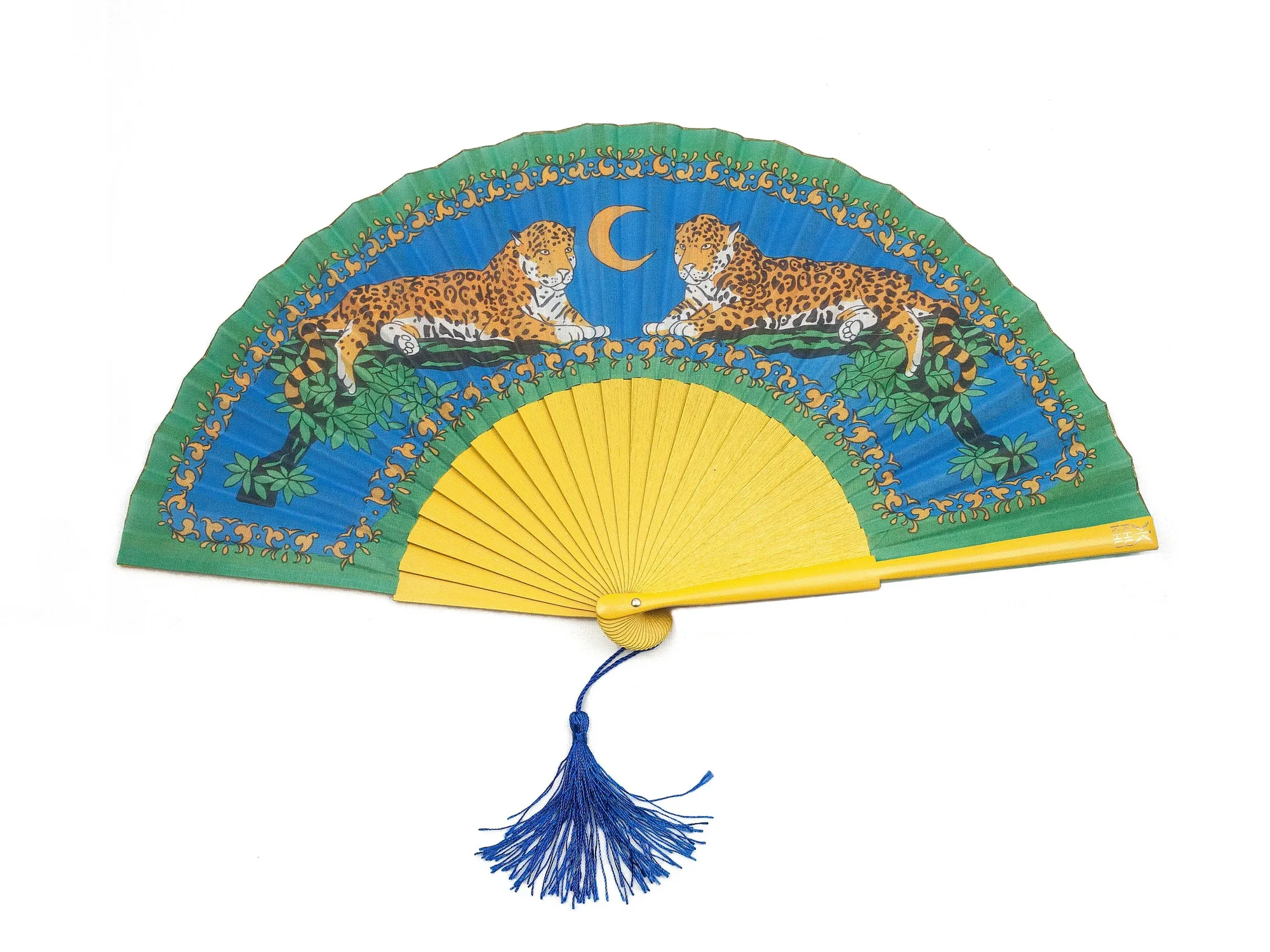
- Lazy Leopards Hand Fan: The ultimate in cool kitsch with its vintage Indian feel, pop colours, intricate detailing and sparkly feminine tassel. Intricate detailing and a tassel mean more parts to check for snags before folding, so inspect the fan before each use.