Quick Answer
If your herbal tea isn't working, check three things first: water temperature, steep time, and how consistently you drink it. Most people pour boiling water over delicate herbs, steep for under three minutes, and drink a cup only when they remember. Fix those three habits and you'll notice a real difference within a week.
Mistake 1: Water That's Too Hot or Too Cool
Boiling water is the default for most people, but it's wrong for many herbal blends. Delicate botanicals like chamomile, peppermint, and fennel release their oils best at 195-205°F (90-96°C). Pour boiling water on them and you scorch the volatile compounds that carry both flavor and function. Heartier ingredients like ginger, cinnamon, and rooibos can handle a full boil, but even then, let the water rest for 30 seconds after it reaches a rolling boil. If you don't own a thermometer, watch the surface: small bubbles rising in a steady stream, not a violent roll, is your visual cue. For powdered blends, the rule flips. Powders dissolve rather than steep, so hot water is fine and actually helps them disperse evenly.
Mistake 2: Steeping for the Wrong Amount of Time
A 90-second steep is a tea bag habit, not a herbal habit. Loose leaf and powdered blends need longer contact to extract their compounds. Start with five to seven minutes for most herbal blends, and up to ten minutes for roots and barks. If your tea tastes weak, don't just add more leaves; extend the steep first. If it tastes bitter, you've gone too far or your water was too hot. Powdered blends are different: they don't need steeping at all. Stir them into hot water and drink once they're fully dissolved, usually within a minute. Treating a powder like a loose leaf tea and straining it out defeats the purpose.
Mistake 3: Inconsistent Dosage and Timing
Herbal tea works through repetition, not intensity. One strong cup on Monday and nothing until Thursday won't give your body the steady input it needs. Most traditional herbal practices call for one to three cups daily, spaced throughout the day rather than gulped all at once. Timing matters too. Digestive blends work best 15-30 minutes after a meal, when your body is actively processing food. Energizing blends belong in the morning or early afternoon. If you're taking a powdered blend, measure it consistently: a level scoop or teaspoon, not a heaping guess. Inconsistency is the most common reason people say herbal tea isn't working when the tea itself is fine.
Mistake 4: Storing Tea Where It Loses Potency
Heat, light, and air degrade the aromatic oils that make herbal tea effective. A clear glass jar on a sunny windowsill is the worst possible storage spot. Keep your tea in an airtight container in a cool, dark cabinet, away from the stove and dishwasher. Powdered blends are more vulnerable than loose leaf because more surface area is exposed to air. If your powder has clumped or changed color, it's past its useful life. Buy in quantities you'll finish within two to three months, and label the container with the purchase date.
Mistake 5: Expecting the Wrong Kind of Result
Herbal tea supports your body's own systems; it doesn't override them. If you're looking for an immediate, dramatic effect, you'll be disappointed no matter how well you brew. What you can reasonably expect is a gradual shift: easier digestion after meals, a calmer stomach, better sleep onset, or steadier energy. Those changes typically show up after one to two weeks of consistent use, not after a single cup. If you've been drinking the same blend daily for three weeks with no change at all, the issue may be the blend itself, not your technique. That's your signal to try a different botanical or talk to a healthcare provider about what you're trying to address.
Mistake 6: Ignoring Your Body's Feedback
Some people feel great on a strong ginger blend; others get heartburn. Some sleep well after chamomile; others notice nothing. Your body's response is data. If a tea makes you feel worse, stop drinking it. If it makes you feel slightly better but not enough, adjust your steep time or dosage before abandoning it. Keep a simple note for two weeks: what you drank, when, how much, and how you felt. Patterns emerge quickly. This log also helps you have a more productive conversation with a healthcare provider if you decide to go that route.
Diagnose Your Tea Problem
- Symptom: Tea tastes weak or watery: Likely cause: steep time too short or water temperature too low for the botanicals in your blend. Corrective action: extend steep time by two minutes and check water temperature. If you're using a powdered blend, you're probably straining out the powder instead of drinking it dissolved. If flavor improves but you still feel nothing after two weeks of consistent use, the blend may not match your goal.
- Symptom: Tea tastes bitter or harsh: Likely cause: water was too hot or you steeped too long. Corrective action: let boiling water rest for 30-60 seconds before pouring, and reduce steep time by one to two minutes. For powdered blends, bitterness usually means you used too much powder. If bitterness persists at the correct temperature and time, the blend may simply not suit your palate. Try a different botanical base.
- Symptom: Tea worked at first, then stopped: Likely cause: inconsistent daily use, degraded storage, or your body adapted to the current dosage. Corrective action: check your storage conditions, confirm you're drinking it daily at the same time, and consider whether you've been measuring consistently. If you've been consistent for three weeks with no effect, stop and reassess. Either change the blend or consult a healthcare provider about the underlying issue.
- Symptom: Tea makes you feel worse: Likely cause: an ingredient doesn't agree with you, or the dosage is too high for your body. Corrective action: stop drinking it immediately. Don't try to push through. If you want to test whether a lower dose helps, wait a few days and try half the amount. If the same reaction happens at half dose, stop using that blend entirely and talk to a healthcare provider.
When the Blend Itself Is the Variable
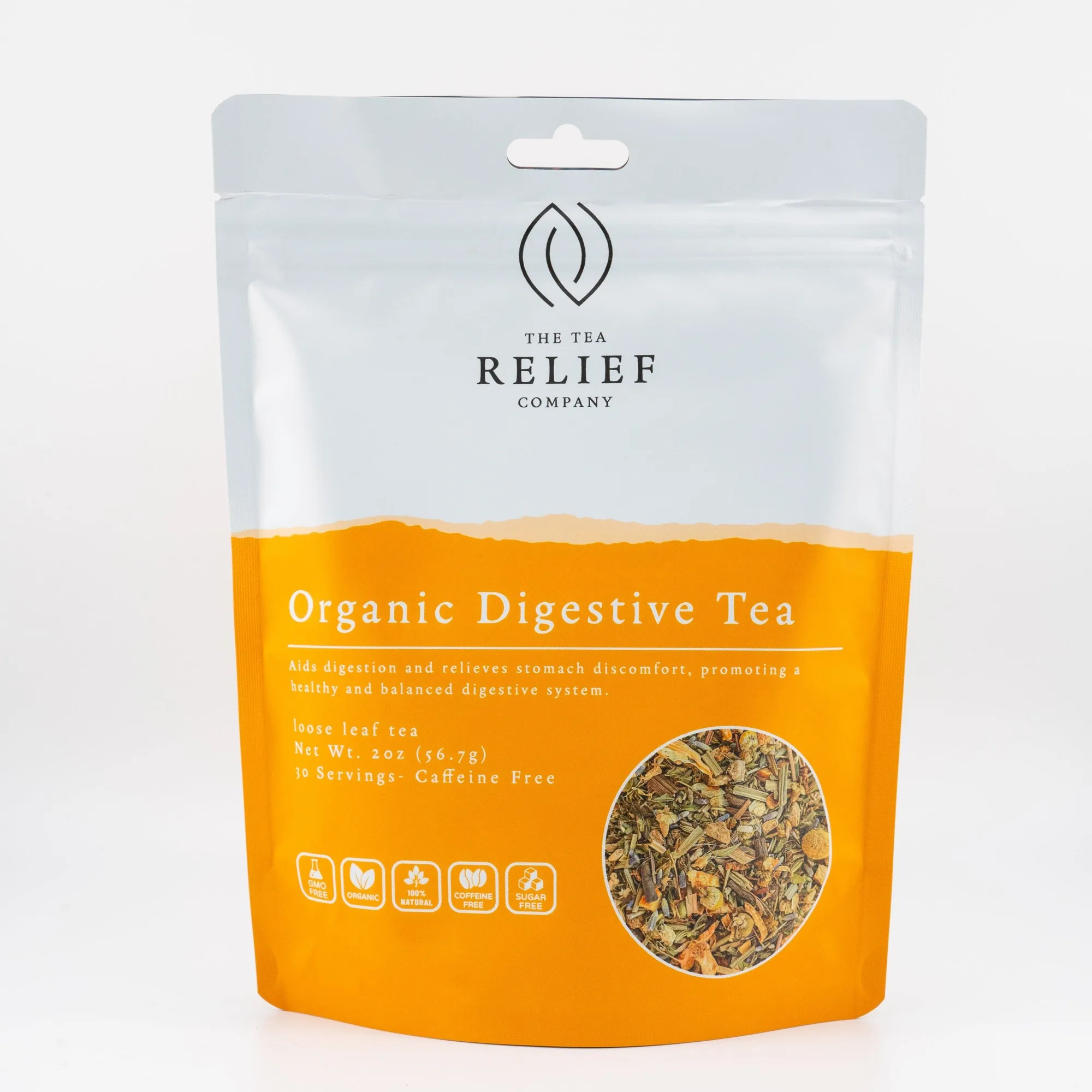
- Organic Digestion Tea: Organic Digestion Tea is a loose-leaf herbal blend formulated with time-tested botanicals traditionally used to support healthy digestion, soothe the digestive tract, and promote everyday digestive comfort. If your current tea isn't helping after meals, this blend is designed specifically for that window. Steep it at 195-205°F for five to seven minutes and drink it 15-30 minutes after eating.
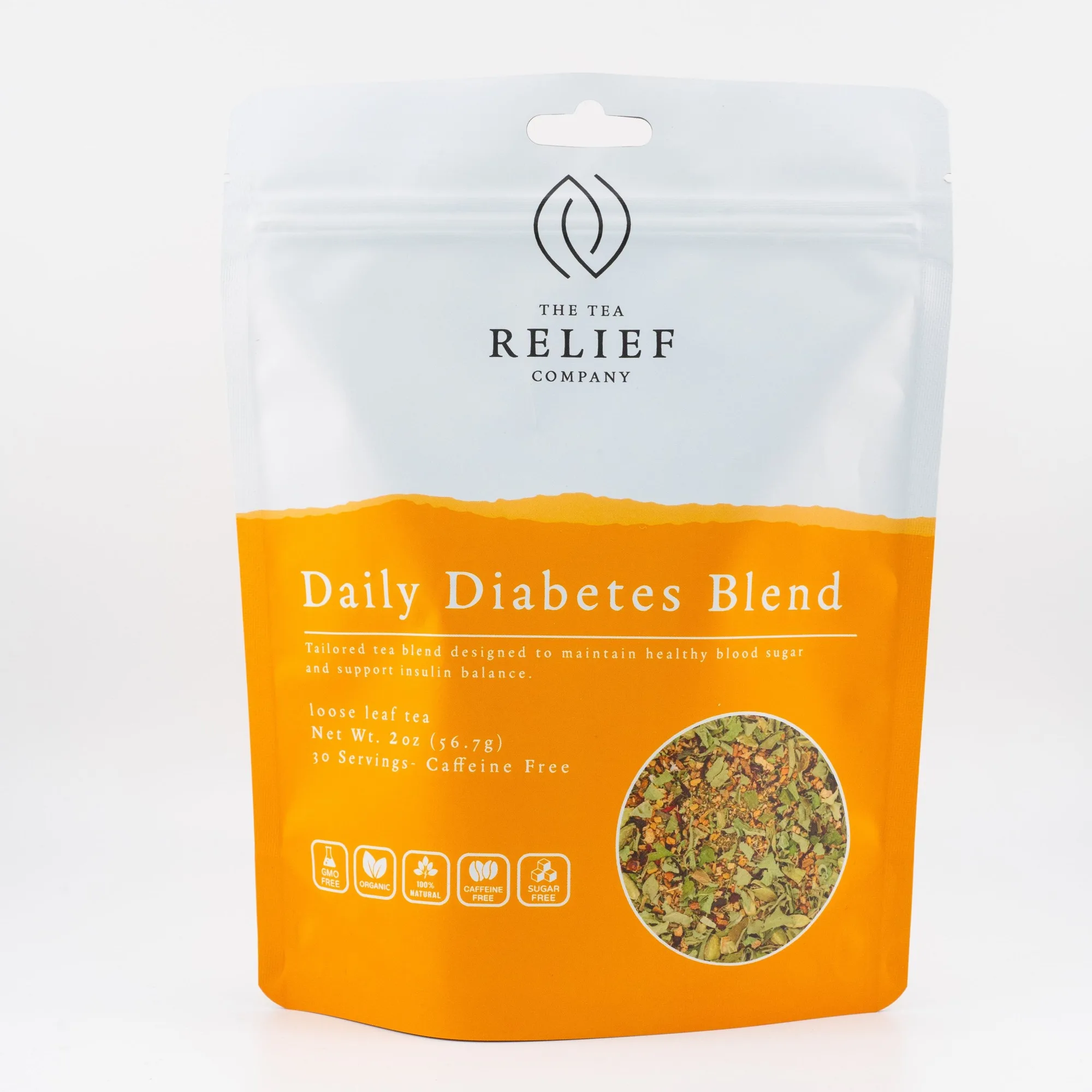
- Daily Diabetes Blend Tea: Daily Diabetes Blend Tea is a powdered blend made with organic herbs and spices traditionally used to support healthy blood sugar balance, digestion, and overall wellness. Powders dissolve rather than steep, so you don't need a strainer or a timer. Stir one serving into hot water and drink it immediately. This format suits people who want consistency without the ritual of loose-leaf brewing.
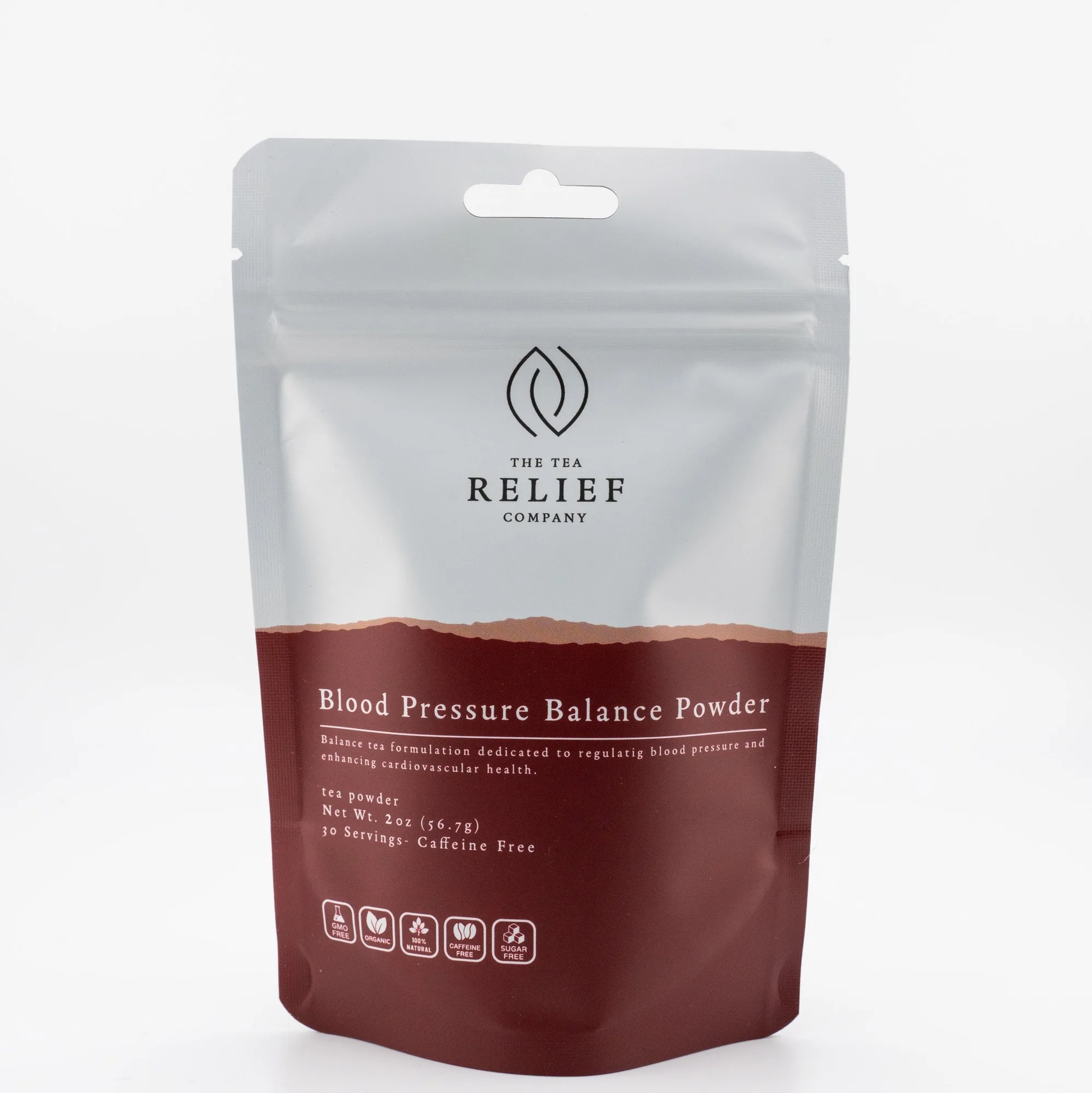
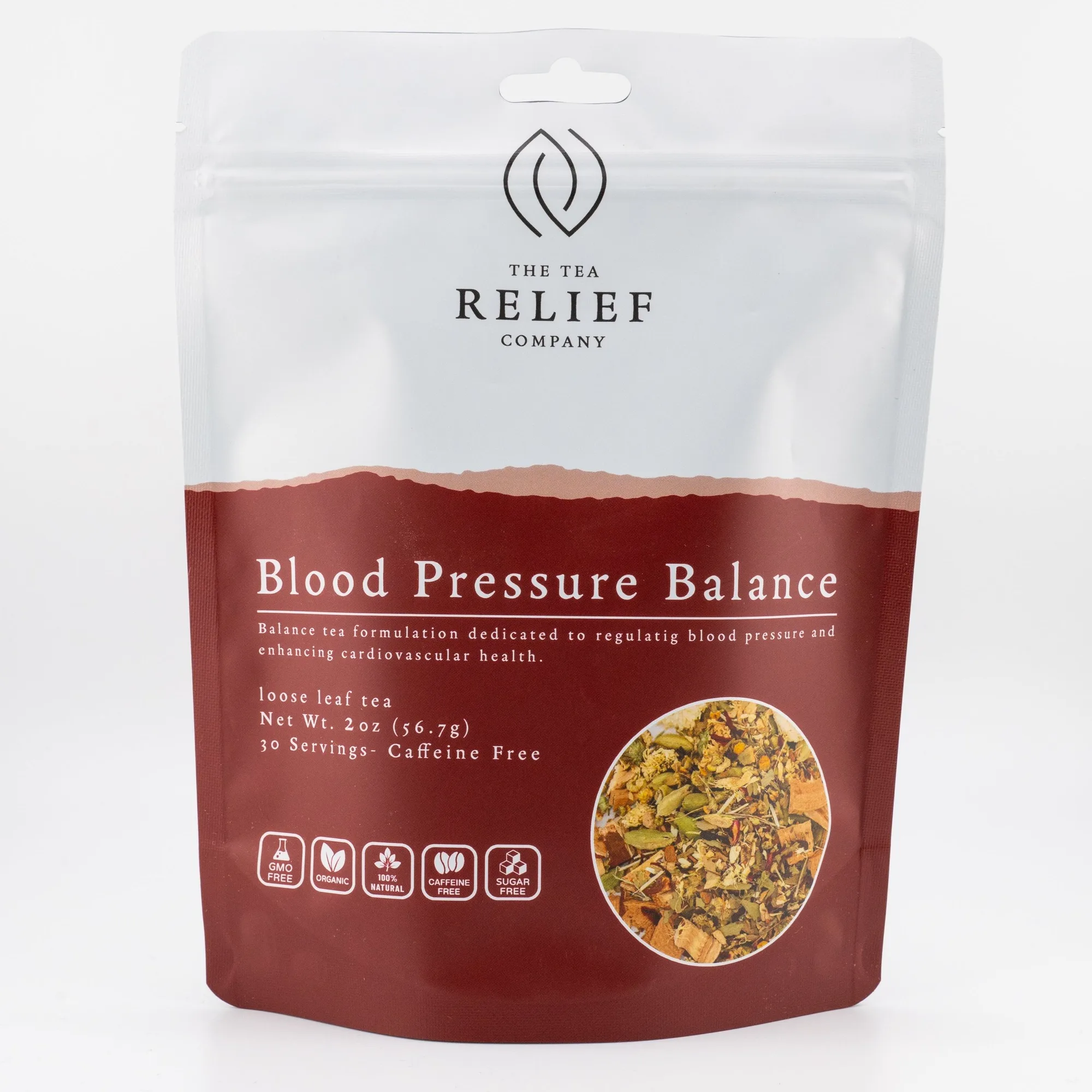
- Blood Pressure Balance Powder: Blood Pressure Balance Powder is a powdered blend featuring organic herbs traditionally used to support healthy blood pressure, everyday stress relief, and the body's natural inflammatory response. If stress is part of what you're trying to address, a powdered blend with a fixed serving size removes the guesswork from daily dosing. Measure it the same way every time so you can judge whether it's working.