Quick answer
Intimate wipes don't inherently cause irritation. Most irritation comes from using them too often, choosing a formula that doesn't match your skin's needs, or wiping aggressively and trapping moisture. If you use them as a spot treatment—not a replacement for washing—and pick a gentle, purpose-made wipe, irritation is far less likely. Stop using any wipe that stings or leaves you raw, and let your skin recover before trying a different formula.
Mistake 1: Treating wipes as your only cleanse
Wipes are designed for convenience, not for deep cleansing. They lift surface residue and refresh the area, but they don't rinse away the ingredients they leave behind. Over time, those leftover ingredients—even gentle ones—can accumulate and disrupt the skin's natural balance. Think of wipes as a touch-up between showers, not a substitute for water and a mild wash. If you're using them multiple times a day because you feel unclean, that's a sign to reassess your cleansing routine, not to wipe more.
Mistake 2: Assuming "gentle" means "use as often as you want"
Even alcohol-free, fragrance-free wipes can cause irritation if you use them every hour. The friction of wiping, the moisture left on the skin, and the repeated exposure to preservatives all add up. A reasonable guideline: use wipes when you genuinely need a refresh—after a workout, after using the restroom when you can't wash, or during travel—and otherwise let your skin breathe. If you notice dryness, stinging, or increased sensitivity, cut back to once or twice a day and see if things improve.
Mistake 3: Ignoring what's in the wipe
Not all intimate wipes are formulated for intimate skin. Some contain fragrance, essential oils, or strong astringents that can be too much for sensitive areas. If you have sensitive skin, look for wipes that are explicitly designed for the vulvar area and list soothing ingredients like rosewater, aloe, or witch hazel. Medicated wipes with active ingredients like pramoxine HCl are meant for temporary relief of itching—not for everyday use—so reserve them for flare-ups and follow the label. If a wipe burns when you use it, that's your cue to stop, not to push through.
Mistake 4: Wiping front to back—or back to front—without thinking
Direction matters. Wiping from back to front can drag bacteria from the anal area toward the urethra and vagina, increasing the risk of irritation and infection. Always wipe front to back, and use a fresh wipe for each pass. If you're using a wipe after a bowel movement, consider a separate wipe for the anal area and then a clean one for the front, or simply wash with water if you're at home. This one habit change can make a bigger difference than switching products.
Mistake 5: Skipping the dry-off
Wipes leave a thin film of moisture. If you pull up underwear immediately, that moisture gets trapped against your skin, creating a warm, damp environment that can lead to chafing and irritation. After using a wipe, give the area a few seconds to air-dry, or gently pat with a clean tissue (don't rub). If you're prone to irritation, consider using a wipe only when you can let the area dry before dressing. This is especially important in humid weather or after exercise.
Verdicts on common wipe myths
- Myth: Intimate wipes always cause irritation.: Irritation is usually linked to overuse, aggressive wiping, or ingredients that don't suit your skin—not the wipe itself. Purpose-made wipes with soothing ingredients like rosewater or aloe can be gentle when used appropriately. Verdict: False. Choose the right formula and use it sparingly.
- Myth: You should use wipes every time you use the bathroom.: Frequent wiping can strip natural moisture and cause friction. Wipes are best for times when washing isn't possible, like after a workout or while traveling. Overusing them can lead to irritation. Verdict: False. Use wipes as a supplement, not a replacement for washing.
- Myth: Medicated wipes are safe for daily use.: Medicated wipes with active ingredients like pramoxine HCl are intended for temporary relief of itching and discomfort. They should not be used as an everyday cleanser unless a healthcare provider advises otherwise. Verdict: False. Reserve medicated wipes for flare-ups and follow the label.
- Myth: If a wipe stings, it means it's working.: Stinging or burning is a sign of irritation, not efficacy. Stop using the product immediately and let your skin recover. If symptoms persist, consult a healthcare provider. Verdict: False. Discontinue use if you feel stinging or burning.
Wipes formulated with soothing ingredients
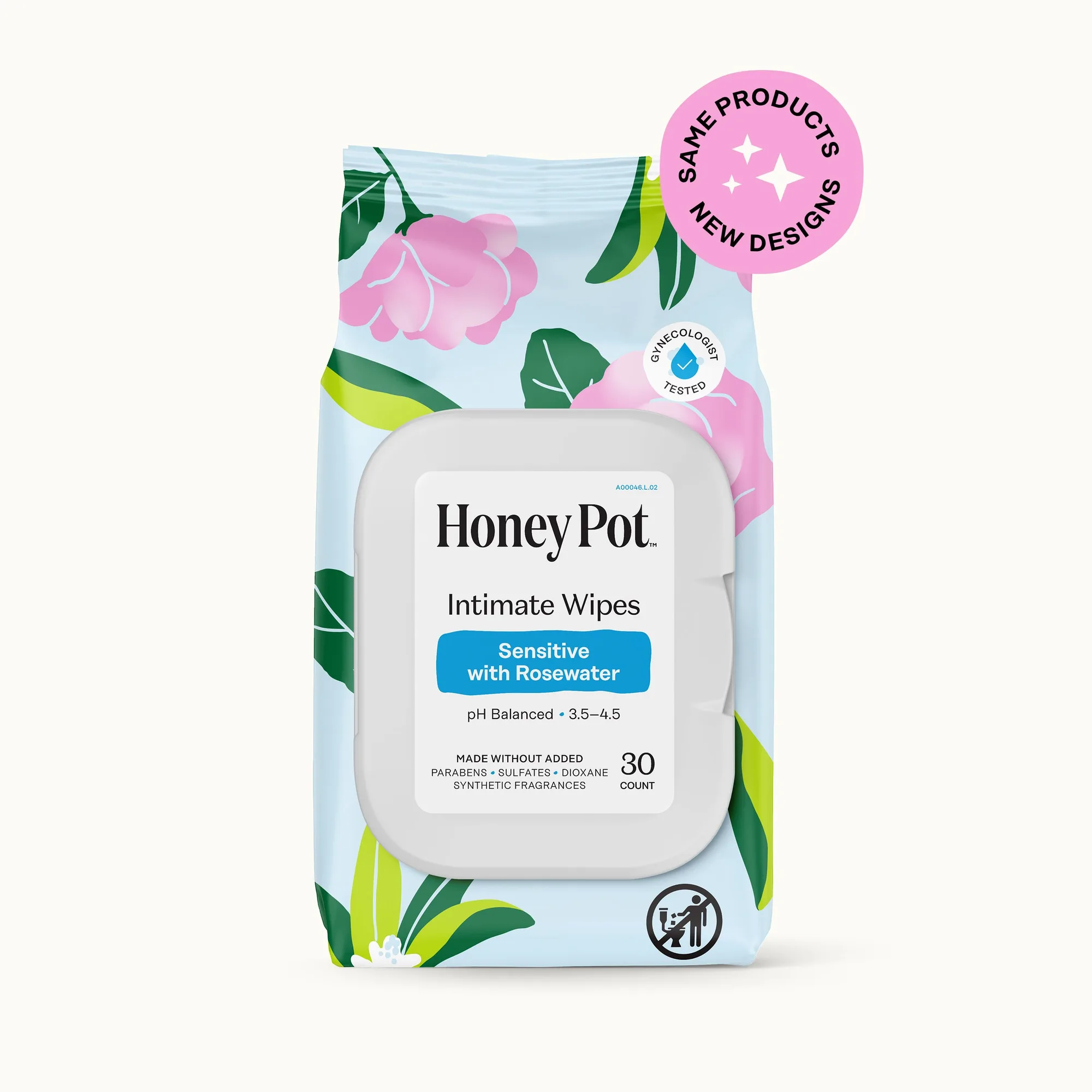
- Sensitive with Rosewater Intimate Wipes: Sensitive with Rosewater Intimate Wipes are infused with rosewater, designed to hydrate, soothe, and refresh without irritation or residue. If your skin reacts to fragrance or harsh ingredients, a rosewater-based wipe can be a gentler option for everyday freshness.
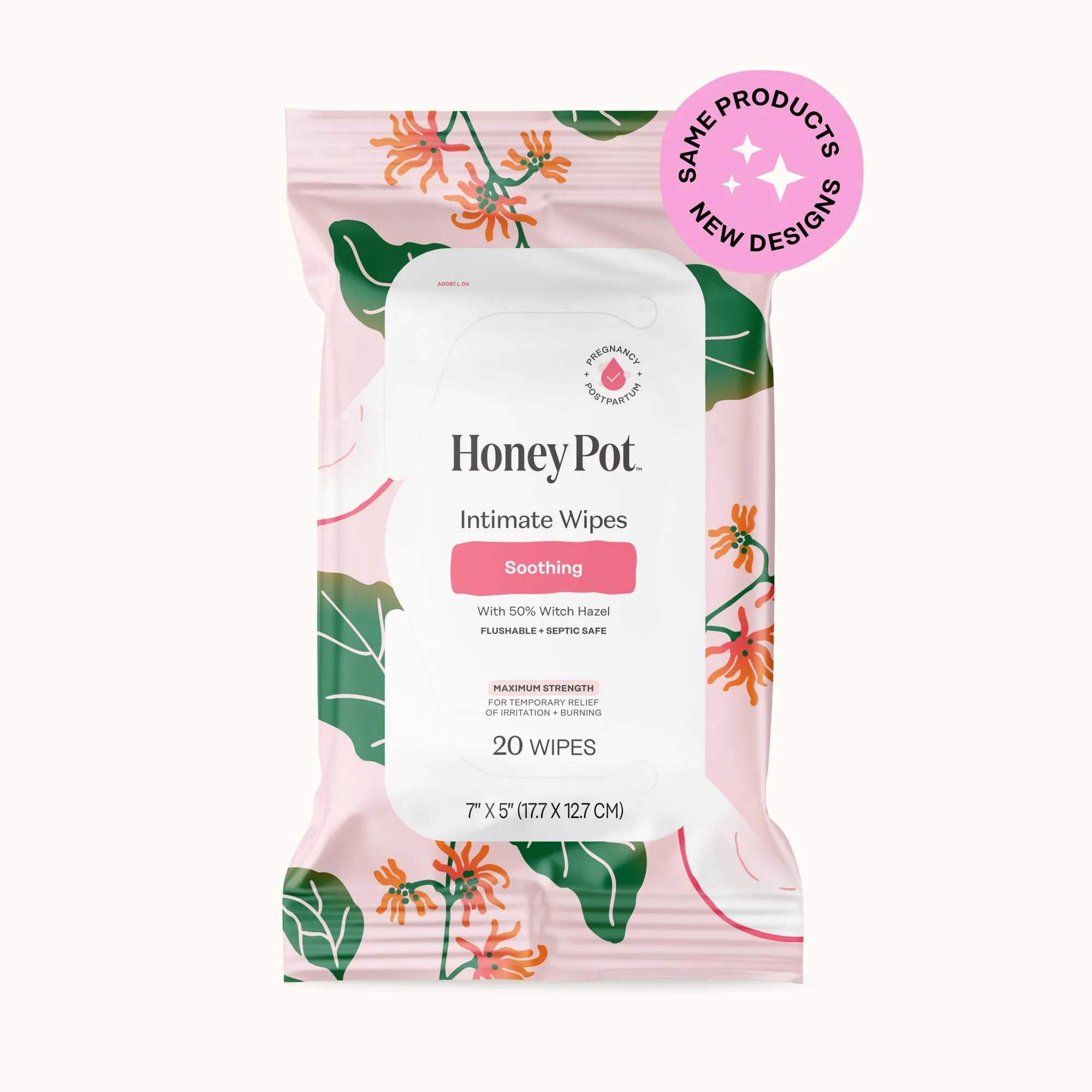
- Soothing Witch Hazel Intimate Wipes: Soothing Witch Hazel Intimate Wipes are medicated and formulated with maximum-strength witch hazel, aloe vera, and apple cider vinegar to help soothe irritation and calm sensitive skin. When you need relief from occasional discomfort, a witch hazel wipe can help cleanse and calm, but it's best used as needed rather than constantly.
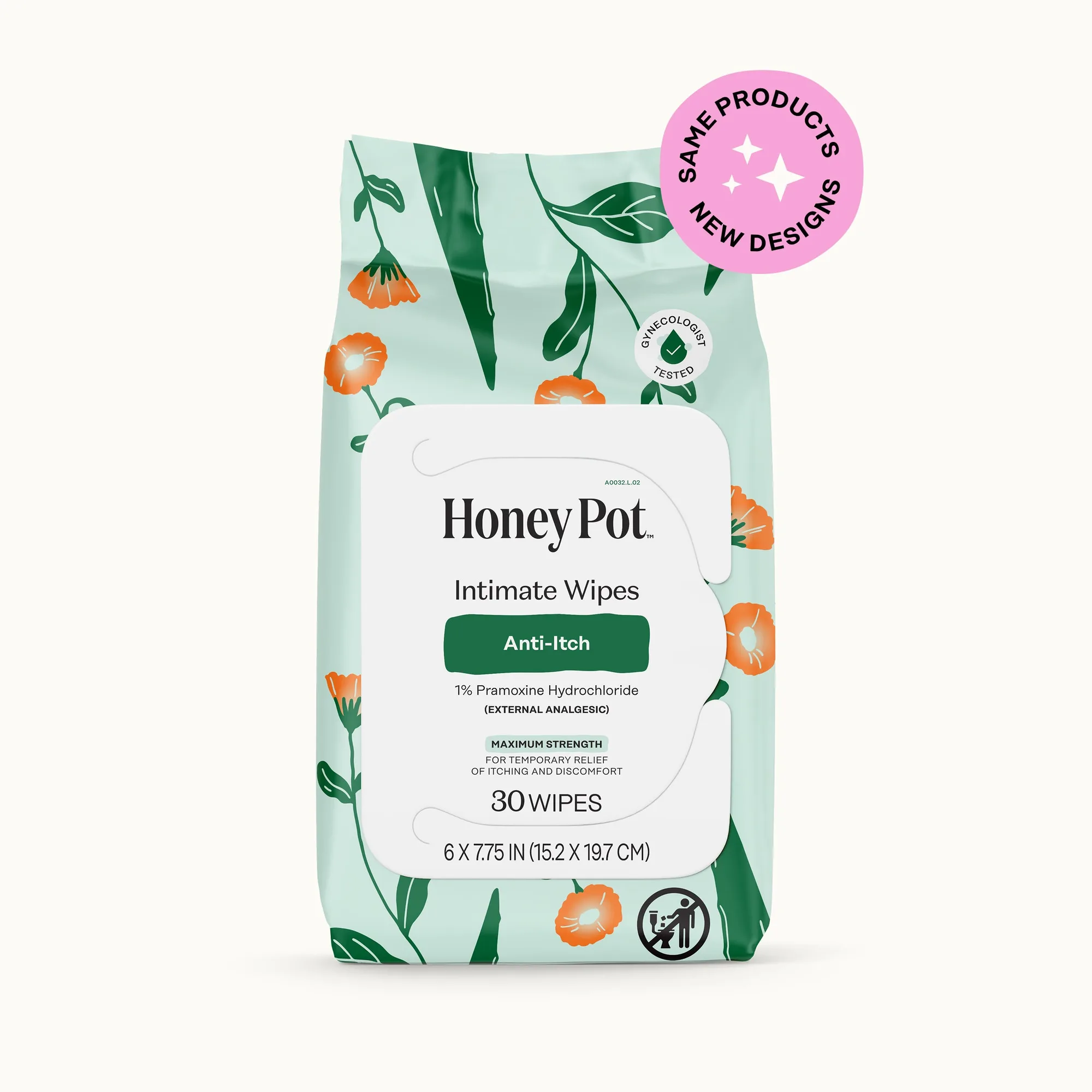
- Anti-Itch Intimate Wipes: Anti-Itch Intimate Wipes contain 1% Pramoxine HCl, an effective anti-itch active that provides temporary relief from itching and discomfort, along with soothing aloe. For flare-ups of itching, a medicated wipe with pramoxine HCl can offer fast, temporary relief—but it's not intended for daily maintenance.