Quick answer
If your acrylic powder isn't setting, the most common culprits are an improper monomer-to-powder ratio, low room temperature, or contaminated product. Check your ratio and environment first, then adjust your technique before considering a product swap.
Check the monomer-to-powder ratio
Acrylic powder needs the right amount of monomer to polymerize. Too much monomer leaves a wet, sticky bead that won't harden. Too little makes a crumbly bead that sets too fast. Aim for a bead that's moist but not runny—it should hold its shape on the brush and have a slight shine.
Temperature and humidity matter
Cool environments slow the chemical reaction, so your acrylic may take longer to set. High humidity can also interfere with the drying process. Work in a warm, dry room—around 70–75°F (21–24°C) with moderate humidity—and avoid placing your hands near air conditioners or open windows.
Product contamination or age
Acrylic powder can absorb moisture from the air over time, which affects its setting properties. If your powder has been open for months or has been exposed to humidity, it may not cure properly. Similarly, old or contaminated monomer can cause issues. When in doubt, test a small bead on a practice nail before applying to your client.
Diagnose and fix the issue
- Symptom: Bead is sticky and won't harden: Likely cause: too much monomer. Corrective action: reduce the liquid-to-powder ratio, ensuring the bead is moist but not runny. If the bead remains sticky after 30 seconds, remove it and start over. Practice the perfect bead on a form before applying to the nail.
- Symptom: Acrylic is soft or rubbery after curing: Likely cause: low temperature or high humidity. Corrective action: move to a warmer, drier area and warm the monomer and powder slightly (not above 80°F). If it still doesn't set, check the product's age. Store acrylic powder in a cool, dry place with the lid tightly closed.
- Symptom: Powder won't absorb monomer at all: Likely cause: contaminated or old powder. Corrective action: test a fresh bead with new monomer; if it still fails, discard the powder and open a new jar. Stop using the product if it has a strange odor or clumps. If the new product works, the old powder was the problem—replace it.
Product tip
-
#49 Blackberry Martini - Acrylic Nail Powder: Jessica Danielle Nails #49 Blackberry Martini is a super fine acrylic powder that absorbs liquid evenly and is self-leveling for effortless application. A consistent, self-leveling powder reduces the chance of uneven mixing, which can help avoid setting problems when your technique is correct.
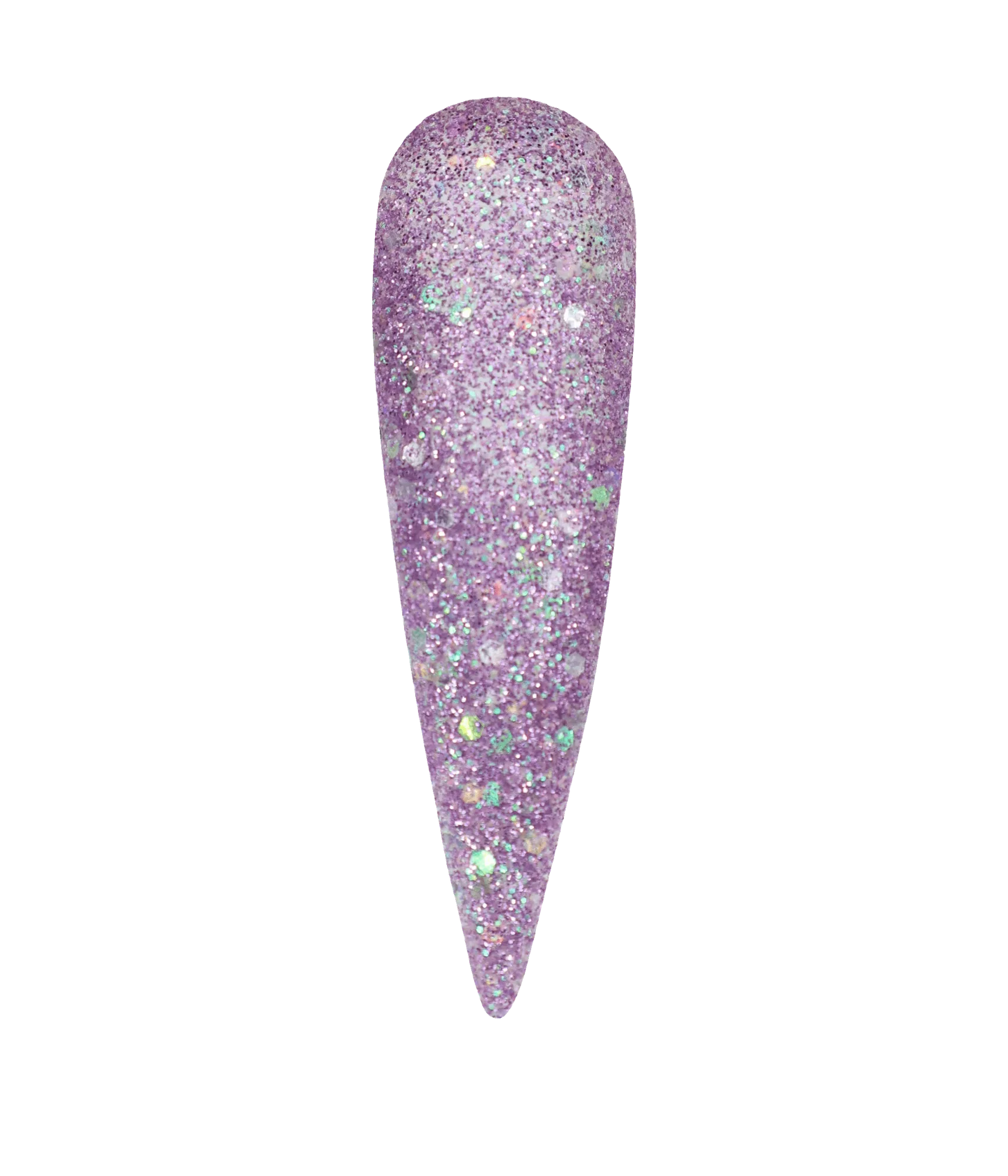
#49 Blackberry Martini - Acrylic Nail Powder