Quick answer
If your baby is waking at night, check the sleep sack's TOG rating against the room temperature and your baby's clothing, then check the fit. Most night wakings linked to sleep sacks come from overheating, a TOG that's too warm or too cool, or a sack that's too small or too large. Fix the TOG and fit first, and if your baby still wakes, the sleep sack isn't the problem—look at schedule, hunger, or developmental factors instead.
Mistake 1: Using a TOG that doesn't match the room
The most common sleep sack mistake is choosing a TOG rating based on the season or your own comfort rather than the actual temperature of the nursery. TOG measures thermal insulation: a higher TOG traps more heat. A 1.5 TOG sack is a middle-weight option, while a 3.0 TOG is much warmer. If the room is 68–72°F (20–22°C) and you use a 3.0 TOG sack over a onesie and pajamas, your baby may wake from overheating. If the room is cooler and you use a 1.0 TOG sack with only a light onesie, your baby may wake from being too cool.
The fix: measure the room temperature at crib level, not near a window or vent. Then match the TOG to the total insulation—sack plus clothing. Most babies sleep comfortably in a 1.0–1.5 TOG sack with a cotton onesie or light pajamas when the room is 68–72°F. Save 3.0 TOG for genuinely cold rooms or winter nights without reliable heating. If you're unsure, start with the lighter option; it's easier to add a layer than to cool a baby down.
Mistake 2: Overdressing under the sack
Parents often dress a baby for sleep the way they'd dress themselves, then add a sleep sack on top. That double layer can push a baby past comfortable. A sleep sack is not just a blanket replacement—it's part of the insulation. If your baby is wearing a fleece sleeper under a 3.0 TOG micro-fleece sack, they are likely too hot, even if the room feels cool to you.
Check for overheating signs: sweaty neck or back, damp hair, flushed cheeks, or a restless baby who kicks off the sack (if old enough) or wakes frequently. If you see these, remove a layer under the sack before you change the sack itself. A cotton onesie or a lightweight pajama set is usually enough under a 1.5 TOG sack in a typical room.
Mistake 3: Ignoring fit problems
A sleep sack that's too small can restrict leg movement and cause discomfort; one that's too large can bunch up around the face or let arms slip out of the armholes, creating a safety risk and a wake-up trigger. The neck opening should be snug enough that it doesn't ride up over the chin, and the armholes should keep arms securely inside if the sack is designed for that.
Check fit by putting the sack on and gently tugging the neckline—if it pulls up over the chin or slips off the shoulders, it's too big. If your baby's feet press against the bottom seam or the sack pulls tight across the hips, it's too small. A roomy sack that still fits at the neck and shoulders is ideal. If your baby is between sizes, size up only if the neck and armholes still fit securely; otherwise stay with the smaller size until they grow into the next one.
Mistake 4: Using a swaddle when your baby needs a wearable blanket
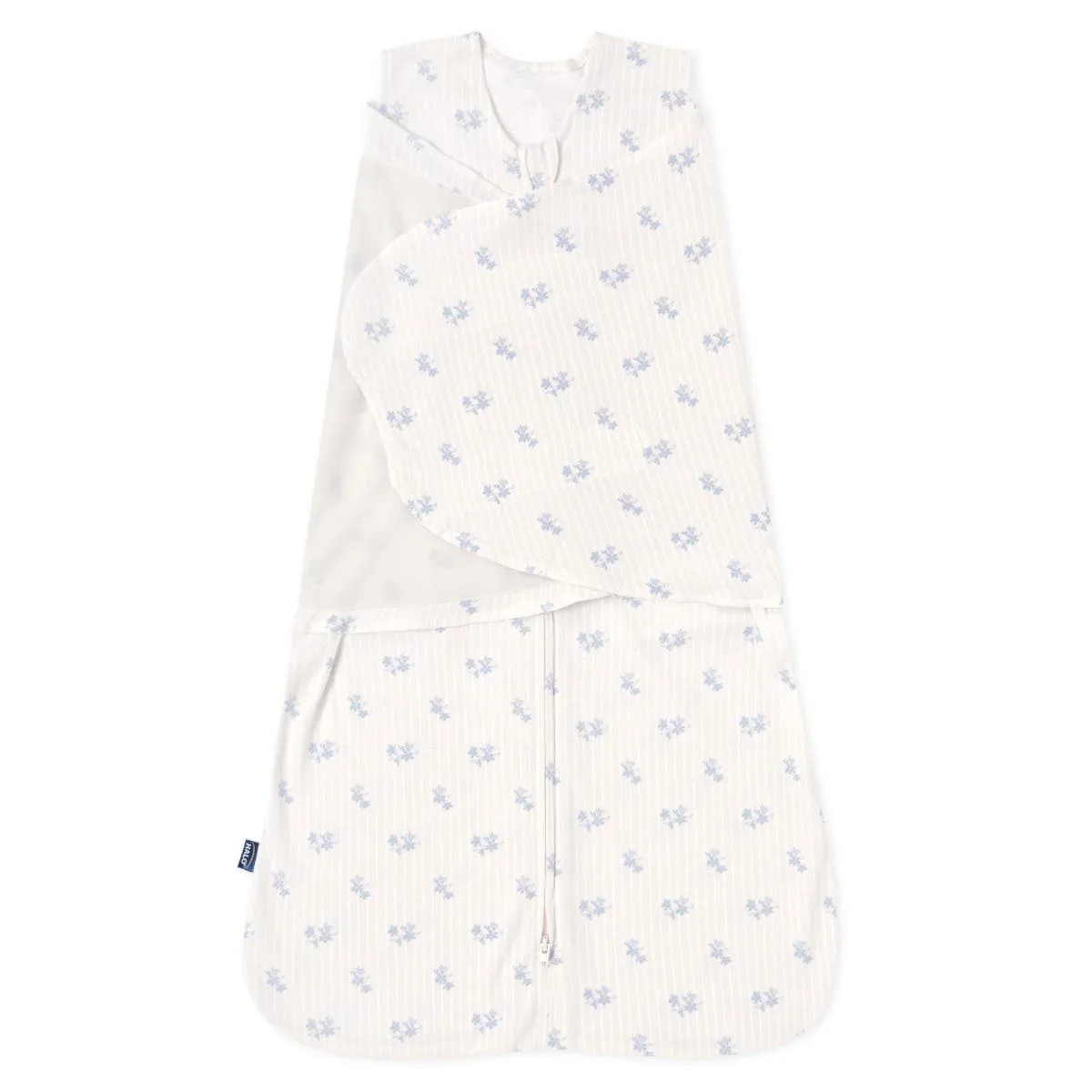
If your baby is breaking out of the swaddle, rolling over, or waking because they want their arms free, continuing to swaddle can cause night wakings and is unsafe once rolling begins. The transition from swaddle to wearable blanket is a common rough patch. A 3-in-1 swaddle that allows arms in, hands to face, or arms out can help you move gradually, but if your baby is already rolling, they need a sleeveless wearable blanket for safety.
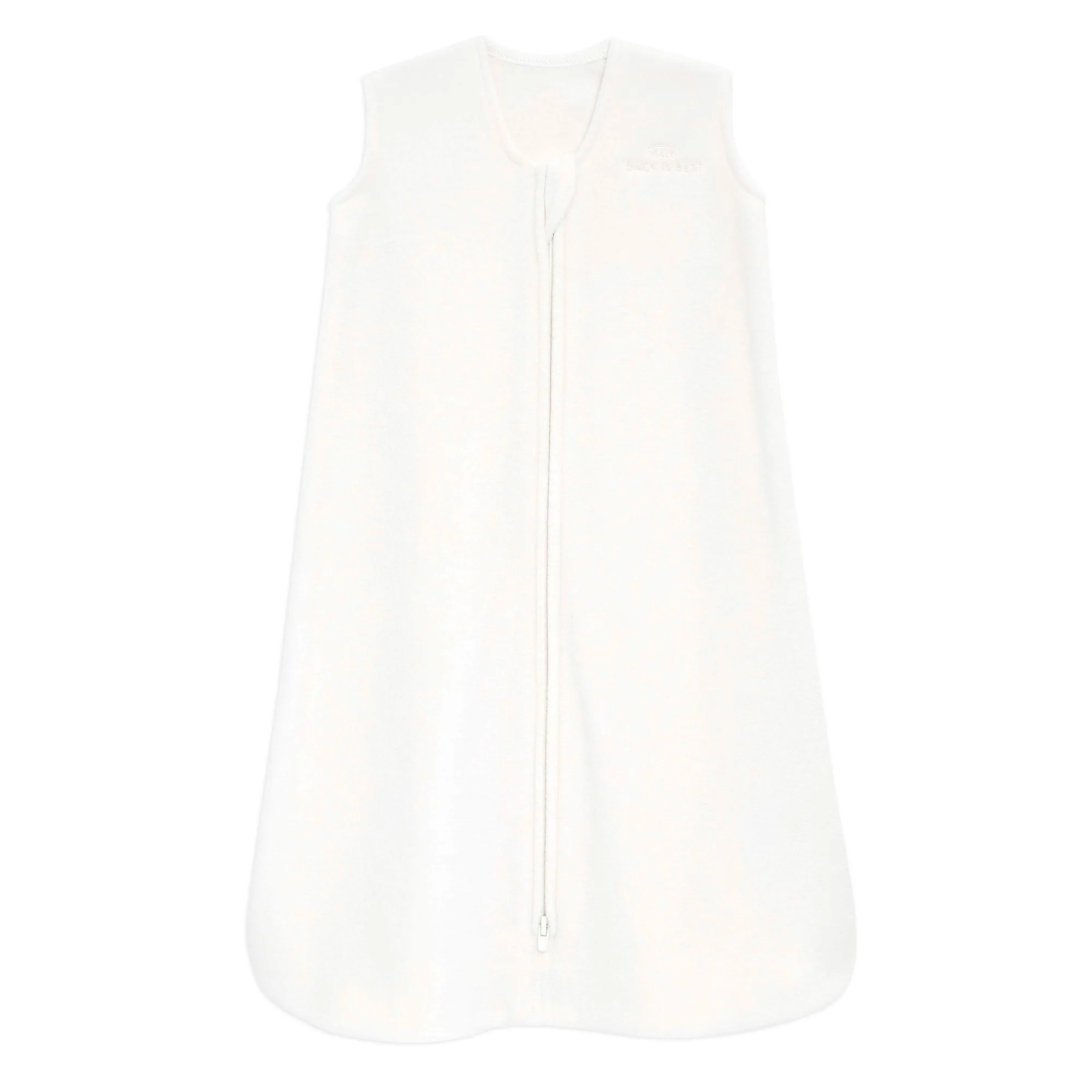
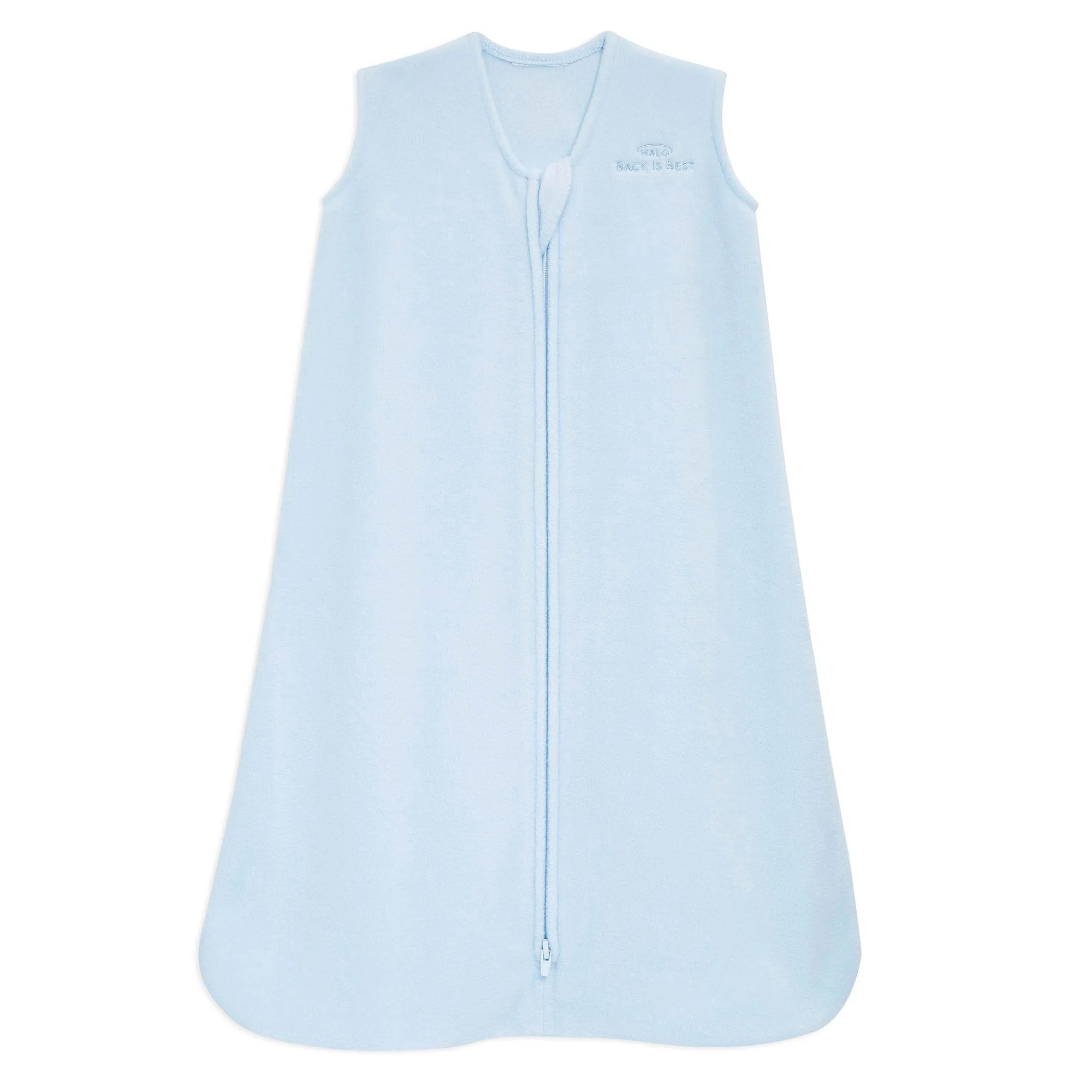
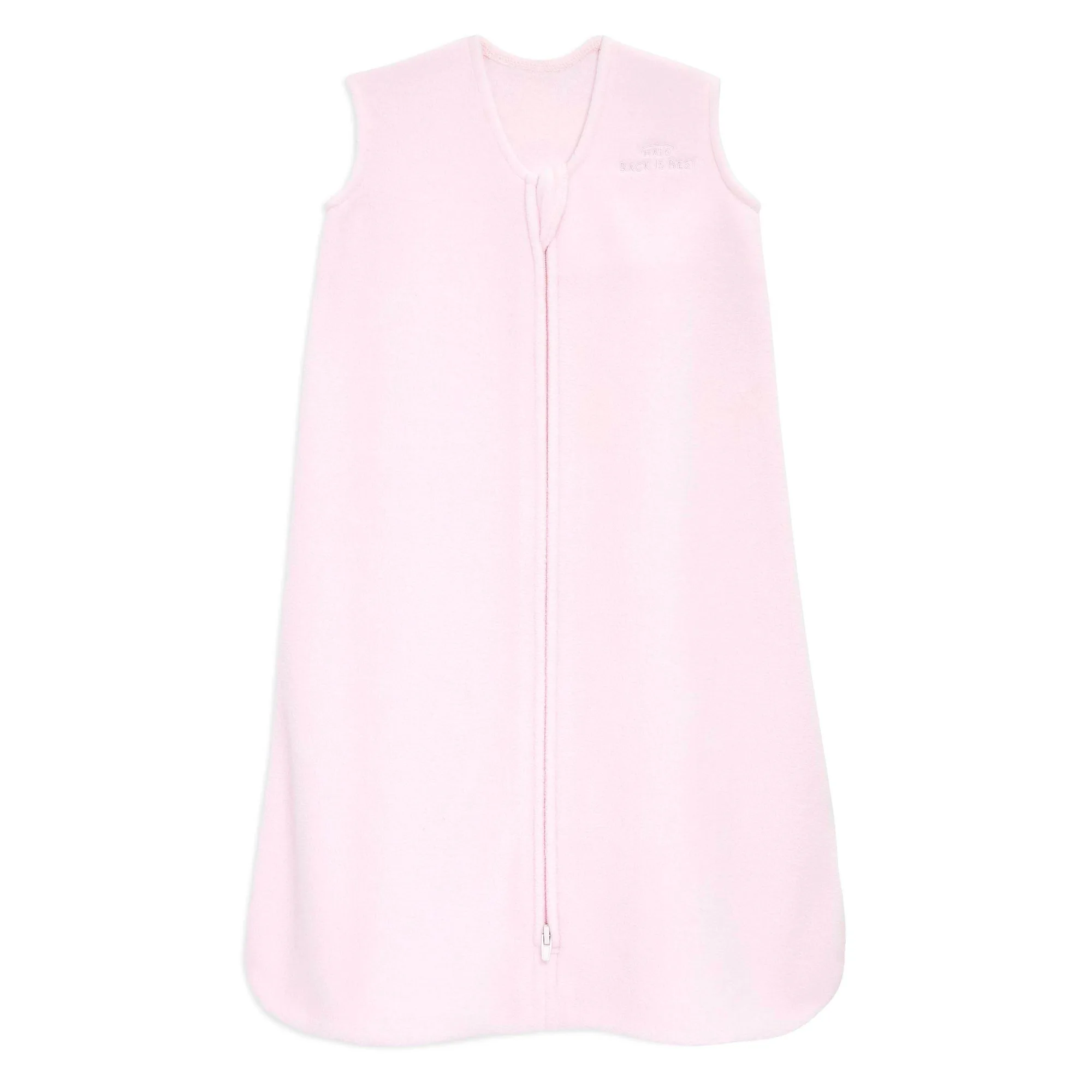
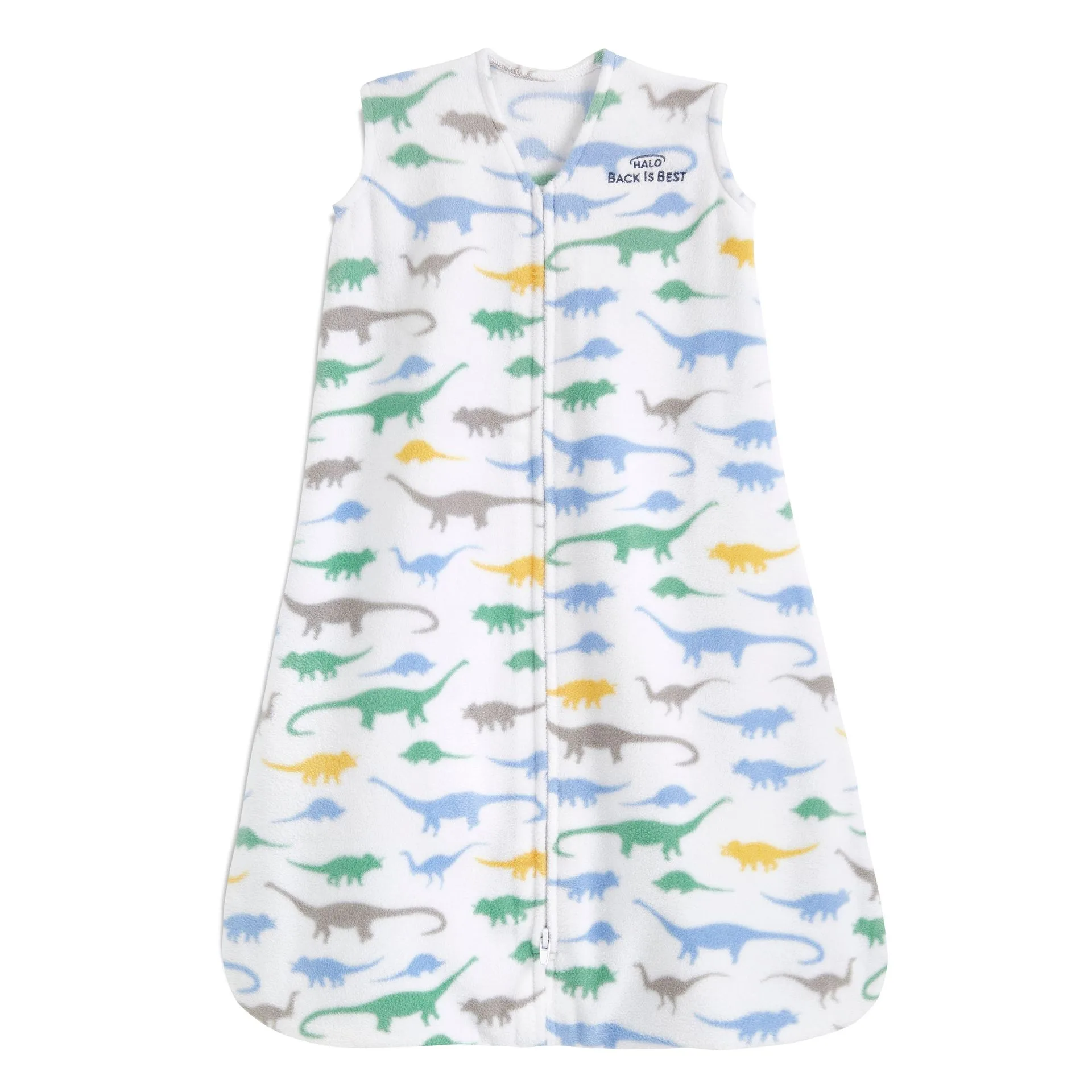
If you're still swaddling a rolling baby, stop. Switch to a wearable blanket like the HALO SleepSack Wearable Blanket, which has a roomy, extra-long sack for hip health and a zipper for easy diaper changes. Expect a few nights of adjustment; if wakings increase for more than a week, the issue may be developmental rather than the sleep sack.
Mistake 5: Blaming the sleep sack for every wake-up
A sleep sack can cause night wakings, but it can't cause all of them. If you've corrected the TOG, removed extra layers, and confirmed a secure fit, and your baby is still waking frequently, the sleep sack is probably not the main problem. Look at other common causes: an overtired or undertired schedule, a sleep regression, hunger, teething, or a room that's too bright or noisy.
Keep a simple log for three nights: note the room temperature, what your baby wore, the sleep sack TOG, and the times they woke. If the wakings cluster at the same time each night, it's more likely schedule-related than temperature-related. If they're spread out and your baby seems uncomfortable, revisit the TOG and fit one more time. If nothing changes, talk to your pediatrician—persistent night wakings can have medical causes like reflux or sleep apnea.
Night waking diagnosis
- Symptom: Baby wakes sweaty, hot to the touch, or with damp hair: Likely cause: Overheating from a TOG that's too high or too many layers under the sack. Corrective action: Drop to a lower TOG (e.g., 1.0 or 1.5) and remove a layer of clothing. Check room temperature at crib level. If the room is 68–72°F, a 1.5 TOG sack over a cotton onesie is usually enough. If your baby still sweats after two nights of lighter dressing, consult your pediatrician.
- Symptom: Baby wakes frequently and feels cool or has cold hands and feet: Likely cause: Not enough insulation. Corrective action: Increase TOG or add a layer under the sack. A 3.0 TOG sack is appropriate for cold rooms; if the room is below 65°F, consider a warmer sack or a room thermometer to confirm. Cold hands and feet alone aren't reliable; check the back of the neck or chest for true temperature.
- Symptom: Baby wakes after slipping an arm out or the sack rides up over the chin: Likely cause: Fit problem—sack is too large or the neck opening is too wide. Corrective action: Size down or choose a sack with a snug neck and secure armholes. If your baby is breaking out of a swaddle, transition to a sleeveless wearable blanket. If the sack doesn't stay in place after adjusting, stop using it and try a different size or style.
- Symptom: Baby wakes at the same time every night, regardless of sleep sack: Likely cause: Schedule or developmental factor, not the sleep sack. Corrective action: Keep the sleep sack consistent and log wake times for three nights. Adjust bedtime or nap schedule if wakings cluster. If wakings persist and your baby seems uncomfortable, consult your pediatrician. Stop troubleshooting the sleep sack and look at schedule, hunger, or teething.
Sleep sacks worth checking
- Swaddle 100% Cotton TOG 1.5: https://halosleepus.com/products/swaddle-100-cotton-tog-1-5-80921https://halosleepus.com/products/swaddle-100-cotton-tog-1-5-80923https://halosleepus.com/products/swaddle-100-cotton-tog-1-5-80927https://halosleepus.com/products/swaddle-100-cotton-tog-1-5-80937Swaddle 100% Cotton TOG 1.5 features a versatile 3-in-1 design (arms in, hands to face, or out) with adjustable wings and a double zipper for midnight diaper changes. If your baby is waking because they want their arms free or you're struggling with middle-of-the-night changes, this sack lets you adjust the swaddle position without buying a new product.
- Disney™ Winnie the Pooh Swaddle Micro-Fleece TOG 3.0: Disney Winnie the Pooh Swaddle Micro-Fleece TOG 3.0 is a 3-in-1 swaddle that converts from swaddle to wearable blanket with adjustable wings, and has a bottom zipper for diaper changes. A 3.0 TOG sack is best for cold rooms; if your baby is waking from being too hot in a 3.0 TOG, this is a sign to switch to a lower TOG rather than adding more layers.
- Wearable Blanket Micro-Fleece TOG 1.0: Wearable Blanket Micro-Fleece TOG 1.0 is the original wearable blanket for safe sleep, designed as the next step after swaddles, with a roomy, extra-long sack that supports hip health and extends use. If your baby has outgrown the swaddle stage or is rolling, this sleeveless wearable blanket provides warmth without the restriction that can cause night wakings.