Quick answer
Dense bread machine bread is usually caused by too little liquid, old or insufficient yeast, low gluten flour, or a cool kitchen. Adjusting hydration, checking yeast freshness, and using bread flour instead of all-purpose often fixes the problem.
Common causes and how to fix them
Start by checking your liquid. Bread machine dough needs a hydration ratio of about 60–65% (water to flour weight). If your loaf feels heavy and tight, increase water by one tablespoon next time. Weighing ingredients with a kitchen scale is more reliable than using measuring cups.
Yeast is another frequent culprit. Active dry yeast must be proofed in warm water (105–115°F) before adding, while bread machine or instant yeast can be mixed directly with dry ingredients. If your yeast is more than six months old or was stored near heat, replace it. A simple test: dissolve one teaspoon of sugar in half a cup of warm water, add one teaspoon of yeast, wait ten minutes—if it doesn't foam, the yeast is dead.
Flour type matters. Bread flour has a higher protein content (12–14%) than all-purpose flour (9–11%), which creates more gluten structure and a lighter crumb. If you only have all-purpose flour, add one tablespoon of vital wheat gluten per cup of flour to boost structure. Also avoid over-flouring the dough—if the dough ball feels dry and stiff during kneading, add water one teaspoon at a time until it becomes soft and slightly tacky.
Room temperature affects rising. If your kitchen is below 70°F, the dough may rise too slowly, resulting in a dense loaf. Place the bread machine in a warm spot or wrap it with a towel. Some machines have a 'keep warm' or 'delay start' setting that can help maintain a consistent environment during the rise cycle.
Frequently asked questions about dense bread machine bread
Can I use all-purpose flour in a bread machine?
Yes, but the loaf will be denser than with bread flour. To improve texture, add one tablespoon of vital wheat gluten per cup of all-purpose flour. Bread flour is best; all-purpose works with a gluten boost.
Should I use active dry yeast or instant yeast?
Instant or bread machine yeast is easiest because it mixes directly with dry ingredients. Active dry yeast must be proofed in warm water first. Both work, but instant yeast gives more consistent results in bread machines. Instant yeast is more reliable for bread machines.
Why is my bread still dense after adjusting liquid and yeast?
Check your salt and fat levels. Too much salt (over 1.5 teaspoons per 3 cups of flour) can inhibit yeast. Too little fat (butter, oil) can make the crumb dry and tight. Also make sure your machine's paddle is working properly and that the dough is kneaded for the full cycle. Salt, fat, and machine function also affect density.
Tools that can help
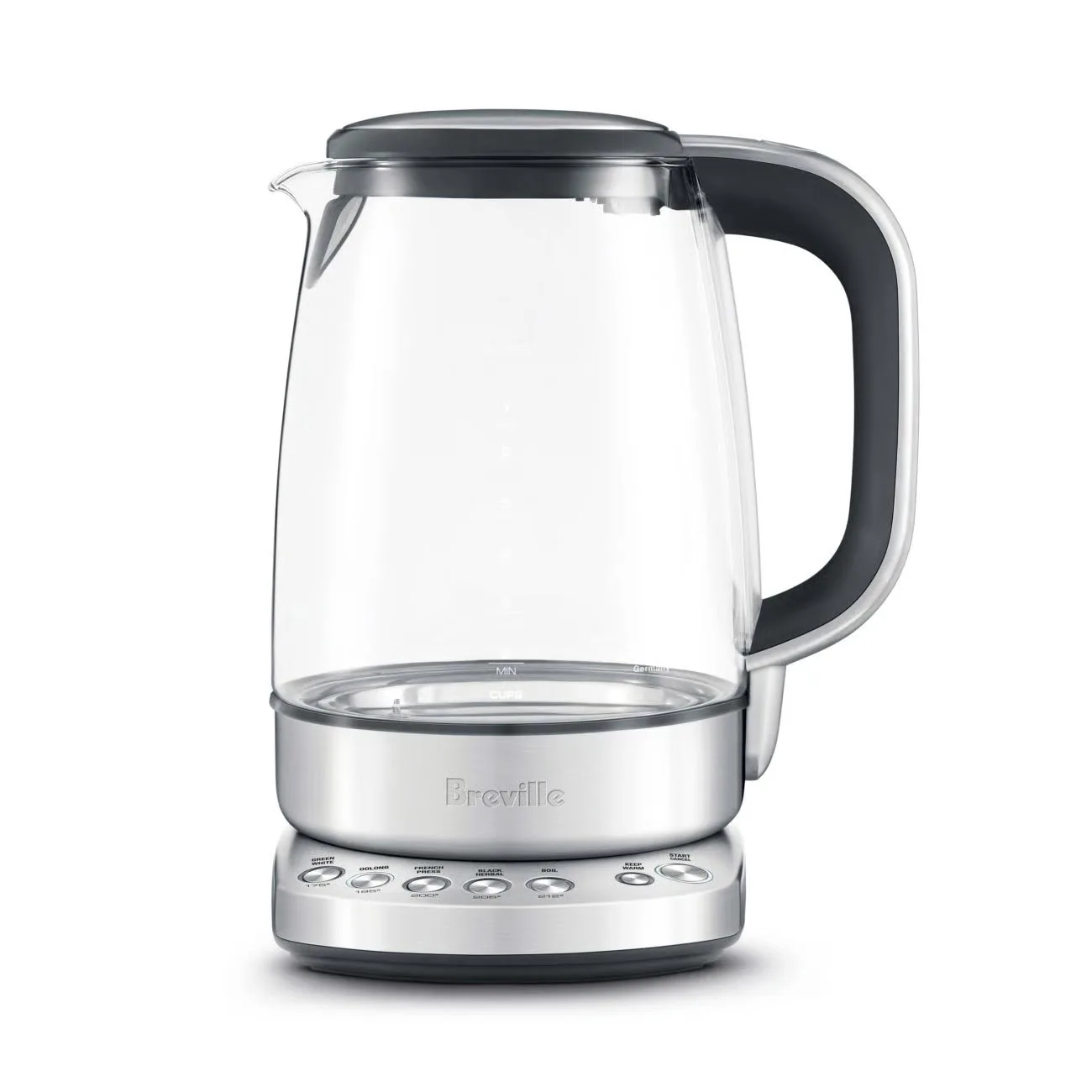
- the Crystal Clear™: High power 1800-watt heating means faster boiling as you watch through glass. A large capacity jug and soft top lid make the entire process simple and easy. Auto shut off upon boil. When you need warm water for proofing yeast or adjusting dough temperature, this kettle heats water quickly and shuts off automatically, so you don't risk overheating and killing the yeast.