Quick answer
Chianti tastes dry because Sangiovese, the grape behind it, is naturally high in both acidity and tannin. That grip is a style signature, not a flaw. If the dryness feels harsh rather than structured, chill the bottle slightly, serve it with fat and salt, or look for a riper, oak-aged red such as a Spanish Garnacha or a New World Cabernet.
You pour a glass of Chianti, take a sip, and your mouth feels like sandpaper. The fruit you expected is buried under a wall of grip. Before you write off the bottle, know that Chianti is supposed to be dry, and that dryness comes from two separate things: tannin and acid.
This guide separates the normal dryness of Sangiovese from the kind that means something went wrong, then gives you practical fixes you can try tonight. No jargon, no wine-speak, just what to do with the glass in front of you.
What dryness actually means in Chianti
Dryness in wine is not about sugar. A dry wine has fermented until almost no sugar remains, so Chianti is dry by definition. What you feel as dryness is a physical sensation: tannins bind to proteins in your saliva and strip away the lubrication, while acidity makes your mouth water and tighten. Sangiovese is naturally high in both, which is why Chianti can feel austere next to a soft Merlot.
The Sangiovese wine taste is savory rather than sweet: tart cherry, dried herbs, leather, and a dusty, earthy note. If you are used to jammy reds, that first glass can read as thin or harsh. It is not thin; it is built differently.
- Dryness is a texture, not a sweetness level.
- Tannin dries your gums; acid makes you salivate.
- Sangiovese is high in both by nature.
Is it the wine, or is it how you are drinking it?
Serving temperature changes everything. Chianti straight from a warm kitchen cabinet tastes rougher and more alcoholic. Fifteen minutes in the fridge, or twenty in an ice bucket, brings it to around 60-65°F and softens the tannin without muting the fruit. If you are drinking it at room temperature in summer, that alone can explain the harshness.
Glassware matters too. A narrow tumbler concentrates alcohol and tannin right under your nose. A wider bowl lets the wine breathe and pushes the aromatics outward. If you do not own wine glasses, a clean water glass with a wide mouth beats a tiny juice glass.
- Chill to 60-65°F, not fridge-cold.
- Use the widest glass you own.
- Let the bottle stand open 15-20 minutes before judging it.
The food fix: fat, salt, and acid
Chianti food pairing for dry wine is not about matching flavors; it is about neutralizing tannin. Fat coats your mouth and blocks tannin from binding, salt suppresses bitterness, and acid in the food meets the acid in the wine. That is why Chianti works with tomato sauce, olive oil, aged pecorino, and grilled steak, and why it tastes awful with plain salad or vinegar-heavy dressing.
If you are drinking it without food, keep something salty nearby: olives, salted nuts, or a hard cheese. A single bite can transform the same wine from harsh to balanced.
- Tomato-based pasta and pizza are the classic match.
- Aged cheese, cured meat, and grilled red meat all tame tannin.
- Avoid vinaigrette, citrus, and plain greens.
When the dryness is a real problem
Some Chianti is simply too young. Tannin softens with bottle age, so a wine released last year can feel tight and angular. Decanting for 30-60 minutes helps, but it will not turn a young wine into an aged one. If the wine tastes bitter, metallic, or like wet cardboard, that is a fault, not a style, and no amount of decanting will fix it.
The other possibility is that you just do not like high-acid, high-tannin reds. That is a legitimate preference. Chianti is not the only dry red, and you should not force it.
- Bitter or cardboard notes mean the bottle is faulty.
- Young Chianti needs air; old Chianti needs gentle handling.
- Disliking Sangiovese is allowed.
If Chianti is not for you, try these instead
If you want dry but softer, look for Spanish Garnacha or a ripe New World Cabernet Sauvignon. If you want dry with less acid, a warm-climate Syrah or a barrel-aged Tempranillo is a better fit. If you want to stay in Italy but step away from Sangiovese, a Dolcetto or a Barbera gives you red fruit with lower tannin.
For a splurge that shows what structured red can be when it is balanced, the Dugat Py Coeur de Roy Gevrey Chambertin 2009 is a Pinot Noir with a classic Gevrey nose of earth and underbrush, pure red berry fruit, and a touch of cassis. Its middle weight is restrained, textured, and concentrated, with intense minerality rather than raw grip. If you want to understand fine tannin, this is a useful benchmark.
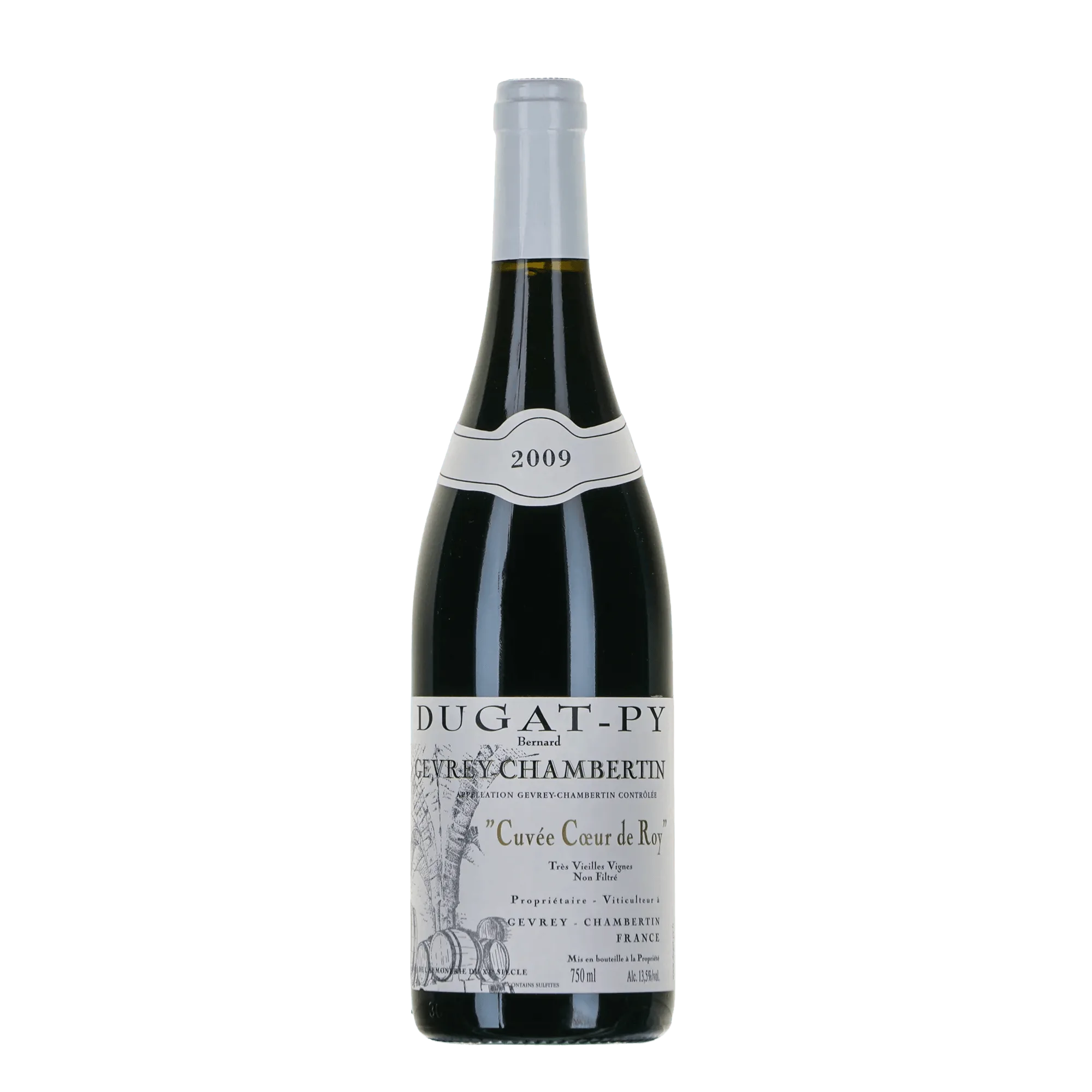
Dugat Py Coeur de Roy Gevrey Chambertin 2009
- Garnacha and warm-climate Syrah for softer tannin.
- Dolcetto and Barbera for lower-tannin Italian reds.
- Pinot Noir for structure without heaviness.
Diagnose your glass
- Symptom: gums feel tight and dry, fruit is hidden: This is normal Sangiovese tannin, especially in a young wine. Chill to 60-65°F, pour into a wide glass, and wait 15-20 minutes. If it softens, the wine is fine. If it stays harsh, move on.
- Symptom: mouth waters sharply, wine tastes sour or thin: That is Sangiovese acidity. Eat something with fat and salt: tomato pasta, aged cheese, cured meat, or grilled steak. Food is the fastest fix. If you still dislike it, you may prefer lower-acid reds.
- Symptom: bitter, metallic, or wet-cardboard flavors: This is a fault, not a style. No decanting or pairing will repair it. Return or replace the bottle. Stop drinking and choose another bottle.
Bottles that show the range
- Dugat Py Coeur de Roy Gevrey Chambertin 2009: A classic Gevrey nose combines pungent earth and underbrush aromas with cool and pure red berry fruit, nuanced by a touch of cassis, with restrained, textured, concentrated middle-weight flavors and intense minerality. A reference point for what fine, integrated tannin tastes like when it is not harsh.
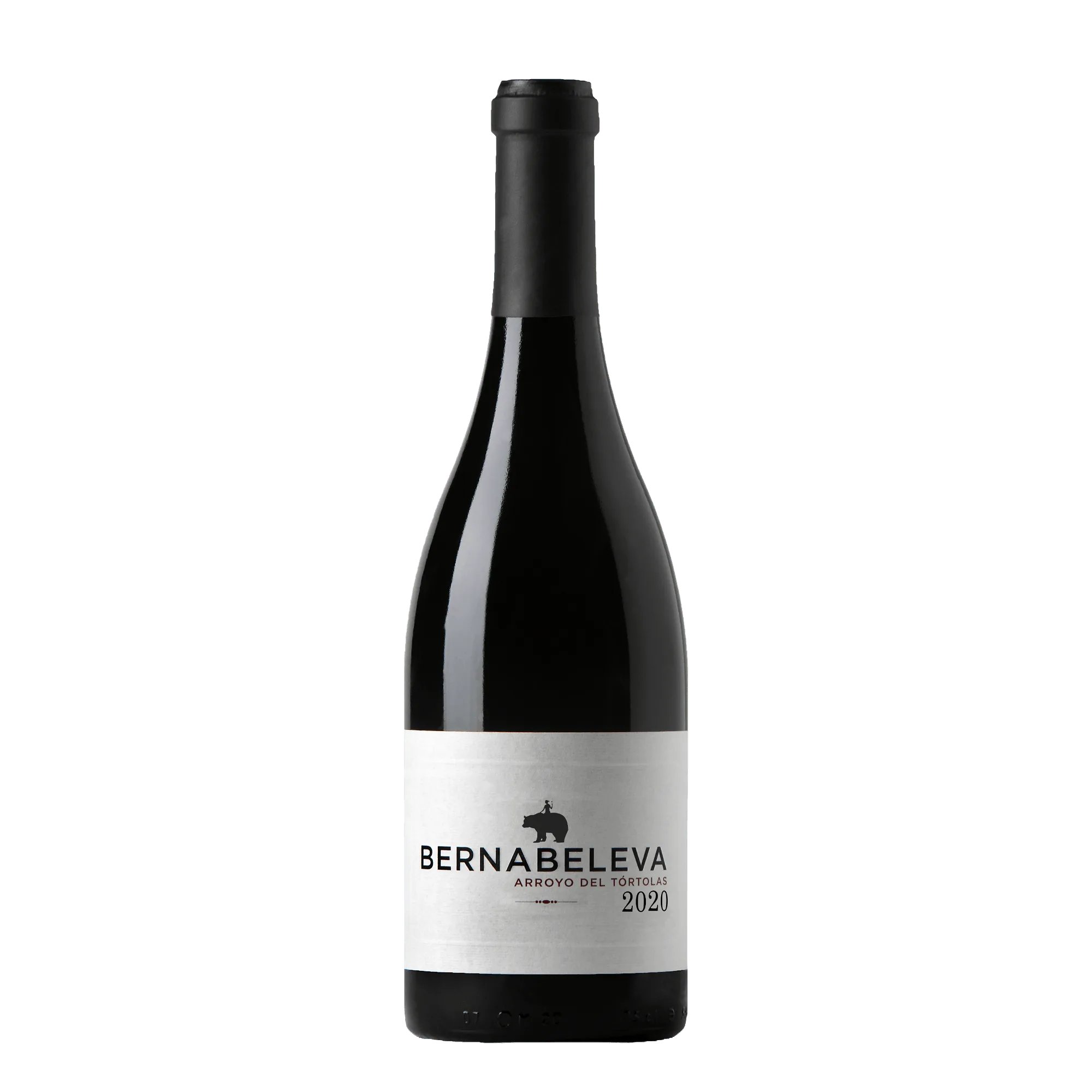
- Bernabeleva Arroyo del Tortolas: Made from grapes grown on 65-year-old vines in granitic, shallow soil, resulting in concentrated flavor. On the palate it is spicy, juicy, and delicate, with silky tannins and a prolonged finish. A Spanish red with silky rather than grippy tannin, useful if Chianti feels too drying.
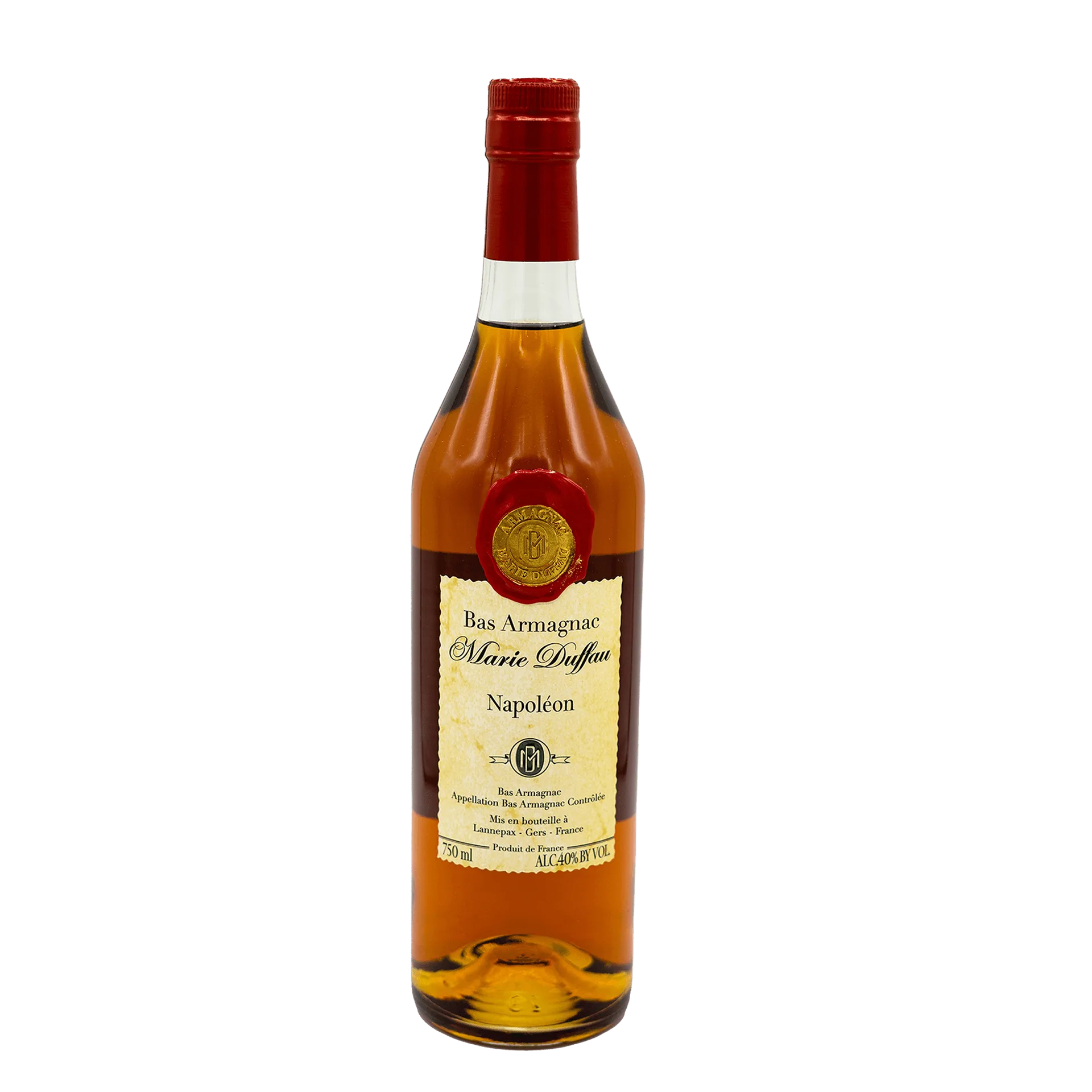
- Marie Duffau NAPOLEON Bas Armagnac 750ml: Complex aromas start with roasted chestnut and baked pear, then move into succulent notes of pineapple, caramel, black raisins, prunes, and oak. The palate is creamy and semi-sweet before opening into nutty and oaky flavors. A digestif option when you want richness instead of a dry red's grip.
Chianti is dry because Sangiovese is built that way. Serve it cooler, give it air, and put fat and salt on the table. If it still is not your glass, that is useful information, not a failure. Try a silky Spanish red or a structured Pinot Noir and see which style you actually reach for.