Quick Answer
Chocolate seizes when even a small amount of moisture contacts melted chocolate, causing the sugar to dissolve and the cocoa particles to clump into a dull, thick paste. To fix it, add warm liquid (like cream or milk) or a small amount of melted fat to smooth it out, but if you need to salvage it for dipping or molding, start over with properly tempered chocolate.
You've melted your chocolate to a silky pool, then suddenly it turns into a grainy, stiff mess. That's seizing – the most common chocolate problem home bakers face. The good news: it's almost always preventable, and sometimes it's even fixable.
Seizing happens when moisture touches melted chocolate. Even a few drops of water from a damp spoon or steam from a nearby pot can trigger it. Understanding why it happens – and what to do when it does – will save you time, ingredients, and frustration.
What Causes Chocolate to Seize?
Chocolate is a dry mixture of cocoa solids, cocoa butter, and sugar. When melted, these particles are suspended in the fat. Water disrupts this balance: it dissolves the sugar, and the sticky syrup pulls the cocoa particles together into a thick, dull paste. This is why seizing is often called 'the sugar clump effect.'
Common culprits include a wet bowl, a spoon with residual water, steam from a double boiler, or adding a liquid ingredient without proper technique. Even high humidity can cause issues over time. The key is to keep all equipment completely dry and to avoid introducing any water until the chocolate is fully melted.
- Always dry your bowls and utensils thoroughly before melting chocolate.
- Avoid using a double boiler if you're not confident about steam control; a microwave in short bursts is safer.
- If you must add liquid, do it in small amounts and stir vigorously – sometimes the chocolate can 'come back' if you catch it early.
How to Fix Seized Chocolate
If your chocolate has seized, you have two main options: rescue it for a sauce or ganache, or start over. To rescue, add warm liquid – about 1 tablespoon of hot cream, milk, or water per 6 ounces of chocolate – and stir vigorously. The chocolate will loosen and become a pourable sauce, perfect for drizzling or making a ganache.
Alternatively, add a small amount of melted fat like cocoa butter or vegetable oil (about 1 teaspoon per 6 ounces) and stir. This can help smooth it out, but the chocolate may not be suitable for tempering or molding afterward. If you need a shiny, snappy coating, it's best to melt fresh chocolate with proper technique.
- For a quick fix, whisk in warm liquid a teaspoon at a time until smooth.
- If you're making a ganache, seized chocolate can be a blessing – just add cream and butter and you're done.
- For dipping or molding, don't risk it – start over with fresh chocolate.
Preventing Seizing and Other Melting Problems
The best fix is prevention. Use a completely dry bowl and utensils, and melt chocolate slowly. Chop it into uniform pieces for even melting. If using a microwave, heat in 20-second bursts, stirring between each. If using a double boiler, make sure the water doesn't touch the bottom of the bowl, and keep the heat low.
Another common issue is overheating, which causes chocolate to become thick and dull – but that's different from seizing. Overheated chocolate loses its temper and may become grainy. To avoid it, never exceed 120°F (49°C) for dark chocolate or 110°F (43°C) for milk or white. Use a thermometer for accuracy.
- Chop chocolate into small, even pieces before melting.
- Use a digital thermometer to monitor temperature.
- If chocolate gets too hot, let it cool and stir in a few fresh pieces of chocolate to bring it back.
Choosing the Right Chocolate for the Job
Not all chocolate behaves the same. Couverture chocolate, like Valrhona's baking chocolate, contains extra cocoa butter, which makes it flow more smoothly and temper more easily. This is ideal for molding and dipping. Standard chocolate chips often contain stabilizers that prevent them from melting smoothly, so they're better for cookies than for coatings.
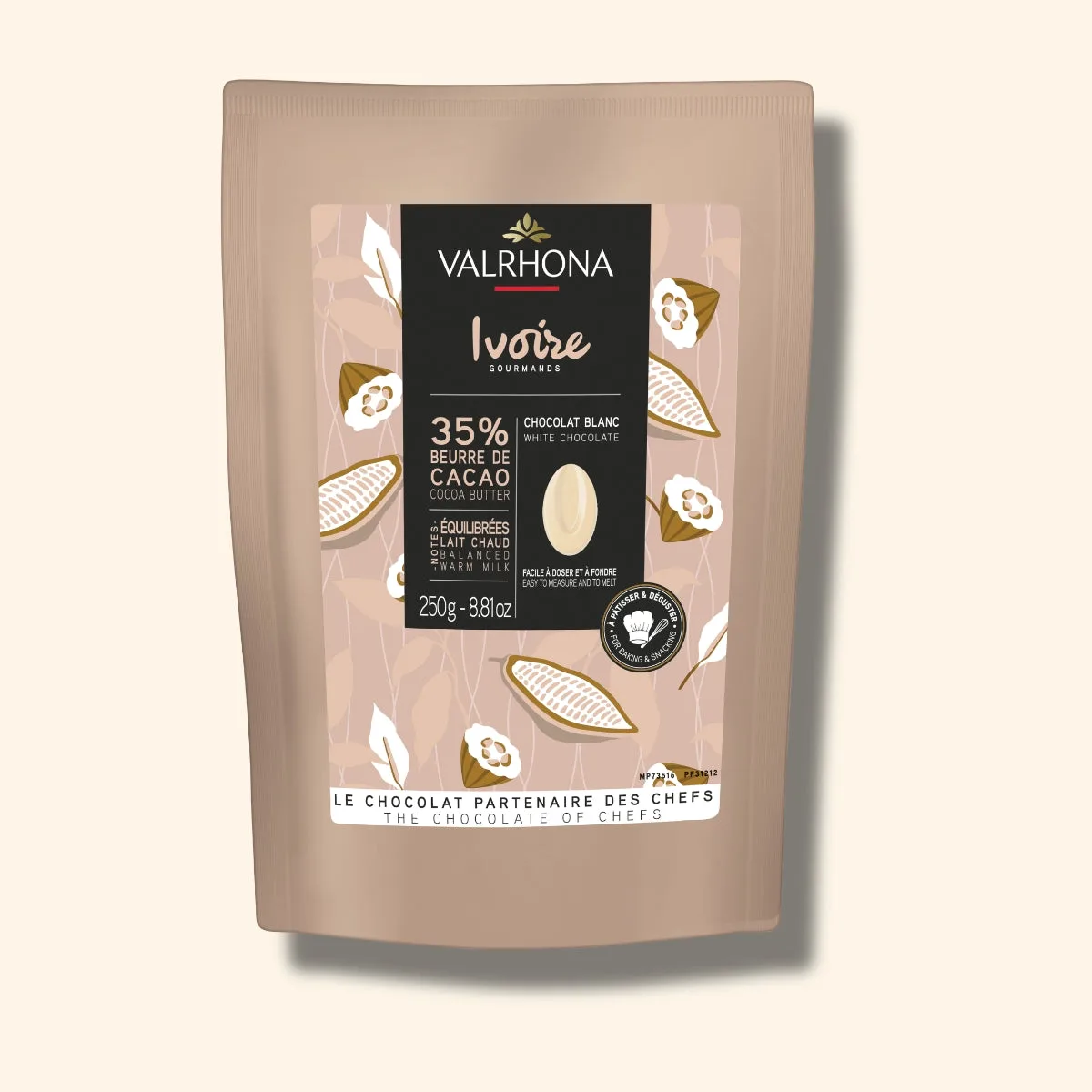
For baking, the quality of the chocolate matters. Valrhona's Ivoire 35% white chocolate, for example, is a couverture with a smooth, vanilla-forward flavor and a delicate pearly color. It melts beautifully and is perfect for molding and enrobing – as long as you keep it dry.
- Use couverture chocolate for molding and dipping – it flows better and gives a professional finish.
- For baking into batters, standard chips are fine, but for ganache or mousse, use high-quality bars.
- Check the cocoa butter content – higher is better for melting and tempering.
Diagnosing Your Chocolate Problem
- Symptom: Thick, dull, grainy paste: This is classic seizing. Likely cause: moisture introduced. Corrective action: add warm liquid (cream or water) a teaspoon at a time, stirring vigorously, until smooth. Stop when it becomes a pourable sauce. If it's still grainy after adding 2 tablespoons of liquid, it won't recover for molding – use it as a sauce or ganache.
- Symptom: Chocolate is stiff but shiny and smooth: This is likely overheating, not seizing. Likely cause: chocolate got too hot. Corrective action: remove from heat, add a few solid pieces of chocolate, and stir gently to cool and re-emulsify. If it remains thick after cooling, it may be out of temper – use it for baking or sauce, not for molding.
- Symptom: Chocolate is dull with white streaks after setting: This is bloom – fat or sugar bloom from improper tempering or temperature changes. Likely cause: chocolate wasn't tempered or was stored in a warm, fluctuating environment. Corrective action: re-temper the chocolate properly. Bloomed chocolate is safe to eat but not attractive – re-temper for a shiny, snappy finish.
Products That Help
- White Baking Chocolate Ivoire 35% - 8.8oz: Ivoire 35% white chocolate is a baking chocolate, also called couverture chocolate, smooth and vanilla. Unlike classic white chocolates, Ivoire chocolate stands out thanks to a slightly sweet note. Its color is delicately pearly and its taste subtly evokes that of butter. As a couverture, it has a higher cocoa butter content, making it more forgiving when melting and tempering – which reduces the risk of seizing and gives a glossy, professional finish.
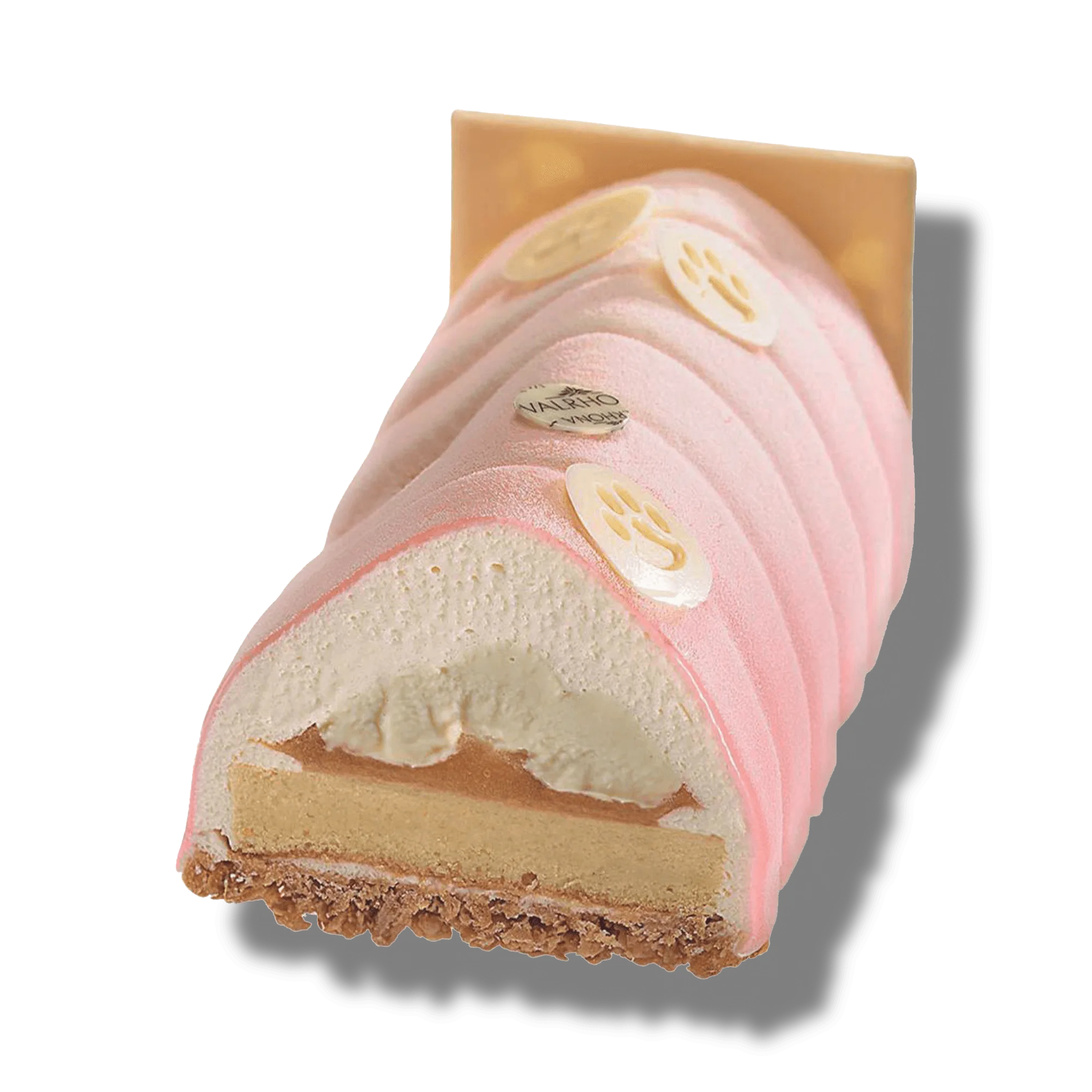
- Piano Holiday Yule Log Chocolate Mold: This mold is perfect for home bakers who love to create elaborate, beautifully sculpted chocolates or hard candies. Once you've mastered melting without seizing, a detailed mold like this lets you turn your chocolate into impressive holiday treats – but you'll need properly tempered chocolate to get clean release and shine.
Seizing is a common chocolate problem, but with the right technique, you can avoid it and fix it when it happens. Keep your equipment dry, melt slowly, and choose a quality couverture like Valrhona for the best results. And if you do have a mishap, remember that seized chocolate can often be turned into a delicious sauce – so not all is lost.