Quick answer
A clipper that won't cut usually has a dull, misaligned, or dirty blade. Check the blade's sharpness and alignment first, then clean and oil it.
Why blades get dull
Over time, even the best blades lose their edge. Dirt, hair, and lack of oil accelerate wear. A dull blade tugs hair instead of cutting it cleanly.
Alignment matters
If the moving blade is too far forward or back, it won't cut properly. Misalignment can happen after a drop or during cleaning. Adjusting the blade screws usually fixes this.
Rust and corrosion
Moisture causes rust, which ruins the cutting edge. High-quality blades like the Black DLC Taper Clipper Blade are rust-impermeable, but cheaper steel may corrode.
Diagnosis: Clipper not cutting
- Symptom: Clipper pulls hair or doesn't cut at all.
- Likely cause: Dull blade, misalignment, or lack of oil. Check blade sharpness and alignment first.
- Corrective action: Clean the blade, apply oil, and adjust the blade screws to align the moving blade with the fixed blade. If the blade is dull or rusted, replace it. If the blade is still dull after cleaning and alignment, replace it.
- Stop or choose another option: If the blade is rusted or chipped, stop trying to fix it. Replace with a new blade like the Black DLC Taper Clipper Blade for better longevity.
Product facts
-
Black DLC Taper Clipper Blade & Gold Titanium Deep Tooth Cutter: The Black DLC Taper Clipper Blade is rust and corrosion impermeable and self-sharpening. It stays sharper longer and resists rust, reducing the need for frequent replacements.
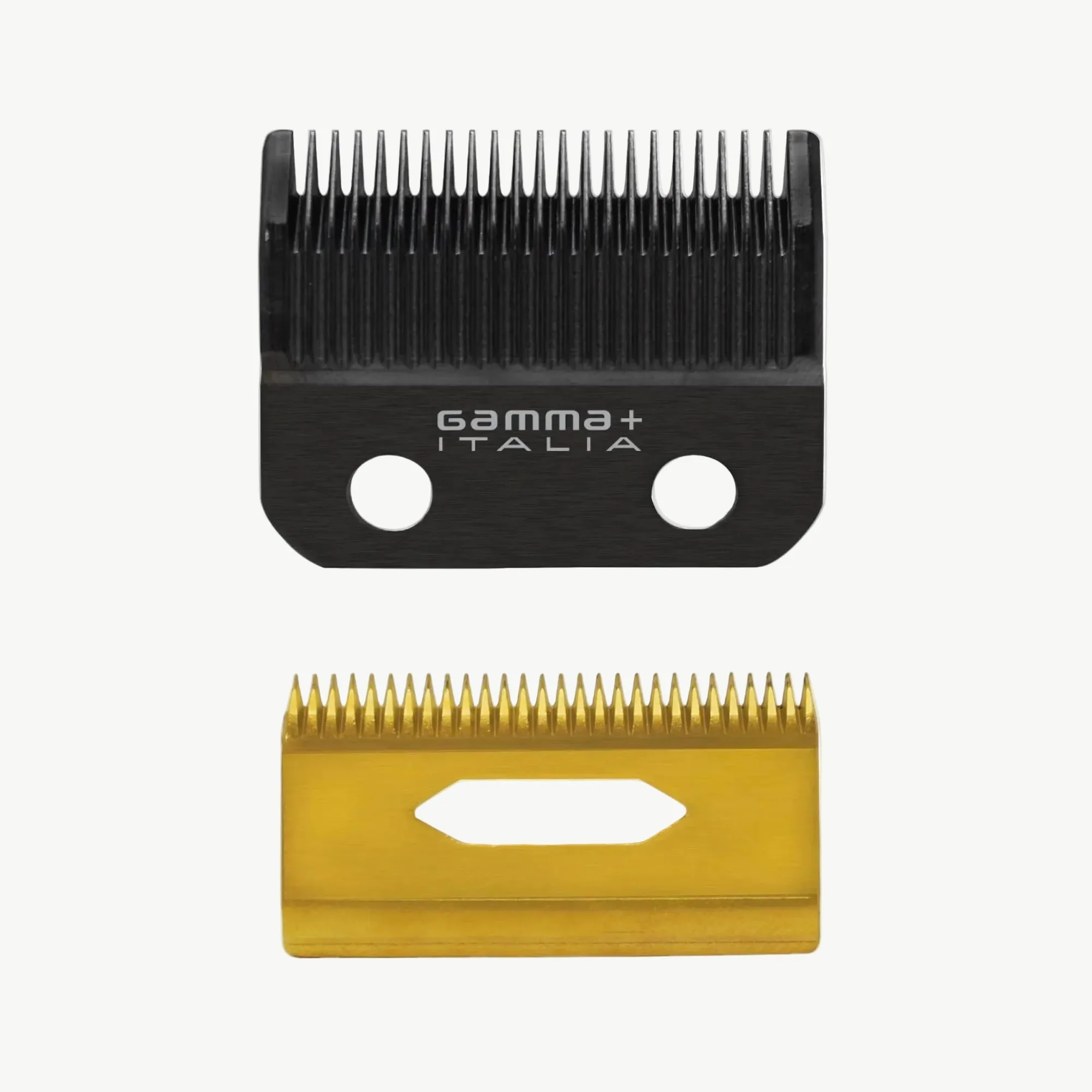
Black DLC Taper Clipper Blade & Gold Titanium Deep Tooth Cutter
-
Stainless Steel Taper Clipper Blade & Shallow Tooth 2.0: The Stainless Steel Taper Clipper Blade is made of professional Japanese premium stainless steel and is super sharp. It offers reliable sharpness for general cutting and blending, but requires regular oiling to prevent rust.
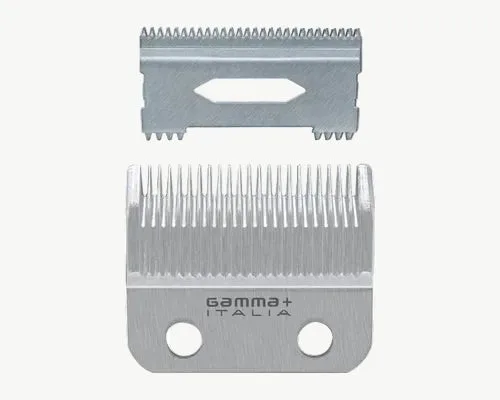
Stainless Steel Taper Clipper Blade & Shallow Tooth 2.0