Quick Answer
Dogs pull on the leash because they're excited, under-stimulated, or haven't learned that pulling doesn't get them where they want to go. The solution combines consistent training, rewarding calm behavior, and using the right equipment like a well-fitted harness that discourages pulling without causing discomfort.
Every dog owner knows the frustration of a walk that turns into a tug-of-war. Your dog's pulling isn't just annoying—it can lead to neck strain, injuries, and a stressful experience for both of you. The good news is that pulling is a learned behavior, and with the right approach, you can teach your dog to walk politely on a loose leash.
In this guide, we'll break down the most common reasons dogs pull, practical training solutions, and how choosing the right harness can make a world of difference. Whether you have a puppy or an adult dog, these strategies will help you enjoy walks again.
Why Dogs Pull: Understanding the Root Causes
Dogs pull for a variety of reasons, but most boil down to natural instincts and unmet needs. Many dogs are simply excited to explore the world. Their noses are powerful, and every scent, sight, and sound is a distraction. When they pull, they're not trying to dominate you—they're just trying to get to something interesting faster.
Another common cause is lack of exercise or mental stimulation. A dog that's been cooped up all day has pent-up energy, and a walk is their chance to burn it off. If they're not getting enough physical activity or mental challenges, they'll pull to maximize their exploration. Additionally, some dogs have learned that pulling works—if they pull hard enough, you eventually follow, reinforcing the behavior.
- Excitement and curiosity about the environment
- Insufficient exercise or mental stimulation before the walk
- Learned behavior: pulling gets them where they want to go
- Lack of consistent training or unclear expectations
Training Solutions for Loose Leash Walking
The key to stopping pulling is to reward your dog for walking calmly beside you. Start by making yourself more interesting than the environment. Carry high-value treats and reward your dog for checking in with you or for walking without tension on the leash. If your dog starts to pull, stop walking immediately. Wait until they relax and the leash goes slack, then reward and continue. This teaches them that pulling stops forward movement, while loose leash walking gets them where they want to go.
Consistency is crucial. Practice in low-distraction areas first, then gradually increase the difficulty. Use a dedicated dog training leash that gives you good control without causing discomfort. Avoid retractable leashes, as they encourage pulling. Also, ensure your dog gets enough exercise before the walk—a quick game of fetch or a training session can help burn off excess energy, making them more focused on you.
- Use high-value treats to reward loose leash walking
- Stop walking when your dog pulls; resume only when the leash is slack
- Practice in quiet areas before adding distractions
- Consider a front-clip harness to reduce pulling
Choosing the Right Equipment: Harnesses vs. Collars
Equipment plays a significant role in managing pulling. Traditional collars can put pressure on your dog's neck, causing discomfort or injury, especially if your dog pulls hard. A well-fitted harness distributes pressure more evenly and gives you better control without harming your dog. Some harnesses have a front clip that gently steers your dog back to you when they pull, making loose leash walking easier to teach.
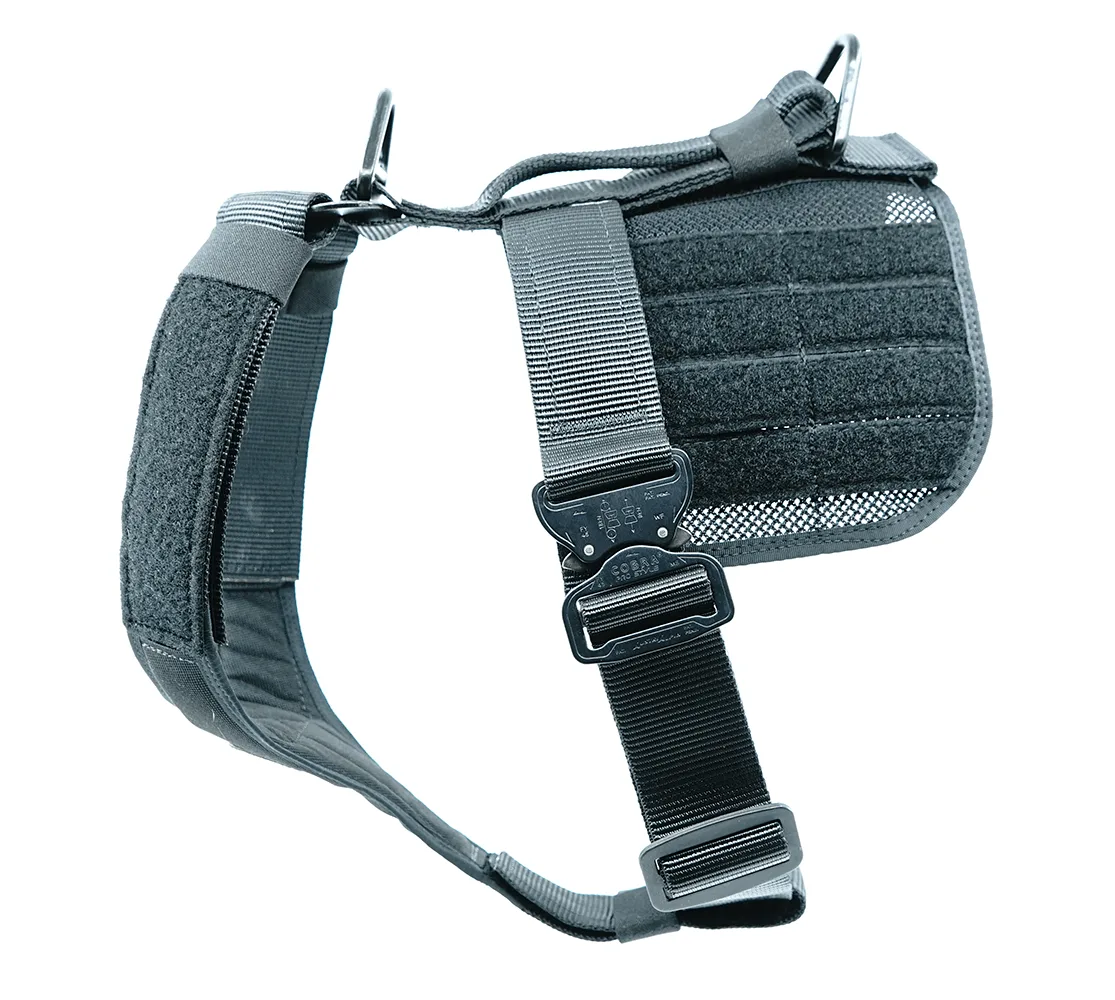
When selecting a harness, consider your dog's size, activity level, and any specific needs. For example, the Everyday Harness from K9 Tactical Gear is a low-profile, full-mobility option that's comfortable for everyday walks and hikes. It's made with high-quality webbing and hardware, ensuring durability. Another option is the Defender Harness, an exclusive design that has been a top seller for years. It's available in various sizes, including X-Small for dogs with girth sizes 23-26 inches, and features removable mesh backing for comfort in different weather conditions.
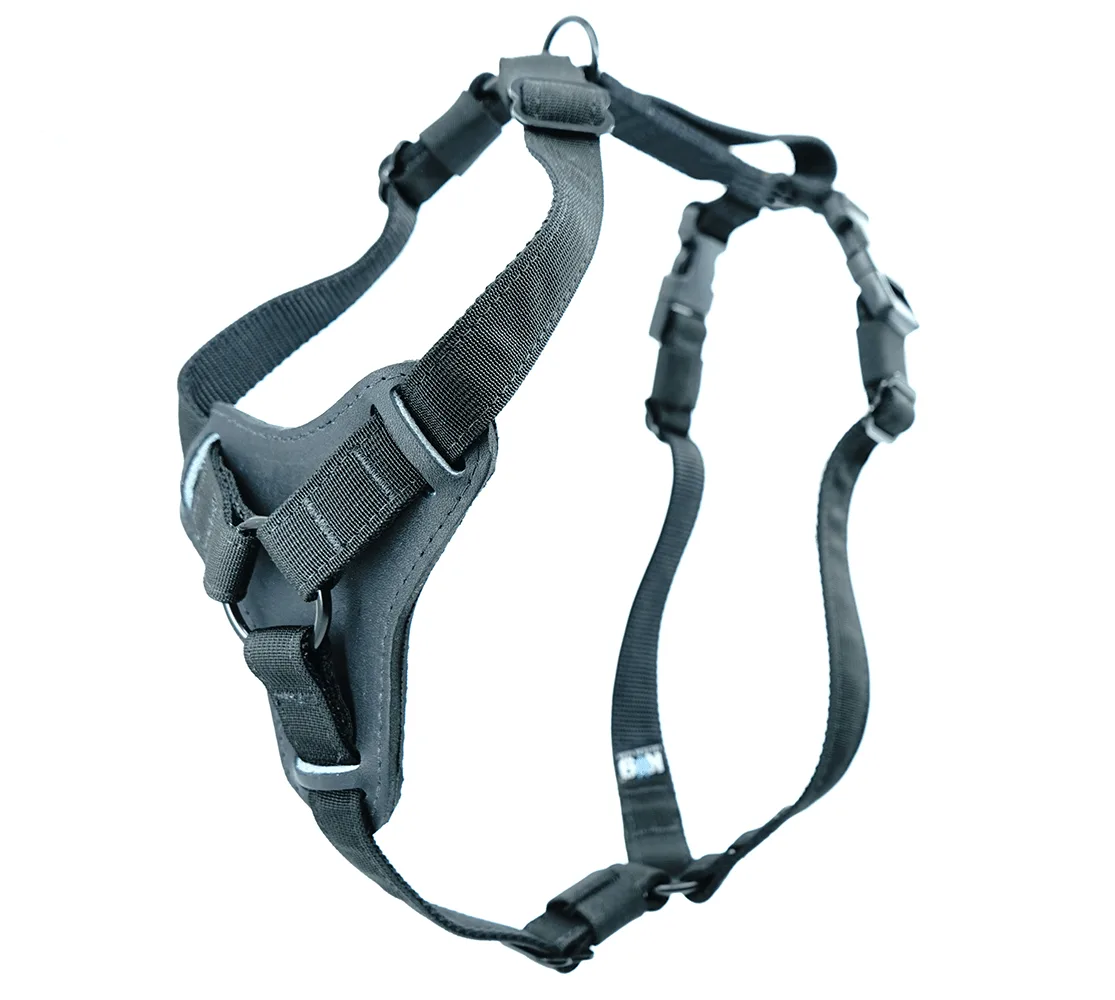
Everyday Harness
- Avoid collars that put pressure on the neck; opt for a harness
- Look for a harness with a front clip to reduce pulling
- Ensure the harness fits properly to prevent chafing or escape
- Consider the material and breathability for your climate
Diagnosis: Is It Pulling or Something Else?
- Symptom: Dog forges ahead, leash tight: Likely cause: Excitement or lack of training. Your dog wants to explore faster than you're walking. Start loose leash training with high-value treats and stop-and-go technique.
- Symptom: Pulling only on certain walks: Likely cause: High-distraction environments or insufficient exercise. Your dog is over-aroused. Increase exercise before the walk and practice in quieter areas first.
- Symptom: Pulling despite training: Likely cause: Equipment discomfort or improper fit. A harness that digs in or a collar that hurts can cause resistance. Check your harness fit. Consider a well-padded, full-mobility harness like the Everyday Harness.
Product Facts: Harnesses That Help
- Everyday Harness: Designed as a full mobility harness, made for the canine who loves to take a weekday stroll around the neighborhood and an intense hike on a Saturday morning. It's a minimalist design with the highest quality webbing and hardware on the market. This harness offers comfort and durability for daily walks, so your dog won't be distracted by an uncomfortable fit, making training more effective.
- Defender Harness: X-Small Only: An exclusive K9 Tactical Gear design, this has been our top selling harness for years. The XS version features 1.5" webbing and is available in black only. It fits girth sizes 23-26 inches. For small dogs that pull, this harness provides a secure, comfortable fit that doesn't restrict movement, allowing you to focus on training without worrying about escape or discomfort.
Pulling is a common but fixable issue. By understanding why your dog pulls and using consistent training techniques, you can enjoy peaceful walks. The right equipment, like a quality harness, supports your efforts and keeps your dog comfortable. Start today, and soon your walks will be a joy for both of you.