Quick answer
If your dog is scratching more than usual, the cause is often flea allergy dermatitis, environmental allergies, or dry skin. Start by checking for fleas and consider a soothing oatmeal bath. If scratching persists or the skin looks red or infected, a vet visit is the safest next step.
Flea allergy dermatitis – the most common trigger
Flea allergy dermatitis is a leading cause of excessive scratching in dogs. Even a single flea bite can trigger intense itching, especially around the tail base, lower back, and hind legs. If you see tiny black specks (flea dirt) on your dog’s skin or bedding, fleas are likely the culprit.
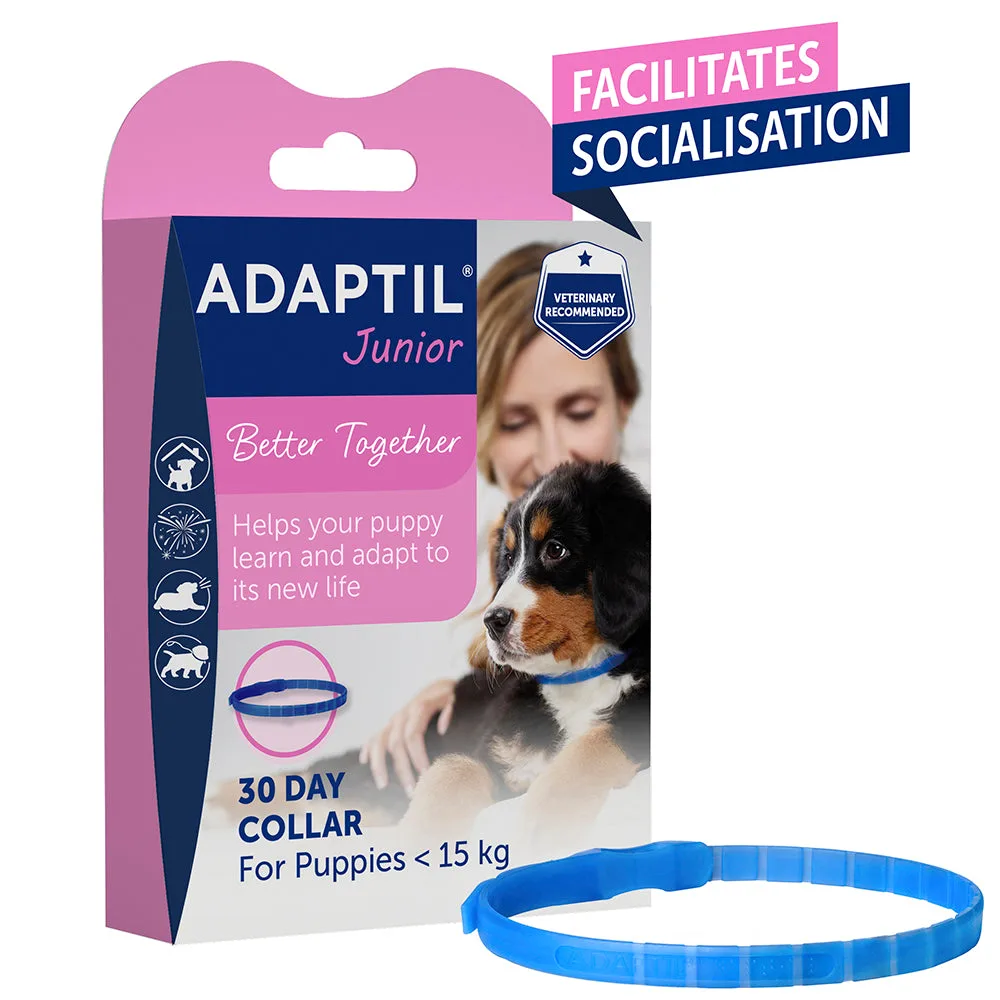
For puppies or newly adopted dogs, a calming collar like Adaptil Collar Junior can help reduce stress-related scratching while you address the flea issue. But remember: flea control requires treating both your pet and your home. If the itching doesn’t improve within a few days of flea treatment, consult your veterinarian.
Environmental and food allergies
Dogs can develop allergies to pollen, dust mites, mold, or ingredients in their food. Allergic reactions often cause itchy skin on the paws, face, ears, and belly. If your dog also has ear infections or recurrent hot spots, allergies are a strong possibility.
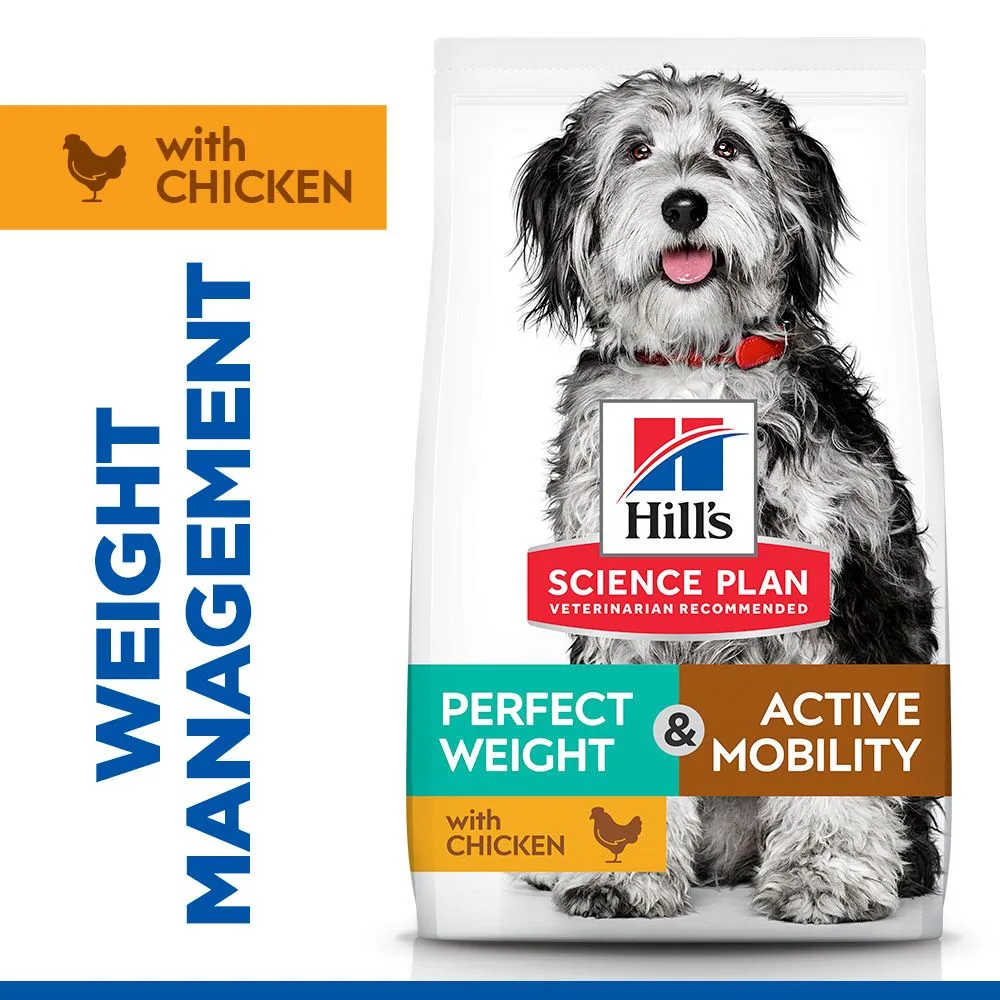
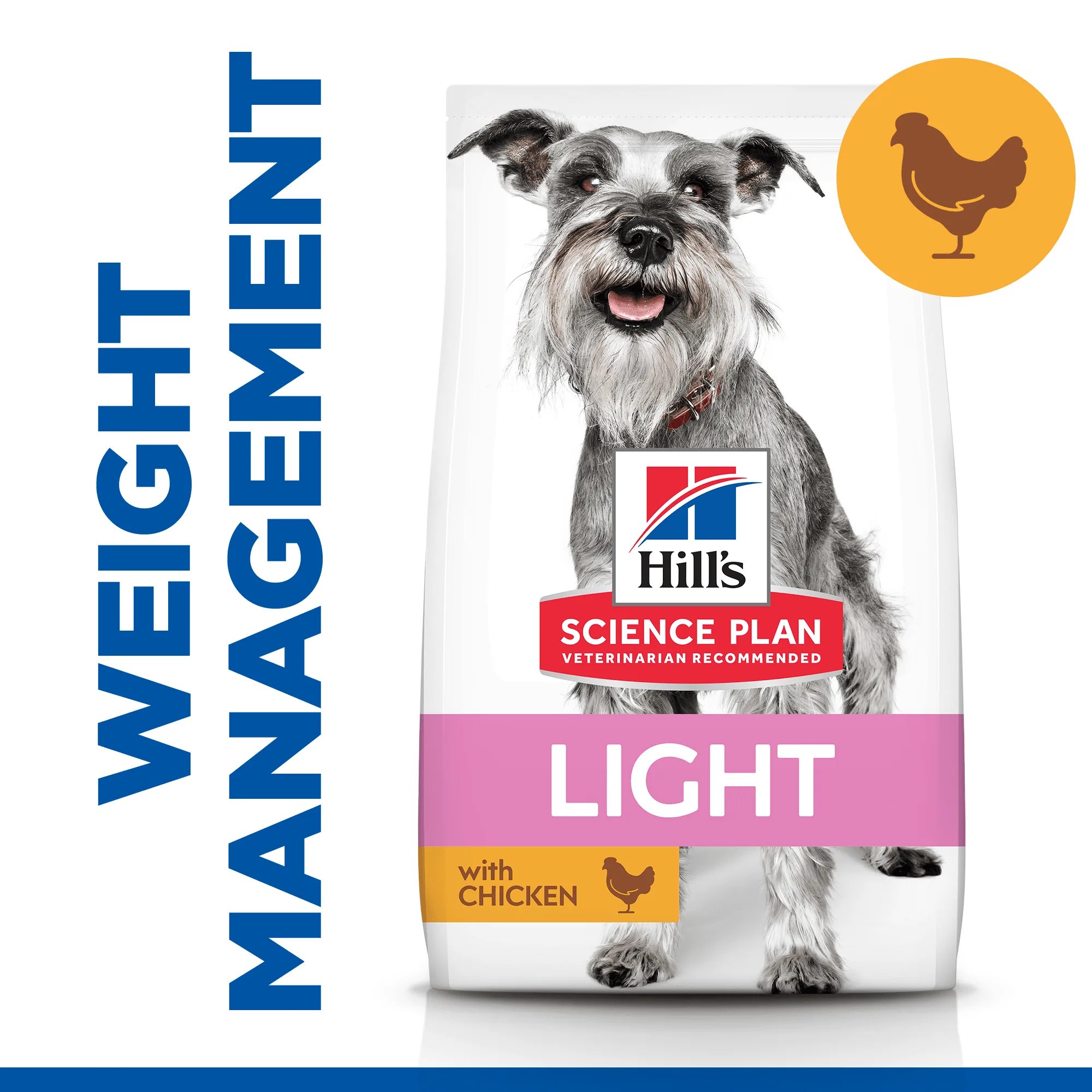
A diet change to a weight-managed formula like Hill's Science Plan Perfect Weight & Active Mobility Medium Dry Dog Food may help if your dog is also overweight – excess weight can worsen skin fold irritation. However, food allergies require an elimination diet under veterinary guidance. There is no quick home test for food allergies.
Dry skin and home remedies
Dry, flaky skin can cause persistent scratching, especially in low-humidity environments or during winter. Simple home remedies include adding a teaspoon of fish oil to your dog’s food (after checking with your vet) and using a humidifier in the room where your dog sleeps.
An oatmeal or coconut oil bath can soothe mild dryness. Avoid over-bathing, which strips natural oils. If dry skin is accompanied by dandruff, greasiness, or a musty odor, it could signal an underlying condition like seborrhea or a thyroid issue – these need a vet’s diagnosis.
Scratching diagnosis guide
- Symptom: Frequent scratching, licking, biting at skin; hair loss; red or flaky patches; scabs; ear shaking. Observe which body areas are affected and note any patterns (e.g., after walks, seasonally).
- Likely cause: Flea allergy dermatitis (tail base, hind legs), environmental allergies (paws, face, ears), dry skin (flakes, no redness), or food allergy (ears, belly, recurrent infections). Check for fleas first. If none, consider seasonal or dietary triggers.
- Corrective action: For fleas: treat pet and home. For dry skin: oatmeal bath, fish oil supplement, humidifier. For suspected allergies: switch to a limited-ingredient diet, wipe paws after walks, and use a vet-recommended antihistamine. Start with the simplest fix (flea check, bath). Give each change 1–2 weeks to show effect.
- Stop or choose another option: If scratching continues despite home care, or if you see open sores, pus, swelling, hair loss in patches, or a change in appetite/energy, stop home treatments and see your veterinarian. Persistent scratching can lead to secondary infections. Professional diagnosis is needed for prescription treatments or allergy testing.
Products that can help
- Adaptil Collar Junior: ADAPTIL Junior is a great answer to comfort recently adopted puppies and help to make their education simpler. During adoption, ADAPTIL Junior helps in many situations such as: preventing crying during the night, support for when staying home alone, loud noises, or puppy car travel. If your puppy is scratching from stress or anxiety during the adjustment period, this collar provides calming support while you address the root cause of the itch.
- Hill's™ Science Plan Perfect Weight & Active Mobility Medium Dry Dog Food Chicken 12kg: Hill's Science Plan Perfect Weight & Active Mobility Medium Adult Dog Food with Chicken provides delicious, clinically proven nutrition to help overweight or slightly overweight dogs achieve a healthy weight, which is a risk factor for mobility issues. Excess weight can worsen skin fold irritation and make scratching more intense. A weight management diet supports both joint health and skin comfort.
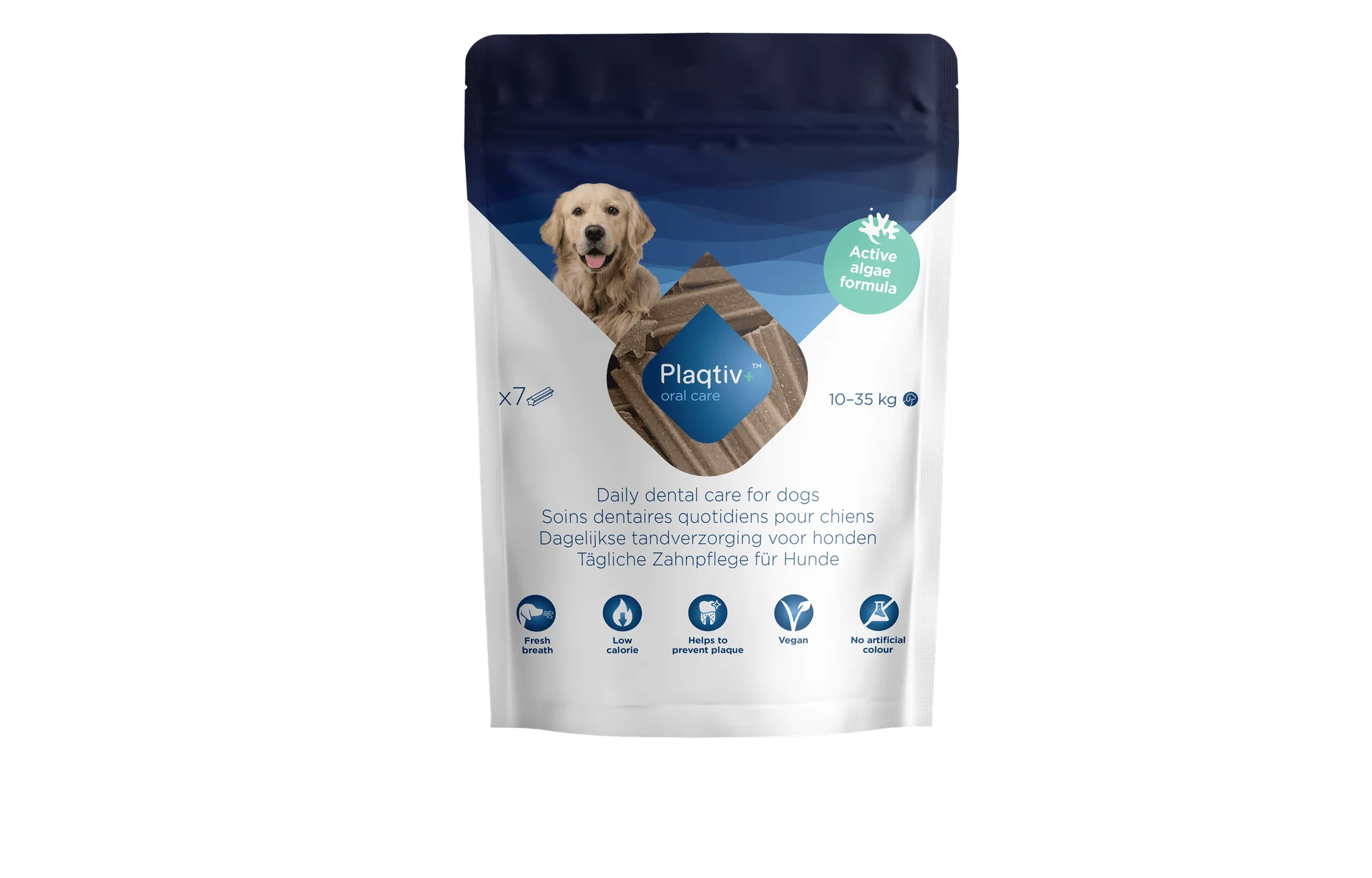
- Plaqtiv+ Oral Care Sticks 7pk (2 sizes): Plaqtiv+ Sticks are scientifically formulated to promote good oral hygiene and freshen breath. The 5-point star shape helps to target plaque in hard-to-reach areas. While not a direct scratching fix, daily dental sticks reduce oral discomfort that can sometimes cause pawing at the mouth. They also keep your dog busy and distracted from itching.