Quick Answer
A dog that is still greasy after a bath is usually dealing with one of three things: shampoo or conditioner residue left in the coat, water that was too cool to break down oils, or a shampoo that is too heavy or too mild for the dog's coat type. Rinse longer than feels necessary, check your water temperature, and match the shampoo to the coat. If the grease returns within a day or two, the cause is likely skin oil production or buildup rather than your washing technique.
You finish the bath, towel dry, and step back only to see that familiar dull, slick sheen. The coat feels tacky instead of soft, and by the next morning it looks like you never bathed the dog at all. A greasy dog coat after grooming is frustrating, but it is also one of the most solvable problems in the tub.
Most cases come down to residue, temperature, or product mismatch, not a mystery skin condition. This guide walks through the likely causes and the specific fixes so you can stop rewashing and start getting a clean, touchable coat.
Residue Is the Most Common Cause
If the coat feels slick or coated rather than naturally oily, leftover shampoo or conditioner is the first suspect. Thick or concentrated formulas can cling to the undercoat and skin even after the water runs clear. The fix is simple but takes patience: rinse with warm water for at least twice as long as you think you need, working your fingers down to the skin. A rubber curry brush or a handheld sprayer with decent pressure helps push water through dense coats.
Pay attention to the areas that trap product: behind the ears, under the collar line, between the front legs, and around the tail base. If you use a conditioner, apply it only where the coat needs it and rinse until the water feels slippery-free. A final rinse with lukewarm water and no product is a good habit to build.
- Rinse for a full two to three minutes on double-coated or long-haired dogs.
- Use a sprayer or pitcher rather than relying on a tub faucet alone.
- Check the water running off the dog; if it feels slick, keep rinsing.
Water Temperature and Dilution Matter More Than You Think
Water that is too cool will not fully emulsify the oils and shampoo, leaving a film behind. Water that is too hot can strip the coat and trigger the skin to produce more oil in response. Aim for lukewarm water that feels comfortable on your inner wrist. If you mix shampoo in a bottle, use the ratio on the label rather than guessing; an overly diluted shampoo may not lift grease at all, while an overly concentrated one is harder to rinse.
Mixing bottles and pumps help you get a consistent dilution every time, which removes one variable from the equation. If you are not sure whether your shampoo is meant to be diluted, check the label before you start.
- Test water temperature on your wrist before wetting the dog.
- Follow the label's dilution ratio exactly; do not eyeball it.
- Use a mixing bottle for consistent results across baths.
Your Shampoo May Be the Wrong Match for the Coat
A moisturizing shampoo is not always the right choice for a dog that already has an oily coat. If you are using a rich, hydrating formula on a dog that tends to be greasy, you may be adding moisture the coat does not need. On the other hand, a harsh degreasing shampoo can strip the skin and cause rebound oil production. The goal is a balanced cleanser that lifts grease without over-drying.
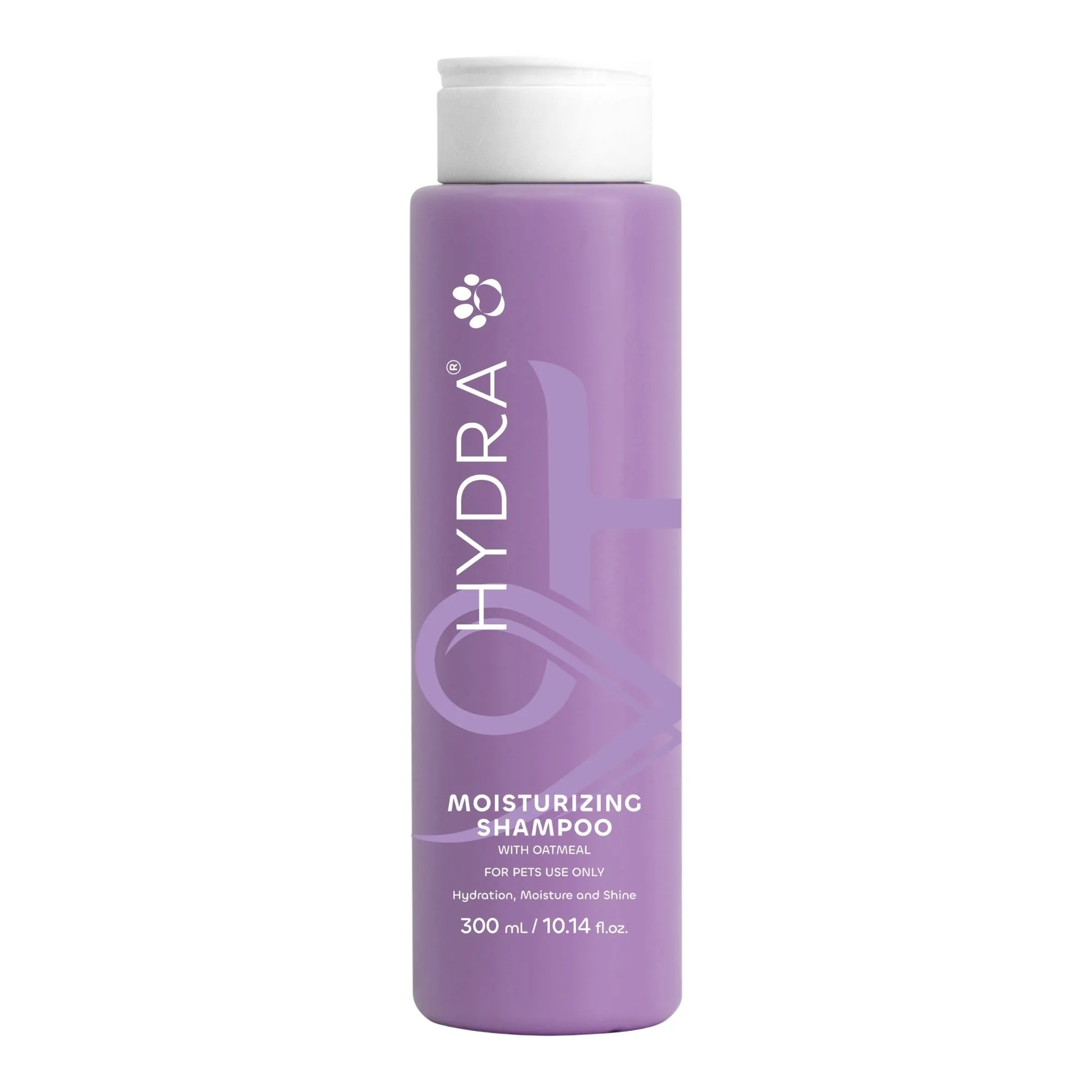
If your dog shampoo is not working after several baths, consider whether the formula is designed for the coat type in front of you. A shampoo with oatmeal extract, for example, is built to hydrate and condition, which is ideal for dry or brittle coats but may feel heavy on an already oily dog. Match the product to the problem, not to the label's promise.
- Greasy coat: choose a clarifying or balanced cleanser, not an ultra-moisturizing one.
- Dry, brittle coat: a moisturizing formula can help restore softness.
- If the grease returns within 24 hours, the shampoo may be too heavy for this dog.
Skin Health and Buildup Can Mimic Grease
Sometimes the coat is not greasy from shampoo at all. Seborrhea, allergies, and hormonal conditions can increase oil production, and the coat will feel oily again quickly no matter how well you rinse. If your dog also has flaky skin, redness, or a persistent odor, that points to a skin issue rather than a grooming issue, and a veterinarian should take a look.
Environmental buildup is another possibility. Residue from outdoor pollutants, heavy conditioners, or leave-in products can accumulate over time. A single clarifying bath can reset the coat, but if you need to clarify every week, the underlying cause is likely skin-related. In that case, stop experimenting with shampoos and get a professional opinion.
- Grease plus flakes or odor: consider a vet visit.
- Grease that returns within hours: likely oil production, not residue.
- A one-time clarifying wash is fine; weekly clarifying is not.
Technique Fixes You Can Try Today
Before you buy a new product, try adjusting your technique. Wet the dog thoroughly, apply shampoo at the recommended dilution, and work it into the skin rather than just the topcoat. Let it sit for the contact time on the label, then rinse until the water runs completely clear. Follow with a cool-water rinse to help close the hair cuticle and lay the coat flat.
Drying matters too. Towel dry with a microfiber towel and use a cool setting on a pet dryer if you have one. Leaving a dog damp can make the coat feel heavy and oily. If you have tried all of these steps and the coat still looks greasy after two or three baths, it is time to change the shampoo or talk to a vet.
- Work shampoo into the skin, not just the surface of the coat.
- Respect the contact time on the label.
- Finish with a cool rinse and dry thoroughly.
Diagnosis: Match the Symptom to the Fix
- Coat feels slick or coated, not naturally oily: Residue from shampoo or conditioner is the likely cause. Rinse twice as long as you think you need, focusing on the undercoat and skin. If the coat feels better after a thorough rinse, residue was the issue.
- Grease returns within a few hours of drying: This points to skin oil production rather than product residue. Check for flakes, redness, or odor, and consider a vet visit if those are present. If the coat is greasy again by the next morning, stop rewashing and get professional advice.
- Coat is greasy and the dog has dry, flaky skin: You may be using a shampoo that is too harsh or too heavy. Switch to a balanced formula and avoid over-bathing, which can trigger rebound oil. If flaking and grease appear together, the skin barrier needs support, not more stripping.
- You have tried three different shampoos with no change: At this point, the problem is likely medical or environmental rather than a grooming technique issue. A veterinarian can check for seborrhea, allergies, or hormonal conditions. Stop buying new shampoos and book a vet appointment.
Products That Fit Different Grease Scenarios
- Hydra Retail Moisturizing Shampoo-10.14oz.: Features oatmeal extract to deeply hydrate and condition the skin and coat, enhancing elasticity, shine, and softness. pH balanced and suitable for both dogs and cats. Best for dogs with dry, brittle coats that need moisture rather than degreasing. If your dog is already oily, this rich formula may be too heavy and could contribute to a greasy feel.
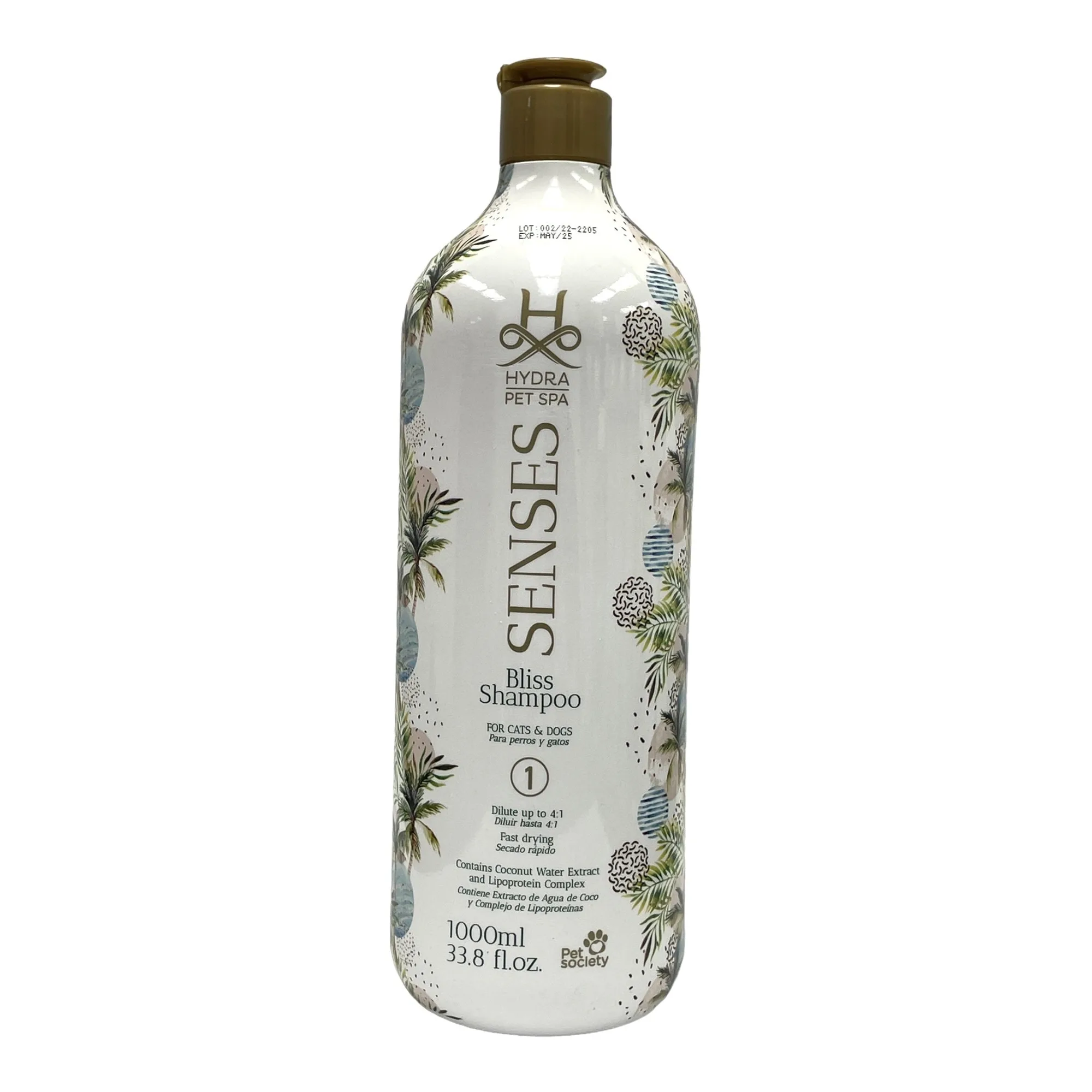
- Hydra Senses Bliss Shampoo 33oz: Formulated with coconut water extract, lipoprotein complex, and sweet almond, this shampoo hydrates and conditions coats while providing shine and softness. Quick drying and easy to rinse. A good middle ground for normal to slightly dry coats. The quick-rinsing formula helps reduce residue, which is a common cause of post-bath grease.
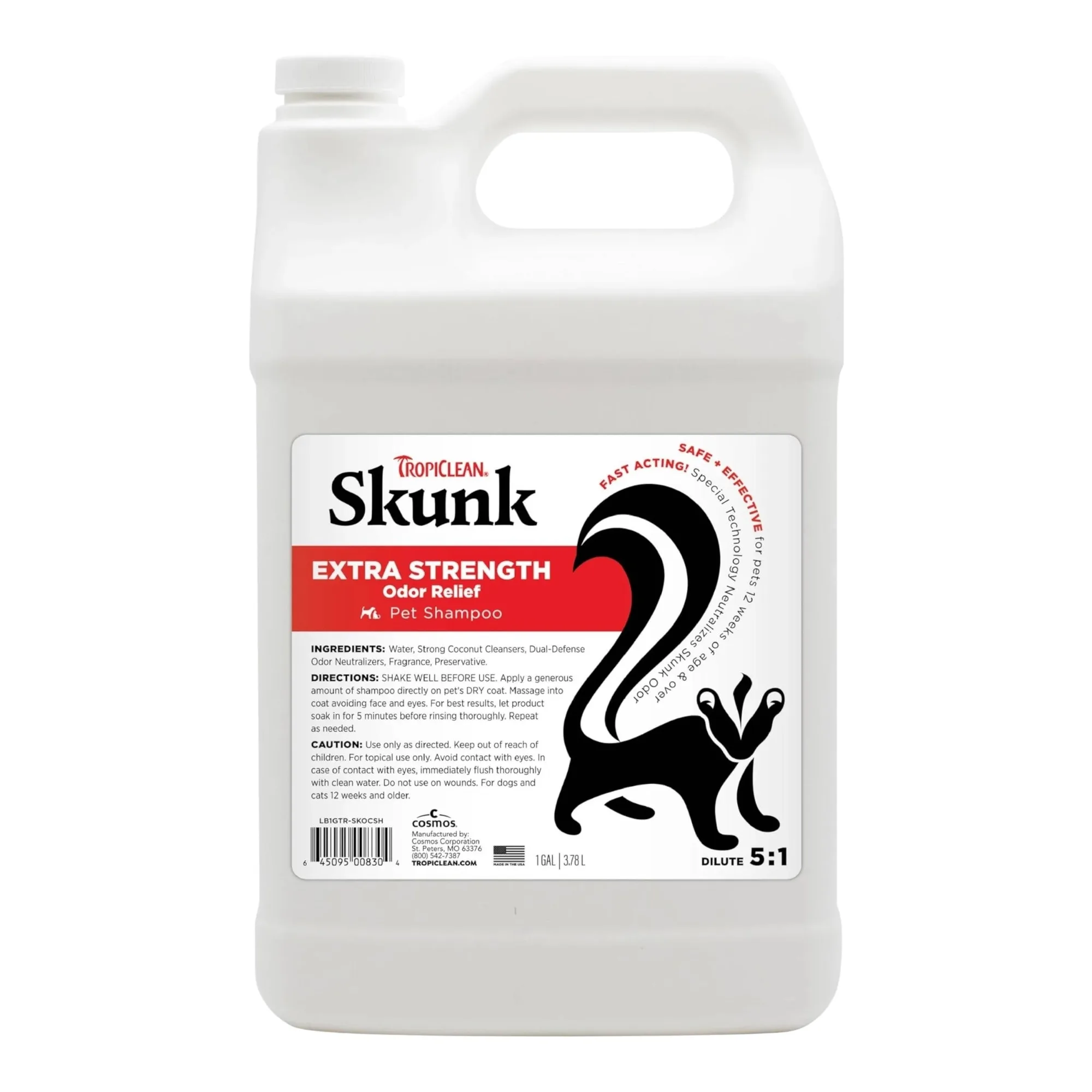
- Tropiclean Skunk Odor Control Shampoo: Powered by advanced molecular technology, this formula breaks down and neutralizes skunk oil molecules at the source. Independent studies show it outperforms leading competitors for odor reduction. Not a grease fix, but if your dog's coat feels oily after a skunk encounter, this addresses the oil-based odor at the source rather than just masking it.
A greasy coat after a bath is usually a residue, temperature, or product-match problem, and all three are fixable with better rinsing and a more suitable shampoo. Work through the diagnosis above, change one variable at a time, and give the coat a few baths to respond. If the grease keeps coming back fast, let a vet rule out skin conditions before you spend more time in the tub.