Quick answer
Mushy gluten-free pasta usually comes from too little water, too long a boil, or too much stirring. Use at least 4 quarts of water per pound, salt after boiling starts, stir only for the first 30 seconds, and taste 2 minutes before the package time. If the pasta still falls apart, switch to a sturdy shape like ziti rigati or taccole corte.
Diagnose the symptom before you change anything
Gluten-free pasta fails in three main ways: surface mushiness (sticky outside, firm center), total collapse (falls apart in the water), or a gummy bite that never firms up. Each points to a different cause. Surface mushiness usually means the water was too starchy or the pasta sat in hot water after draining. Total collapse often means too little water, a rolling boil that battered the pieces, or a shape too thin for gluten-free flour. A gummy bite that persists after cooking usually means the pasta was undercooked, not overcooked, and the starch never had a chance to set.
Fix the water ratio and boiling mechanics
Gluten-free pasta needs more water than wheat pasta because the flour releases more starch. Use at least 4 quarts of water per pound of pasta. A larger pot and more water dilute the starch so pieces don’t glue together. Bring the water to a strong boil before adding pasta, then stir gently for the first 30 seconds to separate pieces. After that, stir only once or twice. A violent rolling boil can break fragile gluten-free shapes, so reduce to a steady simmer once the pasta is in. Salt the water after it boils, not before, so the salt dissolves without slowing the boil. Never add oil to the water; it coats the pasta and can make sauce slide off later.
Time it by taste, not by the clock alone
Package times for gluten-free pasta are a starting point, not a guarantee. Start tasting 2 minutes before the package time. The pasta should be firm to the bite but not chalky in the center. If it’s still chalky, cook 30 seconds more and taste again. As soon as it’s done, drain it immediately—do not let it sit in the hot water. Residual heat keeps cooking the pasta and turns it mushy. If you’re serving it later, drain, rinse briefly with cool water to stop cooking, then toss with a little sauce or olive oil to prevent sticking. For baked dishes, undercook by 1 to 2 minutes so the oven doesn’t finish the job into mush.
Choose shapes that hold up to gluten-free cooking
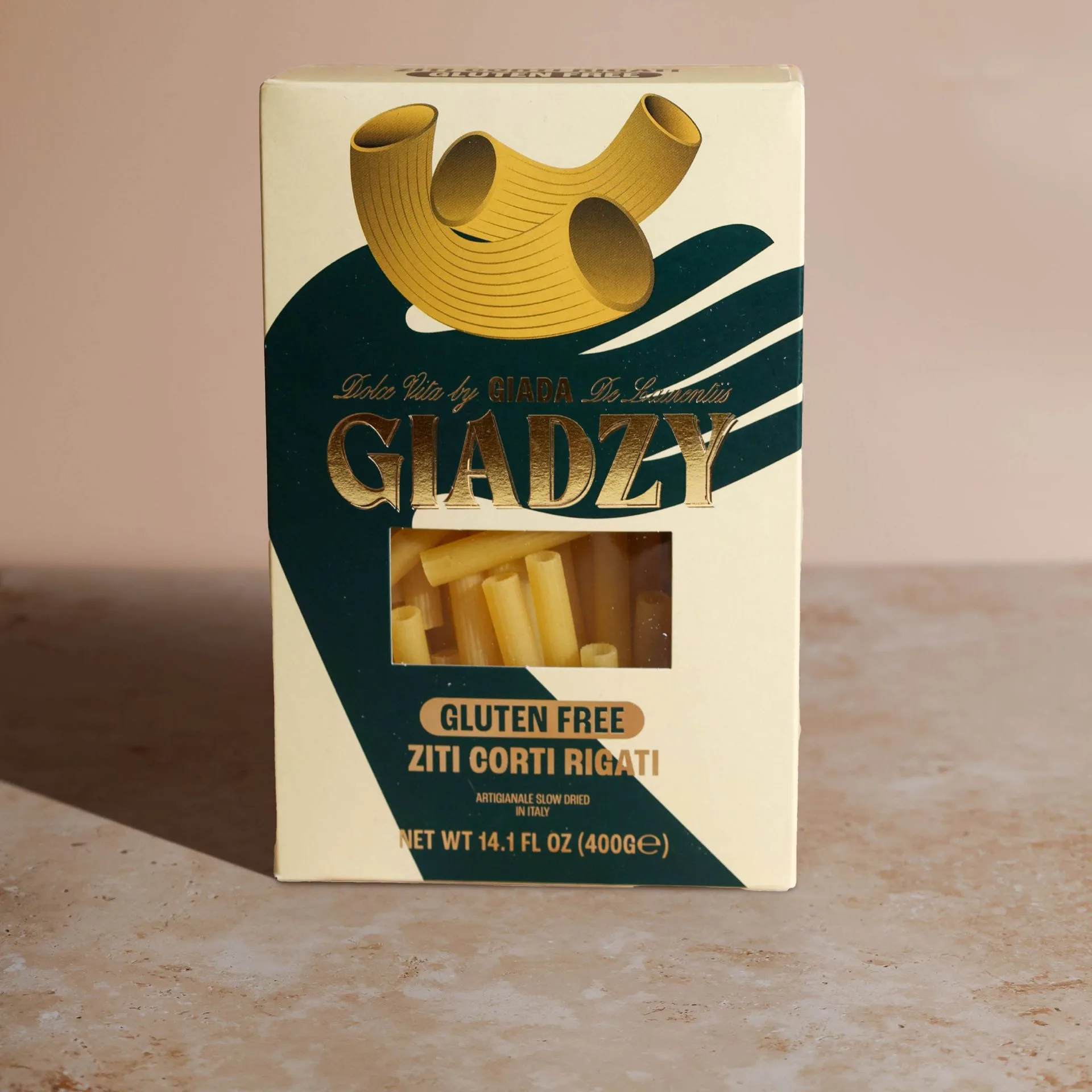
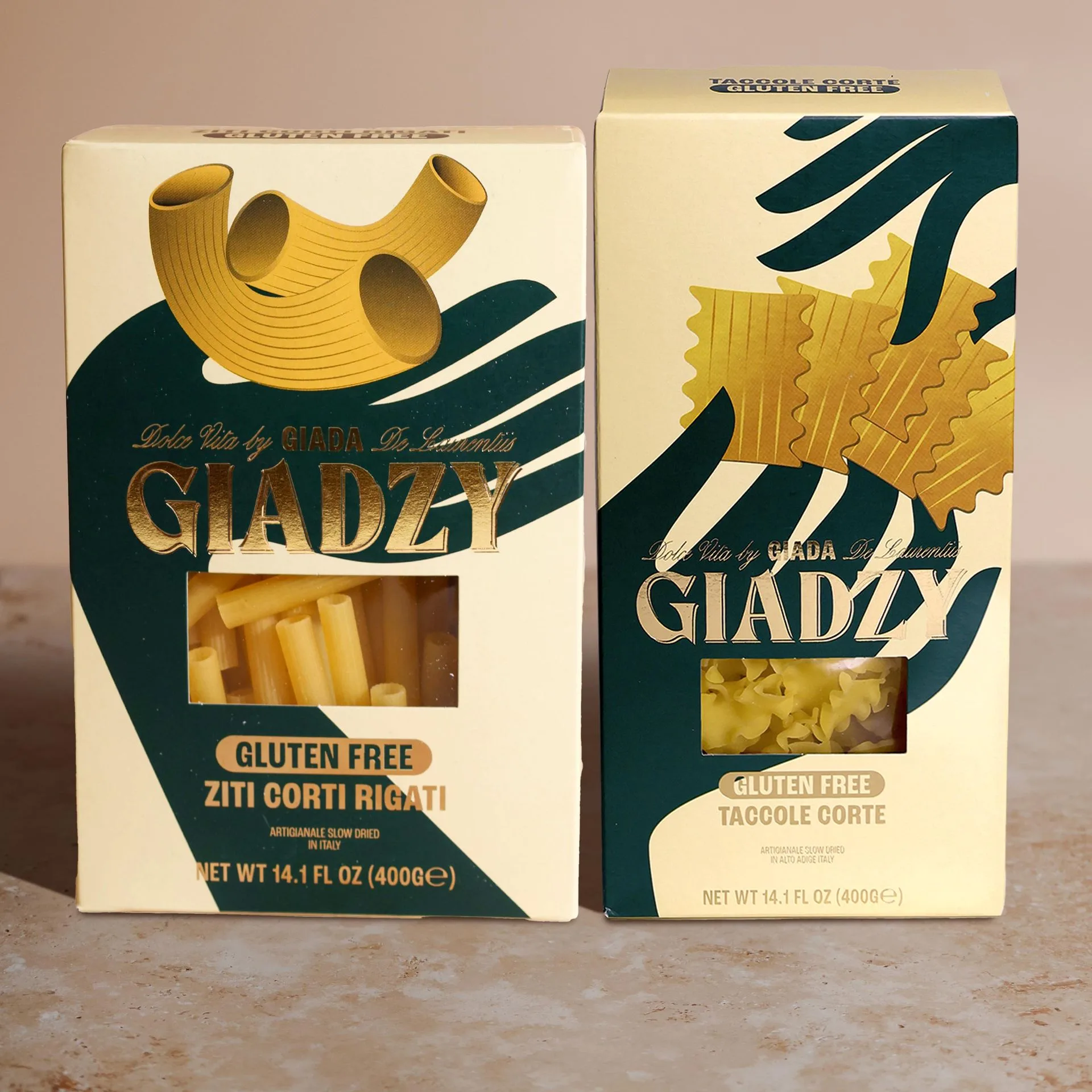
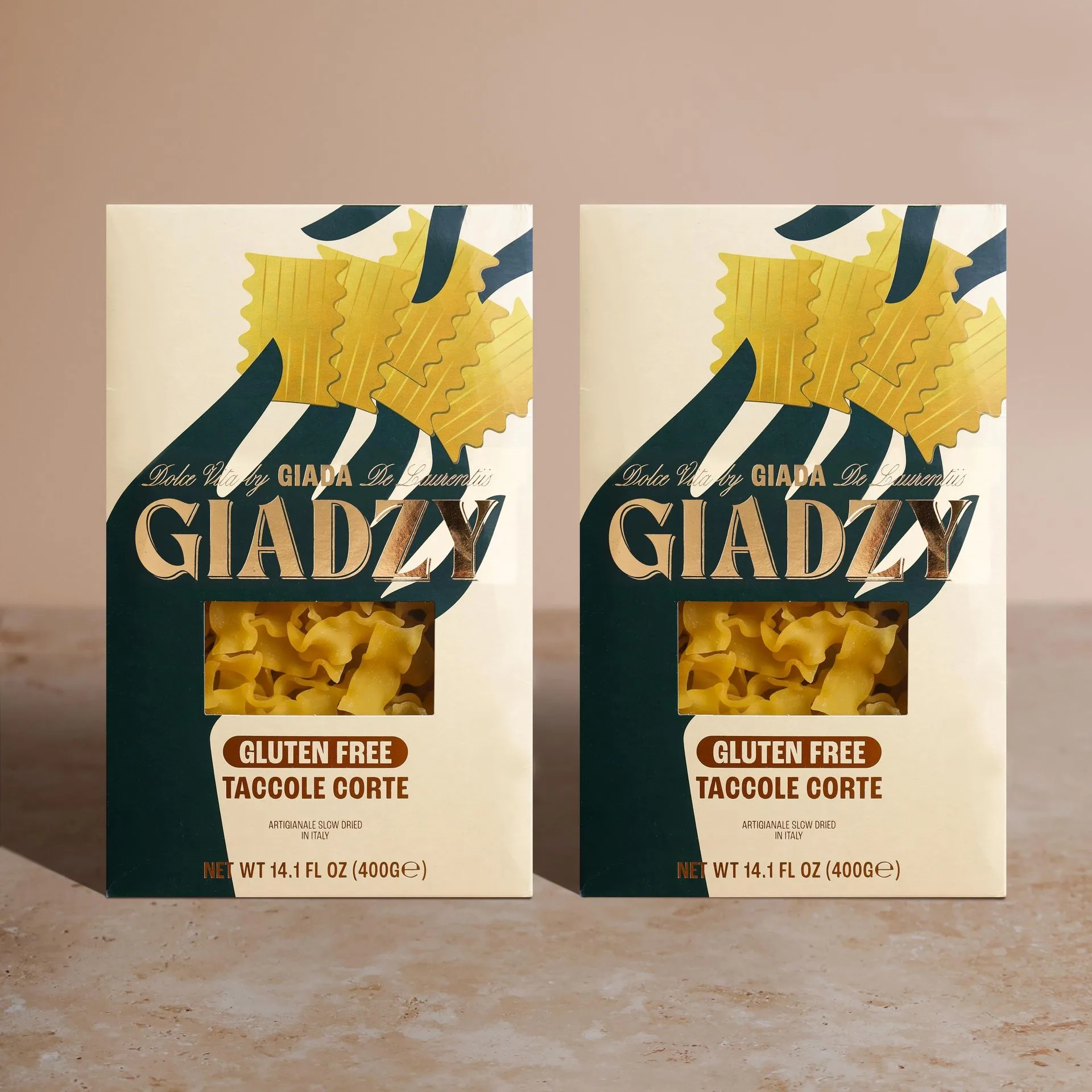
Thin, delicate shapes like spaghetti or angel hair are more prone to breaking and clumping because they have more surface area relative to their structure. Short, sturdy tubes and ruffled rectangles hold their shape better. Ziti rigati has ridges and a thick wall that captures sauce without collapsing. Taccole corte, a short rectangle with ruffled edges, offers a textural bite that resists turning to paste. If you’re making a baked pasta or a hearty sauce, choose these shapes over long, thin noodles. For soups, add pasta at the end and serve immediately; gluten-free pasta continues to absorb liquid and soften as it sits.
Diagnosis: symptom, cause, fix, and when to stop
- Sticky, gluey surface: Too little water or too much stirring released excess starch. Use at least 4 quarts of water per pound and stir only for the first 30 seconds. If pasta still sticks after adjusting water, switch to a ridged or ruffled shape.
- Falls apart in the pot: A violent boil or a thin, fragile shape caused breakage. Reduce to a simmer after adding pasta and choose short tubes or rectangles. If breakage continues, avoid long, thin gluten-free noodles for this dish.
- Gummy center that never firms: The pasta is undercooked, not overcooked. Continue boiling in 30-second increments until the center is firm but not chalky. If it still tastes raw after 2 extra minutes, the pasta may be too thick for your water ratio; add more boiling water.
- Mushy after sitting: Residual heat and sauce absorption continue cooking the pasta. Drain immediately and sauce right away, or rinse with cool water to stop cooking. For make-ahead dishes, undercook by 1–2 minutes and store sauce separately.
Products that help prevent mushiness
- Organic Ziti Rigati Pasta: Organic Ziti Rigati Pasta is a sturdy tube shape with ridges, historically used in baked dishes because it captures sauce and resists turning mushy in the oven. Its thick walls and ridges make it a reliable choice when you need pasta to hold up to baking or heavy sauces without falling apart.
- 2-Pack Gluten-Free Taccole Corte Pasta: 2-Pack Gluten-Free Taccole Corte Pasta features short rectangles with ruffled edges similar to lasagna sheets, offering a textural delight. The ruffled edges and short, wide shape give gluten-free pasta a firm bite that resists clumping and mushiness better than thin noodles.